Astronomy Calendar 2026: All Major Celestial Events of the Year
Wondering what’s happening in the night sky throughout 2026? Below you’ll find a month-by-month guide to all notable astronomical events — from Moon-planet encounters to eclipses and major meteor showers. Some especially exciting events are marked with a star (⭐) — you can also find them collected in our separate articles: “Top Astronomical Events of 2026” and “Underrated Sky Events in 2026”. To find out when an event will be visible from your exact location, use the Sky Tonight app.
Contents
Astronomical events in January 2026
- January 1: Moon near Aldebaran
- January 3: Full Moon (Supermoon)
- January 3: Moon near Jupiter
- January 3–4: Quadrantids’ peak ⭐
- January 4: Moon near Pollux
- January 4: 24P/Schaumasse gets closest to Earth
- January 5: Moon near the Beehive Cluster
- January 6: Moon near Regulus
- January 8: 24P/Schaumasse reaches perihelion
- January 10: Jupiter at opposition ⭐
- January 10: Moon near Spica
- January 14: Moon near Antares ⭐
- January 20: C/2024 E1 (Wierzchos) reaches perihelion ⭐
- January 23: Moon near Saturn
- January 23: Moon near Neptune
- January 27: Moon near the Pleiades
- January 27: Moon near Uranus
- January 28: Moon near Aldebaran
- January 31: Moon near Jupiter
- January 31: Moon near Pollux
Astronomical events in February 2026
- February 1: Full Moon
- February 1: Moon near the Beehive Cluster
- February 3: Moon near Regulus
- February 7: Moon near Spica
- February 11: Moon near Antares
- February 17: Annular solar eclipse
- February 17: C/2024 E1 (Wierzchos) gets closest to Earth ⭐
- February 18: Moon near Mercury
- February 19: Mercury at greatest eastern elongation
- February 19: Moon near Saturn
- February 19: Moon near Neptune
- February 23: Moon near Uranus
- February 24: Moon near the Pleiades
- February 27: Moon near Jupiter
- February 27: Moon near Pollux
- February 28: Moon near the Beehive Cluster
- February 28: Six-planet alignment ⭐
Astronomical events in March 2026
- March 2: Moon near Regulus
- March 3: Full Moon
- March 3: Total lunar eclipse ⭐
- March 6: Moon near Spica
- March 8: Venus near Saturn ⭐
- March 10: Moon near Antares
- March 15: Mars near Mercury
- March 17: Moon near Mercury
- March 17: Moon near Mars
- March 18: 88P/Howell reaches perihelion
- March 18: Moon near Mars and Mercury ⭐
- March 20: Moon near Venus
- March 20: March equinox
- March 23: Moon near Uranus
- March 23: Moon near the Pleiades
- March 26: Moon near Jupiter
- March 27: Moon near Pollux
- March 28: Moon near the Beehive Cluster
- March 29: Moon near Regulus
Astronomical events in April 2026
- April 2: Full Moon
- April 3: Moon near Spica
- April 3: Mercury at greatest western elongation — best visibility of the year
- April 6: Moon near Antares
- April 15: Moon near Mercury
- April 15: Moon near Neptune
- April 15: Moon near Mars
- April 16: Moon near Saturn
- April 18: Four-planet alignment ⭐
- April 19: Moon near Venus
- April 19: Moon near the Pleiades
- April 19: Moon near Uranus
- April 19–20: Mars near Saturn
- April 20: Mercury near Saturn
- April 20: Mercury near Mars
- April 22: Lyrids’ peak ⭐
- April 22: Moon near Jupiter
- April 23: Moon near Pollux
- April 24: Venus near the Pleiades
- April 24: Moon near the Beehive Cluster
- April 25: C/2025 R3 reaches maximum brightness ⭐
- April 26: Moon near Regulus
- April 30: Moon near Spica
Astronomical events in May 2026
- May 1: Full Moon (Micromoon)
- May 4: Moon near Antares
- May 5–6: Eta Aquariids’ peak ⭐
- May 13: Moon near Neptune
- May 13: Moon near Saturn
- May 14: Moon near Mars
- May 19: Moon near Venus
- May 20: Moon near Jupiter
- May 20: Moon near Pollux
- May 21: Moon near the Beehive Cluster
- May 23: Moon near Regulus
- May 27: Moon near Spica
- May 31: Moon near Antares
- May 31: Full Moon (Blue Moon, Micromoon) ⭐
Astronomical events in June 2026
- June 7: Venus near Pollux
- June 9: Venus near Jupiter ⭐
- June 9: Moon near Neptune
- June 10: Moon near Saturn
- June 12: Moon near Mars
- June 12: Three-planet alignment ⭐
- June 13: Moon near the Pleiades
- June 13: Moon near Uranus
- June 15: Mercury at greatest eastern elongation
- June 16: Moon near Mercury
- June 17: Moon near Pollux
- June 17: Moon near Jupiter
- June 17: Moon near Venus ⭐
- June 18: Moon near the Beehive Cluster
- June 19: Moon near Regulus
- June 21: June Solstice
- June 23: Moon near Spica
- June 25: Mercury near Jupiter
- June 27: Moon near Antares
- June 28: Mars near the Pleiades
- June 29: Full Moon (Micromoon)
Astronomical events in July 2026
- July 6: Moon near Neptune
- July 7: Moon near Saturn
- July 9: Venus near Regulus
- July 10: Moon near the Pleiades
- July 11: Moon near Uranus
- July 11: Moon near Mars and the Pleiades ⭐
- July 15: Moon near the Beehive Cluster
- July 17: Moon near Regulus
- July 17: Moon near Venus
- July 21: Moon near Spica
- July 24: Moon near Antares
- July 29: Full Moon
- July 30–31: Southern Delta Aquariids’ peak ⭐
Astronomical events in August 2026
- August 2: 10P/Tempel 2 reaches perihelion ⭐
- August 2: Mercury at greatest western elongation
- August 3: Moon near Neptune
- August 7: Moon near the Pleiades
- August 7: Moon near Uranus
- August 9: Moon near Mars
- August 10: Moon near Pollux
- August 11: Moon near Mercury
- August 12: Six-planet alignment ⭐
- August 12: Total solar eclipse visible in Europe ⭐
- August 12–13: Perseids’ peak ⭐
- August 15: Venus at greatest eastern elongation
- August 16: Moon near Venus
- August 17: Moon near Spica
- August 21: Moon near Antares
- August 28: Full Moon
- August 28: Deep partial lunar eclipse visible in the US and Europe ⭐
- August 30: Moon near Neptune
Astronomical events in September 2026
- September 2: Venus near Spica
- September 3: Moon near the Pleiades
- September 3: Moon near Uranus
- September 6–14: Moon meets with four planets ⭐
- September 6: Moon near Mars
- September 7: Moon near Pollux
- September 8: Moon near Jupiter
- September 8: Moon near the Beehive Cluster
- September 9: Moon near Regulus
- September 13: Moon near Mercury
- September 13: Moon near Spica
- September 14: Moon near Venus
- September 17: Moon near Antares
- September 22: Venus reaches maximum brightness ⭐
- September 23: September equinox
- September 26: Neptune at opposition
- September 26: Mercury near Spica
- September 26: Full Moon
- September 30: Moon near the Pleiades
Astronomical events in October 2026
- October 4: Saturn at opposition ⭐
- October 4: Moon near Pollux
- October 5: Moon near Mars
- October 5: Moon near the Beehive Cluster
- October 6: Moon near Jupiter
- October 7: Moon near Regulus
- October 12: Moon near Venus
- October 12: Mercury at greatest eastern elongation
- October 12: Moon near Mercury
- October 14: Moon near Antares
- October 21: Orionids’ peak ⭐
- October 23: Moon near Neptune
- October 26: Full Moon
- October 28: Moon near Uranus
- October 28: Moon near the Pleiades
- October 31: Moon near Pollux
Astronomical events in November 2026
- November 2: Moon near Mars
- November 2: Moon near Jupiter
- November 3: Moon near Regulus
- November 4–5: Southern Taurids’ peak
- November 7: Moon near Venus
- November 7: Moon near Spica
- November 9: Venus near Spica
- November 11: Moon near Antares
- November 11–12: Northern Taurids’ peak
- November 14: Four-planet alignment ⭐
- November 16: Mars near Jupiter ⭐
- November 17–18: Leonids’ peak ⭐
- November 20: Mercury at greatest western elongation
- November 20: Moon near Neptune
- November 24: Full Moon (Supermoon)
- November 24: Moon near the Pleiades
- November 24: Moon near Uranus
- November 25: Mars near Regulus
- November 25: Uranus at opposition ⭐
- November 28: Moon near Pollux
- November 29: Moon near the Beehive Cluster
- November 30: Moon near Jupiter
- November 30: Moon near Regulus
- November 30: Moon near Mars
Astronomical events in December 2026
- December 4: Moon near Spica
- December 12: Jupiter near Regulus
- December 13–14: Geminids’ peak ⭐
- December 17: Moon near Neptune
- December 21: December Solstice
- December 21: Moon near the Pleiades
- December 21–22: Ursids’ peak
- December 22: Moon near Uranus
- December 24: Full Moon (Supermoon) ⭐
- December 25: Moon near Pollux
- December 26: Moon near the Beehive Cluster
- December 26–28: Moon forms an arc with Jupiter, Regulus, and Mars ⭐
- December 27: Moon near Jupiter
- December 27: Moon near Regulus
- December 28: Moon near Mars
- All astronomical events of 2026: Bottom line
Astronomical events in January 2026
Here are some notable celestial events occurring in January 2026. For a detailed guide for this month, read our dedicated article. All these events are also listed in the astronomy calendar in Sky Tonight.
January 1: Moon near Aldebaran
On January 1, the Moon will be close to the red star Aldebaran (mag 0.9) in the sky. The distance between the objects will be 9°31'. They will be in the constellation Taurus and will look best in the evening, when they climb high in the sky.
Read more: Aldebaran — The “Eye of the Bull”
January 3: Full Moon (Supermoon)
January’s Full Moon is traditionally known as the Wolf Moon, and this year it will also be the first Supermoon of the year! At the moment of the Full Moon, our natural satellite will be in the constellation Gemini.
Read more: Wolf Supermoon in January 2026
January 3: Moon near Jupiter
On January 3, the 99%-illuminated Moon will be close to Jupiter (mag -2.6) in the sky. The distance between the objects will be 3°36'. Observe them with the naked eye or through a pair of binoculars in the constellation Gemini.
Read more: Facts About Jupiter — The Biggest Planet in the Solar System
January 3–4: Quadrantids’ peak ⭐
- Meteors per hour: 80 (only ≈10 visible due to Full Moon)
- Moon illumination: 100%
- Best visible from: Northern Hemisphere
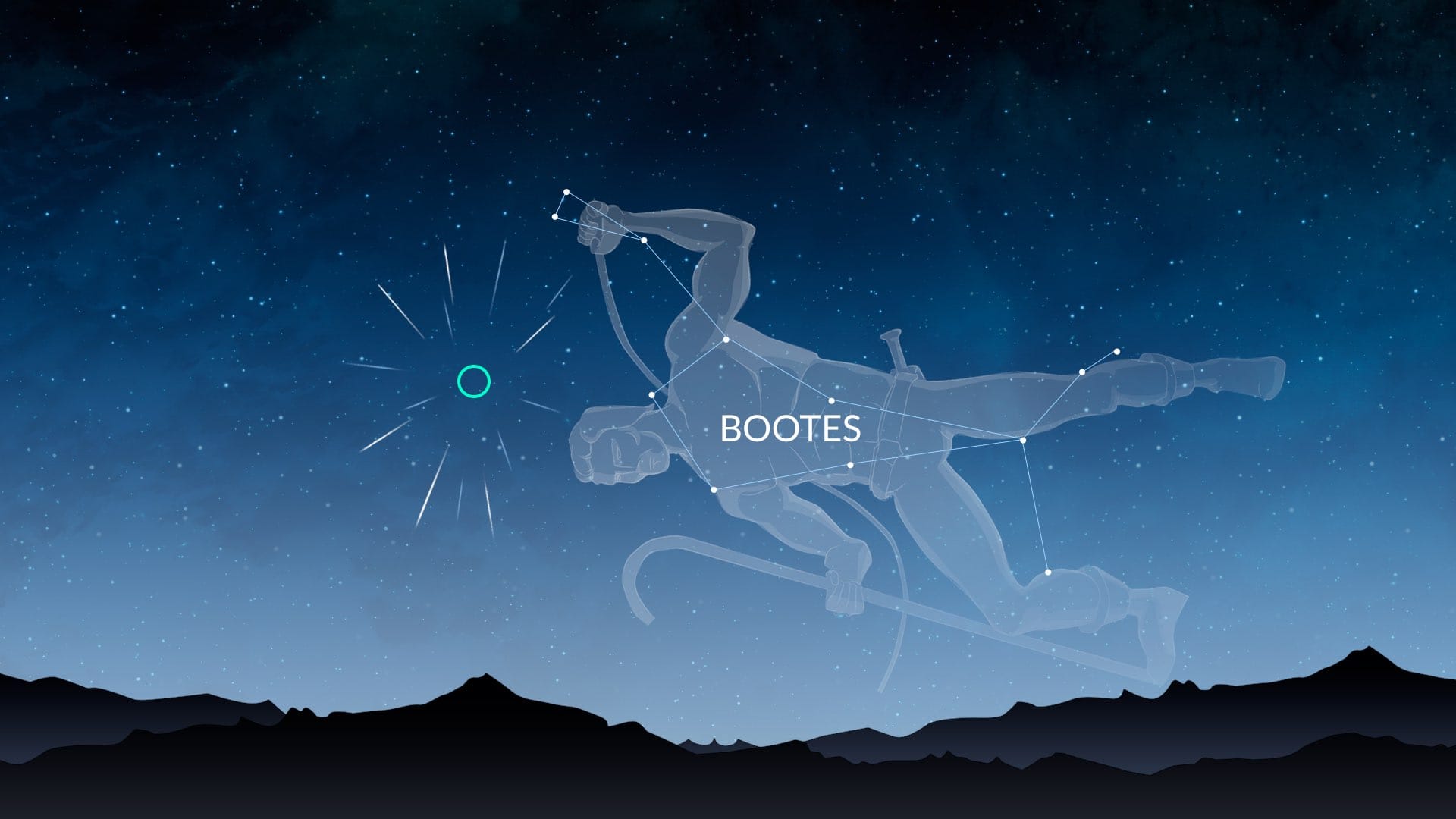
The first major meteor shower of the year is the mighty Quadrantids, which will peak on the night of January 3–4. Under suitable conditions, the Quadrantids can provide dozens of shooting stars per hour. Unfortunately, this year, observing conditions are unfavorable as the peak occurs during the Full Moon. However, you should still give this prolific meteor shower a chance! Use the Sky Tonight app to find the Quadrantids’ radiant in your location — the higher it rises above the horizon, the more meteors you’re likely to see.
Read more: How to See the Quadrantids in 2026
January 4: Moon near Pollux
On January 4, the nearly full Moon (99%-illuminated) will be close to Pollux (mag 1.2) in the sky. The distance between the objects will be 2°58'. Observe them with the naked eye or through a pair of binoculars in the constellation Gemini. Bright Jupiter (mag -2.6) will also shine nearby.
Read more: Pollux — The Brightest Star in Gemini
January 4: 24P/Schaumasse gets closest to Earth
On January 4, Comet 24P/Schaumasse will make its closest approach to Earth. Around this time, the comet is expected to shine at about magnitude 7.8, making it a target for telescopes and high-magnification binoculars under dark skies. The comet will be visible from both hemispheres, appearing higher in the sky for observers in the Northern Hemisphere. To locate Comet 24P/Schaumasse in your sky, use the Sky Tonight app.
Read more: Upcoming Comets Visible in 2026
January 5: Moon near the Beehive Cluster
On January 5, the 96%-illuminated Moon will be close to the Beehive Cluster (mag 3.1) in the sky. The distance between the objects will be 1°28'. Observe them with the naked eye or through a pair of binoculars in the constellation Cancer.
Read more: Beehive Cluster — Stars, Location, Mythology
January 6: Moon near Regulus
On January 6, the 86%-illuminated Moon will pass very close to the blue-white star Regulus (mag 1.3) in the sky. The distance between the objects will be only 0°25'. Observe them with the naked eye or through a pair of binoculars in the constellation Leo. Also, a lunar occultation of Regulus will be visible across western Russia, Mongolia, northern China, Korea, and Japan.
Read more: Regulus – The Brightest Star in Leo
January 8: 24P/Schaumasse reaches perihelion
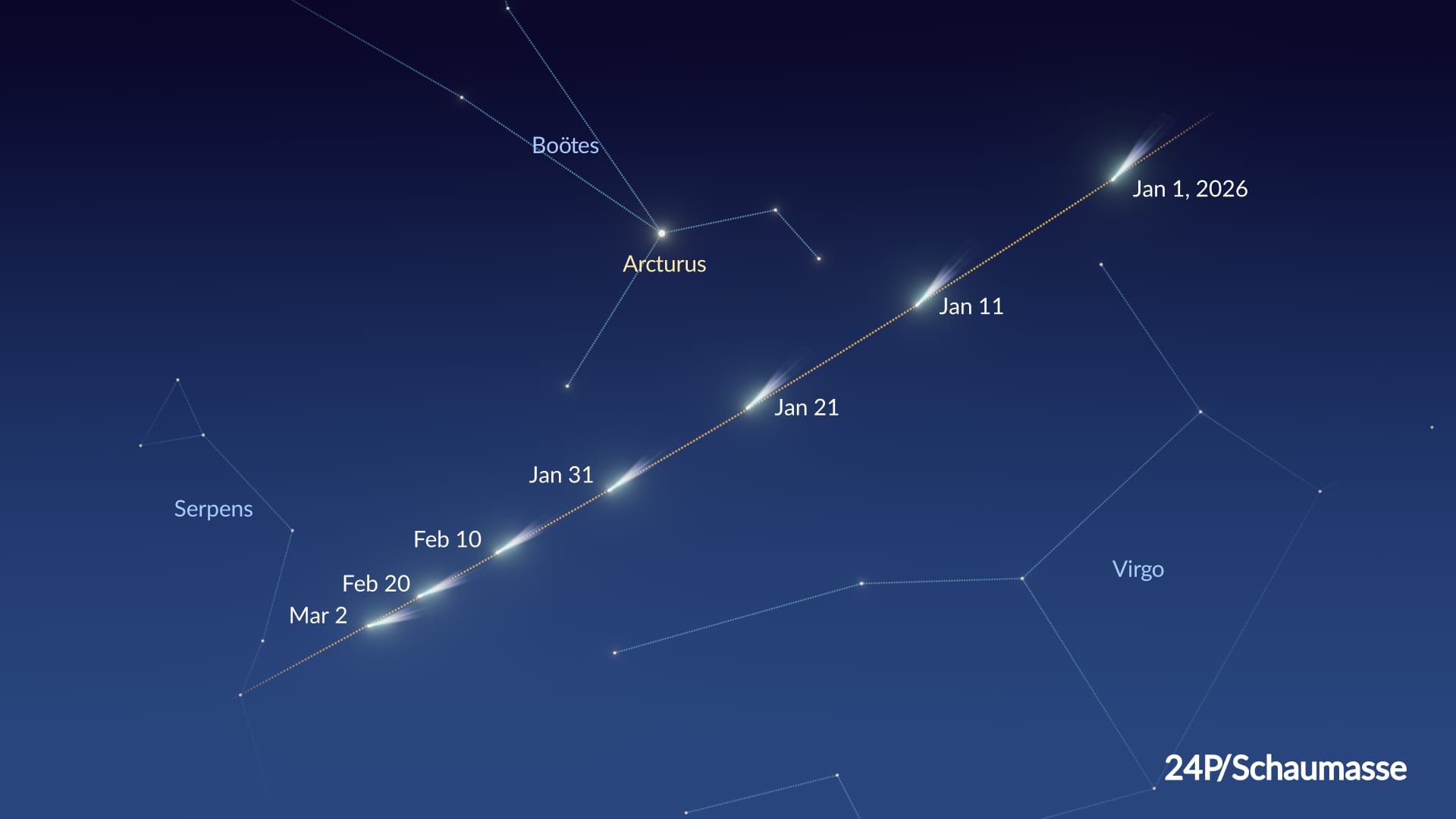
On January 8, Comet 24P/Schaumasse will reach its perihelion, the closest point to the Sun in its orbit. Around this time, the comet is expected to brighten to about magnitude 7.7, making it observable with telescopes or high-magnification binoculars under dark skies. The comet will be visible from both hemispheres, appearing higher in the sky for observers in the Northern Hemisphere. To locate Comet 24P/Schaumasse in your sky, use the Sky Tonight app.
Read more: Upcoming Comets Visible in 2026
January 10: Jupiter at opposition ⭐
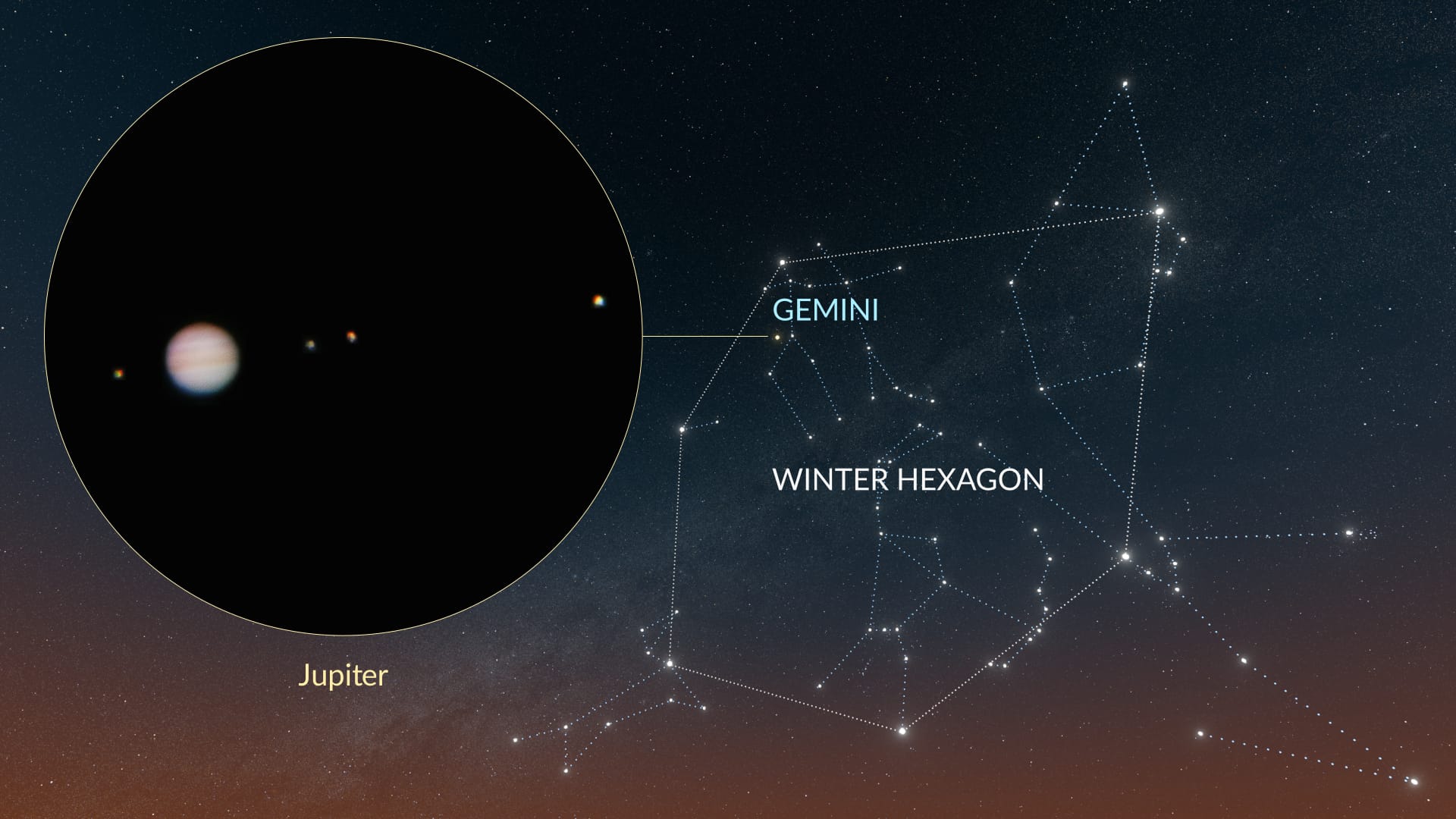
On January 10, Jupiter will be directly opposite the Sun as seen from Earth. This is the best time to observe and photograph Jupiter, as it will be at maximum brightness and visible all night. During the opposition, Jupiter will shine with a magnitude of -2.7 in the constellation Gemini. It will be easily visible to the naked eye. To quickly find Jupiter in the sky, use the Sky Tonight app.
Read more: Planetary Oppositions
January 10: Moon near Spica
On January 10, the 54%-illuminated Moon will be close to the blue-white star Spica (mag 0.9) in the sky. The distance between the objects will be 1°45'. Observe them with the naked eye or through a pair of binoculars in the constellation Virgo.
January 14: Moon near Antares ⭐
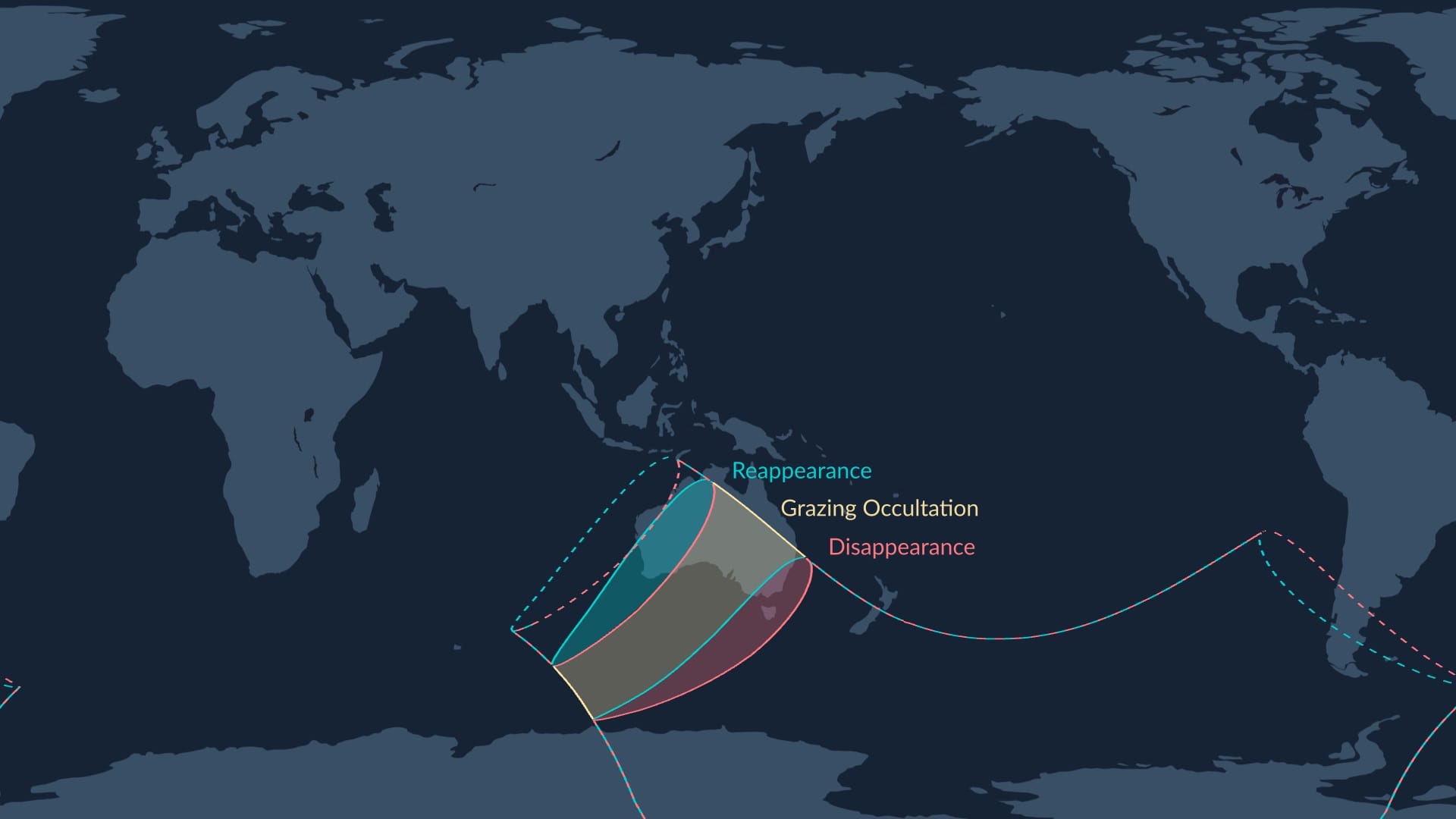
On January 14, the 14%-illuminated Moon will pass very close to the bright red star Antares (mag 1.0) in the sky. The distance between the objects will be only 0°33'. Observe them with the naked eye or through a pair of binoculars in the constellation Scorpius. Also, observers in Australia will be able to see an occultation — the Moon covering Antares in the sky! You can find the occultation visibility map in the Sky Tonight app.
Read more: Antares — The “Rival of Mars”
January 20: C/2024 E1 (Wierzchos) reaches perihelion ⭐
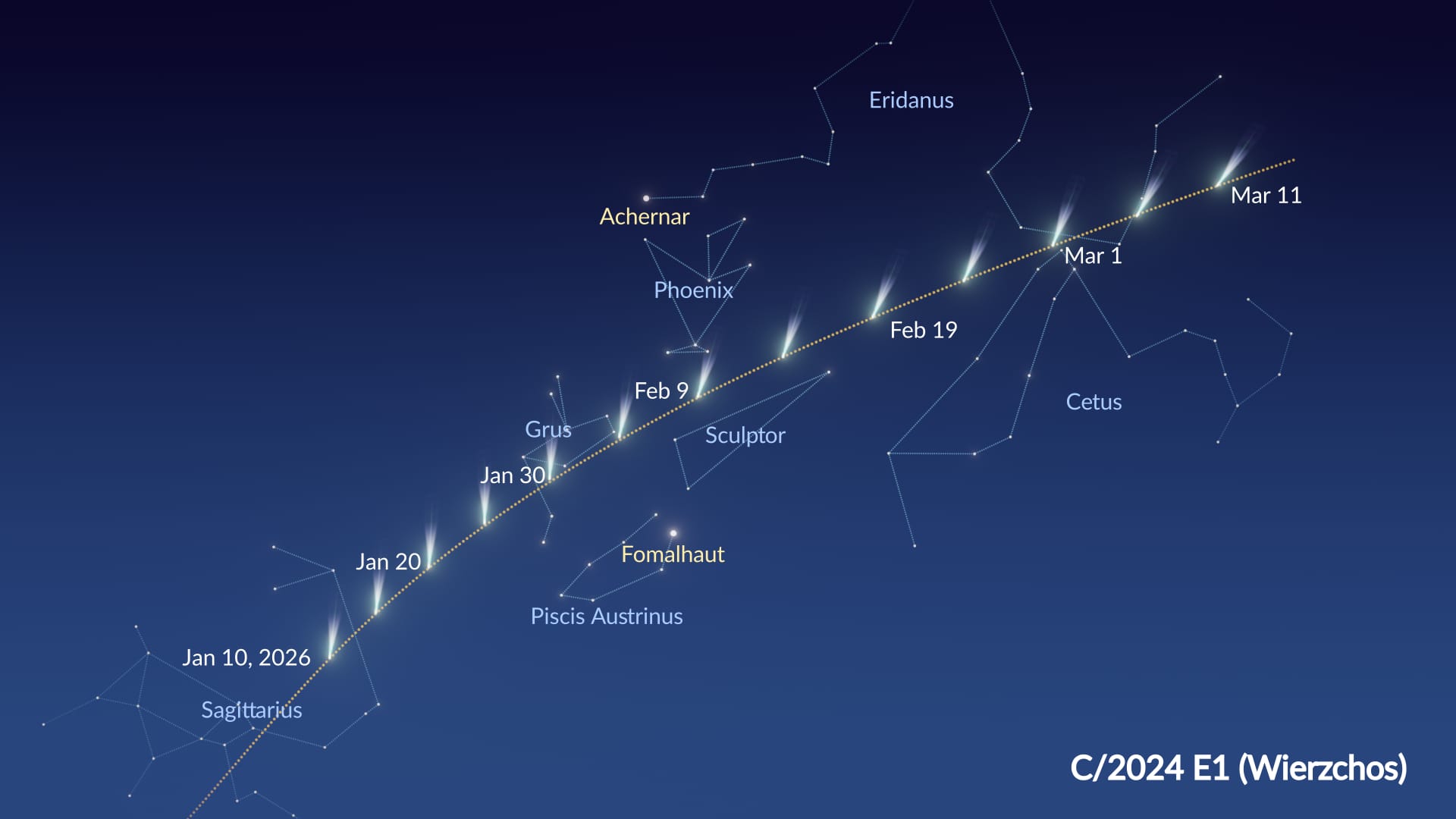
On January 20, Comet C/2024 E1 (Wierzchos) will make its closest approach to the Sun. It’s expected to become visible in binoculars in the Southern Hemisphere. In the most optimistic scenario, it may reach about magnitude 5, making it an easy target even with small binoculars. To locate Comet C/2024 E1 in your sky, use the Sky Tonight app.
Read more: Upcoming Comets Visible in 2026
January 23: Moon near Saturn
On January 23, the 20%-illuminated Moon will be close to Saturn (mag 1.0) in the sky. The distance between the objects will be 3°49'. Observe them with the naked eye or through a pair of binoculars in the constellation Pisces.
Read more: Saturn — “The Lord of the Rings”
January 23: Moon near Neptune
On January 23, the 22%-illuminated Moon will be close to Neptune (mag 7.8) in the sky. The distance between the objects will be 3°08'. Observe them through binoculars or a telescope in the constellation Pisces.
Read more: Neptune — The Farthest & Windiest Planet in the Solar System
January 27: Moon near the Pleiades
On January 27, the 69%-illuminated Moon will be close to the Pleiades star cluster (mag 1.2) in the sky. The distance between the objects will be 1°02'. You can see them with the naked eye or through a pair of binoculars in the constellation Taurus. Observers across Europe, northern Africa, the Middle East, and parts of western Asia will see a lunar occultation of the Pleiades.
Read more: Pleiades — The “Seven Sisters”
January 27: Moon near Uranus
On January 27, the 66%-illuminated Moon will be close to Uranus (mag 5.7) in the sky. The distance between the objects will be 5°16'. Observe them through binoculars or a telescope in the constellation Taurus.
Read more: Uranus — The Coldest Planet
January 28: Moon near Aldebaran
On January 28, the Moon will pass close to the red star Aldebaran (mag 0.9) in the sky. The distance between the objects will be 10°05'. They will be in the constellation Taurus and will look most striking in the early evening, dominating the twilight sky.
Read more: Aldebaran — The “Eye of the Bull”
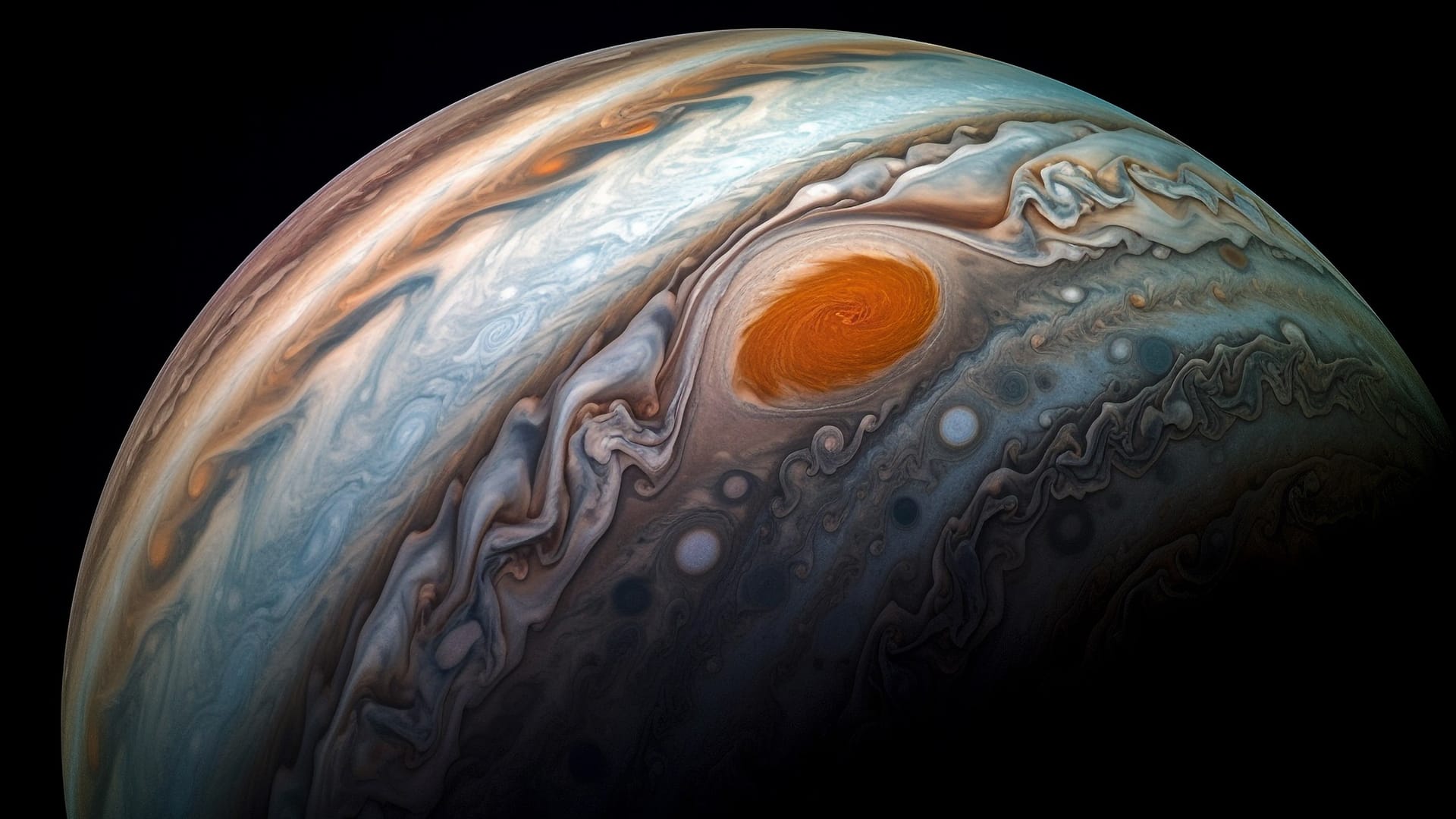
January 31: Moon near Jupiter
On January 31, the 95%-illuminated Moon will be close to Jupiter (mag -2.6) in the sky. The distance between the objects will be 3°47'. Observe them with the naked eye or through a pair of binoculars in the constellation Gemini.
Read more: Facts About Jupiter — The Biggest Planet in the Solar System
Take a quiz: How Much Do You Know About Jupiter?
January 31: Moon near Pollux
On January 31, the 97%-illuminated Moon will be close to the yellow-orange star Pollux (mag 1.1) in the sky. The distance between the objects will be 2°57'. Observe them with the naked eye or through a pair of binoculars in the constellation Gemini.
Read more: Pollux — The Brightest Star in Gemini
Astronomical events in February 2026
February 1: Full Moon
February’s Full Moon is traditionally known as the Snow Moon. At the moment of the Full Moon, our natural satellite will be in the constellation Cancer, near the famous Beehive star cluster.
Read more: Snow Moon 2026 on Feb 1
February 1: Moon near the Beehive Cluster
On February 1, the 100%-illuminated Moon will be close to the Beehive Cluster (mag 3.1) in the sky. The distance between the objects will be 1°26'. Observe them with the naked eye or through a pair of binoculars in the constellation Cancer.
Read more: Beehive Cluster — Stars, Location, Mythology
February 3: Moon near Regulus
On February 3, the 98%-illuminated Moon will pass very close to the blue-white star Regulus (mag 1.3) in the sky. The distance between the objects will be only 0°20'. Observe them with the naked eye or through a pair of binoculars in the constellation Leo. A lunar occultation of Regulus will be visible from most of the United States and Canada, Greenland, and parts of West Africa.
Read more: Regulus – The Brightest Star in Leo
February 7: Moon near Spica
On February 7, the 70%-illuminated Moon will be close to the blue-white star Spica (mag 0.9) in the sky. The distance between the objects will be 1°40'. Observe them with the naked eye or through a pair of binoculars in the constellation Virgo.
Read more: Spica – Brightest Star In Virgo
February 11: Moon near Antares
On February 11, the 35%-illuminated Moon will pass very close to the bright red star Antares (mag 1.0) in the sky. The distance between the objects will be only 0°40'. Observe them with the naked eye or through a pair of binoculars in the constellation Scorpius. In addition, a lunar occultation of Antares will be visible from Antarctica, South Georgia and the South Sandwich Islands, the eastern Falkland Islands, and Bouvet Island.
Read more: Antares — The “Rival of Mars”
February 17: Annular solar eclipse
On February 17, a spectacular annular solar eclipse will occur. Unfortunately, the “ring of fire” phase will be visible only from Antarctica. A partial eclipse will be seen from the far south of Argentina and Chile, as well as across much of southern Africa. You can find the eclipse visibility map in the Sky Tonight app.
Read more: Solar Eclipses — Why Do They Occur and How To Observe Them?
February 17: C/2024 E1 (Wierzchos) gets closest to Earth ⭐
On February 17, Comet C/2024 E1 (Wierzchos) will make its closest approach to Earth. Around this date, the comet will become visible to observers in the Northern Hemisphere. It will have a magnitude of about 8 and will appear very low above the southwestern horizon about an hour after sunset. Use powerful binoculars or a small telescope for observation. To find Comet C/2024 E1 in your sky, use the Sky Tonight app.
Read more: Upcoming Comets Visible in 2026
February 18: Moon near Mercury
On February 18, the 2%-illuminated Moon will pass very close to Mercury (mag -0.5) in the constellation Aquarius. The distance between the objects will be only 0°06'. Mercury will be visible to the naked eye, and the Moon’s extremely thin crescent may also be spotted without optical aid if the sky is dark and clear. In Mexico, the Contiguous United States, eastern Australia, and New Zealand, an occultation will occur — the Moon will pass in front of Mercury.
Read more: Mercury — The Smallest Planet In The Solar System
February 19: Mercury at greatest eastern elongation
On February 19, Mercury will reach its maximum angular separation from the Sun (18°07'), making this the best time to observe the planet. Mercury will shine at a magnitude of -0.6 in the evening sky. You can see it with the naked eye in the constellation Aquarius.
Read more: What Is Elongation in Astronomy
February 19: Moon near Saturn
On February 19, the 6%-illuminated Moon will be close to Saturn (mag 1.0) in the sky. The distance between the objects will be 4°04'. Observe them with the naked eye or through a pair of binoculars in the constellation Pisces.
Read more: Saturn — “The Lord of the Rings”
February 19: Moon near Neptune
On February 19, the 6%-illuminated Moon will be close to Neptune (mag 7.8) in the sky. The distance between the objects will be 3°15'. Observe them through binoculars or a telescope in the constellation Pisces.
Read more: Neptune — The Farthest & Windiest Planet in the Solar System
February 23: Moon near Uranus
On February 23, the 43%-illuminated Moon will be close to Uranus (mag 5.7) in the sky. The distance between the objects will be 5°21'. Observe them through binoculars or a telescope in the constellation Taurus.
Read more: Uranus — The Coldest Planet
February 24: Moon near the Pleiades
On February 24, the 45%-illuminated Moon will be close to the Pleiades star cluster (mag 1.2) in the sky. The distance between the objects will be 1°07'. Observe them with the naked eye or through a pair of binoculars in the constellation Taurus.
Read more: Pleiades — The “Seven Sisters”
February 27: Moon near Jupiter
On February 27, the 80%-illuminated Moon will be close to Jupiter (mag -2.4) in the sky. The distance between the objects will be 3°54'. Observe them with the naked eye or through a pair of binoculars in the constellation Gemini.
Read more: Facts About Jupiter — The Biggest Planet in the Solar System
February 27: Moon near Pollux
On February 27, the 84%-illuminated Moon will be close to the yellow-orange star Pollux (mag 1.1) in the sky. The distance between the objects will be 2°54'. Observe them with the naked eye or through a pair of binoculars in the constellation Gemini.
Read more: Pollux — The Brightest Star in Gemini
February 28: Moon near the Beehive Cluster
On February 28, the 92%-illuminated Moon will be close to the Beehive Cluster (mag 3.1) in the sky. The distance between the objects will be 1°27'. Observe them with the naked eye or through a pair of binoculars in the constellation Cancer.
Read more: Beehive Cluster — Stars, Location, Mythology
February 28: Six-planet alignment ⭐
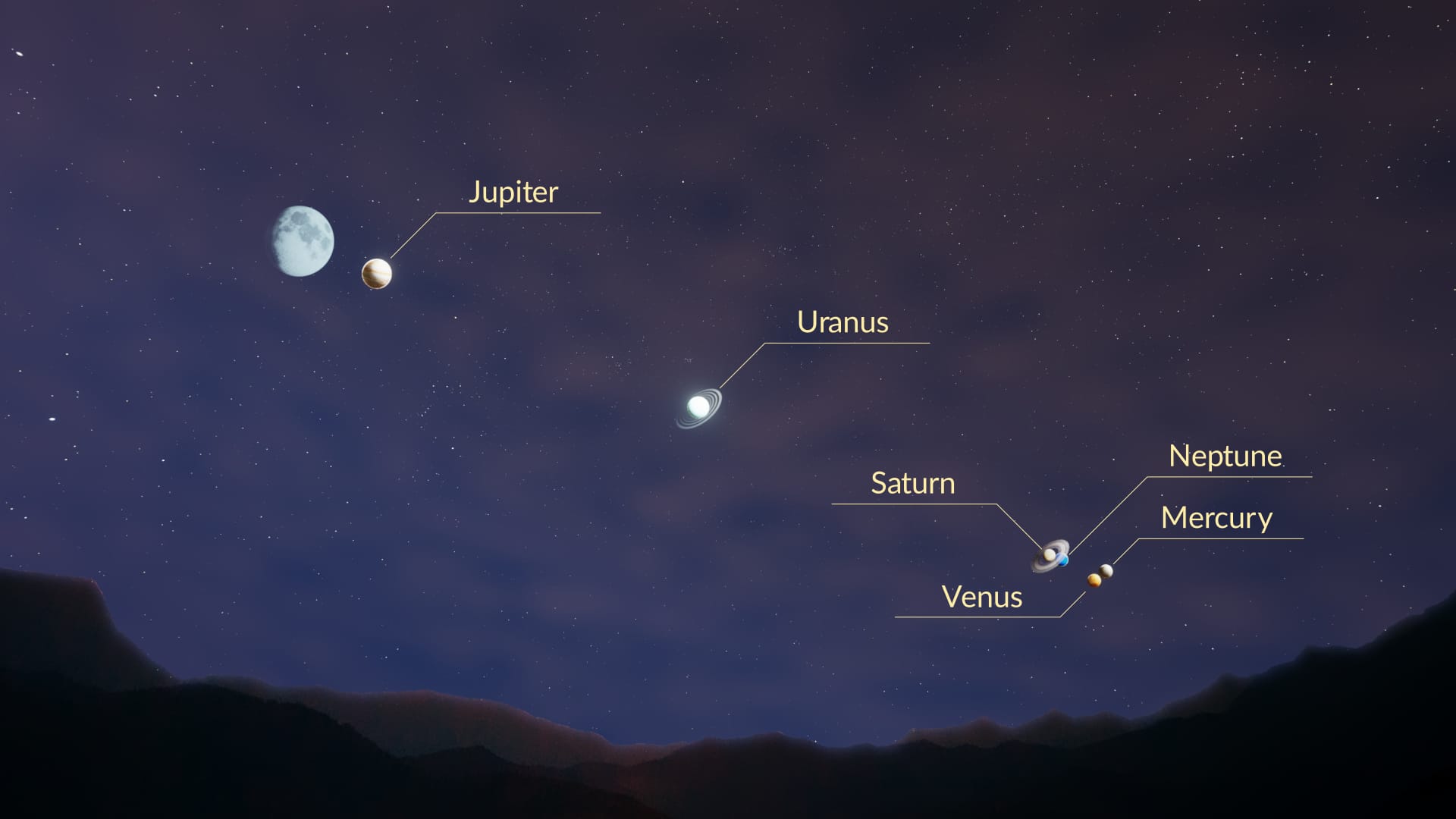
Around February 28, six planets — Jupiter, Uranus, Saturn, Neptune, Venus, and Mercury — will line up in a rare planetary alignment. You can see the planets about an hour after sunset on the western horizon. Jupiter, Saturn, Venus, and Mercury will be bright enough to spot with the naked eye, while binoculars or a small telescope can help you find Uranus and Neptune. To easily find all the planets in your sky, use the Star Walk 2 app — it has a “Planet Walk” feature created specifically for observing “planet parades”.
Read more: Planetary Alignments Explained
Astronomical events in March 2026
March 2: Moon near Regulus
On March 2, the 99%-illuminated Moon will pass very close to the blue-white star Regulus (mag 1.3) in the sky. The distance between the objects will be only 0°20'. Observe them with the naked eye or through a pair of binoculars in the constellation Leo. A lunar occultation of Regulus will also be visible from eastern Russia, Mongolia, northern China, the Korean Peninsula, and Japan.
Read more: Regulus – The Brightest Star in Leo
March 3: Full Moon
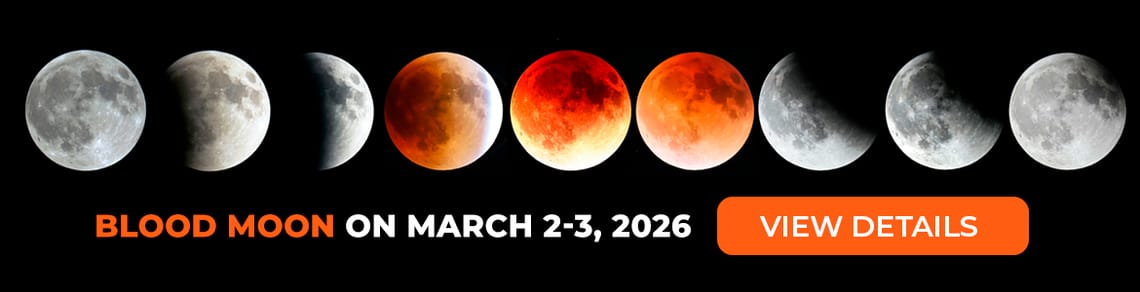
The March Full Moon is traditionally called the Worm Moon. This year, it coincides with a total lunar eclipse, so it can be nicknamed the “Blood Worm Moon”. At the moment of full phase, the Moon will lie in the constellation Leo.
Read more: Worm Moon in March 2026
March 3: Total lunar eclipse ⭐
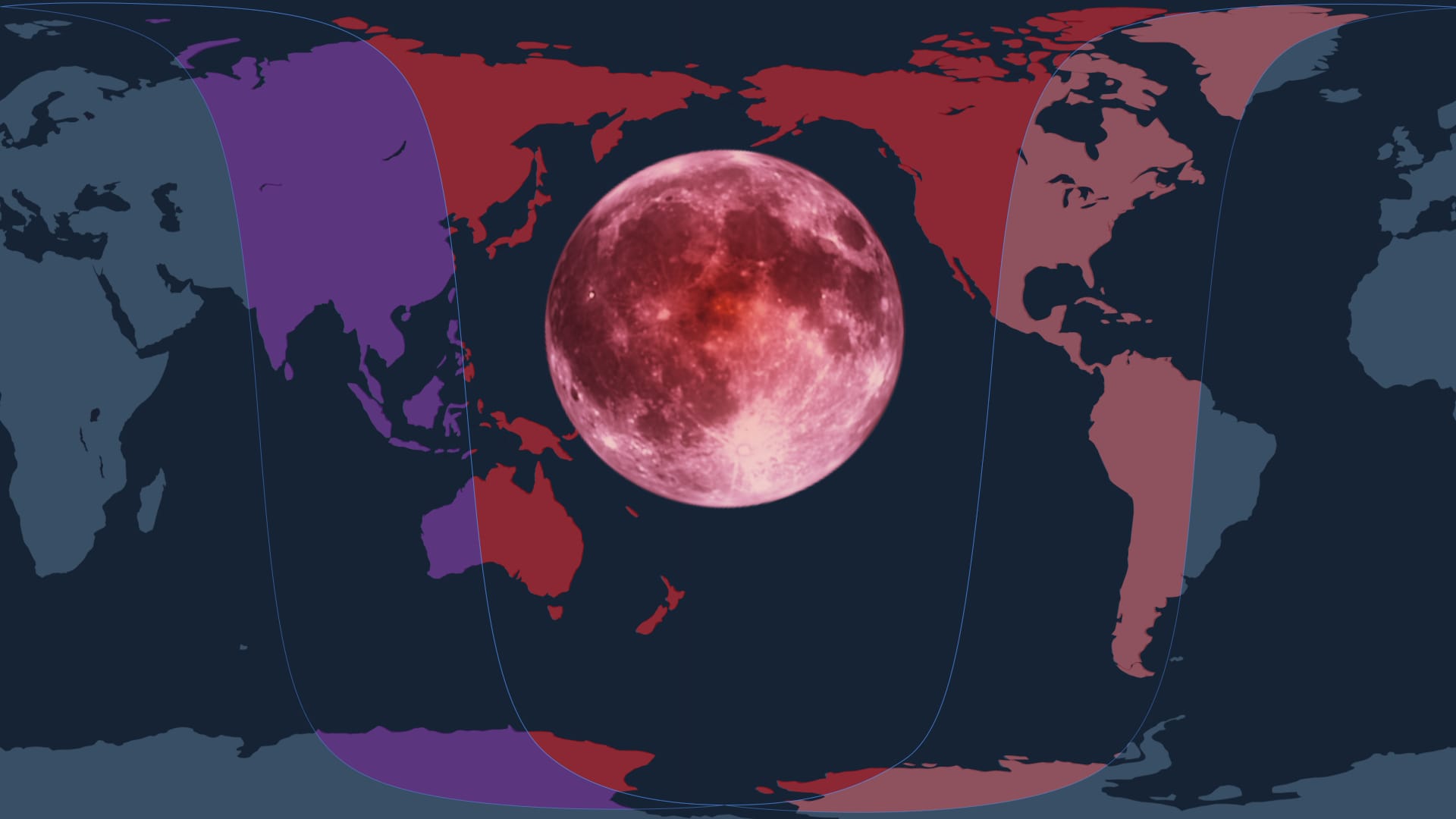
On March 3, the Moon will turn red in the sky during a total lunar eclipse. The eclipse will be visible from parts of Europe, Asia, Australia, North America, South America, the Arctic, and Antarctica. You don’t need any special equipment to watch this event, though binoculars can make the view even better. You can find the eclipse visibility map in the Sky Tonight app.
Read more: Total lunar eclipse (Blood Moon) March 2–3, 2026 — map & times
Read more: Lunar Eclipses — Everything You Need to Know
March 6: Moon near Spica
On March 6, the 89%-illuminated Moon will be close to the blue-white star Spica (mag 0.9) in the sky. The distance between the objects will be 1°41'. Observe them with the naked eye or through a pair of binoculars in the constellation Virgo.
Read more: Spica – Brightest Star In Virgo
March 8: Venus near Saturn ⭐
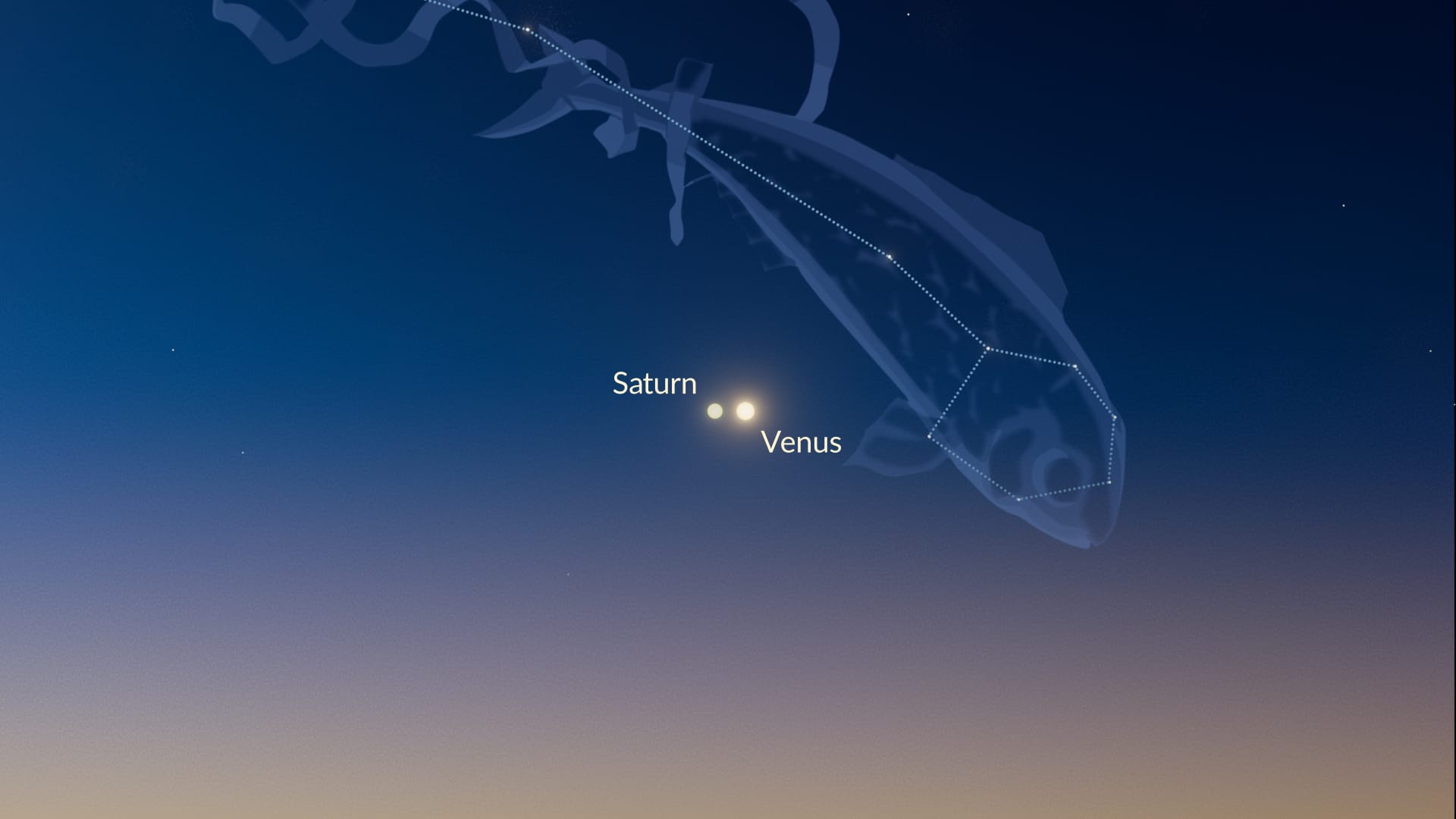
On the evening of March 8, brilliant Venus (mag -3.9) will pass close to Saturn (mag 1.0) in the constellation Pisces. To see them, look low above the western horizon about an hour after sunset. Both planets are visible to the naked eye; to find them in your sky, use the Sky Tonight app.
Read more: Astronomical Conjunctions of Planets in 2026
March 10: Moon near Antares
On March 10, the 58%-illuminated Moon will pass very close to the bright red star Antares (mag 1.0) in the sky. The distance between the objects will be 0°41'. Observe them with the naked eye or through a pair of binoculars in the constellation Scorpius. In addition, a lunar occultation of Antares will be visible from Antarctica, Madagascar, French Southern Territories, and Mauritius.
Read more: Antares — The “Rival of Mars”
March 15: Mars near Mercury
On March 15, reddish Mars (mag 1.1) will be close to the elusive planet Mercury (mag 2.0) in the sky. The distance between the two planets will be 3°21'. Observe them with the naked eye or through a pair of binoculars in the constellation Aquarius.
Read more: Astronomical Conjunctions of Planets in 2026
March 17: Moon near Mercury
On March 17, the 2%-illuminated Moon will be close to Mercury (mag 1.6) in the constellation Aquarius. The distance between the objects will be 1°45'. Mercury will be visible to the naked eye, and the Moon’s thin crescent may also be spotted without optical aid if the sky is dark and clear.
Read more: Mercury — The Smallest Planet In The Solar System
March 17: Moon near Mars
On March 17, the 2%-illuminated Moon will be close to reddish Mars (mag 1.1) in the constellation Aquarius. The distance between the objects will be 1°21'. Mars will be visible to the naked eye, and with a dark sky, the Moon’s thin crescent may also be seen without optical aid.
Read more: Mars — Explore the Red Planet
March 18: 88P/Howell reaches perihelion

On March 18, Comet 88P/Howell will reach its perihelion, the closest point to the Sun in its orbit. Around this time, the comet is expected to reach a brightness of about magnitude 10, making it observable through telescopes under dark skies. The comet will be best visible from the Southern Hemisphere, appearing low above the eastern horizon before sunrise. To find Comet 88P/Howell in your sky, use the Sky Tonight app.
Read more: Upcoming Comets Visible in 2026
March 18: Moon near Mars and Mercury ⭐
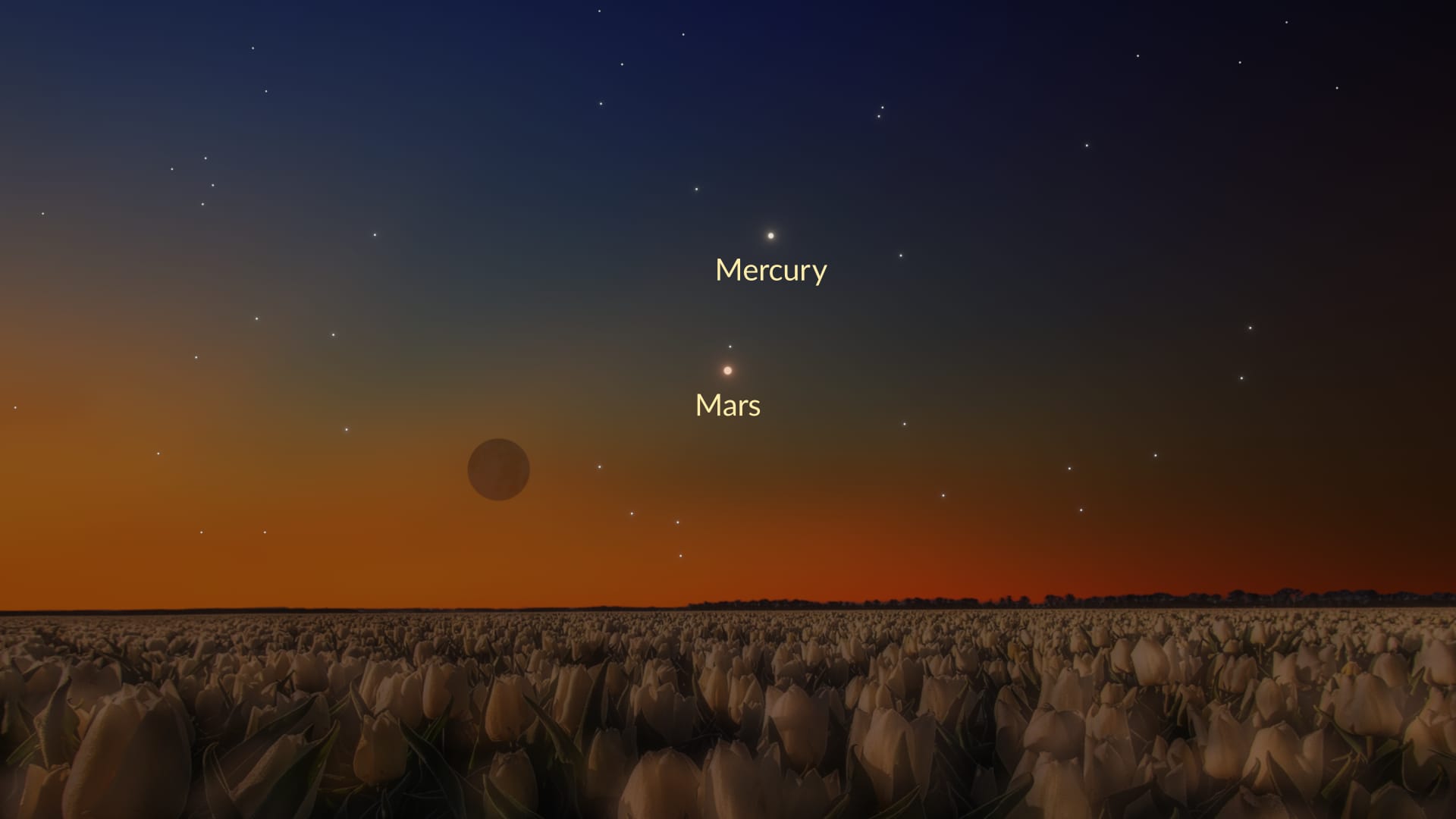
On the morning of March 18, the 2%-illuminated Moon will get close to Mercury (mag 1.6) and Mars (mag 1.1) in the constellation Aquarius. Both planets will be visible to the naked eye, and the Moon’s very thin crescent may also be seen without optical aid under a dark, clear sky. Look low above the eastern horizon to catch this celestial trio — the view will be best from near-equatorial locations and the Southern Hemisphere, where the planets sit higher above the horizon in twilight. Use the Sky Tonight app to quickly locate the Moon and planets in the sky.
March 20: Moon near Venus
On March 20, the 2%-illuminated Moon will be close to Venus (mag -3.9) in the constellation Pisces. The distance between the objects will be 4°07'. Dazzling Venus will be easily visible to the naked eye, and the Moon’s thin crescent may also be seen without binoculars if the sky is dark and clear.
Read more: Venus — The Earth’s “Evil Sister”
March 20: March equinox
On March 20, an equinox will occur, marking the start of astronomical spring in the Northern Hemisphere and autumn in the Southern Hemisphere. It will also bring nearly equal day and night worldwide.
Read more: Vernal Equinox: What Day Is Spring in 2026?
March 23: Moon near Uranus
On March 23, the 22%-illuminated Moon will be close to Uranus (mag 5.8) in the sky. The distance between the objects will be 5°19'. Observe them through binoculars or a telescope in the constellation Taurus.
Read more: Uranus — The Coldest Planet
March 23: Moon near the Pleiades
On March 23, the 23%-illuminated Moon will be close to the Pleiades star cluster (mag 1.2) in the sky. The distance between the objects will be 1°04'. Observe them with the naked eye or through a pair of binoculars in the constellation Taurus.
Read more: Pleiades — The “Seven Sisters”
March 26: Moon near Jupiter
On March 26, the 58%-illuminated Moon will be close to Jupiter (mag -2.2) in the sky. The distance between the objects will be 3°49'. Observe them with the naked eye or through a pair of binoculars in the constellation Gemini.
Read more: Facts About Jupiter — The Biggest Planet in the Solar System
March 27: Moon near Pollux
On March 27, the 64%-illuminated Moon will be close to the yellow-orange star Pollux (mag 1.1) in the sky. The distance between the objects will be 2°58'. Observe them with the naked eye or through a pair of binoculars in the constellation Gemini.
Read more: Pollux — The Brightest Star in Gemini
March 28: Moon near the Beehive Cluster
On March 28, the 75%-illuminated Moon will be close to the Beehive Cluster (mag 3.1) in the sky. The distance between the objects will be 1°25'. Observe them with the naked eye or through a pair of binoculars in the constellation Cancer.
Read more: Beehive Cluster — Stars, Location, Mythology
March 29: Moon near Regulus
On March 29, the 89%-illuminated Moon will pass very close to the blue-white star Regulus (mag 1.3) in the sky. The distance between the objects will be only 0°18'. Observe them with the naked eye or through a pair of binoculars in the constellation Leo. Also, a lunar occultation of Regulus will be visible from parts of Asia, Africa, Europe, and western Russia.
Read more: Regulus – The Brightest Star in Leo
Astronomical events in April 2026
April 2: Full Moon
April’s Full Moon is traditionally known as the Pink Moon. This Full Moon is special because it determines the date of Easter in 2026. At the moment of the Full Moon, our natural satellite will be in the constellation Virgo.
Read more: Pink Moon in April 2026
April 3: Moon near Spica
On April 3, the 99%-illuminated Moon will be close to the blue-white star Spica (mag 0.9) in the sky. The distance between the objects will be 1°38'. Observe them with the naked eye or through a pair of binoculars in the constellation Virgo.
Read more: Spica – Brightest Star In Virgo
April 3: Mercury at greatest western elongation — best visibility of the year
On April 3, Mercury will reach its maximum angular separation from the Sun of the year — 27°49'. Don’t miss your best chance to observe the planet! Mercury will have a magnitude of 0.3 and will be positioned in the constellation Aquarius. You can see it with the naked eye, low in the morning sky.
Read more: What Is Elongation in Astronomy
April 6: Moon near Antares
On April 6, the 80%-illuminated Moon will pass very close to the bright red star Antares (mag 1.0) in the sky. The distance between the objects will be only 0°35'. Observe them with the naked eye or through a pair of binoculars in the constellation Scorpius. Also, a lunar occultation of Antares will be visible in Antarctica, Madagascar, French Southern Territories, and Mauritius.
Read more: Antares — The “Rival of Mars”
April 15: Moon near Mercury
On April 15, the 5%-illuminated Moon will be close to Mercury (mag 0.0) in the constellation Pisces. The distance between the two objects will be 4°33'; both of them will be visible to the naked eye.
Read more: Mercury — The Smallest Planet In The Solar System
April 15: Moon near Neptune
On April 15, the 4%-illuminated Moon will be close to Neptune (mag 7.8) in the sky. The distance between the objects will be 3°26'. Observe them through binoculars or a telescope in the constellation Pisces.
Read more: Neptune — The Farthest & Windiest Planet in the Solar System
April 15: Moon near Mars
On April 15, the 3%-illuminated Moon will be close to reddish Mars (mag 1.2) in the constellation Pisces. The distance between the objects will be 3°16'. Mars will be visible to the naked eye, while the Moon’s thin crescent may be hard to spot in the bright twilight sky.
Read more: Mars — Explore the Red Planet
April 16: Moon near Saturn
On April 16, the 3%-illuminated Moon will be close to Saturn (mag 0.9) in the sky. The distance between the objects will be 4°38'. The Moon will be in Pisces, while Saturn will be in Cetus. You can observe them with the naked eye or through a pair of binoculars.
Read more: Saturn — “The Lord of the Rings”
April 18: Four-planet alignment ⭐

Around April 18, Saturn, Mars, Mercury, and Neptune will gather in a small patch of sky spanning only about 4°. This alignment will be challenging to observe because the planets sit very close to the Sun. Your best chance is to look low above the eastern horizon roughly an hour before sunrise. Observers in the Southern Hemisphere will have the advantage, as the planets rise a bit higher while the sky is still darker.
Saturn, Mars, and Mercury should be visible to the naked eye. Neptune is usually visible with a small telescope, but in bright twilight it will likely be too faint to pick out, even with optics. To easily find all the planets in your sky, use the Star Walk 2 app — its “Planet Walk” feature is designed specifically for tracking planet parades.
April 19: Moon near Venus
On April 19, the 5%-illuminated Moon will be close to Venus (mag -3.9). The Moon will be in the constellation Aries, while Venus will be positioned on the border between Aries and Taurus. The distance between the objects will be 4°35'. You can observe them with the naked eye or through a pair of binoculars.
Read more: Venus — The Earth’s “Evil Sister”
April 19: Moon near the Pleiades
On April 19, the 7%-illuminated Moon will be close to the Pleiades star cluster (mag 1.2) in the sky. The distance between the objects will be 0°58'. Observe them with the naked eye or through a pair of binoculars in the constellation Taurus.
Read more: Pleiades — The “Seven Sisters”
April 19: Moon near Uranus
On April 19, the 7%-illuminated Moon will be close to Uranus (mag 5.8) in the sky. The distance between the objects will be 5°12'. Observe them through binoculars or a telescope in the constellation Taurus.
Read more: Uranus — The Coldest Planet
April 19–20: Mars near Saturn
On April 19 and 20, Mars (mag 1.2) will appear close to Saturn (mag 0.9) in the sky. The two planets will be located in the constellation Cetus, near the border with Pisces. Another planet, Mercury (mag -0.2), will also be shining near Saturn. Observers in the Southern Hemisphere will have a good chance to spot this planetary trio before sunrise.
Read more: Astronomical Conjunctions of Planets in 2026
April 20: Mercury near Saturn
On April 20, Mercury (mag -0.1) will be close to Saturn (mag 0.9) in the sky. The distance between the two planets will be just 0°27'. Observe them with the naked eye or through a pair of binoculars in the constellation Cetus.
Read more: Astronomical Conjunctions of Planets in 2026
April 20: Mercury near Mars
On April 20, Mercury (mag -0.1) will be close to Mars (mag 1.2) in the sky. The distance between the two planets will be 1°39'. Observe them with the naked eye or through a pair of binoculars in the constellation Cetus.
Read more: Astronomical Conjunctions of Planets in 2026
April 22: Lyrids’ peak ⭐
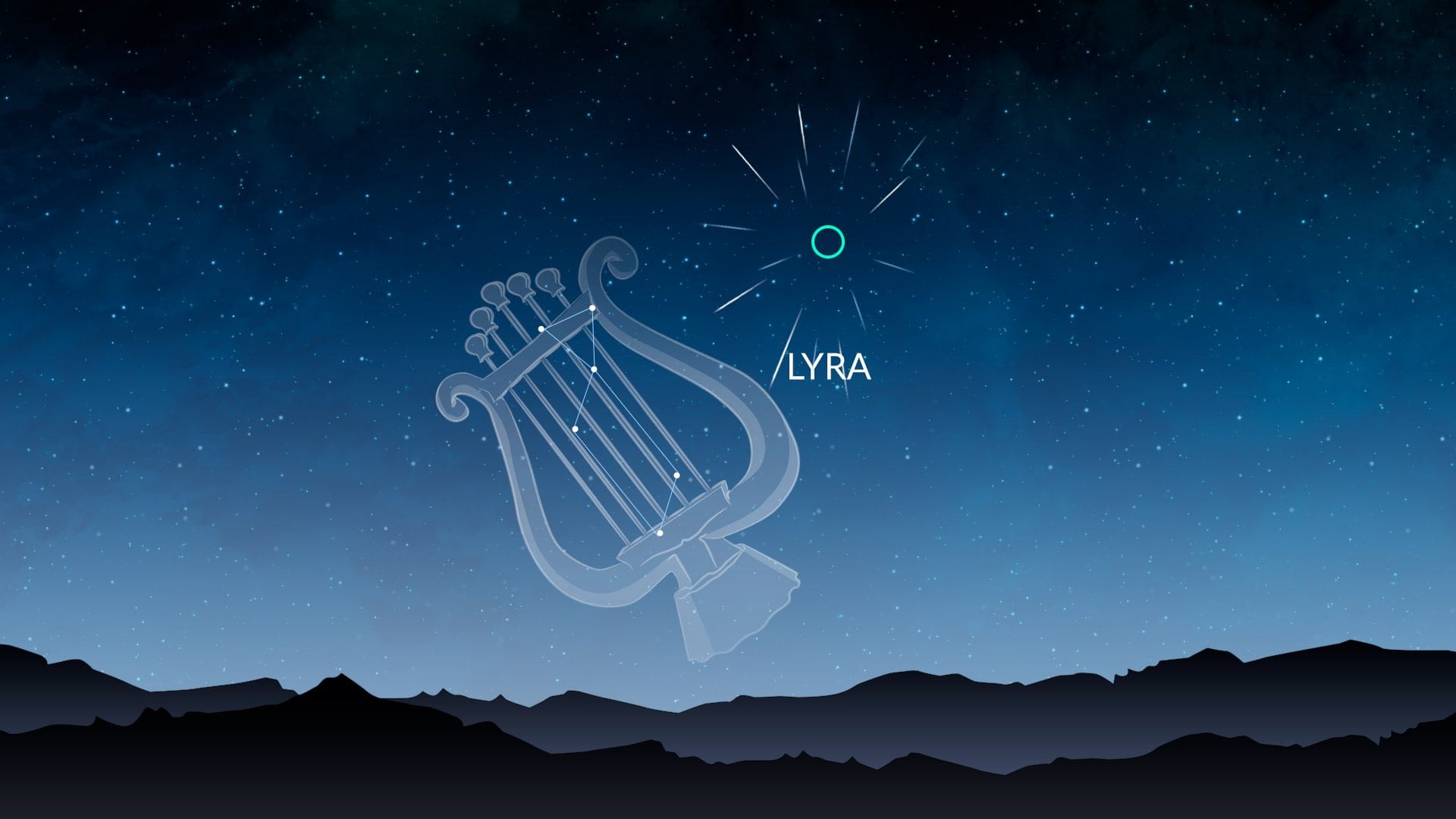
- Meteors per hour: Up to 18
- Moon illumination: 38%
- Best visible from: Northern Hemisphere
On April 22, the Lyrid meteor shower will reach its maximum activity. In 2026, observing conditions for the Lyrids will be fine: the waxing crescent Moon won’t be too much of a problem. It’s better to start observing the Lyrids after about 22:30 local time in mid-northern latitudes and after midnight in mid-southern locations. Use the Sky Tonight app to find the Lyrids’ radiant in your location — the higher it rises above the horizon, the more meteors you’re likely to see.
Read more: Lyrids 2026: April’s Best Meteor Shower
April 22: Moon near Jupiter
On April 22, the 37%-illuminated Moon will be close to Jupiter (mag -2.0) in the sky. The distance between the objects will be 3°29'. Observe them with the naked eye or through a pair of binoculars in the constellation Gemini.
Read more: Facts About Jupiter — The Biggest Planet in the Solar System
April 23: Moon near Pollux
On April 23, the 41%-illuminated Moon will be close to the yellow-orange star Pollux (mag 1.1) in the sky. The distance between the objects will be 3°08'. Observe them with the naked eye or through a pair of binoculars in the constellation Gemini.
Read more: Pollux — The Brightest Star in Gemini
April 24: Venus near the Pleiades
On April 24, Venus (mag -3.9) will pass close to the Pleiades star cluster (mag 1.2) in the constellation Taurus. The distance between the two objects will be 3°29'. Dazzling Venus will be easy to spot with the naked eye, while seeing the Pleiades without binoculars will require dark, clear skies.
Read more: Pleiades — The “Seven Sisters”
April 24: Moon near the Beehive Cluster
On April 24, the 53%-illuminated Moon will be close to the Beehive Cluster (mag 3.1) in the sky. The distance between the objects will be 1°14'. Observe them with the naked eye or through a pair of binoculars in the constellation Cancer.
Read more: Beehive Cluster — Stars, Location, Mythology
April 25: C/2025 R3 reaches maximum brightness ⭐
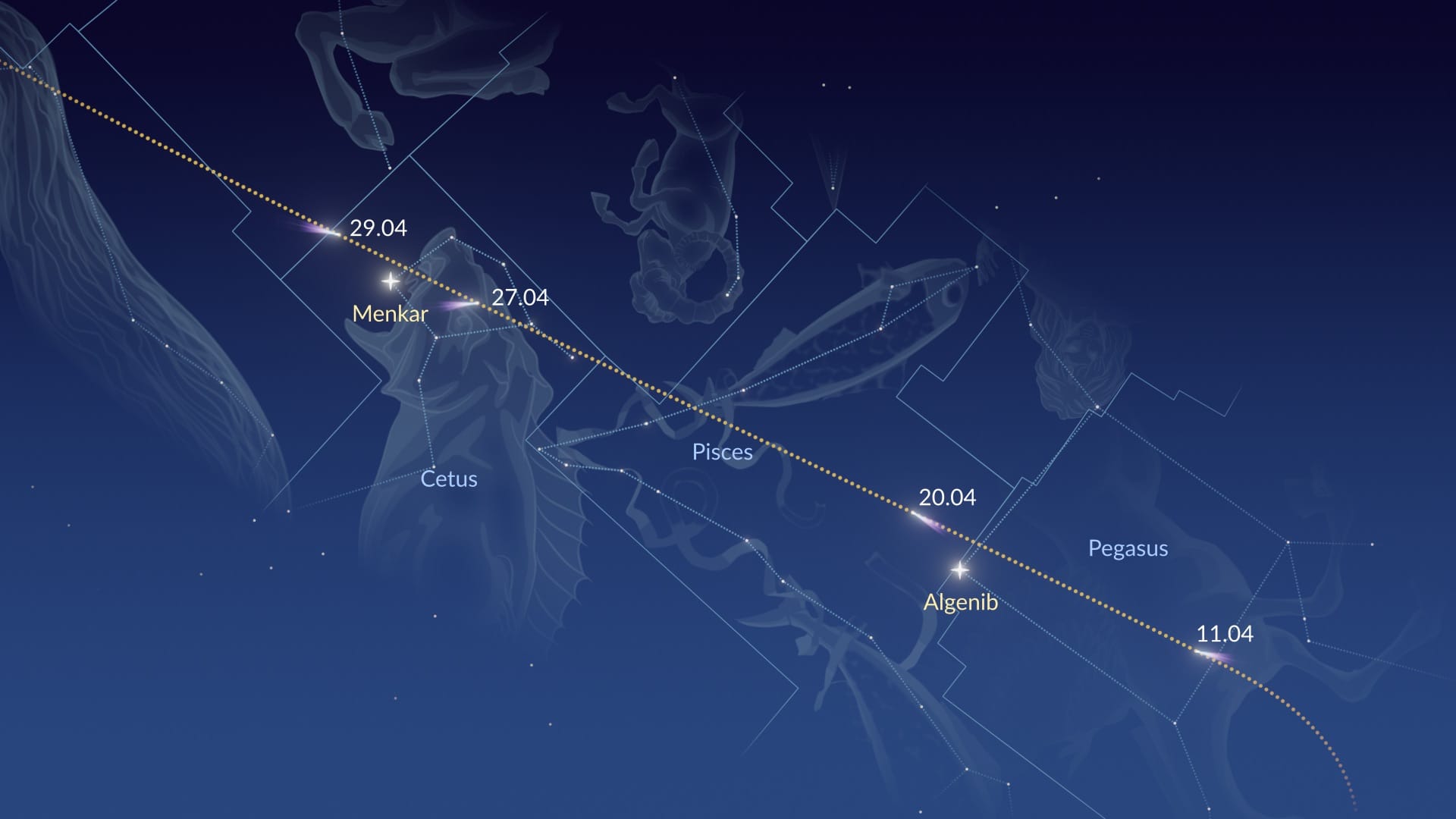
Around April 25, Comet C/2025 R3 (PANSTARRS) will reach its peak brightness, estimated at approximately magnitude 7.7. This means it will be visible through binoculars. According to some forecasts, it might even brighten up to magnitude 3.7 and become visible to the naked eye! Visibility conditions will depend on your location: Northern Hemisphere observers may catch it in the morning sky in late April, while those in the Southern Hemisphere could see it in the evening sky in early May. Use the Sky Tonight app to track the comet in your location.
Read more: Upcoming Comets Visible in 2026
April 26: Moon near Regulus
On April 26, the 70%-illuminated Moon will pass very close to the blue-white star Regulus (mag 1.3) in the sky. The distance between the objects will be only 0°20'. Observe them with the naked eye or through a pair of binoculars in the constellation Leo. A lunar occultation of Regulus will be visible in Brazil, the Contiguous United States, Colombia, and Venezuela.
Read more: Regulus – The Brightest Star in Leo
April 30: Moon near Spica
On April 30, the 98%-illuminated Moon will be close to the blue-white star Spica (mag 0.9) in the sky. The distance between the objects will be 1°38'. Observe them with the naked eye or through a pair of binoculars in the constellation Virgo.
Read more: Spica – Brightest Star In Virgo
Astronomical events in May 2026
May 1: Full Moon (Micromoon)
May’s Full Moon is traditionally known as the Flower Moon. In 2026, it will be the first of two Full Moons in May. It will also be a Micromoon — the opposite of a Supermoon. At the moment of the Full Moon, our natural satellite will be in the constellation Libra.
Read more: Flower Moon in May 2026
May 4: Moon near Antares
On May 4, the 94%-illuminated Moon will pass very close to the bright red star Antares (mag 1.0) in the sky. The distance between the objects will be only 0°26'. Observe them with the naked eye or through a pair of binoculars in the constellation Scorpius. Also, a lunar occultation of Antares will be visible in Antarctica, Argentina, Chile, and Bolivia.
Read more: Antares — The “Rival of Mars”
May 5–6: Eta Aquariids’ peak ⭐
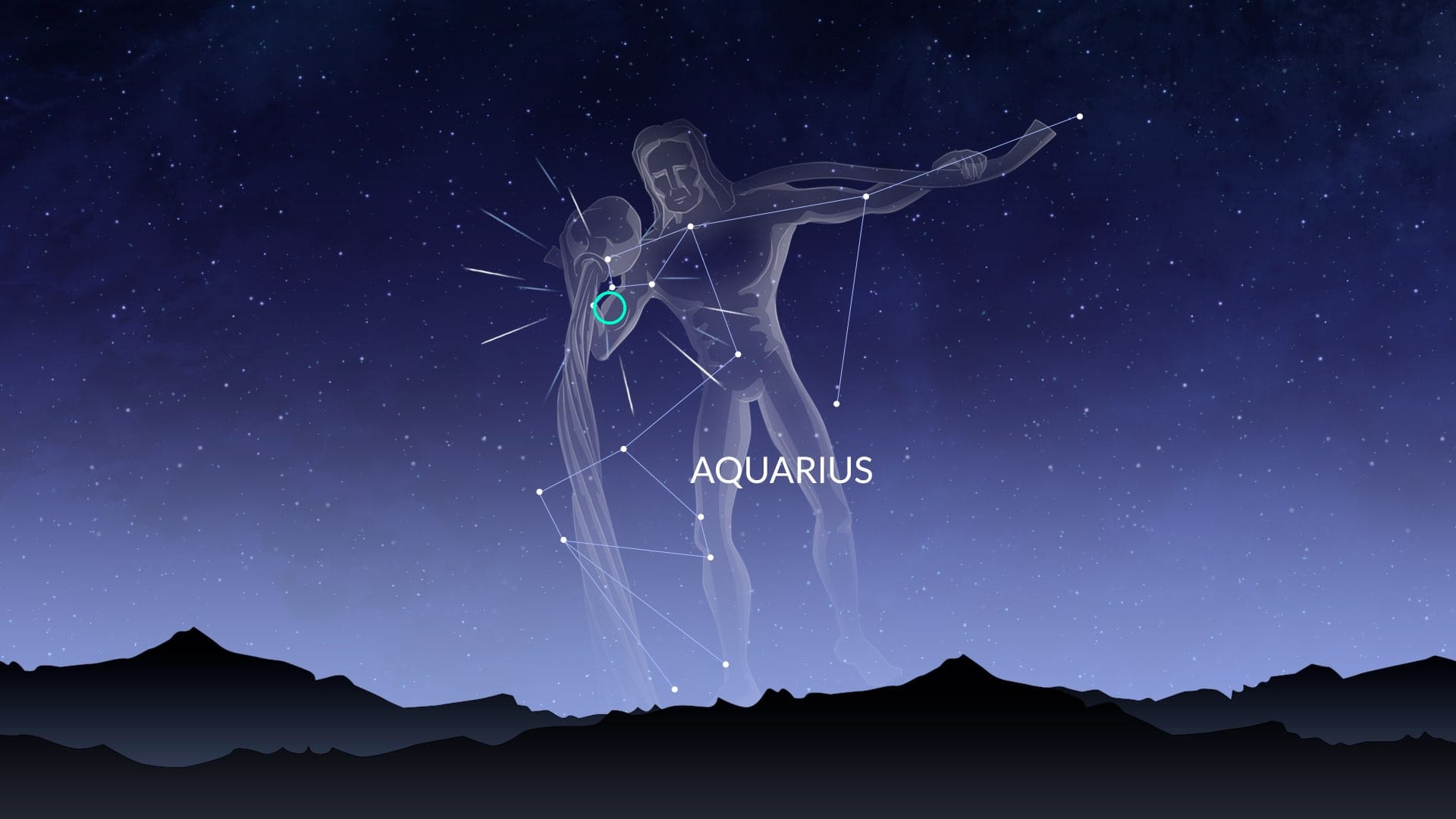
- Meteors per hour: Up to 50
- Moon illumination: 82%
- Best visible from: Southern Hemisphere
The Eta Aquariid meteor shower peaks on the night of May 5–6. Under dark skies, observers in the Southern Hemisphere can see up to 50 meteors per hour, while those north of the equator may spot around 10–30 shooting stars per hour. In 2026, however, viewing conditions will be challenging: the shower peaks just five days after the Full Moon, so bright moonlight will wash out many faint meteors. Use the Sky Tonight app to find the Eta Aquariids’ radiant in your location — the higher it rises above the horizon, the more meteors you’re likely to see.
Read more: Eta Aquariids 2026: When and How to See Them
May 13: Moon near Neptune
On May 13, the 17%-illuminated Moon will be close to Neptune (mag 7.8) in the sky. The distance between the objects will be 3°40'. Observe them through binoculars or a telescope in the constellation Pisces.
Read more: Neptune — The Farthest & Windiest Planet in the Solar System
May 13: Moon near Saturn
On May 13, the 13%-illuminated Moon will be close to Saturn (mag 0.9) in the sky. The distance between the objects will be 5°03'. The Moon will be in Pisces, while Saturn will be in Cetus. You can observe them with the naked eye or through a pair of binoculars.
Read more: Saturn — “The Lord of the Rings”
May 14: Moon near Mars
On May 14, the 5%-illuminated Moon will be close to reddish Mars (mag 1.3) in the constellation Pisces. The distance between the objects will be 4°41'. Mars will be visible to the naked eye, and with a dark sky, the Moon’s thin crescent may also be seen without optical aid.
Read more: Mars — Explore the Red Planet
May 19: Moon near Venus
On May 19, the 8%-illuminated Moon will be close to Venus (mag -3.9) in the constellation Taurus. The distance between the objects will be 2°56'. Both dazzling Venus and the Moon’s thin crescent will be visible to the naked eye.
Read more: Venus — The Earth’s “Evil Sister”
May 20: Moon near Jupiter
On May 20, the 20%-illuminated Moon will be close to Jupiter (mag -1.9) in the sky. The distance between the objects will be 3°00'. Observe them with the naked eye or through a pair of binoculars in the constellation Gemini.
Read more: Facts About Jupiter — The Biggest Planet in the Solar System
May 20: Moon near Pollux
On May 20, the 20%-illuminated Moon will be close to the yellow-orange star Pollux (mag 1.1) in the sky. The distance between the objects will be 3°21'. Observe them with the naked eye or through a pair of binoculars in the constellation Gemini.
Read more: Pollux — The Brightest Star in Gemini
May 21: Moon near the Beehive Cluster
On May 21, the 30%-illuminated Moon will be close to the Beehive Cluster (mag 3.1) in the sky. The distance between the objects will be 1°00'. Observe them with the naked eye or through a pair of binoculars in the constellation Cancer.
Read more: Beehive Cluster — Stars, Location, Mythology
May 23: Moon near Regulus
On May 23, the 48%-illuminated Moon will pass very close to the blue-white star Regulus (mag 1.3) in the sky. The distance between the objects will be only 0°20'. Observe them with the naked eye or through a pair of binoculars in the constellation Leo. A lunar occultation of Regulus will be visible from parts of Oceania.
Read more: Regulus – The Brightest Star in Leo
May 27: Moon near Spica
On May 27, the 87%-illuminated Moon will be close to the blue-white star Spica (mag 0.9) in the sky. The distance between the objects will be 1°45'. Observe them with the naked eye or through a pair of binoculars in the constellation Virgo.
Read more: Spica – Brightest Star In Virgo
May 31: Moon near Antares
On May 31, the 100%-illuminated Moon will pass very close to the bright red star Antares (mag 1.0) in the sky. The distance between the objects will be only 0°23'. Observe them with the naked eye or through a pair of binoculars in the constellation Scorpius. In addition, a lunar occultation of Antares will be visible from Argentina, eastern Australia, Chile, and New Zealand.
Read more: Antares — The “Rival of Mars”
May 31: Full Moon (Blue Moon, Micromoon) ⭐
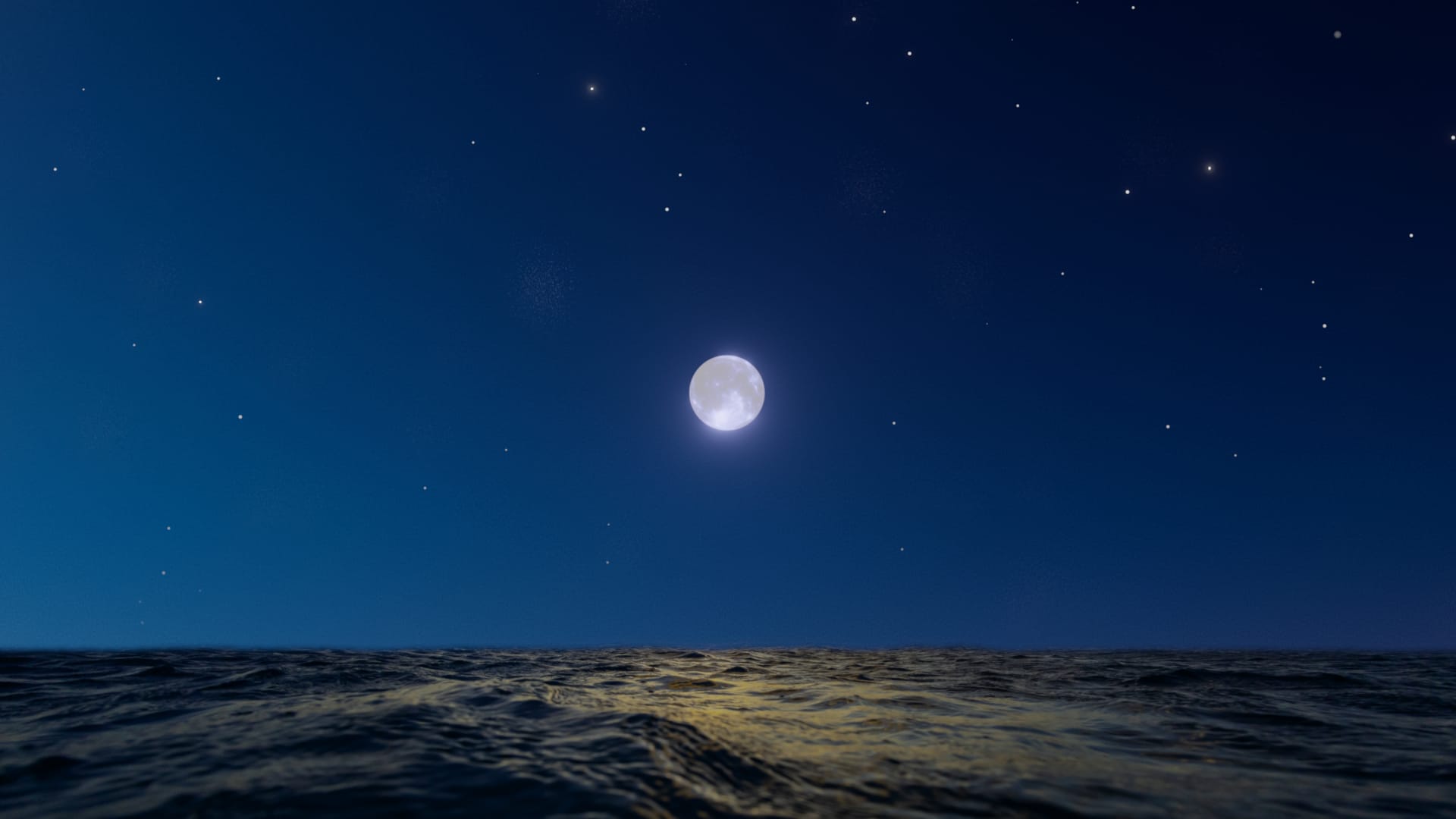
The second Full Moon in May 2026 — called a Blue Moon — will occur on May 31. This Full Moon also falls near the Moon’s apogee (farthest point from Earth), making it the year’s smallest Micromoon. At the moment of the Full Moon, our natural satellite will be in the constellation Scorpius. Use the Sky Tonight app to find out the moonrise time for your location, so you don’t miss the Full Moon's dramatic appearance above the horizon.
Read more: Blue Moon in May 2026
Astronomical events in June 2026
June 7: Venus near Pollux
On June 7, Venus (mag -4.0) will pass close to the star Pollux (mag 1.1) in the constellation Gemini. The distance between the two objects will be 4°40'. Both Venus and Pollux will be visible to the naked eye.
Read more: Venus — The Earth’s “Evil Sister”
June 9: Venus near Jupiter ⭐
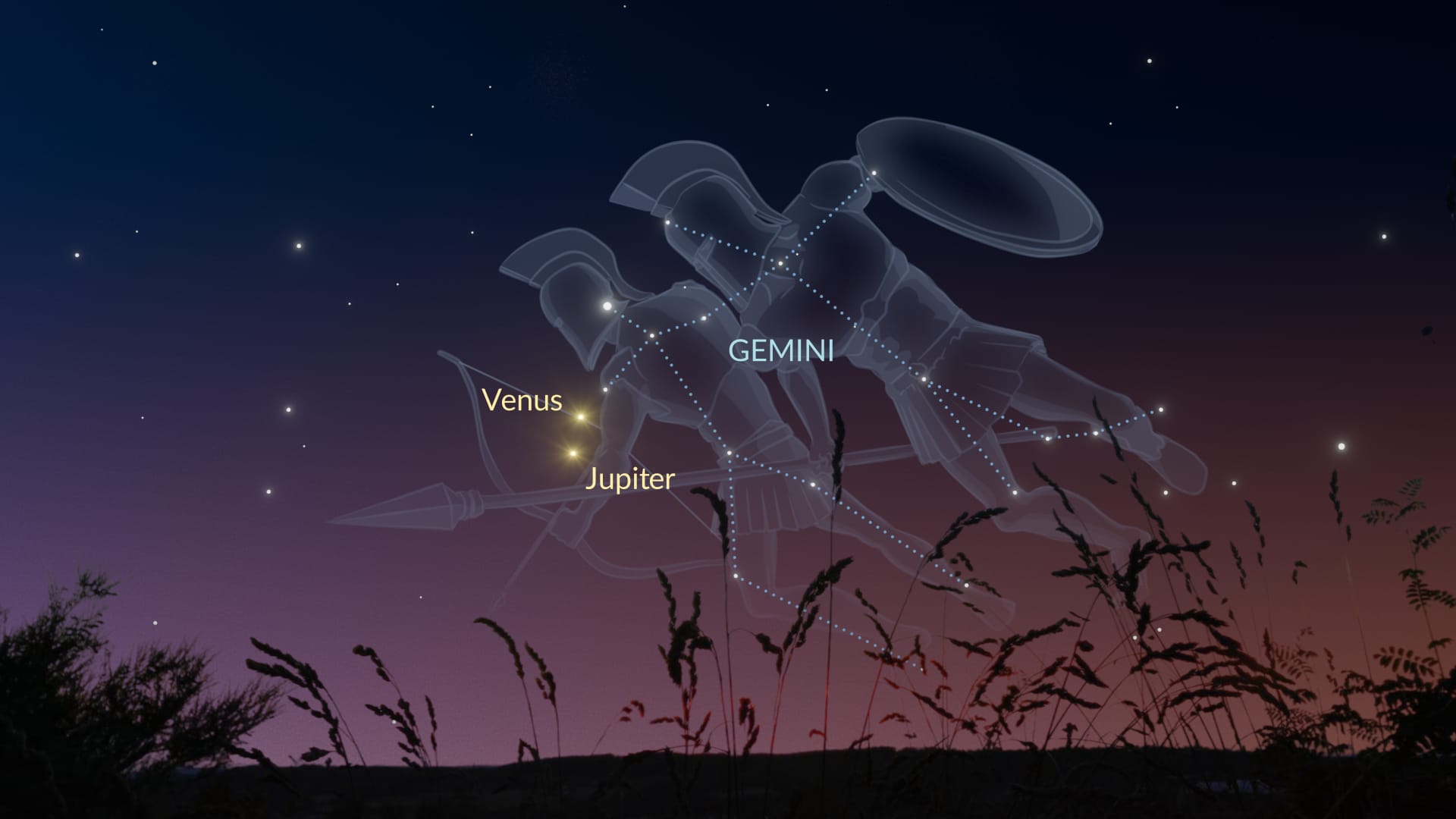
On June 9, Venus and Jupiter — the two brightest planets in the sky — will appear very close together. They’ll come within just 1°30′ of each other in the constellation Gemini. Look for the pair in the evening sky after sunset — both planets will be easy to spot with the naked eye. Venus will blaze at mag -4.0, while Jupiter will shine at mag -1.9. Use the Sky Tonight app to quickly find both planets in your sky.
Read more: Astronomical Conjunctions of Planets in 2026
June 9: Moon near Neptune
On June 9, the 37%-illuminated Moon will be close to Neptune (mag 7.8) in the sky. The distance between the objects will be 3°57'. Observe them through binoculars or a telescope in the constellation Pisces.
Read more: Neptune — The Farthest & Windiest Planet in the Solar System
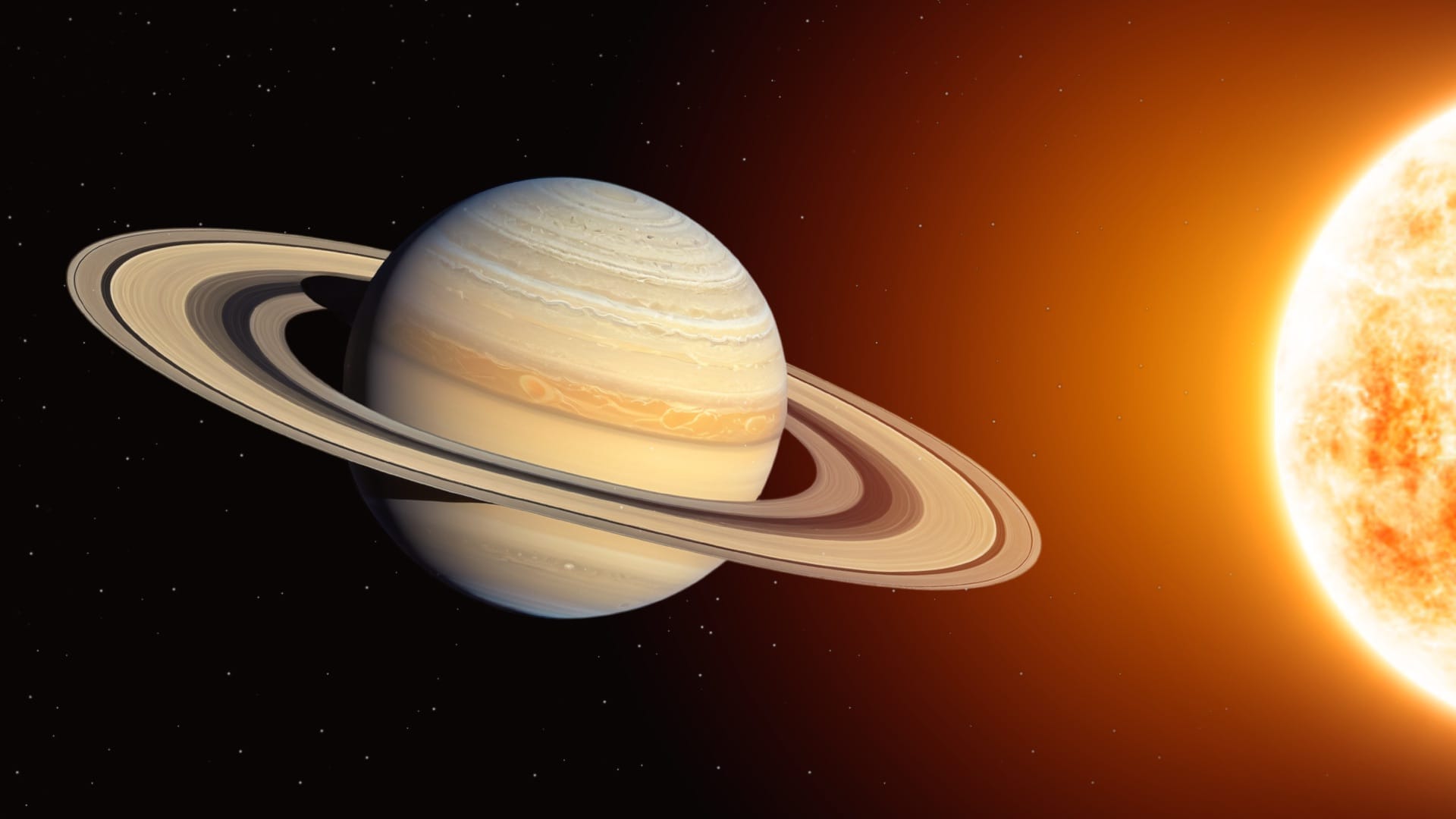
June 10: Moon near Saturn
On June 10, the 30%-illuminated Moon will be close to Saturn (mag 0.8) in the sky. The distance between the objects will be 5°32'. Observe them with the naked eye or through a pair of binoculars in the constellation Pisces.
Read more: Saturn — “The Lord of the Rings”
Take a quiz: How Much Do You Know About Saturn?
June 12: Moon near Mars
On June 12, the 8%-illuminated Moon will be close to reddish Mars (mag 1.3) in the constellation Aries. The distance between the objects will be 5°23'. Mars will be visible to the naked eye, and with a dark sky, the Moon’s thin crescent may also be seen without optical aid.
Read more: Mars — Explore the Red Planet
June 12: Three-planet alignment ⭐
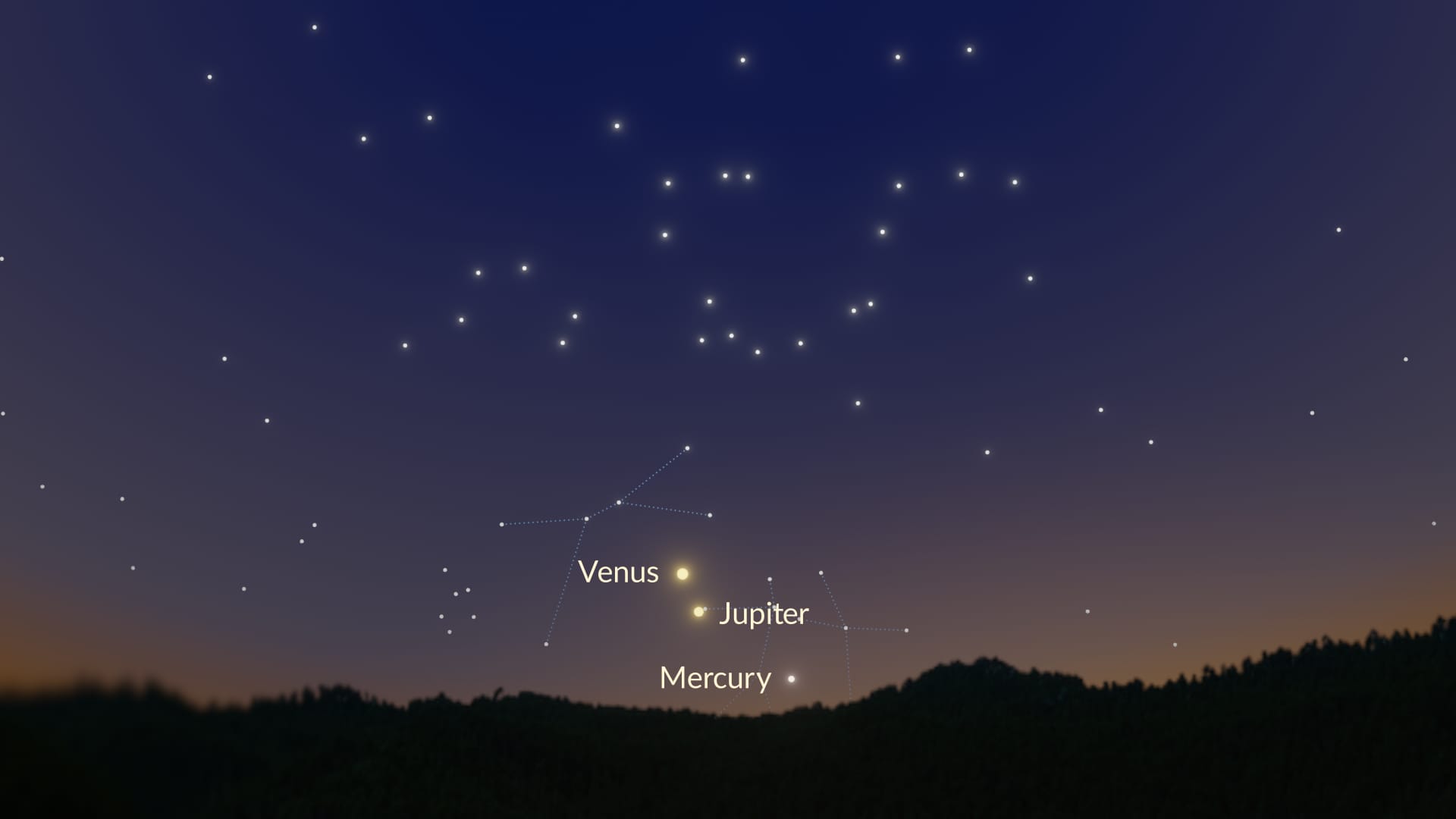
Around June 12, a mini three-planet alignment will brighten the evening sky. About an hour after sunset, look above the western horizon to spot Mercury, Jupiter, and Venus lined up in a neat diagonal. All three planets will be easy to see with the naked eye, gathered within about a 10° sky sector. Starting around June 16, a very thin crescent Moon will also join the lineup, making the view even more picturesque. To easily find all the planets in your sky, use the Star Walk 2 app — its “Planet Walk” feature is designed specifically for tracking planet parades.
June 13: Moon near the Pleiades
On June 13, the 4%-illuminated Moon will be close to the Pleiades star cluster (mag 1.2) in the sky. The distance between the objects will be 0°56'. Observe them with the naked eye or through a pair of binoculars in the constellation Taurus. The Moon’s very thin crescent may be hard to spot in bright twilight or when very low above the horizon.
Read more: Pleiades — The “Seven Sisters”
June 13: Moon near Uranus
On June 13, the 3%-illuminated Moon will be close to Uranus (mag 5.8) in the sky. The distance between the objects will be 5°11'. Observe them through binoculars or a telescope in the constellation Taurus. The Moon’s very thin crescent may be hard to spot in bright twilight or when very low above the horizon.
Read more: Uranus — The Coldest Planet
June 15: Mercury at greatest eastern elongation
On June 15, Mercury will reach its maximum angular separation from the Sun (24°31'), making this the best time to observe the planet. Mercury will shine at a magnitude of 0.4 in the evening sky. You can see it with the naked eye in the constellation Gemini.
Read more: What Is Elongation in Astronomy
June 16: Moon near Mercury
On June 16, the 4%-illuminated Moon will be close to Mercury (mag 0.6) in the constellation Gemini. The distance between the two objects will be 2°32'. Mercury will be visible to the naked eye, while the Moon’s very thin crescent may be hard to spot in bright twilight.
Read more: Mercury — The Smallest Planet In The Solar System
June 17: Moon near Pollux
On June 17, the 6%-illuminated Moon will be close to the yellow-orange star Pollux (mag 1.1) in the sky. The distance between the objects will be 3°31'. Observe them with the naked eye or through a pair of binoculars in the constellation Gemini. The Moon’s very thin crescent may be hard to spot in bright twilight or when very low above the horizon.
Read more: Pollux — The Brightest Star in Gemini
June 17: Moon near Jupiter
On June 17, the 7%-illuminated Moon will be close to Jupiter (mag -1.8) in the sky. The distance between the objects will be 2°27'. Observe them with the naked eye or through a pair of binoculars in the constellation Gemini. Keep in mind that the Moon’s thin crescent may be hard to spot in bright twilight or when very low above the horizon.
Read more: Facts About Jupiter — The Biggest Planet in the Solar System
June 17: Moon near Venus ⭐
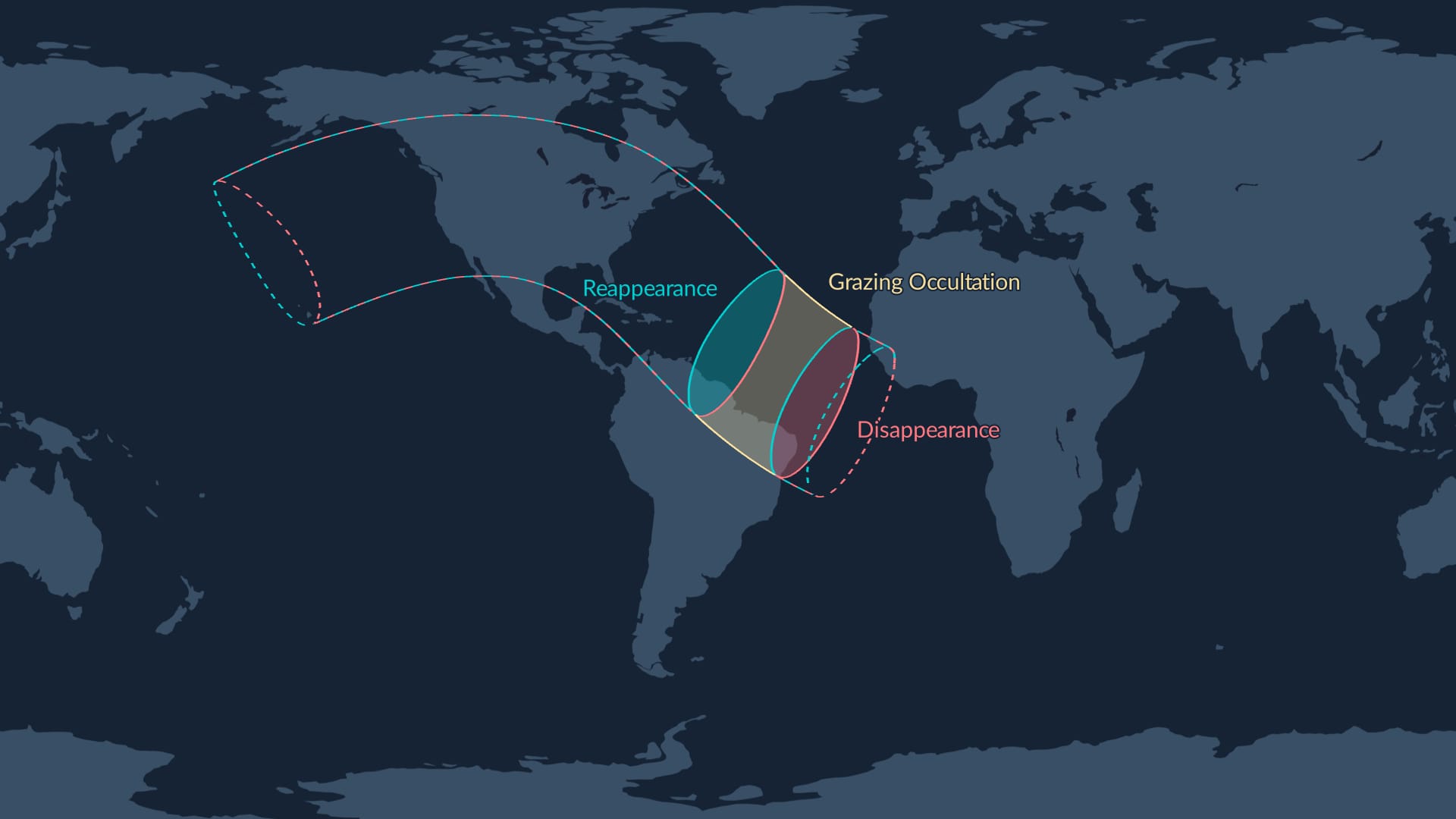
On June 17, the 11%-illuminated Moon will pass very close to Venus (mag -4.0) in the constellation Cancer. Both dazzling Venus and the Moon’s thin crescent will be visible to the naked eye. Also, a lunar occultation will occur — the Moon will cover Venus for observers in the contiguous United States, Canada, Brazil, and Venezuela. The occultation will happen during daytime but may still be observable, as both objects are bright enough! Use the Sky Tonight app to quickly find the Moon and Venus in the daytime sky.
Read more: Venus — The Earth’s “Evil Sister”
June 18: Moon near the Beehive Cluster
On June 18, the 12%-illuminated Moon will be close to the Beehive Cluster (mag 3.1) in the sky. The distance between the objects will be 0°48'. Observe them with the naked eye or through a pair of binoculars in the constellation Cancer.
Read more: Beehive Cluster — Stars, Location, Mythology
June 19: Moon near Regulus
On June 19, the 26%-illuminated Moon will pass very close to the blue-white star Regulus (mag 1.3) in the sky. The distance between the objects will be only 0°18'. Observe them with the naked eye or through a pair of binoculars in the constellation Leo. A lunar occultation of Regulus will be visible in South Africa, Mozambique, Madagascar, and Zimbabwe.
Read more: Regulus – The Brightest Star in Leo
June 21: June Solstice
On June 21, a solstice will occur, marking the start of astronomical summer in the Northern Hemisphere and winter in the Southern Hemisphere. It will also bring the longest day of the year to the north and the shortest day to the south.
Read more: Summer Solstice 2026: The First Day of Summer and the Longest Day
June 23: Moon near Spica
On June 23, the 68%-illuminated Moon will be close to the blue-white star Spica (mag 0.9) in the sky. The distance between the objects will be 1°58'. Observe them with the naked eye or through a pair of binoculars in the constellation Virgo.
Read more: Spica – Brightest Star In Virgo
June 25: Mercury near Jupiter
On June 25, Mercury (mag 1.3) will be close to Jupiter (mag -1.8) in the sky. The distance between the two planets will be 3°44'. Mercury will be in the constellation Gemini, while Jupiter will be in Cancer. Observe them with the naked eye or through a pair of binoculars.
Read more: Astronomical Conjunctions of Planets in 2026
June 27: Moon near Antares
On June 27, the 95%-illuminated Moon will pass very close to the bright red star Antares (mag 1.0) in the sky. The distance between the objects will be only 0°26'. Observe them with the naked eye or through a pair of binoculars in the constellation Scorpius. Also, a lunar occultation of Antares will be visible in Antarctica, Australia, New Zealand, and Tasmania.
Read more: Antares — The “Rival of Mars”
June 28: Mars near the Pleiades
On June 28, reddish Mars (mag 1.3) will be close to the Pleiades star cluster (mag 1.2) in the sky. The distance between the objects will be 4°24'. Observe them with the naked eye or through a pair of binoculars in the constellation Taurus.
Read more: Mars — Explore the Red Planet
June 29: Full Moon (Micromoon)
June’s Full Moon is traditionally called the Strawberry Moon. In 2026, it will also be a Micromoon — the opposite of a Supermoon. At the moment of the Full Moon, our natural satellite will be in the constellation Sagittarius.
Read more: Strawberry Moon in June 2026
Astronomical events in July 2026
July 6: Moon near Neptune
On July 6, the 60%-illuminated Moon will be close to Neptune (mag 7.7) in the sky. The distance between the objects will be 4°13'. Observe them through binoculars or a telescope in the constellation Pisces.
Read more: Neptune — The Farthest & Windiest Planet in the Solar System
July 7: Moon near Saturn
On July 7, the 51%-illuminated Moon will be close to Saturn (mag 0.7) in the sky. The distance between the objects will be 5°58'. Observe them with the naked eye or through a pair of binoculars in the constellation Pisces.
Read more: Saturn — “The Lord of the Rings”
July 9: Venus near Regulus
On July 9, Venus (mag -4.1) will pass close to the star Regulus (mag 1.3) in the constellation Leo. The distance between the two objects will be 0°58'. Both Venus and Regulus will be visible to the naked eye.
July 10: Moon near the Pleiades
On July 10, the 17%-illuminated Moon will be close to the Pleiades star cluster (mag 1.2) in the sky. The distance between the objects will be 1°03'. Observe them with the naked eye or through a pair of binoculars in the constellation Taurus.
Read more: Pleiades — The “Seven Sisters”
July 11: Moon near Uranus
On July 11, the 15%-illuminated Moon will be close to Uranus (mag 5.8) in the sky. The distance between the objects will be 5°18'. Observe them through binoculars or a telescope in the constellation Taurus.
Read more: Uranus — The Coldest Planet
July 11: Moon near Mars and the Pleiades ⭐
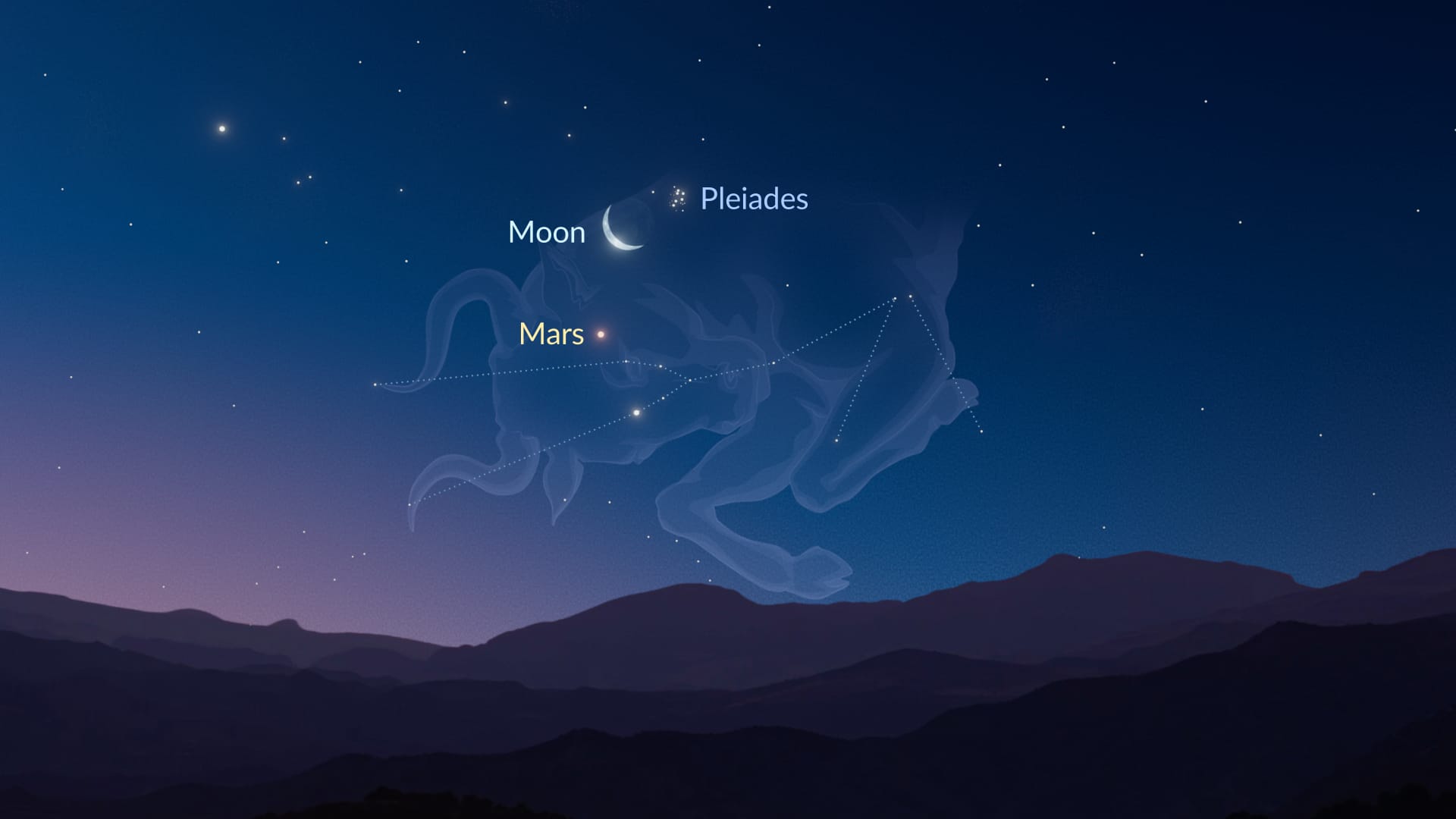
During the pre-dawn hours on July 11, the thin crescent Moon (about 15% illuminated), Mars (mag 1.4), and the Pleiades star cluster (mag 1.2) will meet in the constellation Taurus. All three objects will be visible to the naked eye, making this an easy and exciting astronomy event even for beginners. For a better view of the Pleiades, use binoculars — they’ll reveal the cluster as a glittering swarm of stars. The Sky Tonight app will help you quickly locate the Moon, Mars, and the Pleiades in your sky.
Read more: Mars — Explore the Red Planet
July 15: Moon near the Beehive Cluster
On July 15, the 2%-illuminated Moon will be close to the Beehive Cluster (mag 3.1) in the sky. The distance between the objects will be 0°42'. Observe them with the naked eye or through a pair of binoculars in the constellation Cancer. Note that the Moon’s very thin crescent may be hard to spot in bright twilight or when very low above the horizon.
Read more: Beehive Cluster — Stars, Location, Mythology
July 17: Moon near Regulus
On July 17, the 9%-illuminated Moon will pass very close to the blue-white star Regulus (mag 1.3) in the sky. The distance between the objects will be only 0°27'. Observe them with the naked eye or through a pair of binoculars in the constellation Leo. Also, a lunar occultation of Regulus will occur, but it won’t be visible on land.
Read more: Regulus – The Brightest Star in Leo
July 17: Moon near Venus
On July 17, the 14%-illuminated Moon will be close to Venus (mag -4.1) in the constellation Leo. The distance between the objects will be 1°47'. Both dazzling Venus and the Moon’s thin crescent will be visible to the naked eye.
Read more: Venus — The Earth’s “Evil Sister”
July 21: Moon near Spica
On July 21, the 46%-illuminated Moon will be close to the blue-white star Spica (mag 0.9) in the sky. The distance between the objects will be 2°09'. Observe them with the naked eye or through a pair of binoculars in the constellation Virgo.
Read more: Spica – Brightest Star In Virgo
July 24: Moon near Antares
On July 24, the 81%-illuminated Moon will pass very close to the bright red star Antares (mag 1.0) in the sky. The distance between the objects will be only 0°33'. Observe them with the naked eye or through a pair of binoculars in the constellation Scorpius. In addition, a lunar occultation of Antares will be visible from Antarctica, French Southern Territories, South Georgia and the South Sandwich Islands, and Falkland Islands.
Read more: Antares — The “Rival of Mars”
July 29: Full Moon
The July Full Moon is traditionally called the Buck Moon. In 2026, this Full Moon will be unusually low above the horizon in the Northern Hemisphere and higher than usual in the Southern Hemisphere. At the moment of the Full Moon, our natural satellite will be in the constellation Capricornus.
Read more: Buck Moon in July 2026
July 30–31: Southern Delta Aquariids’ peak ⭐
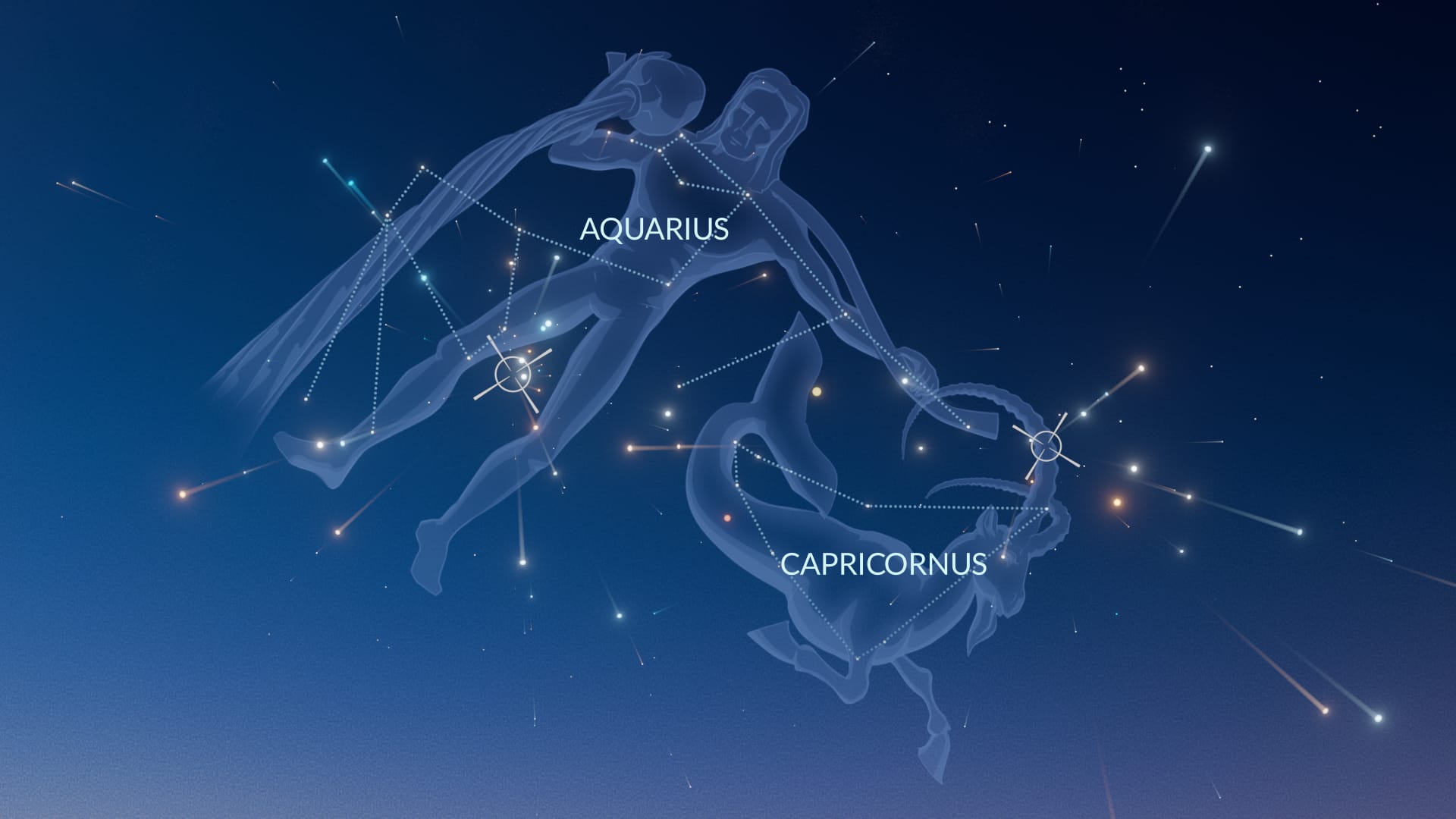
- Meteors per hour: Up to 25
- Moon illumination: 98%
- Best visible from: Southern Hemisphere
The Southern Delta Aquariids peak on the night of July 30–31 and can potentially produce up to 25 meteors per hour. In 2026, however, viewing conditions will be poor: the Moon will be almost full, and its bright light will wash out many of the fainter meteors. Try blocking the Moon’s glare with a building, tree, or hill, and use the Sky Tonight app to find the shower’s radiant — the higher it climbs above the horizon, the more meteors you’re likely to see.
As a bonus, on the same night the Alpha Capricornids will also reach their peak! This meteor shower produces only about 5 shooting stars per hour but is famous for bright, slow fireballs.
Read more: Southern Delta Aquariids: How to See the Shower
Astronomical events in August 2026
August 2: 10P/Tempel 2 reaches perihelion ⭐
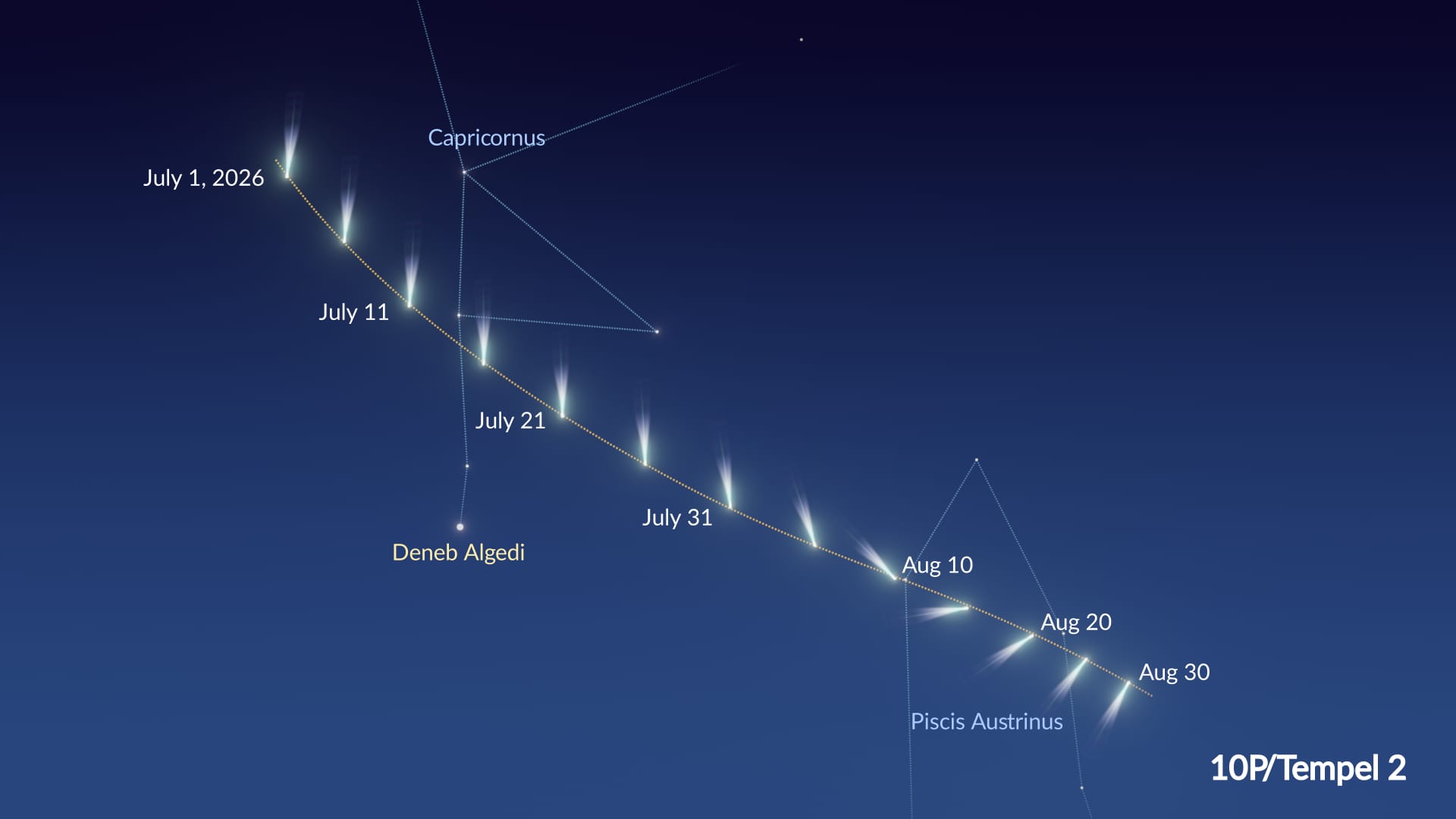
On August 2, Comet 10P/Tempel 2 will get closest to the Sun and is expected to brighten to about magnitude 8. This will make it an easy target for binoculars or a small telescope under dark skies. The comet should be visible from both hemispheres, though it will climb higher above the horizon for observers in the Southern Hemisphere. Look for it in the evening sky shortly after sunset. To quickly find Comet 10P/Tempel 2 in your location, use the Sky Tonight app.
Read more: Upcoming Comets Visible in 2026
August 2: Mercury at greatest western elongation
On August 2, Mercury will reach its maximum angular separation from the Sun (19°28'), making this the best time to observe the planet. Mercury will have a magnitude of 0.0 and will be positioned in the constellation Gemini. You can see it with the naked eye in the morning sky.
Read more: What Is Elongation in Astronomy
August 3: Moon near Neptune
On August 3, the 80%-illuminated Moon will be close to Neptune (mag 7.7) in the sky. The distance between the objects will be 4°21'. Observe them through binoculars or a telescope in the constellation Pisces.
Read more: Neptune — The Farthest & Windiest Planet in the Solar System
August 7: Moon near the Pleiades
On August 7, the 37%-illuminated Moon will be close to the Pleiades star cluster (mag 1.2) in the sky. The distance between the objects will be 1°10'. Observe them with the naked eye or through a pair of binoculars in the constellation Taurus.
Read more: Pleiades — The “Seven Sisters”
August 7: Moon near Uranus
On August 7, the 33%-illuminated Moon will be close to Uranus (mag 5.8) in the sky. The distance between the objects will be 5°23'. Observe them through binoculars or a telescope in the constellation Taurus.
Read more: Uranus — The Coldest Planet
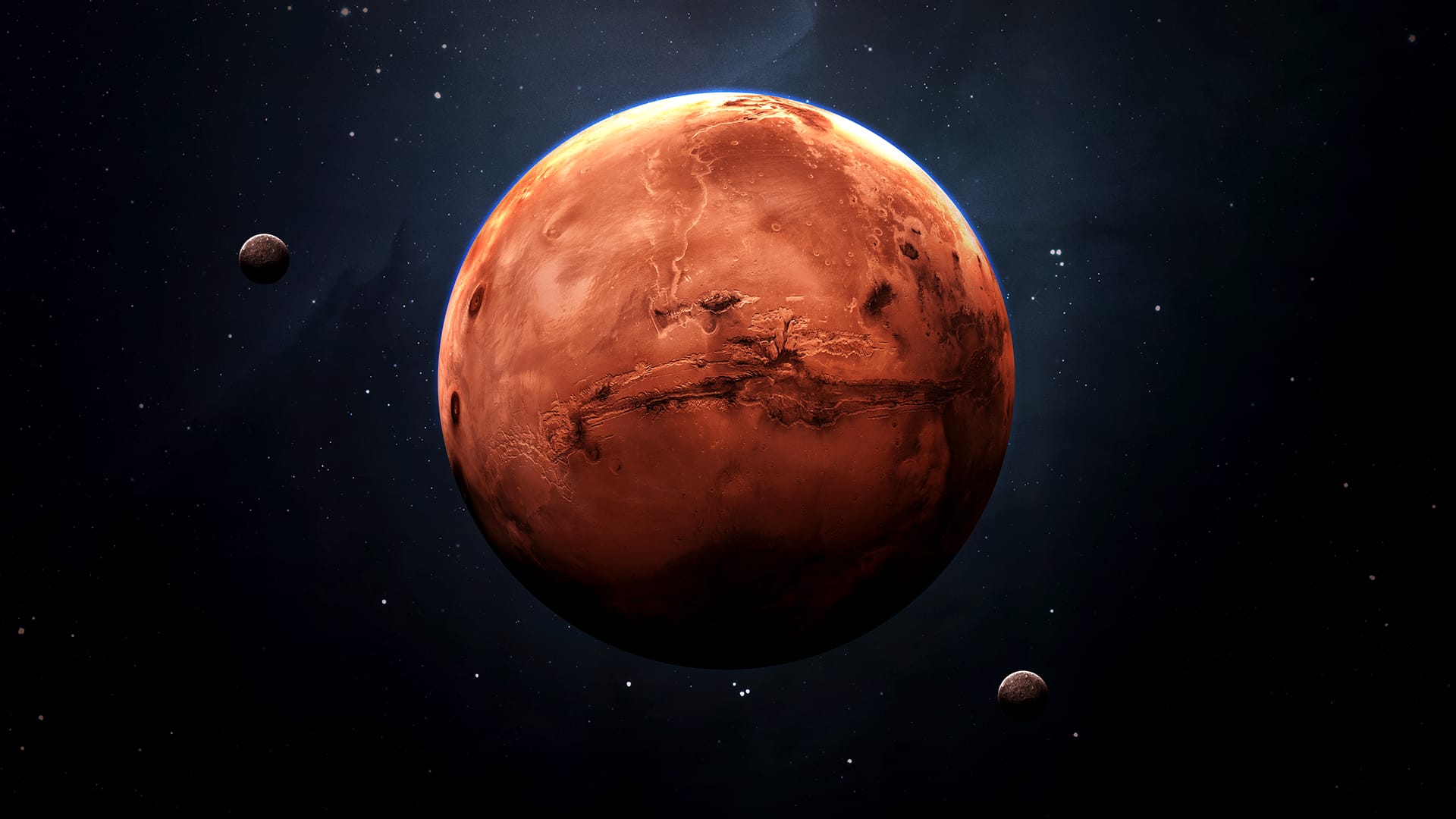
August 9: Moon near Mars
On August 9, the 16%-illuminated Moon will be close to reddish Mars (mag 1.3) in the constellation Taurus. The distance between the objects will be 4°24'. Observe them with the naked eye or through a pair of binoculars in the constellation Taurus.
Read more: Mars — Explore the Red Planet
Take a quiz: How Much Do You Know About Mars?
August 10: Moon near Pollux
On August 10, the 5%-illuminated Moon will be close to the yellow-orange star Pollux (mag 1.1) in the sky. The distance between the objects will be 3°33'. Observe them with the naked eye or through a pair of binoculars in the constellation Gemini. The Moon’s very thin crescent may be hard to spot in bright twilight or when very low above the horizon.
Read more: Pollux — The Brightest Star in Gemini
August 11: Moon near Mercury
On August 11, the 2%-illuminated Moon will be close to Mercury (mag -0.9) in the constellation Cancer. The distance between the two objects will be 1°58'. Mercury will be visible to the naked eye, while the Moon’s very thin crescent may be hard to spot in bright twilight or when very low above the horizon.
Read more: Mercury — The Smallest Planet In The Solar System
August 12: Six-planet alignment ⭐
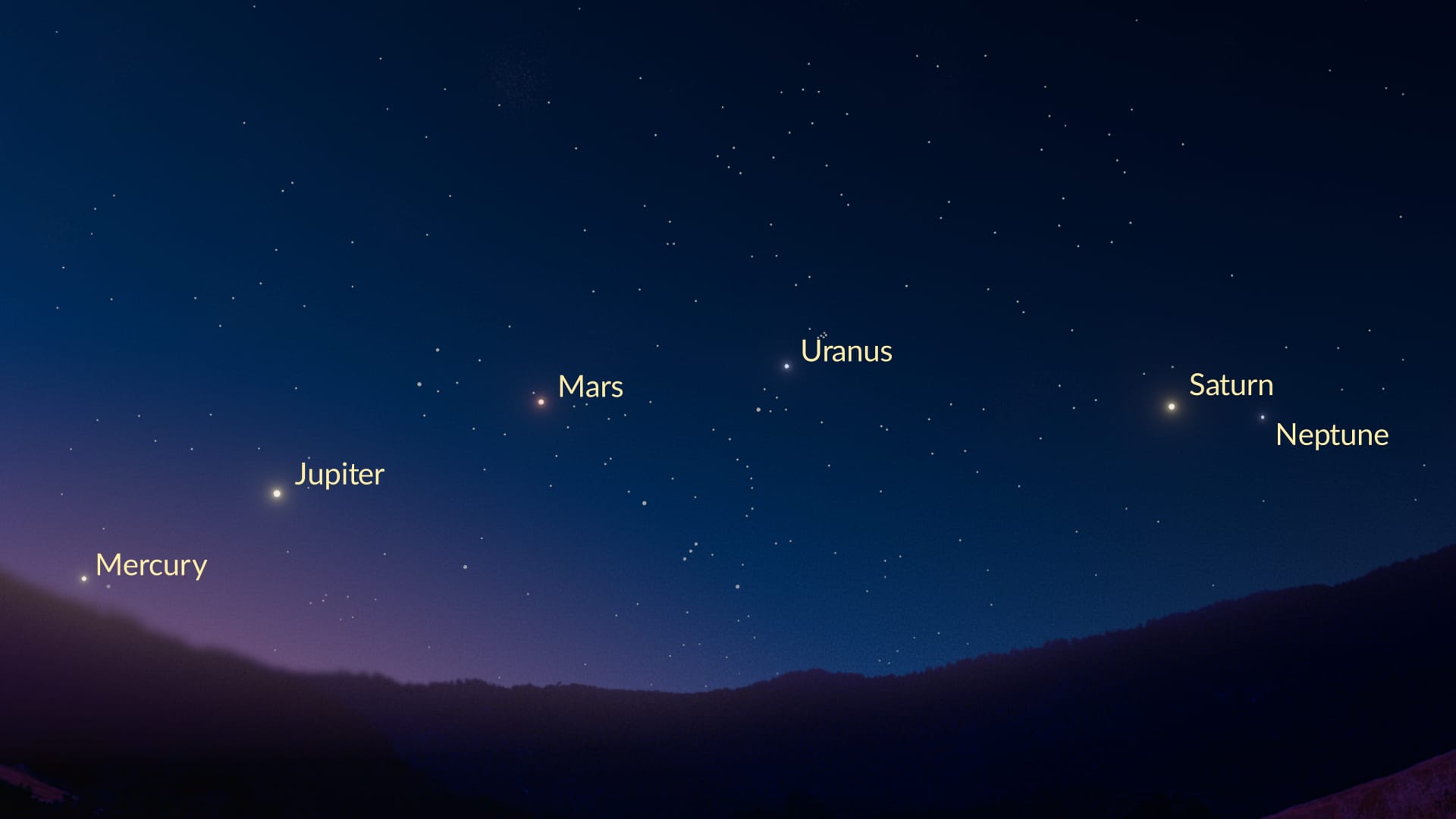
Before sunrise around August 12, you can see a “parade” of six planets: Jupiter, Mercury, Mars, Uranus, Saturn, and Neptune. To find the planets in your sky, use the Star Walk 2 app — it has a “Planet Walk” feature created specifically for observing “planet parades”.
Read more: August 2026 planetary alignment
August 12: Total solar eclipse visible in Europe ⭐
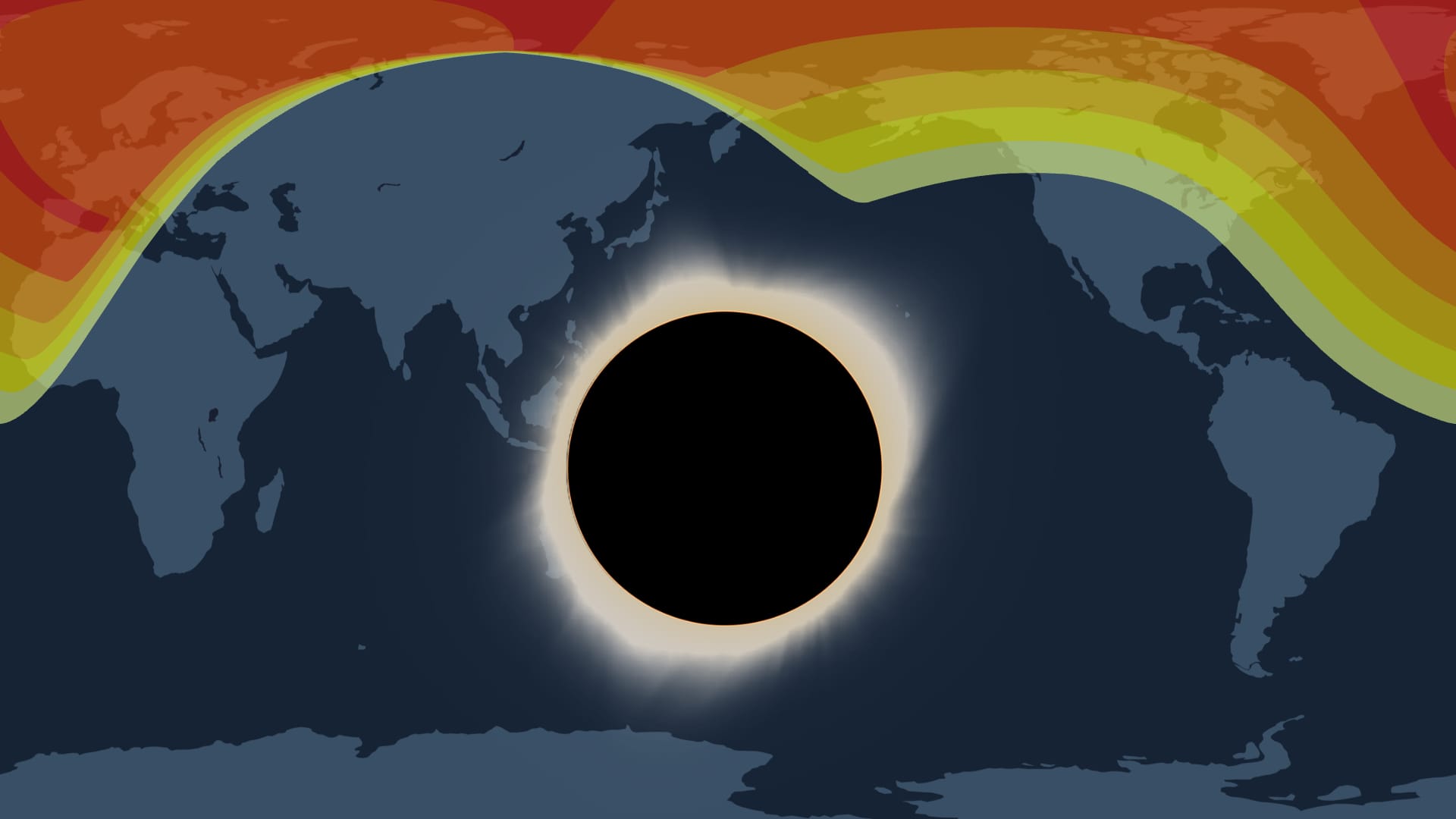
On August 12, a total solar eclipse will sweep across Greenland, Iceland, Portugal, and Spain, where observers along the path of totality will see the Sun completely covered by the Moon. Across much of Europe, the eclipse will be partial, but the Sun will still be mostly obscured, making for an impressive show. You can find the eclipse visibility map in the Sky Tonight app.
Read more: Solar Eclipses — Why Do They Occur and How To Observe Them?
Take a quiz: How Much Do You Know About Eclipses?

August 12–13: Perseids’ peak ⭐
- Meteors per hour: Up to 100
- Moon illumination: 0%
- Best visible from: Northern Hemisphere
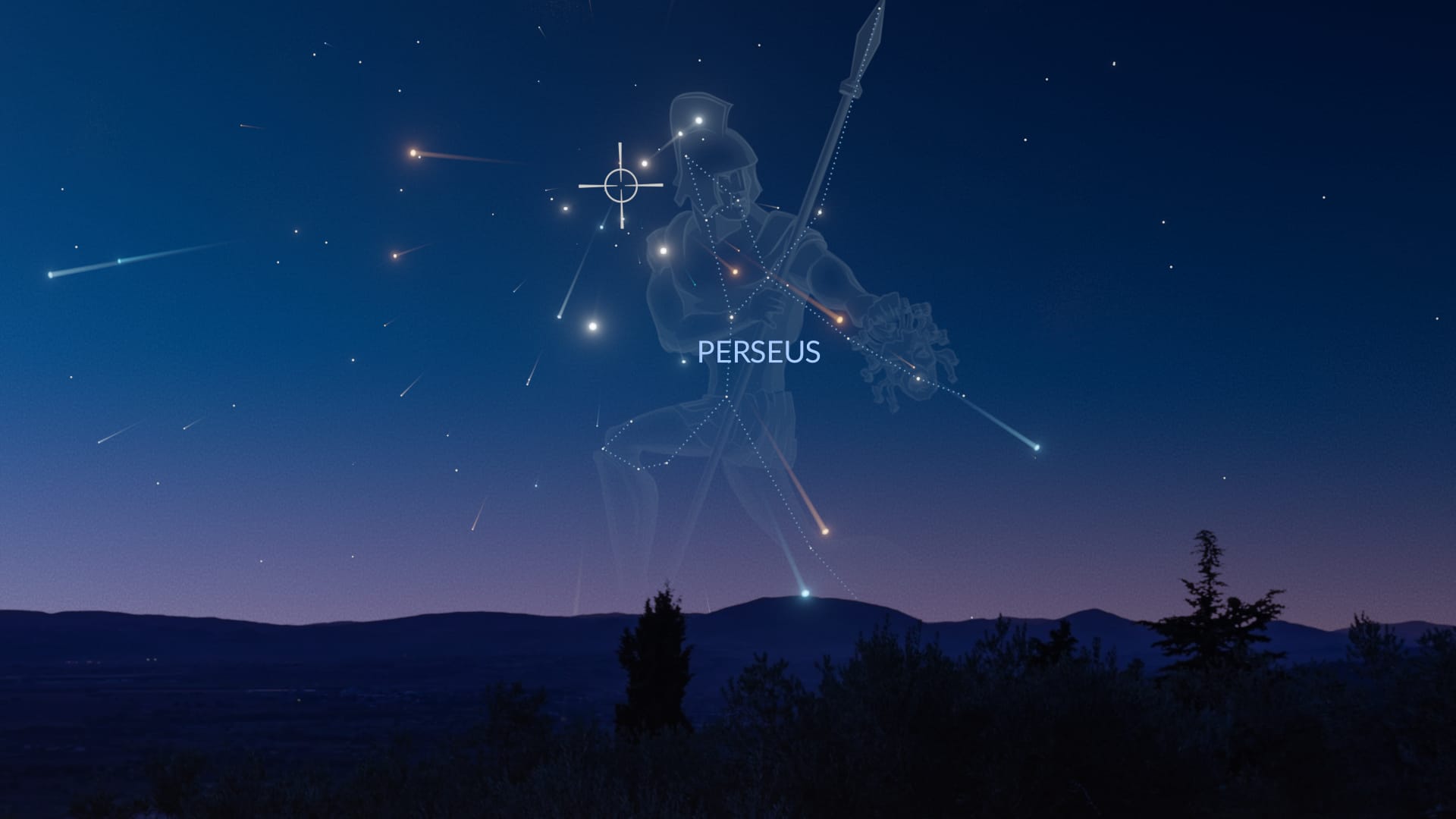
The legendary Perseids, one of the most popular meteor showers of the year, reach their peak on the night of August 12–13. In 2026, viewing conditions will be excellent — the peak occurs near a New Moon, so the sky will stay completely dark. For the best results, find a dark location and use the Sky Tonight app to track the Perseids’ radiant — the higher it is above the horizon, the more meteors you’re likely to see.
Read more: Perseids 2026 — The Meteor Shower You Can’t Miss! Plan your observing day: See our August 12, 2026 astronomy guide to learn how to catch the six-planet alignment, total solar eclipse, and Perseids in one day.
August 15: Venus at greatest eastern elongation
On August 15, Venus will reach its maximum angular separation from the Sun (45°53'), making this the best time to observe the planet. Venus will shine at a magnitude of -4.3 and will be positioned in the constellation Virgo. You can easily see it with the naked eye in the evening sky.
Read more: What Is Elongation in Astronomy
Take a quiz: How Much Do You Know About Venus?
August 16: Moon near Venus
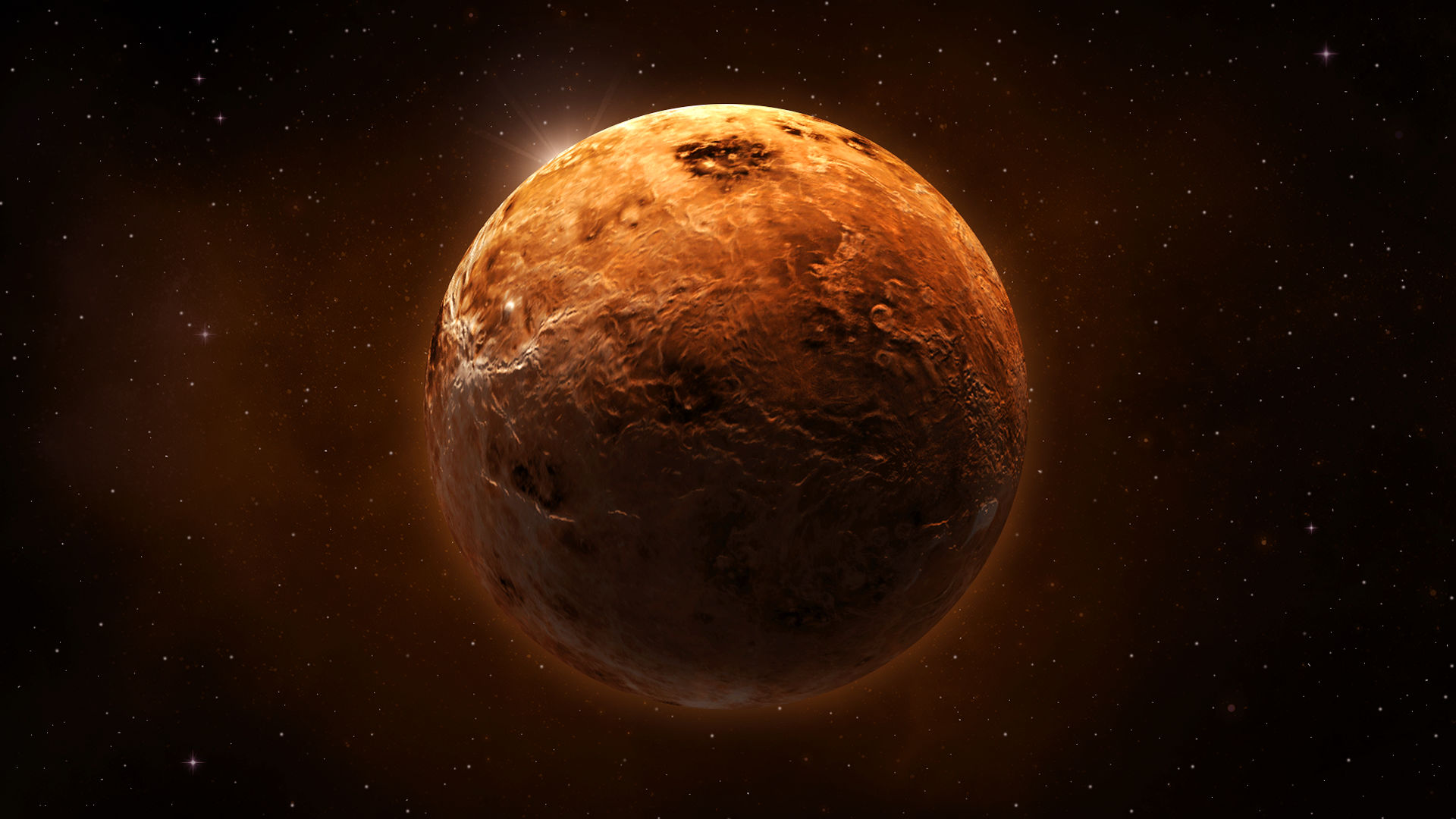
On August 16, the 15%-illuminated Moon will be close to Venus (mag -4.4) in the constellation Virgo. The distance between the objects will be 1°50'. Both dazzling Venus and the Moon’s thin crescent will be visible to the naked eye.
Read more: Venus — The Earth’s “Evil Sister”
August 17: Moon near Spica
On August 17, the 25%-illuminated Moon will be close to the blue-white star Spica (mag 0.9) in the sky. The distance between the objects will be 2°14'. Observe them with the naked eye or through a pair of binoculars in the constellation Virgo.
Read more: Spica – Brightest Star In Virgo
August 21: Moon near Antares
On August 21, the 60%-illuminated Moon will pass very close to the bright red star Antares (mag 1.0) in the sky. The distance between the objects will be only 0°37'. Observe them with the naked eye or through a pair of binoculars in the constellation Scorpius. In addition, a lunar occultation of Antares will be visible from Antarctica, Argentina, Chile, and the Falkland Islands.
Read more: Antares — The “Rival of Mars”
August 28: Full Moon
The August Full Moon is traditionally called the Sturgeon Moon. In 2026, this Full Moon is special because it will coincide with a partial lunar eclipse. At the moment of full phase, the Moon will lie in the constellation Aquarius.
Read more: Sturgeon Moon in August 2026
August 28: Deep partial lunar eclipse visible in the US and Europe ⭐
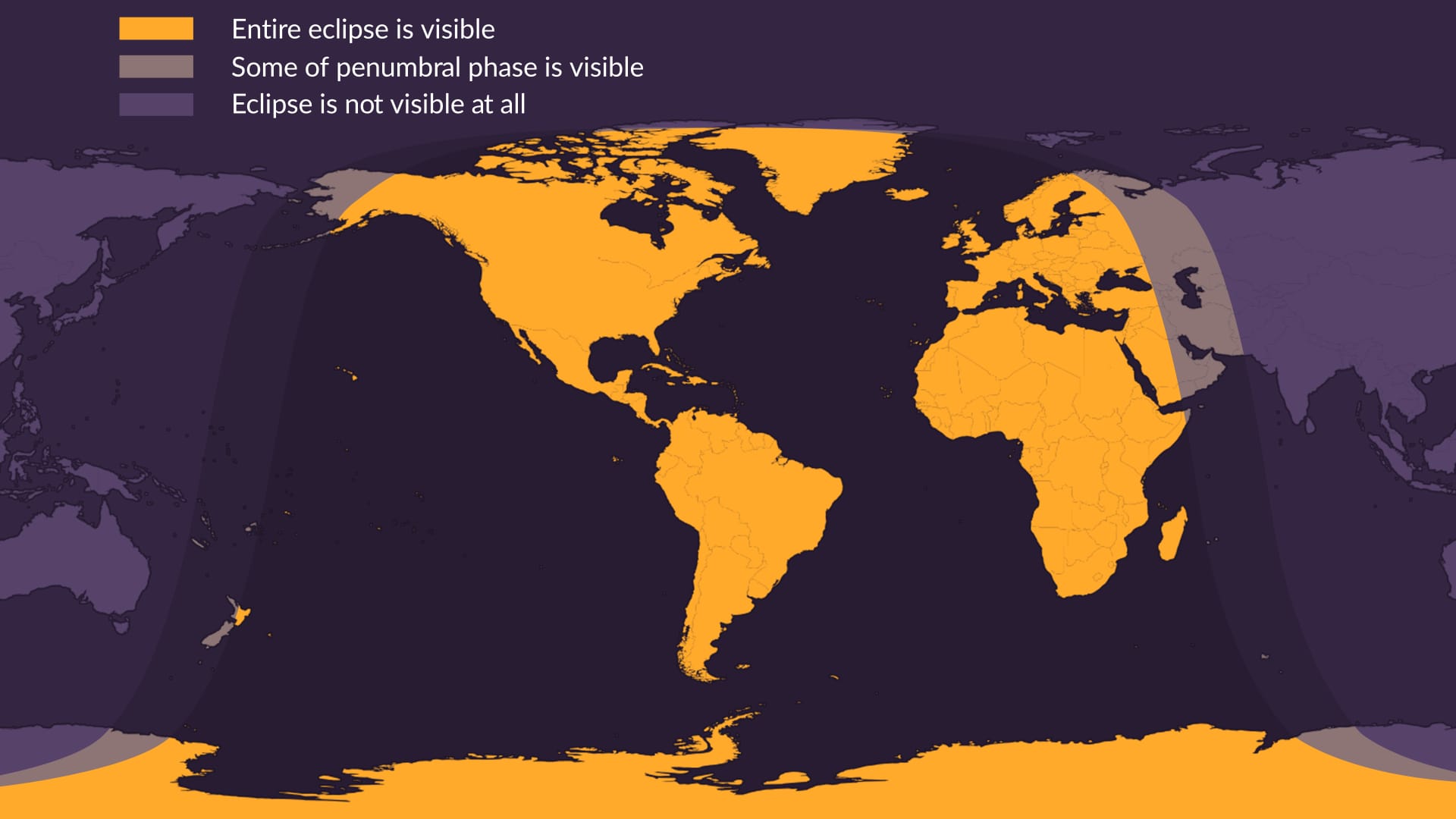
On August 28, a deep partial lunar eclipse will take place — 96% of the Moon will enter the Earth’s shadow. The Moon will likely take on a dark orange hue rather than the classic blood-red of a total eclipse. The eclipse will be fully observable from North and South America, visible at moonrise in the Central Pacific, and at moonset across Africa, Europe, and the Middle East. You don’t need any special equipment to watch the eclipse — though binoculars can enhance the view. You can find the visibility map in the Sky Tonight app.
Read more: Lunar Eclipses — Everything You Need to Know
August 30: Moon near Neptune
On August 30, the 95%-illuminated Moon will be close to Neptune (mag 7.7) in the sky. The distance between the objects will be 4°20'. Observe them through binoculars or a telescope in the constellation Pisces.
Read more: Neptune — The Farthest & Windiest Planet in the Solar System
Astronomical events in September 2026
September 2: Venus near Spica
On September 2, Venus (mag -4.6) will pass close to the star Spica (mag 0.9) in the constellation Virgo. The distance between the two objects will be 1°28'. Both Venus and Spica will be visible to the naked eye.
Read more: Venus — The Earth’s “Evil Sister”
September 3: Moon near the Pleiades
On September 3, the 59%-illuminated Moon will be close to the Pleiades star cluster (mag 1.2) in the sky. The distance between the objects will be 1°10'. Observe them with the naked eye or through a pair of binoculars in the constellation Taurus.
Read more: Pleiades — The “Seven Sisters”
September 3: Moon near Uranus
On September 3, the 55%-illuminated Moon will be close to Uranus (mag 5.7) in the sky. The distance between the objects will be 5°23'. Observe them through binoculars or a telescope in the constellation Taurus.
Read more: Uranus — The Coldest Planet
September 6–14: Moon meets with four planets ⭐
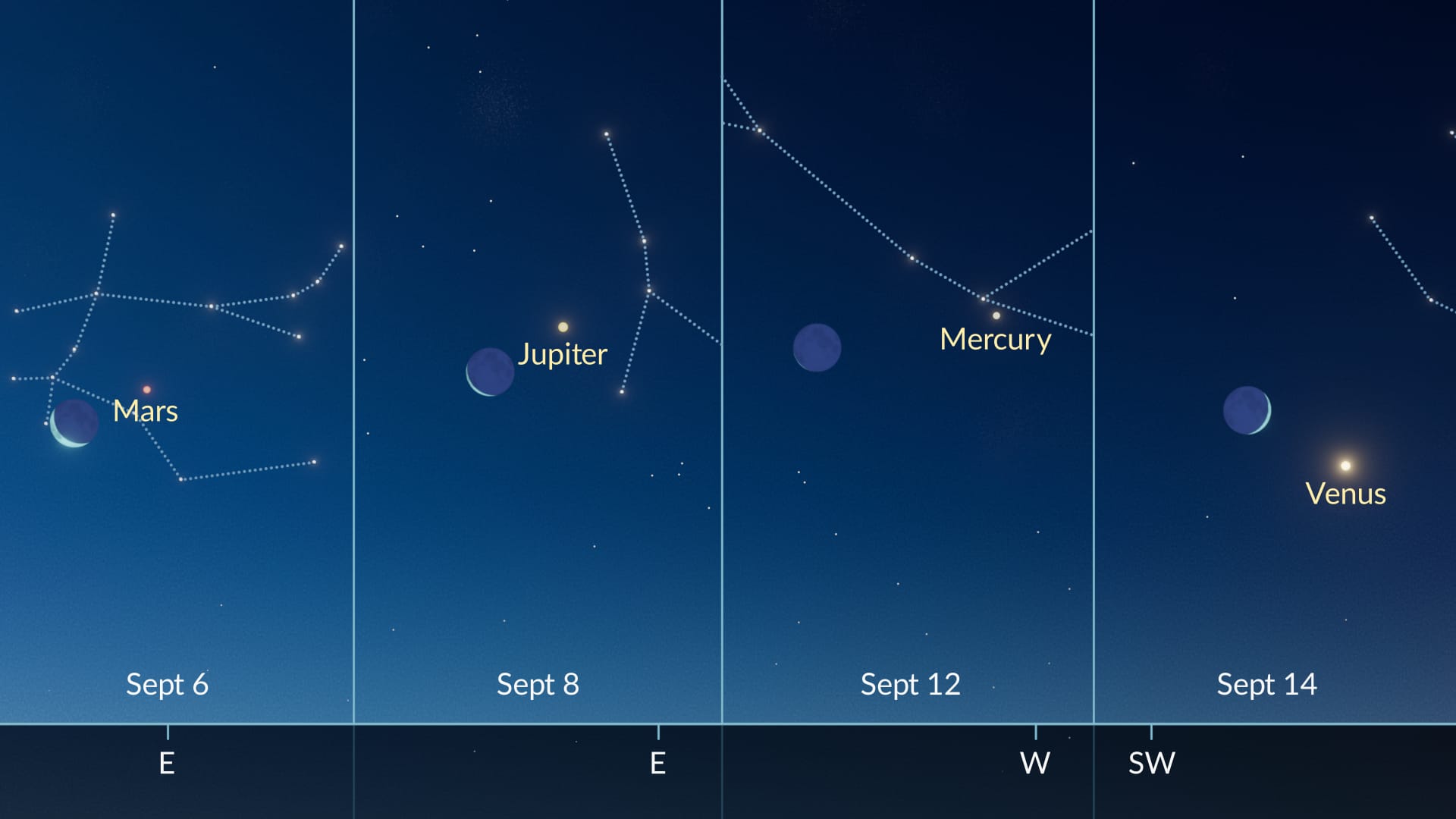
From September 6 to 14, the Moon will pass by Mars, Jupiter, Mercury, and Venus. Watch Mars near the Moon low in the pre-dawn sky on September 6, then Jupiter close to a thin crescent on the morning of September 8. On September 12, an extremely thin Moon crescent will skim past Mercury in bright evening twilight, and on September 14, it will meet Venus. Use the Sky Tonight app to check the exact timing of these events for your location and quickly find any planet in the sky.
Read more: Bright “Star” Next to Moon — What Planet Is Near the Moon Tonight?
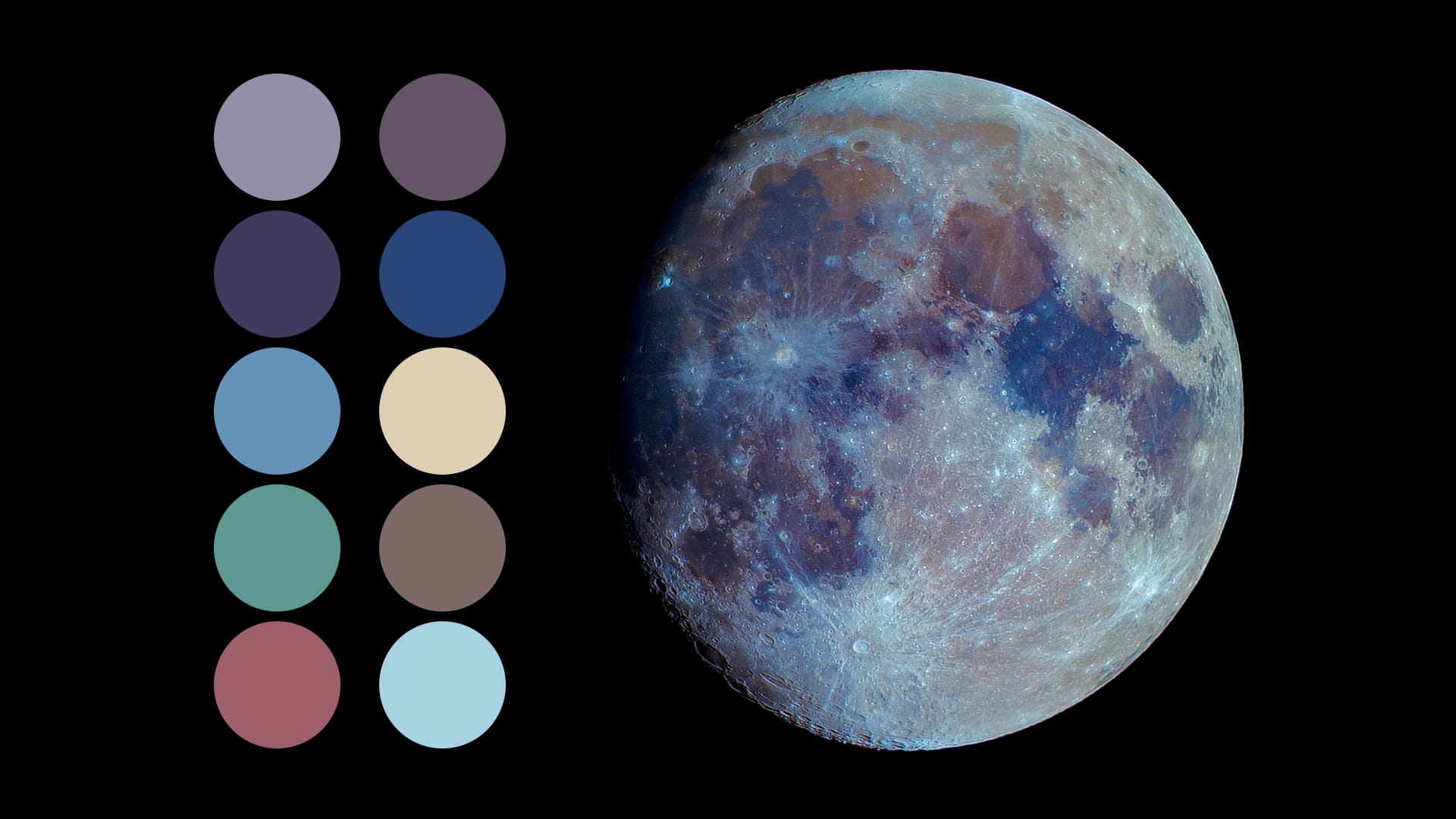
Take a quiz: What Color Is the Moon?
September 6: Moon near Mars
On September 6, the 22%-illuminated Moon will be close to reddish Mars (mag 1.2) in the constellation Gemini. The distance between the objects will be 2°57'. Both the Moon and Mars will be visible to the naked eye.
Read more: Mars — Explore the Red Planet
September 7: Moon near Pollux
On September 7, the 19%-illuminated Moon will be close to the yellow-orange star Pollux (mag 1.1) in the sky. The distance between the objects will be 3°33'. Observe them with the naked eye or through a pair of binoculars in the constellation Gemini.
Read more: Pollux — The Brightest Star in Gemini
September 8: Moon near Jupiter
On September 8, the 7%-illuminated Moon will pass very close to Jupiter (mag -1.8) in the sky. The distance between the objects will be only 0°46'. Observe them with the naked eye or through a pair of binoculars in the constellation Cancer. Also a lunar occultation of Jupiter will be visible in Canada, Greenland, Russia, and the Contiguous United States. Note that the Moon’s thin crescent may be hard to spot in bright twilight or when very low above the horizon.
Read more: Facts About Jupiter — The Biggest Planet in the Solar System
September 8: Moon near the Beehive Cluster
On September 8, the 10%-illuminated Moon will be close to the Beehive Cluster (mag 3.1) in the sky. The distance between the objects will be 0°42'. Observe them with the naked eye or through a pair of binoculars in the constellation Cancer.
Read more: Beehive Cluster — Stars, Location, Mythology
September 9: Moon near Regulus
On September 9, the 2%-illuminated Moon will pass very close to the blue-white star Regulus (mag 1.3) in the sky. The distance between the objects will be only 0°29'. Observe them with the naked eye or through a pair of binoculars in the constellation Leo. Keep in mind that the Moon’s very thin crescent may be hard to spot in bright twilight or when very low above the horizon.
Read more: Regulus – The Brightest Star in Leo
September 13: Moon near Mercury
On September 13, the 2%-illuminated Moon will be close to Mercury (mag -0.6) in the constellation Virgo. The distance between the two objects will be 3°24'. Mercury will be visible to the naked eye, while the Moon’s very thin crescent may be hard to spot in bright twilight or when very low above the horizon.
Read more: Mercury — The Smallest Planet In The Solar System
September 13: Moon near Spica
On September 13, the 8%-illuminated Moon will be close to the blue-white star Spica (mag 0.9) in the sky. The distance between the objects will be 2°12'. Observe them with the naked eye or through a pair of binoculars in the constellation Virgo.
Read more: Spica – Brightest Star In Virgo
September 14: Moon near Venus
On September 14, the 12%-illuminated Moon will pass very close to Venus (mag -4.7) in the constellation Virgo. The distance between the objects will be only 0°28'. Both dazzling Venus and the Moon’s thin crescent will be visible to the naked eye. Also, a lunar occultation of Venus will be visible across parts of Europe, Africa, Asia, and western Russia.
Read more: Venus — The Earth’s “Evil Sister”
September 17: Moon near Antares
On September 17, the 37%-illuminated Moon will pass very close to the bright red star Antares (mag 1.0) in the sky. The distance between the objects will be only 0°34'. Observe them with the naked eye or through a pair of binoculars in the constellation Scorpius. In addition, a lunar occultation of Antares will be visible from Antarctica, Australia, Tasmania, Heard Island, and the McDonald Islands.
Read more: Antares — The “Rival of Mars”
September 22: Venus reaches maximum brightness ⭐
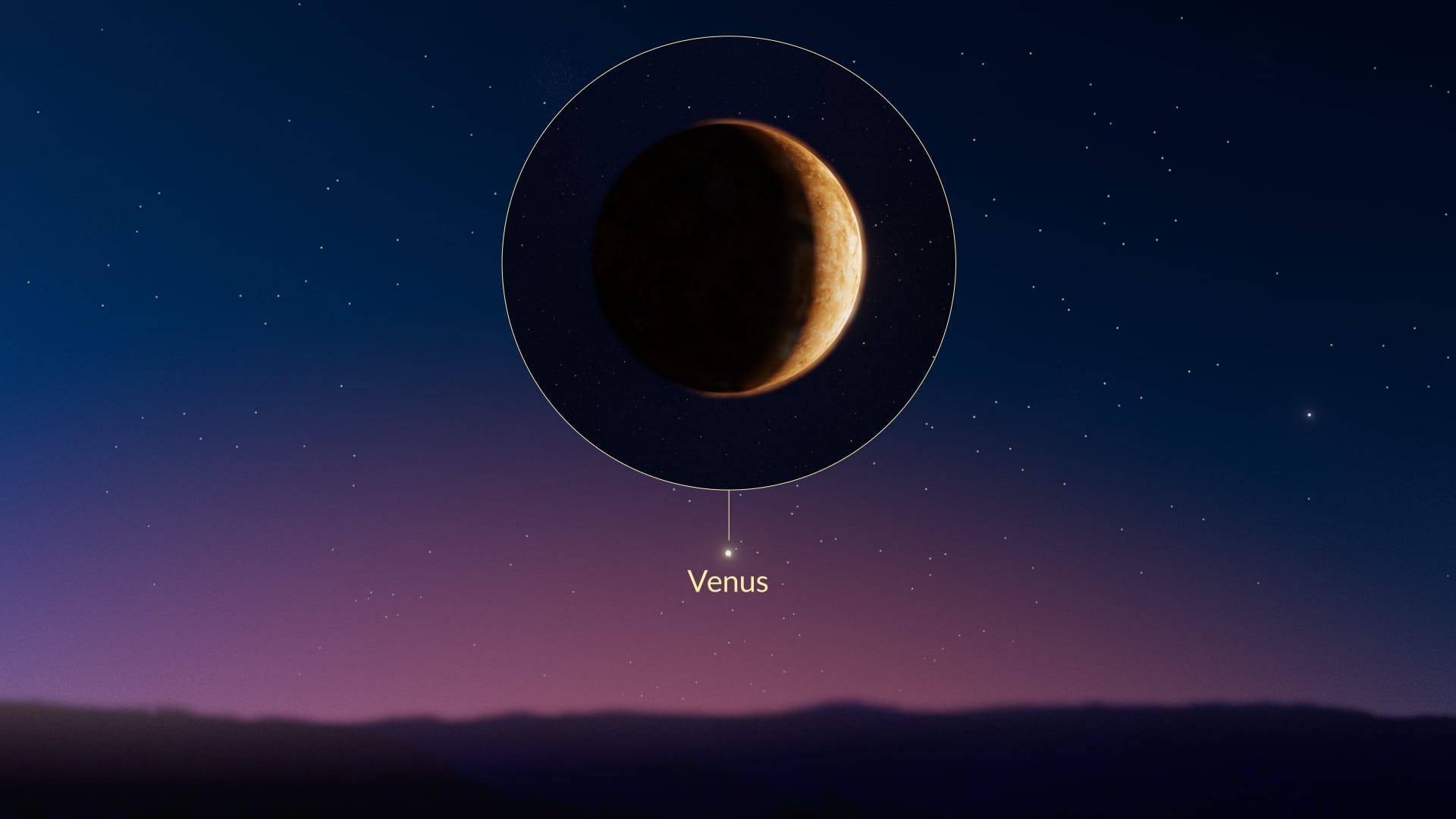
On September 22, Venus will reach a magnitude of -4.8, which is its peak brightness for the year. Look for the dazzling planet low above the southwestern horizon just after sunset in the constellation Virgo. Through a telescope, Venus will appear as a thin crescent (only about 22% illuminated). To easily locate Venus in your sky, use the Sky Tonight app.
Read more: Venus — The Earth’s “Evil Sister”
September 23: September equinox
On September 23, an equinox will occur, marking the start of astronomical autumn in the Northern Hemisphere and spring in the Southern Hemisphere. It will also bring nearly equal day and night worldwide.
Read more: Fall Equinox 2026 — When Is the First Day of Fall?
September 26: Neptune at opposition
On September 26, the distant planet Neptune will be directly opposite the Sun as seen from Earth. This is the best time to observe Neptune, as it will be at maximum brightness and visible all night. Around the opposition, Neptune will reach a magnitude of 7.8. You can observe it through powerful binoculars or a telescope in the constellation Pisces.
Read more: Planetary Oppositions.
September 26: Mercury near Spica
On September 26, Mercury (mag -0.2) will pass very close to the star Spica (mag 0.9) in the constellation Virgo. The distance between the two objects will be only 0°53'. Both Mercury and Spica may be hard to spot in the bright twilight sky.
Read more: Mercury — The Smallest Planet In The Solar System
September 26: Full Moon
In 2026, the September Full Moon gets the name Harvest Moon, as it’s the closest Full Moon to the autumnal equinox in the Northern Hemisphere. At the moment of full phase, the Moon will lie in the constellation Pisces.
Read more: Harvest Moon in September 2026
September 30: Moon near the Pleiades
On September 30, the 80%-illuminated Moon will be close to the Pleiades star cluster (mag 1.2) in the sky. The distance between the objects will be 1°04'. Observe them with the naked eye or through a pair of binoculars in the constellation Taurus.
Read more: Pleiades — The “Seven Sisters”
Astronomical events in October 2026
October 4: Saturn at opposition ⭐
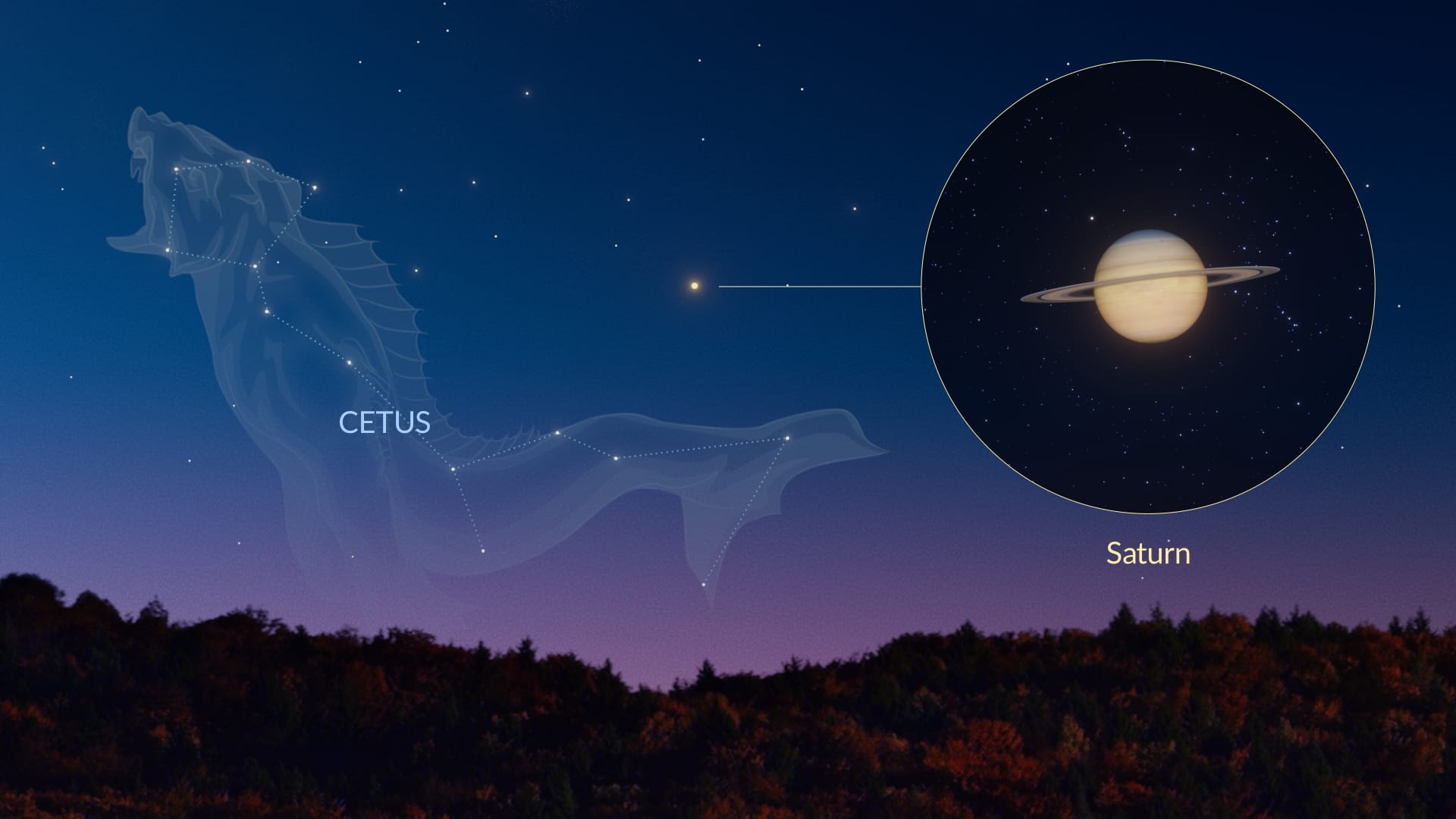
On October 4, Saturn will be directly opposite the Sun as seen from Earth. This is the best time to observe and photograph Saturn, as it will be at maximum brightness and visible all night. During the opposition, Saturn will shine with a magnitude of 0.3 in the constellation Cetus. It will be easily visible to the naked eye. To quickly find Saturn in the sky, use the Sky Tonight app.
Read more: Planetary Oppositions
October 4: Moon near Pollux
On October 4, the 40%-illuminated Moon will be close to the yellow-orange star Pollux (mag 1.1) in the sky. The distance between the objects will be 3°40'. Observe them with the naked eye or through a pair of binoculars in the constellation Gemini.
Read more: Pollux — The Brightest Star in Gemini
October 5: Moon near Mars
On October 5, the 31%-illuminated Moon will be close to reddish Mars (mag 1.0) in the constellation Cancer. The distance between the objects will be 1°05'. Both the Moon and Mars will be visible to the naked eye. Also, a lunar occultation of Mars will be visible in Canada.
Read more: Mars — Explore the Red Planet
October 5: Moon near the Beehive Cluster
On October 5, the 28%-illuminated Moon will be very close to the Beehive Cluster (mag 3.1) in the sky. The distance between the objects will be only 0°36'. Observe them with the naked eye or through a pair of binoculars in the constellation Cancer.
Read more: Beehive Cluster — Stars, Location, Mythology
October 6: Moon near Jupiter
On October 6, the 20%-illuminated Moon will pass very close to Jupiter (mag -1.9) in the sky. The distance between the objects will be only 0°10'. Observe them with the naked eye or through a pair of binoculars in the constellation Leo. Also a lunar occultation of Jupiter will be visible from parts of Africa, the Americas, the Portuguese Azores, Madeira, the Savage Islands, and the Canary Islands.
Read more: Facts About Jupiter — The Biggest Planet in the Solar System
October 7: Moon near Regulus
On October 7, the 14%-illuminated Moon will pass very close to the blue-white star Regulus (mag 1.3) in the sky. The distance between the objects will be only 0°33'. Observe them with the naked eye or through a pair of binoculars in the constellation Leo. Also, a lunar occultation of Regulus will be visible from parts of Africa.
Read more: Regulus – The Brightest Star in Leo
October 12: Moon near Venus
On October 12, the 3%-illuminated Moon will pass close to Venus (mag -4.4) in the constellation Virgo. The distance between the objects will be 2°49'. Dazzling Venus will be easily visible to the naked eye; the Moon’s very thin crescent may be hard to spot in bright twilight or when very low above the horizon.
Read more: Venus — The Earth’s “Evil Sister”
October 12: Mercury at greatest eastern elongation
On October 12, Mercury will reach its maximum angular separation from the Sun (25°09'), making this the best time to observe the planet. Mercury will shine at a magnitude of 0.0 in the evening sky. You can see it with the naked eye in the constellation Libra.
Read more: What Is Elongation in Astronomy
Take a quiz: How Much Do You Know About Mercury?
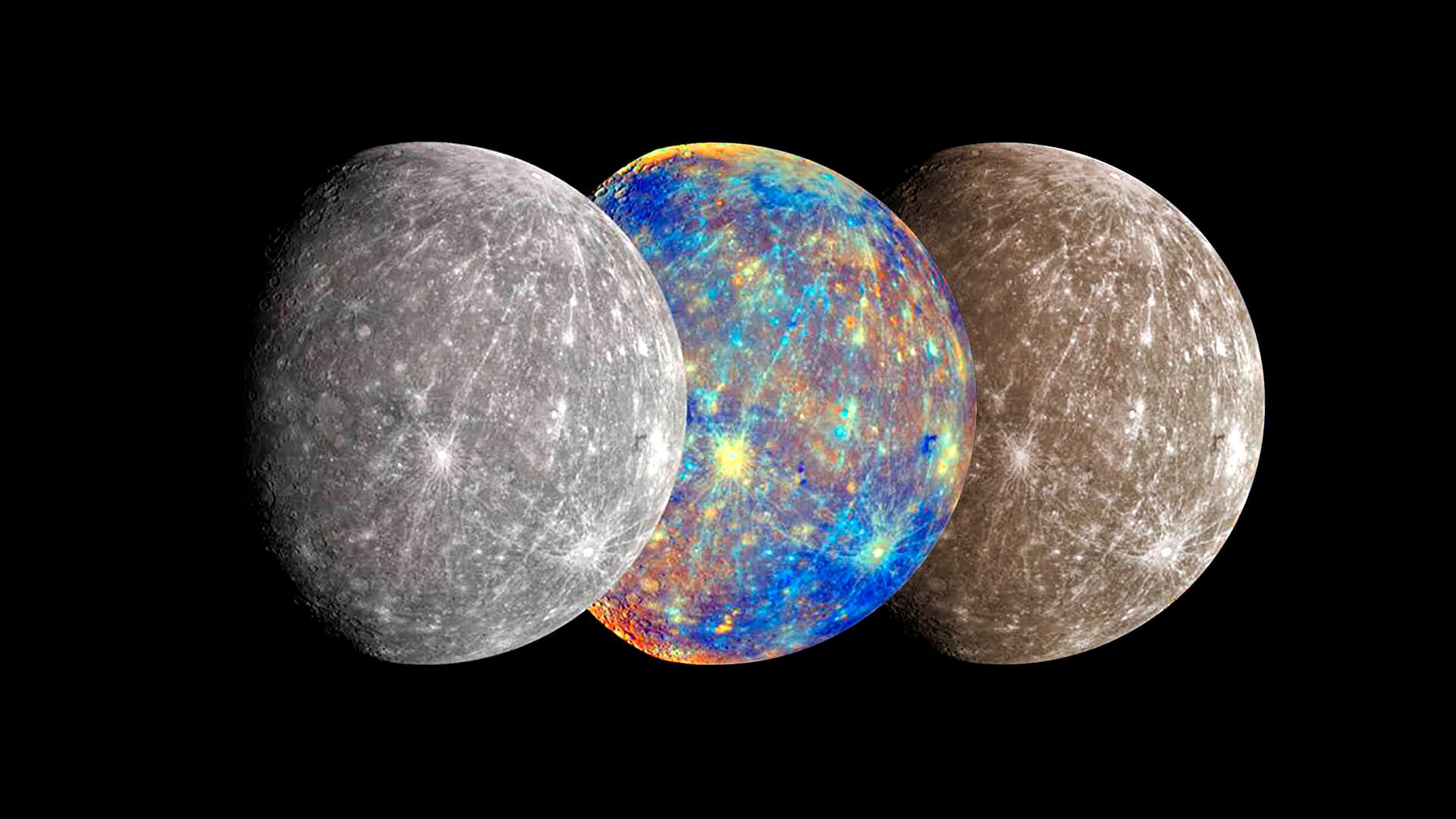
October 12: Moon near Mercury
On October 12, the 5%-illuminated Moon will be close to Mercury (mag 0.0) in the constellation Libra. The distance between the two objects will be 2°01'. Mercury will be visible to the naked eye, while the Moon’s very thin crescent may be hard to spot in bright twilight or when very low above the horizon.
Read more: Mercury — The Smallest Planet In The Solar System
October 14: Moon near Antares
On October 14, the 17%-illuminated Moon will pass very close to the bright red star Antares (mag 1.0) in the sky. The distance between the objects will be only 0°24'. Observe them with the naked eye or through a pair of binoculars in the constellation Scorpius. In addition, a lunar occultation of Antares will be visible from Uruguay, Brazil, South Georgia, the South Sandwich Islands, and Saint Helena.
Read more: Antares — The “Rival of Mars”
October 21: Orionids’ peak ⭐
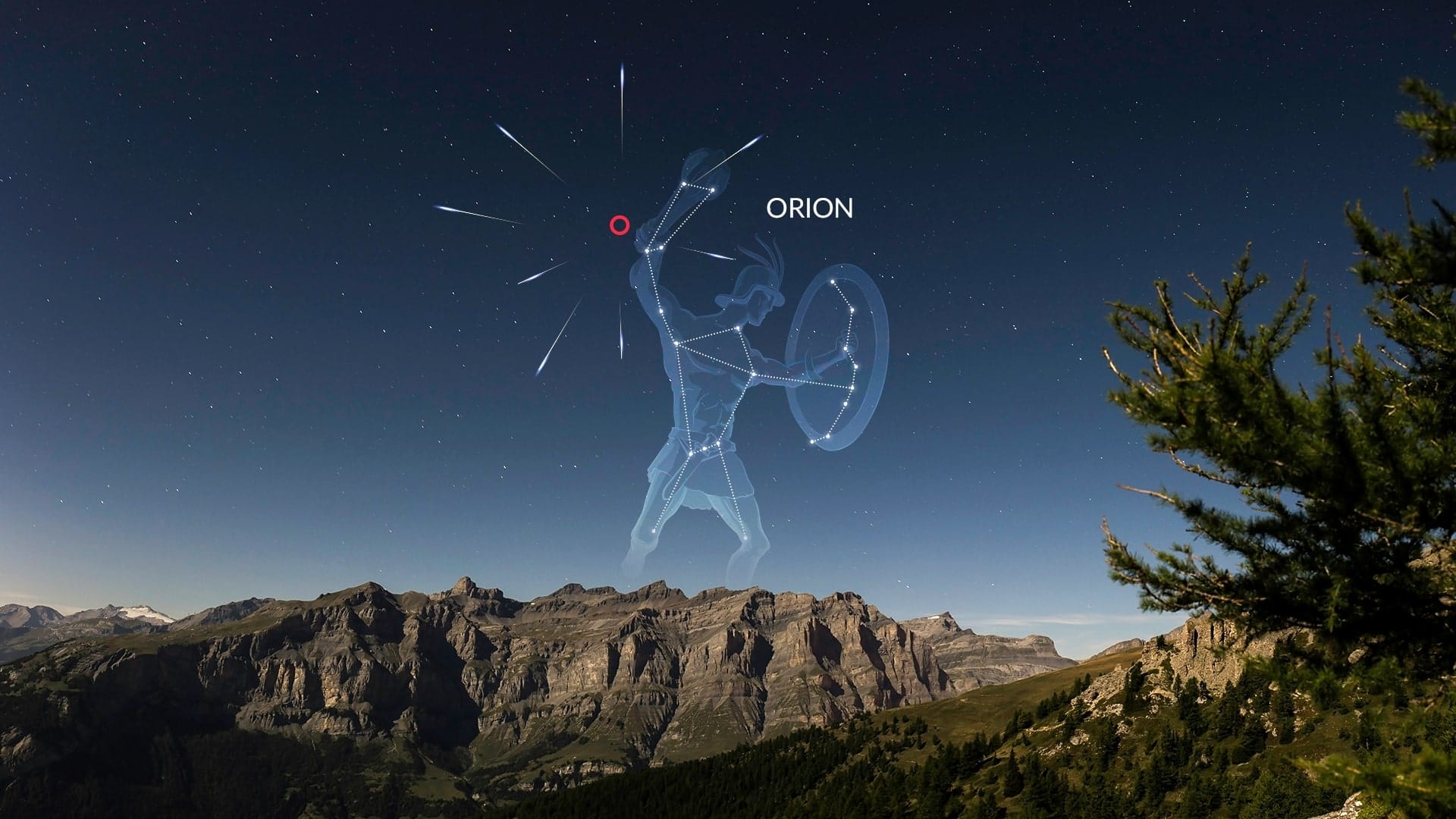
- Meteors per hour: Up to 20
- Moon illumination: 70%
- Visible from: Both hemispheres
The Orionids are a medium-strength meteor shower that can sometimes deliver surprise bursts of activity. In 2026, observing conditions are relatively favorable: the waxing gibbous Moon sets a couple of hours after midnight, leaving several darker, Moon-free hours afterward. Start watching from around midnight until dawn, when Orion climbs higher, and meteor rates improve. Use the Sky Tonight app to find the Orionids’ radiant in your location — the higher it rises above the horizon, the more meteors you’re likely to see.
Read more: Orionids 2026 — When and How to See Them
October 23: Moon near Neptune
On October 23, the 94%-illuminated Moon will be close to Neptune (mag 7.7) in the sky. The distance between the objects will be 4°16'. Observe them through binoculars or a telescope in the constellation Pisces.
Read more: Neptune — The Farthest & Windiest Planet in the Solar System
October 26: Full Moon
In 2026, the October Full Moon gets the name Hunter’s Moon, as it’s the first Full Moon after the Harvest Moon. At the moment of full phase, the Moon will lie in the constellation Aries.
Read more: Hunter’s Moon in October 2026
October 28: Moon near Uranus
On October 28, the 93%-illuminated Moon will be close to Uranus (mag 5.6) in the sky. The distance between the objects will be 5°08'. Observe them through binoculars or a telescope in the constellation Taurus.
Read more: Uranus — The Coldest Planet
October 28: Moon near the Pleiades
On October 28, the 95%-illuminated Moon will be very close to the Pleiades star cluster (mag 1.2) in the sky. The distance between the objects will be only 0°56'. Observe them with the naked eye or through a pair of binoculars in the constellation Taurus.
Read more: Pleiades — The “Seven Sisters”
October 31: Moon near Pollux
On October 31, the 63%-illuminated Moon will be close to the yellow-orange star Pollux (mag 1.1) in the sky. The distance between the objects will be 3°53'. Observe them with the naked eye or through a pair of binoculars in the constellation Gemini.
Read more: Pollux — The Brightest Star in Gemini
Astronomical events in November 2026
November 2: Moon near Mars
On November 2, the 42%-illuminated Moon will be very close to reddish Mars (mag 0.8) in the constellation Leo. The distance between the objects will be only 0°57'. Both the Moon and Mars will be visible to the naked eye. Also, a lunar occultation of Mars will be visible from French Polynesia, the Cook Islands, and Pitcairn.
Read more: Mars — Explore the Red Planet
November 2: Moon near Jupiter
On November 2, the 38%-illuminated Moon will pass very close to Jupiter (mag -2.0) in the sky. The distance between the objects will be only 0°29'. Observe them with the naked eye or through a pair of binoculars in the constellation Leo. Also a lunar occultation of Jupiter will be visible in Australia, Indonesia, India, and Malaysia.
Read more: Facts About Jupiter — The Biggest Planet in the Solar System
November 3: Moon near Regulus
On November 3, the 33%-illuminated Moon will pass very close to the blue-white star Regulus (mag 1.3) in the sky. The distance between the objects will be only 0°45'. Observe them with the naked eye or through a pair of binoculars in the constellation Leo. Also, a lunar occultation of Regulus will be visible from Brazil, Argentina, Peru, and Bolivia.
Read more: Regulus – The Brightest Star in Leo
November 4–5: Southern Taurids’ peak
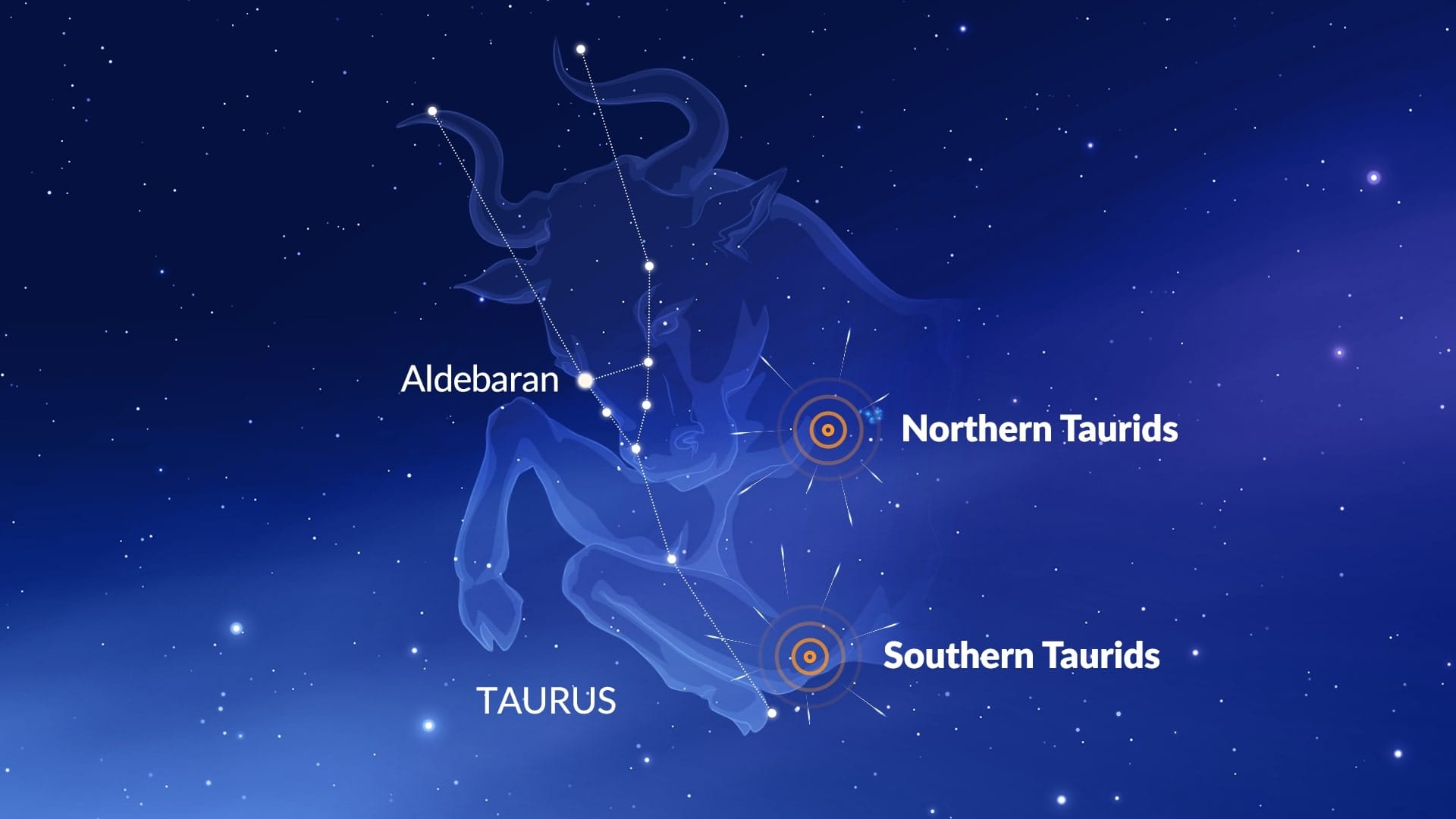
- Meteors per hour: 5–10
- Moon illumination: 14%
- Visible from: Both hemispheres
The Southern Taurids are a long-lasting, low-rate meteor shower known for producing slow, bright fireballs. In 2026, the shower’s main peak comes under a waning crescent Moon, so observing conditions will be favorable. Use the Sky Tonight app to find the Taurids’ radiant — the higher it is above the horizon, the better your chances of spotting meteors.
Read more: Southern Taurids 2026 — When and How to See Them
November 7: Moon near Venus
On November 7, the 4%-illuminated Moon will pass very close to Venus (mag -4.5) in the constellation Virgo. The distance between the objects will be only 0°57'. Dazzling Venus will be easily visible to the naked eye; the Moon’s very thin crescent may be hard to spot in bright twilight or when very low above the horizon. Also, a lunar occultation of Venus will be visible in Antarctica, Argentina, Chile, and the Falkland Islands.
Read more: Venus — The Earth’s “Evil Sister”
November 7: Moon near Spica
On November 7, the 3%-illuminated Moon will be close to the blue-white star Spica (mag 0.9) in the sky. The distance between the objects will be 2°10'. Observe them with the naked eye or through a pair of binoculars in the constellation Virgo. Note that the very thin lunar crescent may be hard to spot unless the sky is very dark.
Read more: Spica – Brightest Star In Virgo
November 9: Venus near Spica
On November 9, Venus (mag -4.6) will pass close to the star Spica (mag 0.9) in the constellation Virgo. The distance between the two objects will be 1°09'. Both Venus and Spica will be visible to the naked eye.
Read more: Venus — The Earth’s “Evil Sister”
November 11: Moon near Antares
On November 11, the 4%-illuminated Moon will pass very close to the bright red star Antares (mag 1.0) in the sky. The distance between the objects will be only 0°16'. Observe them with the naked eye or through a pair of binoculars in the constellation Scorpius (but keep in mind that the very thin lunar crescent may be hard to spot unless the sky is very dark). In addition, a lunar occultation of Antares will be visible from Samoa, Tonga, American Samoa, and Fiji.
Read more: Antares — The “Rival of Mars”
November 11–12: Northern Taurids’ peak
- Meteors per hour: Up to 5
- Moon illumination: 10%
- Visible from: Both hemispheres
The Northern Taurids peak around November 12, producing fewer shooting stars than their southern counterpart but sharing the same reputation for slow-moving, bright meteors. In 2026, viewing conditions will be excellent: the peak occurs under a waxing crescent Moon, and the New Moon on November 9 provides dark skies for several nights around the maximum. For best results, observe after midnight and use the Sky Tonight app to track the radiant’s position — the higher it rises, the more meteors you’re likely to see.
Read more: Northern Taurids 2026 — When and How to See Them
November 14: Four-planet alignment ⭐
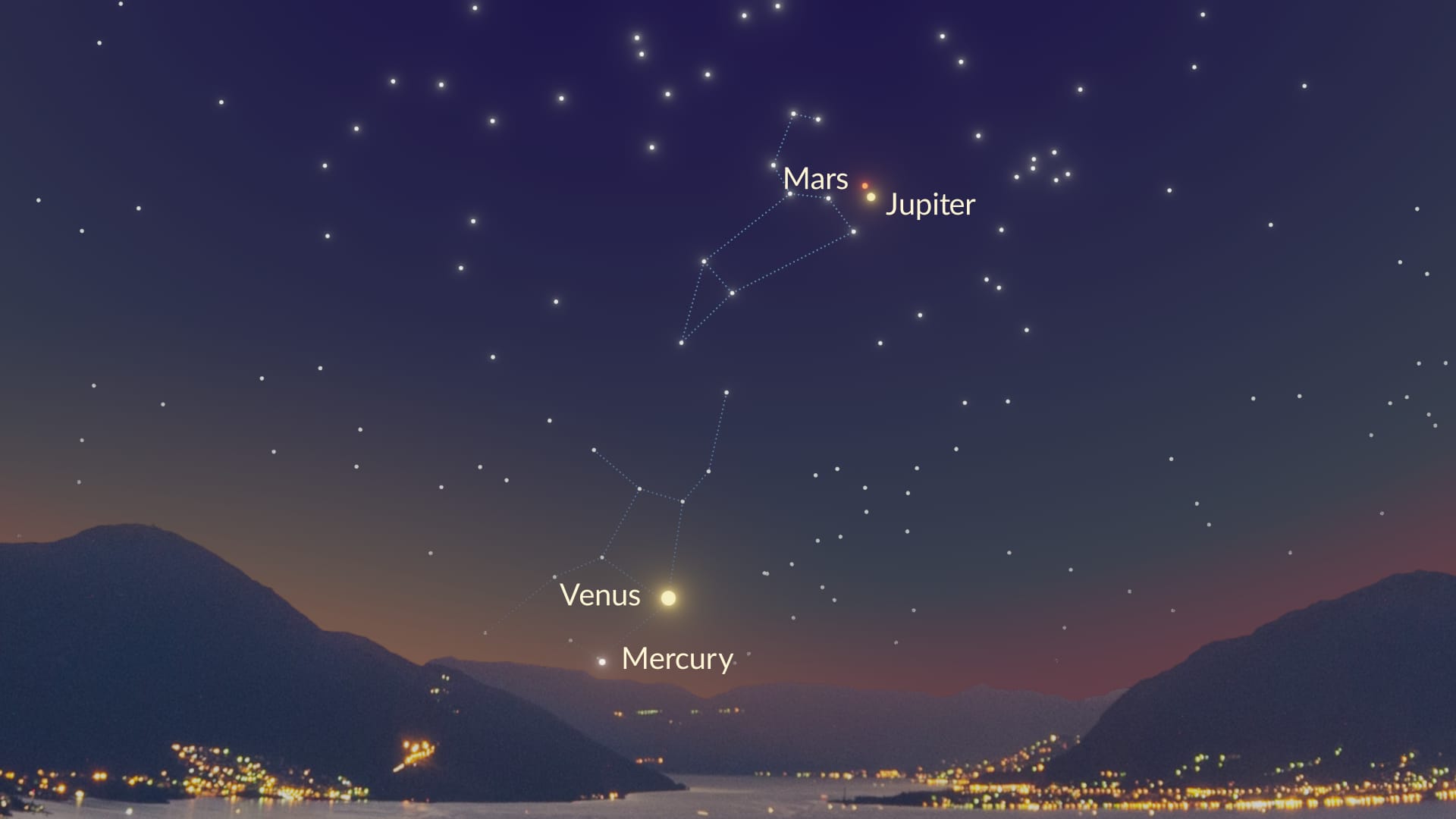
Around November 14, Mercury, Venus, Mars, and Jupiter will gather in the sky. Look for the planets in the southeastern sky in the Northern Hemisphere and the northeastern sky in the Southern Hemisphere. Venus and Mercury will sit low near the horizon, while Mars and Jupiter will shine higher up, appearing relatively close together. All four planets will be visible to the naked eye. To easily find them in your sky, use the Star Walk 2 app — it has a “Planet Walk” feature created specifically for observing “planet parades”.
Read more: Planetary Alignments Explained
November 16: Mars near Jupiter ⭐
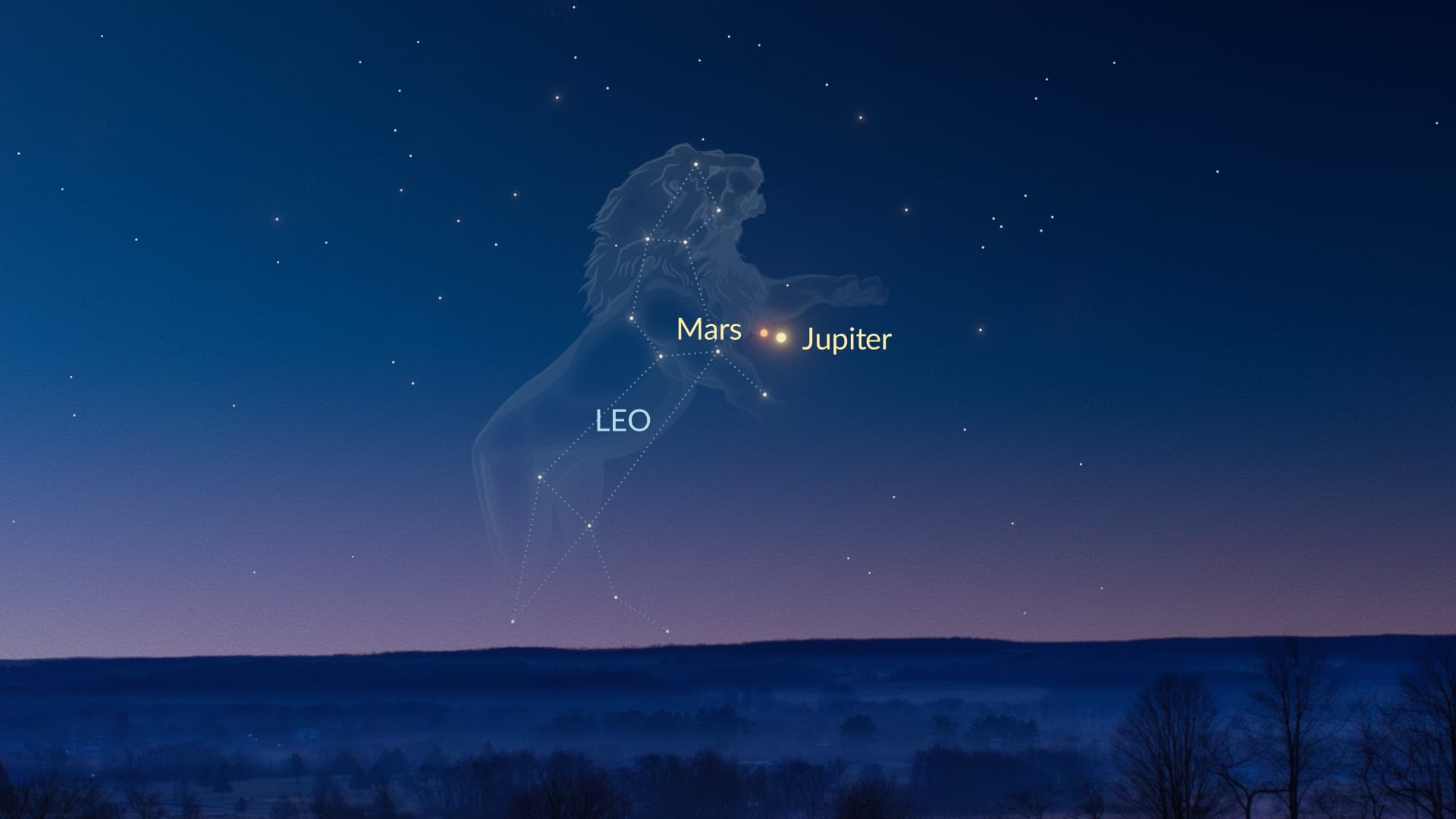
On November 16, two bright planets — Mars (mag 0.6) and Jupiter (mag -2.0) — will get close together in the sky. The distance between them will be only 1°11'. You can observe them with the naked eye or through a pair of binoculars in the constellation Leo. To quickly locate Mars and Jupiter in your sky, use the Sky Tonight app.
Read more: Astronomical Conjunctions of Planets in 2026
November 17–18: Leonids’ peak ⭐
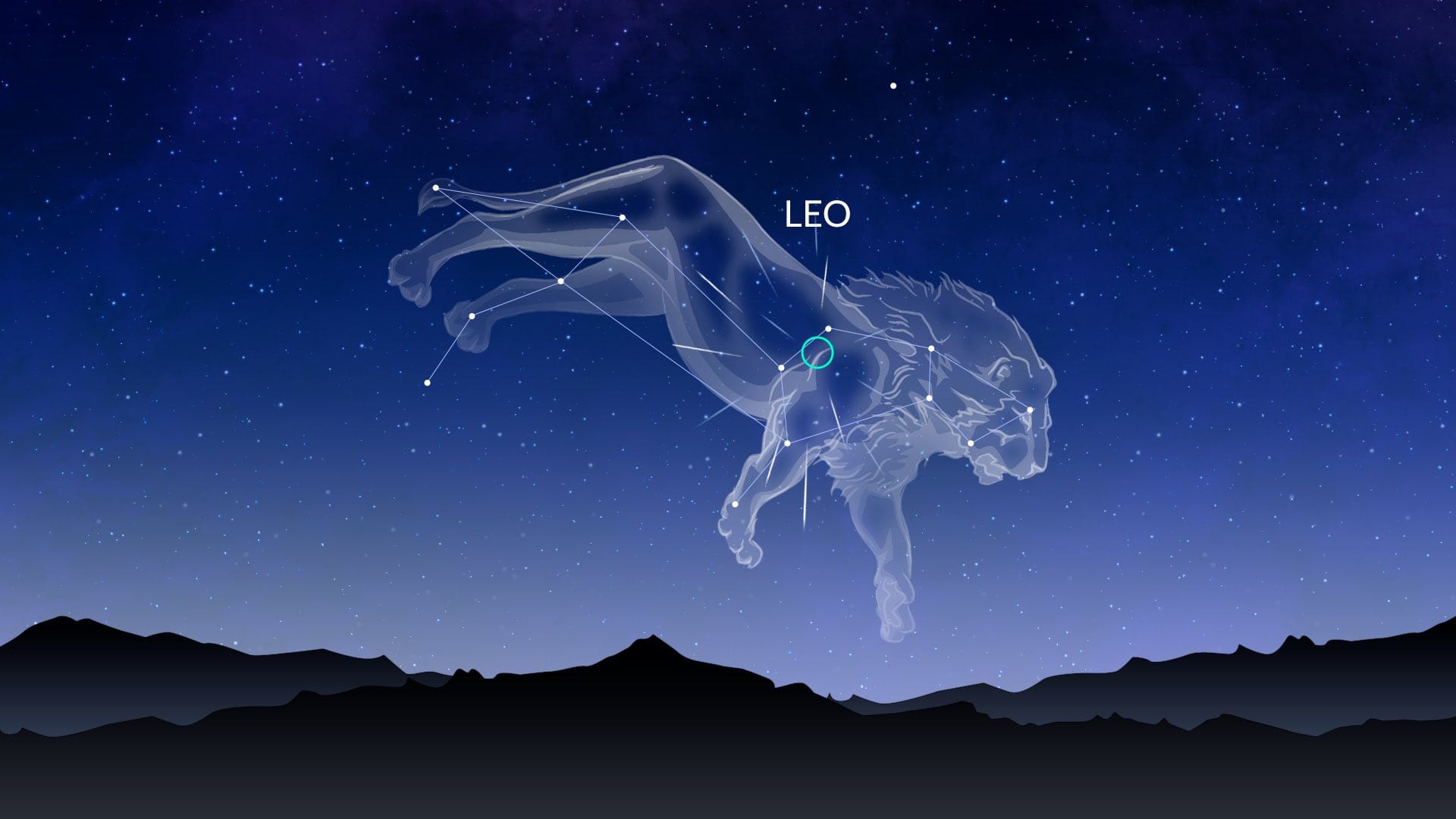
- Meteors per hour: Up to 15
- Moon illumination: 55%
- Best visible from: Northern Hemisphere
In 2026, the Leonid meteor shower peaks under a First Quarter Moon, so moonlight can wash out many of the fainter meteors. However, the Moon will set at around 11:00, so you’ll have the rest of the night for observations. Use the Sky Tonight app to find the Leonids’ radiant — the higher it is above the horizon, the more meteors you’re likely to see.
Read more: Leonids 2026 — When and How to See Them
Take a quiz: How to Catch a Shooting Star?
November 20: Mercury at greatest western elongation
On November 20, Mercury will reach its maximum angular separation from the Sun (19°37'), making this the best time to observe the planet. Mercury will have a magnitude of -0.6 and will be positioned in the constellation Libra. You can see it with the naked eye in the morning sky.
Read more: What Is Elongation in Astronomy
November 20: Moon near Neptune
On November 20, the 77%-illuminated Moon will be close to Neptune (mag 7.7) in the sky. The distance between the objects will be 4°24'. Observe them through binoculars or a telescope in the constellation Pisces.
Read more: Neptune — The Farthest & Windiest Planet in the Solar System
November 24: Full Moon (Supermoon)
November’s Full Moon is traditionally known as the Beaver Moon. In 2026, it will also be a Supermoon! At the moment of the Full Moon, our natural satellite will be in the constellation Taurus.
Read more: Beaver Supermoon in November 2026
November 24: Moon near the Pleiades
On November 24, the 100%-illuminated Moon will be very close to the Pleiades star cluster (mag 1.2) in the sky. The distance between the objects will be only 0°50'. Observe them with the naked eye or through a pair of binoculars in the constellation Taurus.
Read more: Pleiades — The “Seven Sisters”
November 24: Moon near Uranus
On November 24, the 93%-illuminated Moon will be close to Uranus (mag 5.6) in the sky. The distance between the objects will be 5°05'. Observe them through binoculars or a telescope in the constellation Taurus.
Read more: Uranus — The Coldest Planet
November 25: Mars near Regulus
On November 25, the red planet Mars (mag 0.6) will pass close to the blue-white star Regulus (mag 1.3) in the constellation Leo. The distance between the two objects will be 1°43'. Both Mars and Regulus will be visible to the naked eye.
Read more: Mars — Explore the Red Planet
November 25: Uranus at opposition ⭐
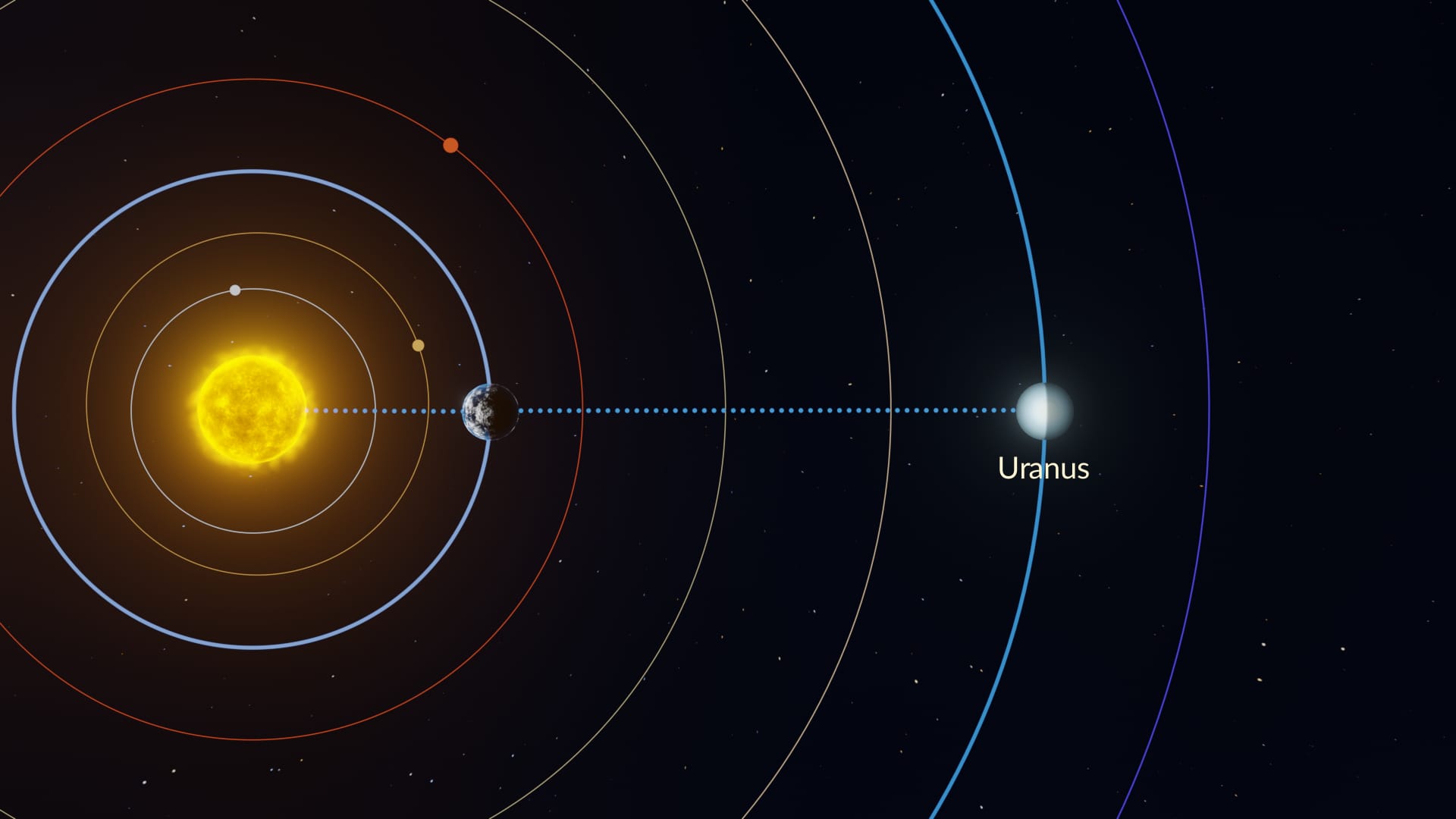
On November 25, Uranus will be directly opposite the Sun as seen from Earth. This is the best time to observe Uranus, as it will be at maximum brightness and visible all night. Around the opposition, Uranus will have a magnitude of 5.6; you can observe it through powerful binoculars or a telescope in the constellation Taurus. To quickly locate Uranus in the sky, use the Sky Tonight app.
Read more: Planetary Oppositions
November 28: Moon near Pollux
On November 28, the 84%-illuminated Moon will be close to the yellow-orange star Pollux (mag 1.1) in the sky. The distance between the objects will be 4°07'. Observe them with the naked eye or through a pair of binoculars in the constellation Gemini.
Read more: Pollux — The Brightest Star in Gemini
November 29: Moon near the Beehive Cluster
On November 29, the 74%-illuminated Moon will be very close to the Beehive Cluster (mag 3.1) in the sky. The distance between the objects will be only 0°10'. Observe them with the naked eye or through a pair of binoculars in the constellation Cancer.
Read more: Beehive Cluster — Stars, Location, Mythology
November 30: Moon near Jupiter
On November 30, the 60%-illuminated Moon will pass very close to Jupiter (mag -2.2) in the sky. The distance between the objects will be only 1°03'. Observe them with the naked eye or through a pair of binoculars in the constellation Leo. Also a lunar occultation of Jupiter will be visible from Argentina, Chile, Antarctica, and the Falkland Islands.
Read more: Facts About Jupiter — The Biggest Planet in the Solar System
November 30: Moon near Regulus
On November 30, the 57%-illuminated Moon will pass close to the blue-white star Regulus (mag 1.3) in the sky. The distance between the objects will be 1°01'. Observe them with the naked eye or through a pair of binoculars in the constellation Leo. Also, a lunar occultation of Regulus will be visible from New Zealand and Norfolk Island.
Read more: Regulus – The Brightest Star in Leo
November 30: Moon near Mars
On November 30, the 56%-illuminated Moon will be close to reddish Mars (mag 0.4) in the constellation Leo. The distance between the objects will be 2°59'. Both the Moon and Mars will be visible to the naked eye.
Read more: Mars — Explore the Red Planet
Astronomical events in December 2026
December 4: Moon near Spica
On December 4, the 17%-illuminated Moon will be close to the blue-white star Spica (mag 0.9) in the sky. The distance between the objects will be 2°19'. Observe them with the naked eye or through a pair of binoculars in the constellation Virgo. Note that the very thin lunar crescent may be hard to spot unless the sky is very dark.
Read more: Spica – Brightest Star In Virgo
December 12: Jupiter near Regulus
On December 12, Jupiter (mag -2.2) will pass close to the blue-white star Regulus (mag 1.3) in the constellation Leo. The distance between the two objects will be 3°12'. Both Jupiter and Regulus will be visible to the naked eye.
Read more: Facts About Jupiter — The Biggest Planet in the Solar System
December 13–14: Geminids’ peak ⭐
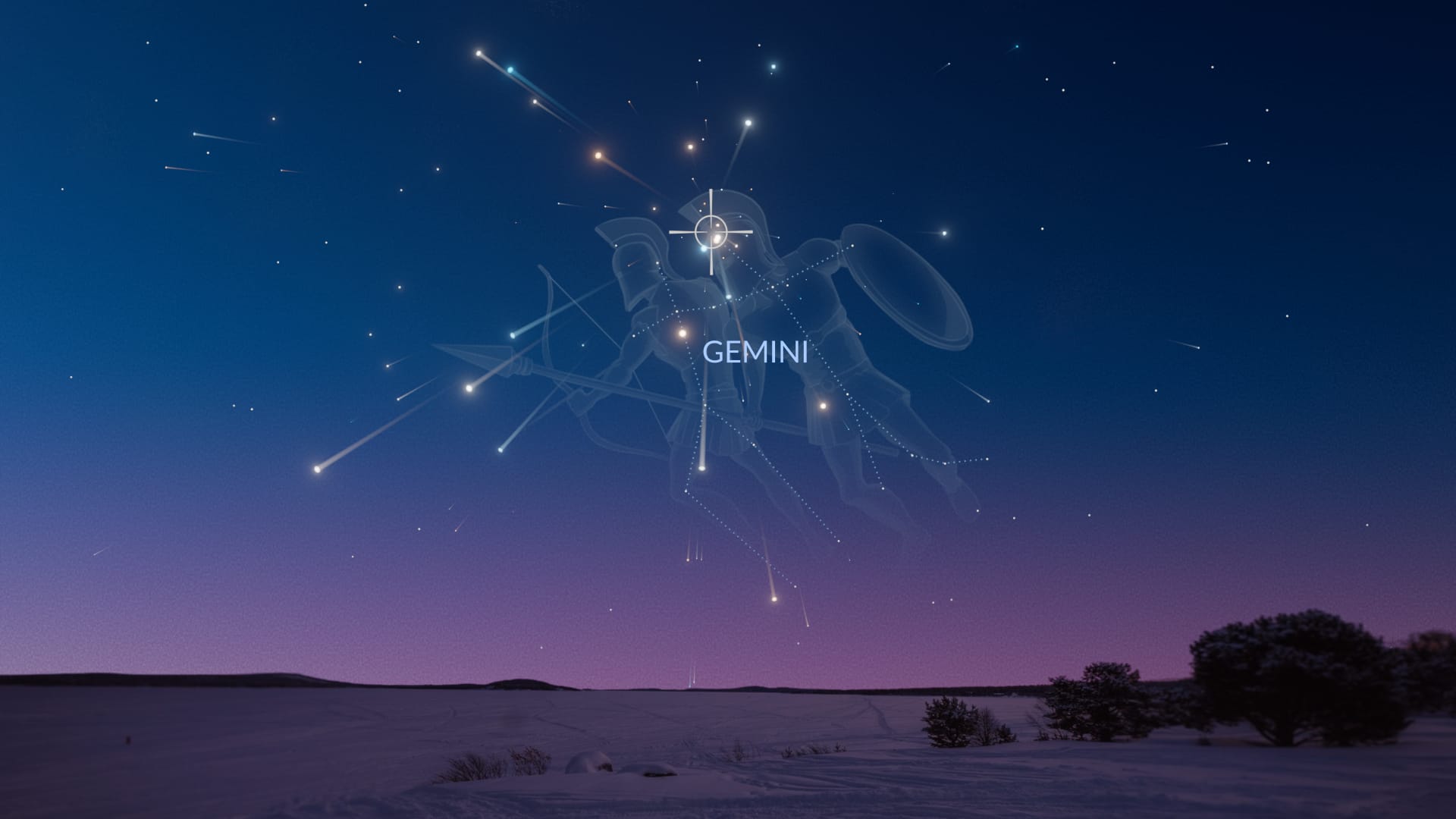
- Meteors per hour: Up to 150
- Moon illumination: 20%
- Best visible from: Northern Hemisphere
The Geminids are one of the most spectacular meteor showers of the year, known for bright, slow-moving meteors that can flash in different colors. In 2026, viewing conditions are favorable: the **waxing crescent Moon won’t spoil the show. In the Northern Hemisphere, the radiant in Gemini rises around sunset, so you can start watching already in the evening. In the Southern Hemisphere, the radiant rises closer to midnight and reaches its highest point around 2:00 local time. Use the Sky Tonight app to track the Geminids’ radiant — the higher it is above the horizon, the more meteors you’re likely to see.
Read more: Geminids 2026 — When and How to See Them
December 17: Moon near Neptune
On December 17, the 55%-illuminated Moon will be close to Neptune (mag 7.7) in the sky. The distance between the objects will be 4°37'. Observe them through binoculars or a telescope in the constellation Pisces.
Read more: Neptune — The Farthest & Windiest Planet in the Solar System
December 21: December Solstice
On December 21, a solstice will occur, marking the start of astronomical winter in the Northern Hemisphere and summer in the Southern Hemisphere. It will also bring the shortest day of the year to the north and the longest day to the south.
Read more: Winter Solstice 2026 — The Shortest Day of the Year
Take a quiz: Can You Tell an Equinox From a Solstice?
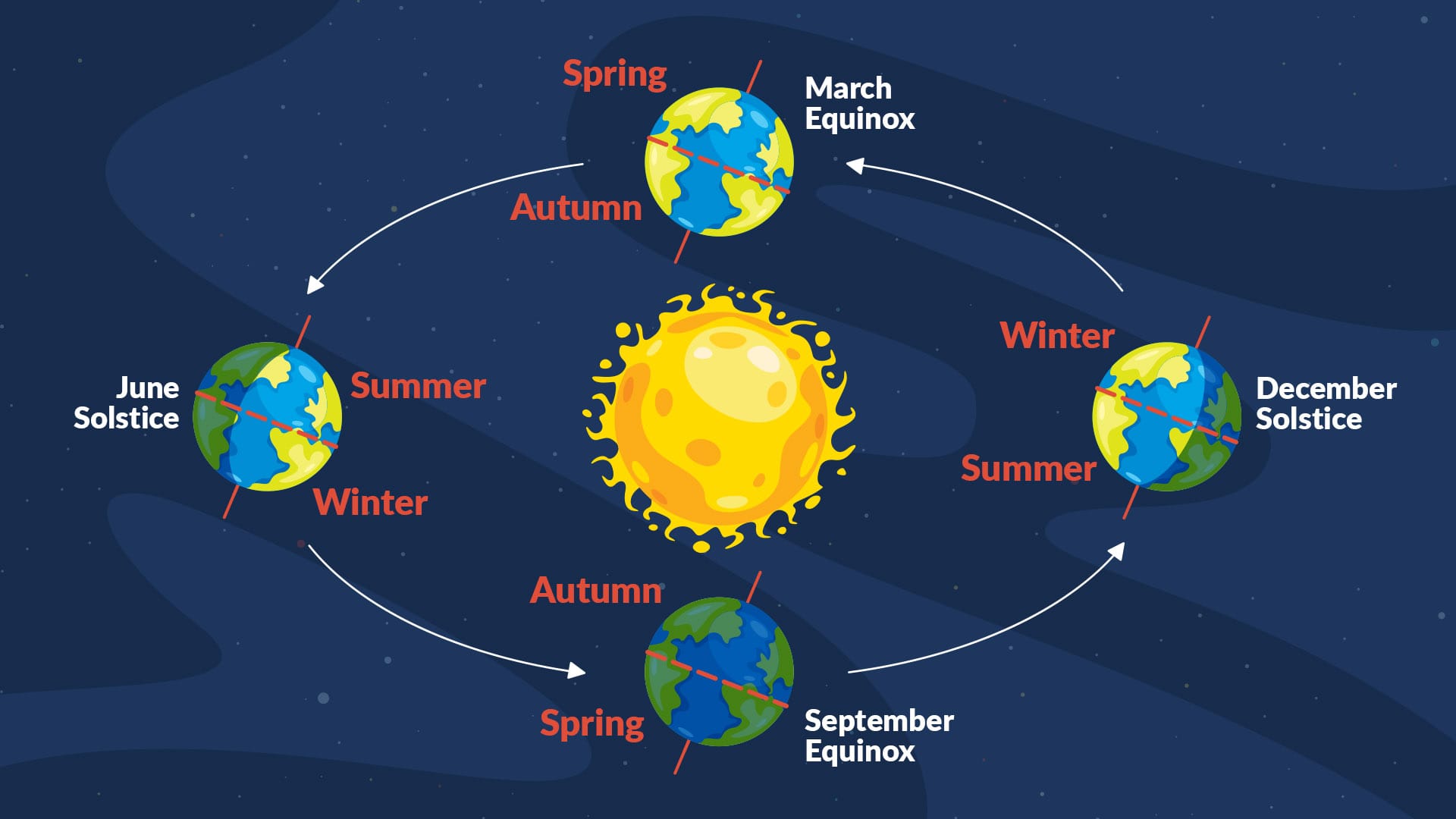
December 21: Moon near the Pleiades
On December 21, the 93%-illuminated Moon will be very close to the Pleiades star cluster (mag 1.2) in the sky. The distance between the objects will be only 0°57'. Observe them with the naked eye or through a pair of binoculars in the constellation Taurus.
Read more: Pleiades — The “Seven Sisters”
December 21–22: Ursids’ peak
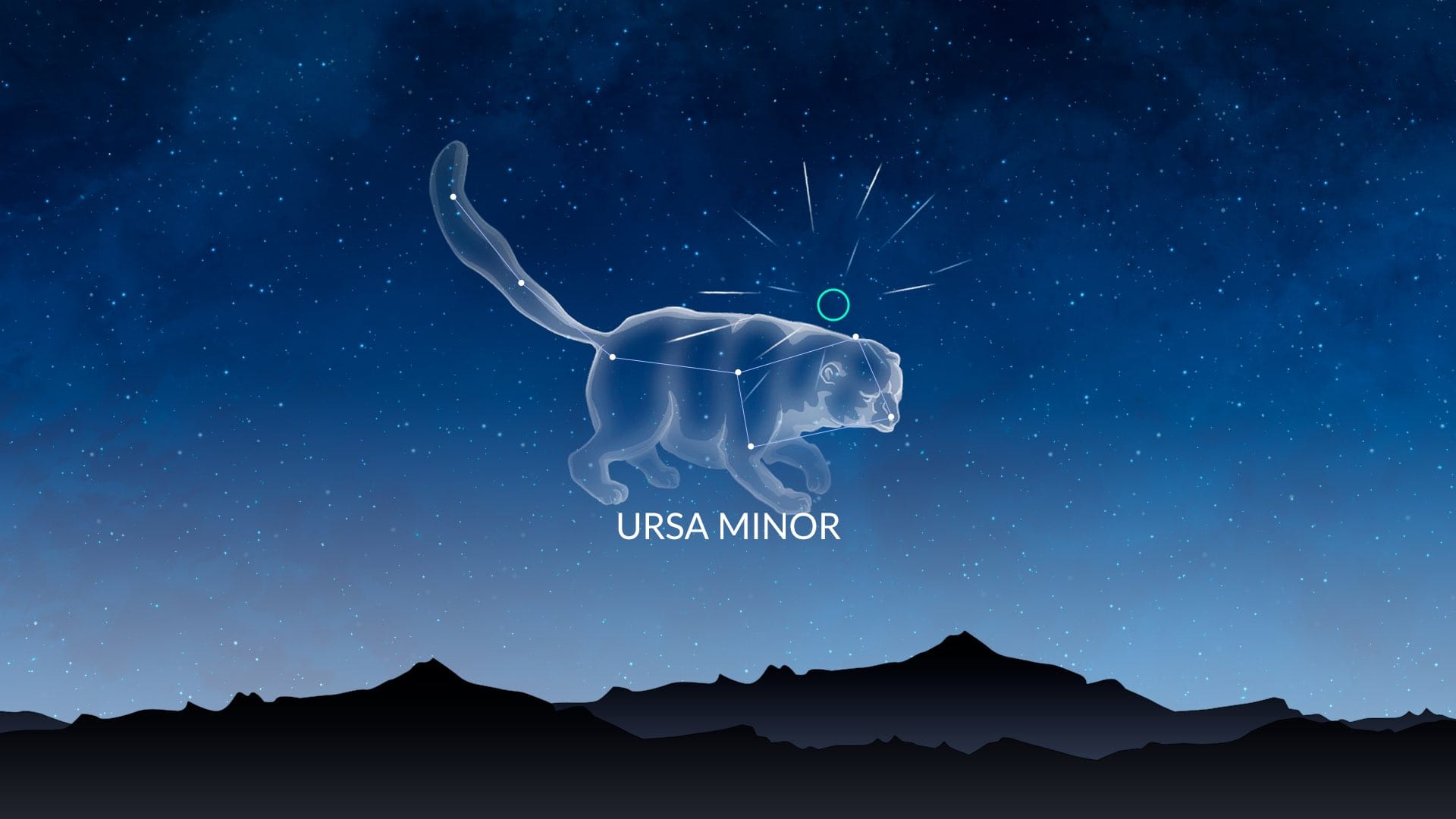
- Meteors/hour: Up to 10
- Moon illumination: 95%
- Best visible from: Northern Hemisphere
The Ursids are a minor meteor shower that peaks around the December solstice. Unfortunately, in 2026, viewing conditions will be poor: the peak falls just two days before the Full Moon, and bright moonlight will wash out many faint meteors. If you’re still planning to watch the shower, use the Sky Tonight app to find the Ursids’ radiant — the higher it is above the horizon, the more meteors you’re likely to see.
Read more: Ursids 2026 — When and How to See Them
December 22: Moon near Uranus
On December 22, the 94%-illuminated Moon will be close to Uranus (mag 5.6) in the sky. The distance between the objects will be 5°09'. Observe them through binoculars or a telescope in the constellation Taurus.
Read more: Uranus — The Coldest Planet
December 24: Full Moon (Supermoon) ⭐
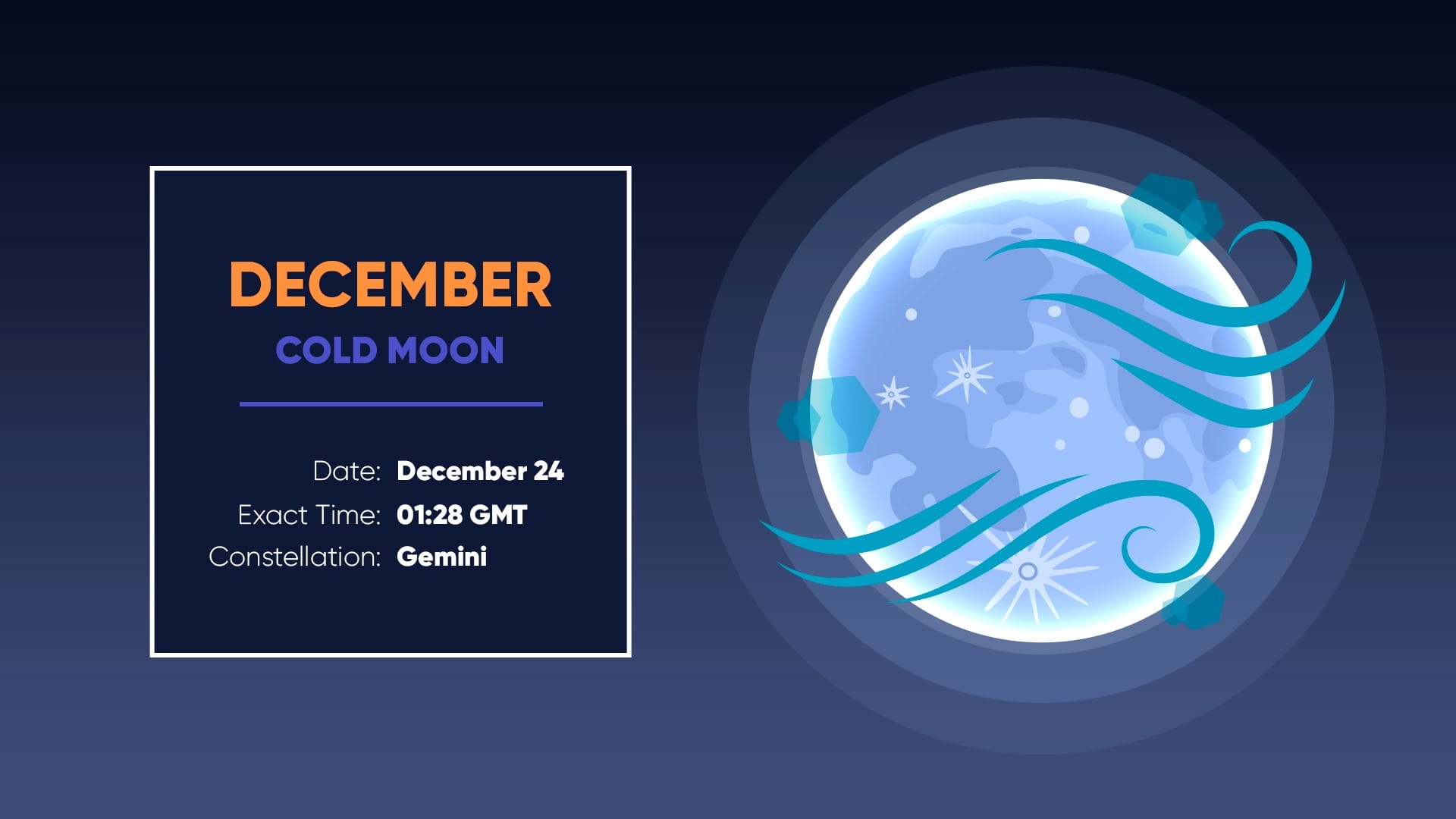
December’s Full Moon is traditionally known as the Cold Moon — and in 2026, it will be really special. First, it will be the largest Supermoon of the year, appearing about 8% larger and 16% brighter than an average Full Moon. Second, it will occur on Christmas Eve in the Western Christian tradition. That doesn’t happen often: the last December 24 Full Moon was in 1996. At the moment of the Full Moon, our natural satellite will be in the constellation Gemini. Use the Sky Tonight app to find out the moonrise time for your location, so you don’t miss the Full Moon's dramatic appearance above the horizon.
Read more: Cold Moon in December 2026 — the Christmas Eve Supermoon
December 25: Moon near Pollux
On December 25, the 97%-illuminated Moon will be close to the yellow-orange star Pollux (mag 1.1) in the sky. The distance between the objects will be 4°15'. Observe them with the naked eye or through a pair of binoculars in the constellation Gemini.
Read more: Pollux — The Brightest Star in Gemini
December 26: Moon near the Beehive Cluster
On December 26, the 92%-illuminated Moon will be very close to the Beehive Cluster (mag 3.1) in the sky. The distance between the objects will be only 0°10'. Observe them with the naked eye or through a pair of binoculars in the constellation Cancer.
Read more: Beehive Cluster — Stars, Location, Mythology
December 26–28: Moon forms an arc with Jupiter, Regulus, and Mars ⭐
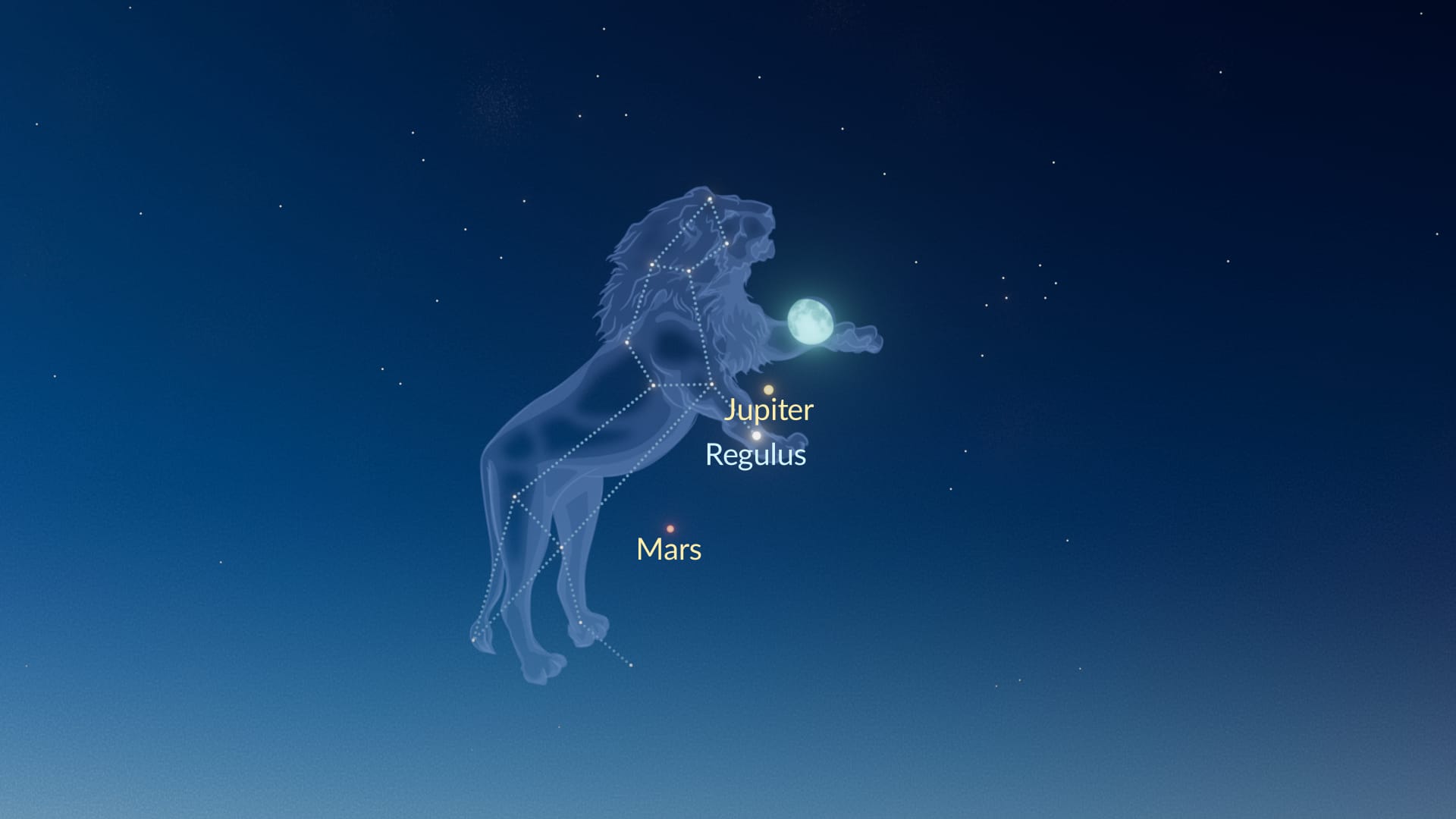
On the nights of December 26–27 and December 27–28, the nearly full Moon will appear in Leo alongside Jupiter, Mars, and the bright star Regulus, forming a noticeable arc in the sky. The grouping will be visible from both hemispheres, but easiest to observe in the Northern Hemisphere.
Read more: Bright “Star” Next to Moon — What Planet Is Near the Moon Tonight?
December 27: Moon near Jupiter
On December 27, the 82%-illuminated Moon will pass very close to Jupiter (mag -2.4) in the sky. The distance between the objects will be only 1°22'. Observe them with the naked eye or through a pair of binoculars in the constellation Leo.
Read more: Facts About Jupiter — The Biggest Planet in the Solar System
December 27: Moon near Regulus
On December 27, the 80%-illuminated Moon will pass close to the blue-white star Regulus (mag 1.3) in the sky. The distance between the objects will be 1°15'. Observe them with the naked eye or through a pair of binoculars in the constellation Leo.
Read more: Regulus – The Brightest Star in Leo
December 28: Moon near Mars
On December 28, the 73%-illuminated Moon will be close to reddish Mars (mag -0.1) in the constellation Leo. The distance between the objects will be 4°44'. Both the Moon and Mars will be visible to the naked eye.
Read more: Mars — Explore the Red Planet
All astronomical events of 2026: Bottom line
That’s the complete overview of major astronomical events in 2026 — from bright Supermoons and planetary oppositions to eclipses and the year’s best meteor showers. To see the highlights at a glance, check out our infographic. And whenever you’re ready to observe, let the Sky Tonight app guide you to the stars.
For detailed calendars focused on specific event types, see: