Guide to Orion the Hunter: Stars, Belt, Meaning & How to Find It
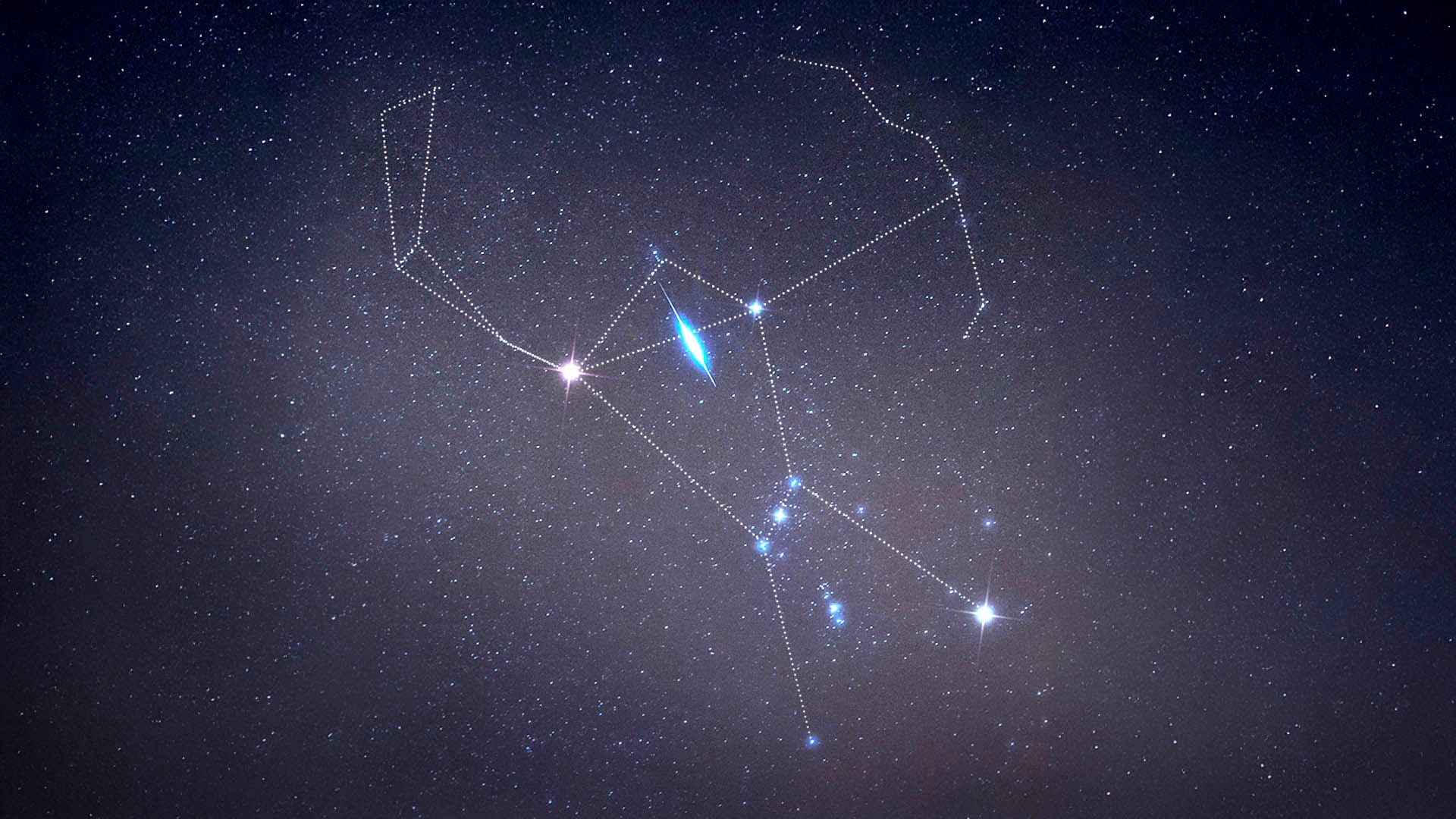
Orion is one of the easiest constellations to recognize, thanks to Orion’s Belt – three bright stars lined up in the night sky. In this guide, you’ll learn the main stars of Orion, what the Hunter constellation means, and when it’s best visible. Want to find Orion right now? Open the Sky Tonight app, search for “Orion,” and follow the sky map to spot the constellation above you.
Contents
- Orion Constellation Facts
- Orion Constellation Location
- Orion’s Belt Stars
- Bright Stars in the Orion Constellation
- Orion Meaning & Mythology
- Astrophotography in the Orion Constellation: Deep-Sky Objects
- F.A.Q.
- More Fun Facts About the Orion Constellation
- Constellation Orion: To Sum Up
Orion Constellation Facts
- Name: Orion
- Abbreviation: Ori
- Size: 594 sq. deg.
- Right ascension: 05h 35m 17.0s
- Declination: -05° 23' 27.99"
- Visible between: 85°N – 75°S
- Brightest star: Rigel (β Orionis)
- Main stars: 21
- Messier objects: 3
- Bordering constellations: Gemini, Taurus, Eridanus, Lepus, Monoceros
Orion is a bright constellation named after a hunter from Greek mythology. Its easiest feature to spot is Orion’s Belt – three stars in a nearly straight line: Alnitak, Alnilam, and Mintaka. The constellation also includes the Orion Nebula, one of the brightest nebulae in the night sky.
Orion Constellation Location
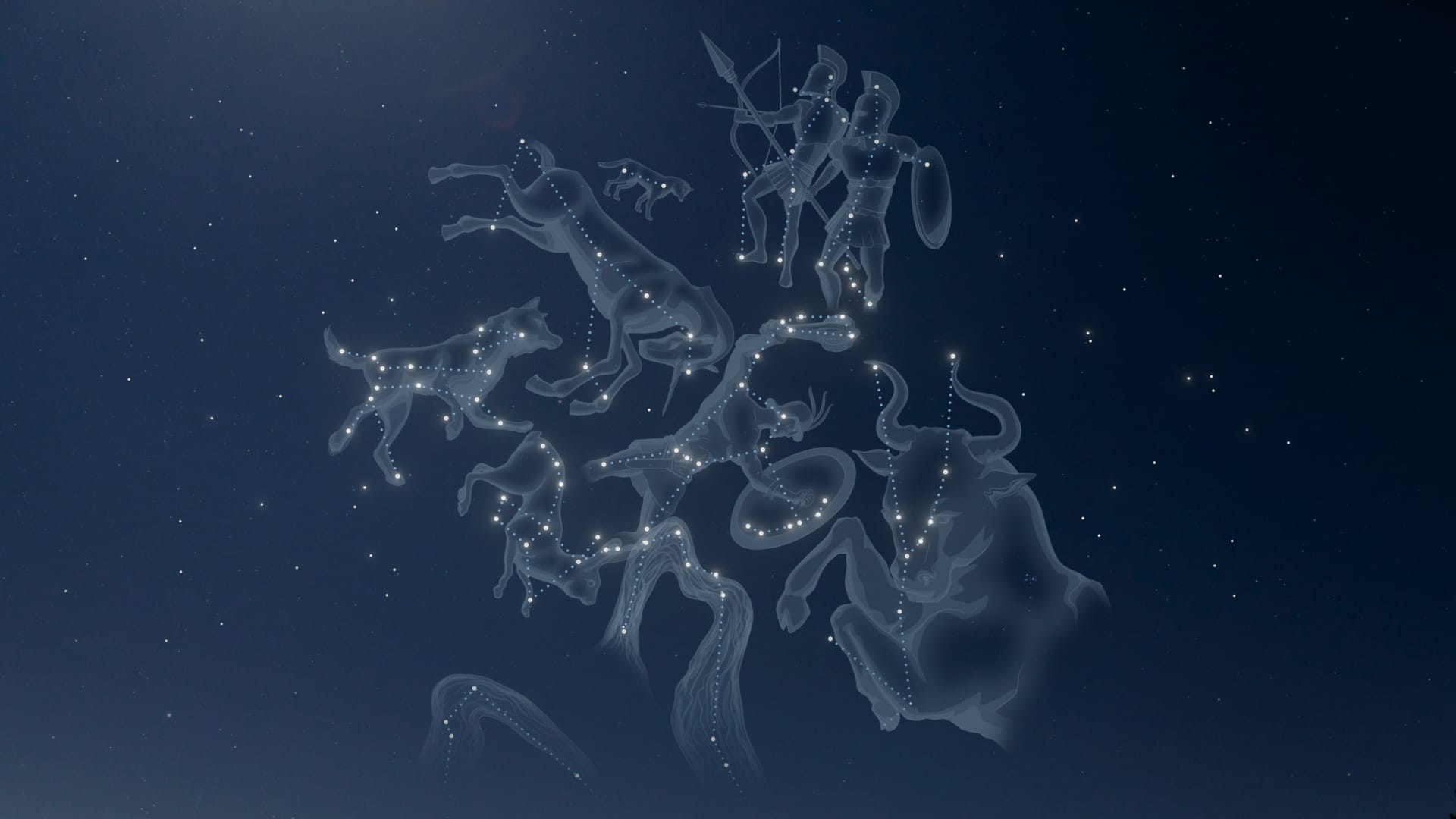
The constellation Orion takes up 594 sq. deg. of the sky and is the 26th largest of 88 officially recognized constellations. It is placed between the constellations Monoceros and Taurus; Eridanus and Lepus can be found under Orion’s feet, and Gemini is above his head.
The constellation belongs to the Orion family, which also includes Canis Major, Canis Minor, Lepus, and Monoceros. They represent a hunting scene: Orion and his dogs are chasing down the hare while the unicorn is prancing by.
Where Is the Orion Constellation in the Sky?
Orion is located on the celestial equator and is visible throughout the world. Observers from the Northern Hemisphere can see it in the southwestern skies during winter evenings. In the Southern Hemisphere, Orion can be found in the northwestern skies.
What Does the Orion Constellation Look Like?
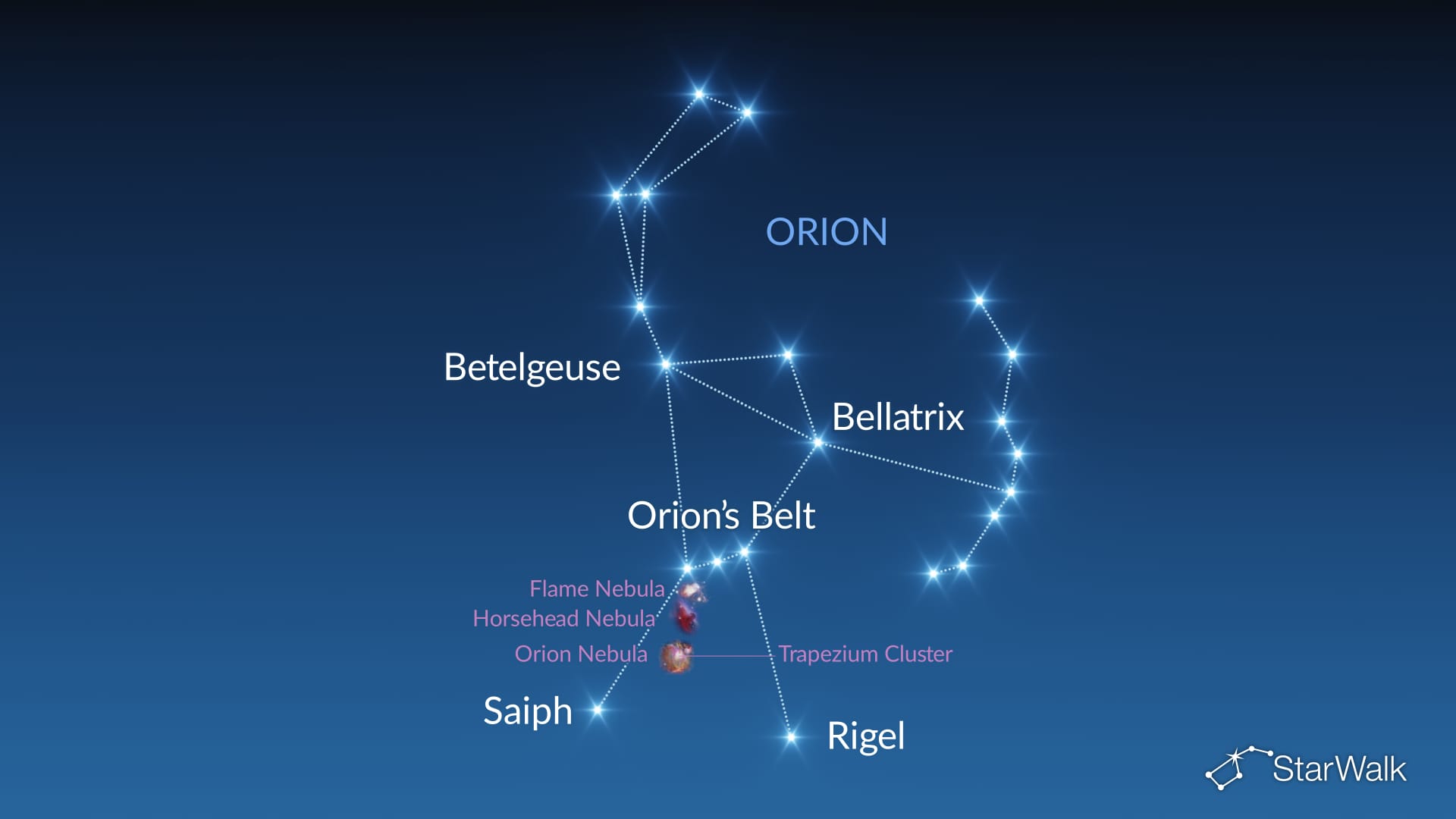
Orion is one of the most recognizable constellations because it has a prominent feature that is easily visible from anywhere in the world. Of course, we are talking about the Orion’s Belt asterism – a three-star line marking the waist of the Hunter. Once you spot it, you can easily find the rest of the stars that form the figure of Orion:
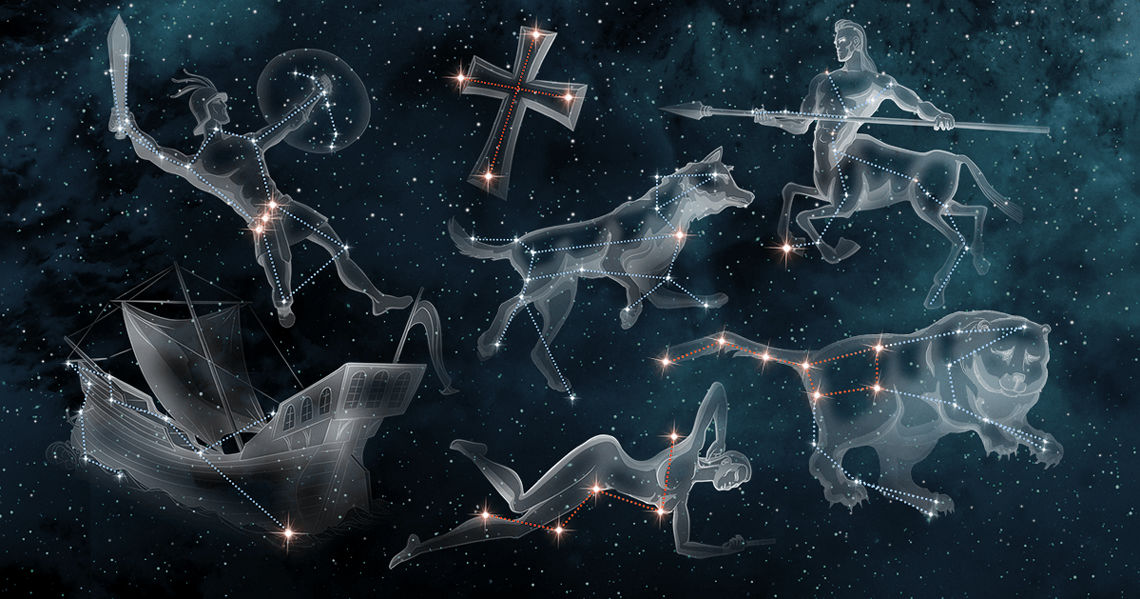
- icy-blue Rigel (the brightest star in the constellation) and Saiph mark his feet;
- reddish Betelgeuse (the second brightest star in the constellation) and Bellatrix mark Orion’s shoulders;
- Meissa, which marks the Hunter’s head, forms a nearly equilateral triangle with Betelgeuse and Bellatrix;
- not far from Betelgeuse, there is μ Orionis, which marks the elbow of the right hand that is raised above Orion’s head;
- in his right arm, Orion holds a club made up of ν, ξ, χ¹, and χ² Orionis;
- in his left arm, he is holding a shield marked by 11 Orionis, ο² Orionis, and a group of stars, all designated π Orionis (π¹ Ori, π² Ori, π³ Ori, π⁴ Ori, π⁵ Ori, and π⁶ Ori);
- Orion also has a sword hanging from his belt. On the tip of its blade, there’s the Orion Nebula.
How to Find the Orion Constellation?
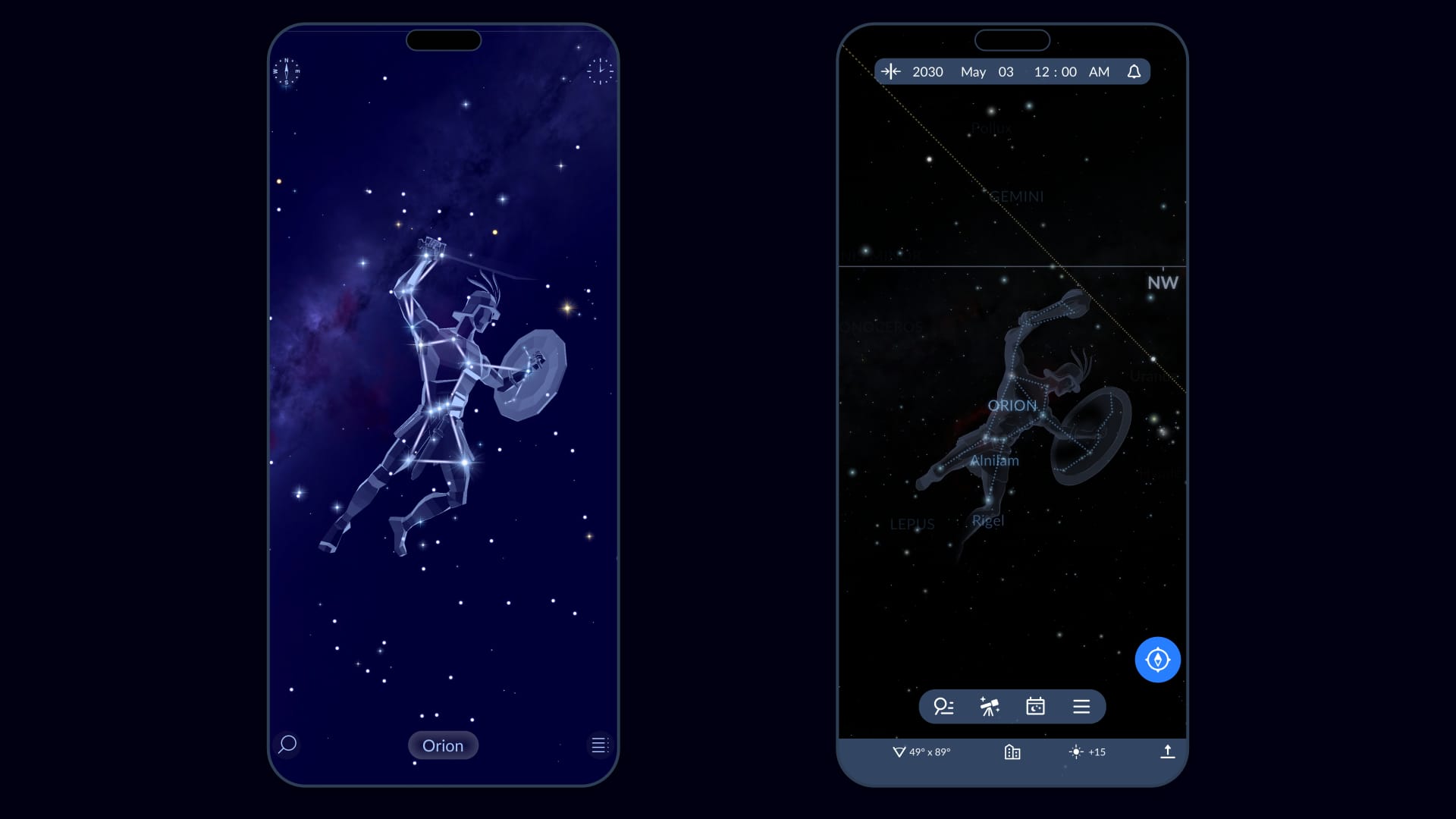
The easiest way to find Orion is to use stargazing apps. This way, you will not be mistaken and will identify all the stars correctly. We’ll explain how to find the constellation using the Star Walk 2 and Sky Tonight apps.
- Launch the app and tap the magnifier icon in the lower-left corner of the screen;
- Type “Orion” in the search bar;
- Tap the corresponding search result;
- You’ll see the constellation’s current position in the sky;
- Point your device at the sky and follow the white arrow to find the constellation.
For a visual representation, watch the video tutorial and follow the steps given there.
- Launch the app and tap the magnifier icon at the lower part of the screen;
- Type “Orion” in the search bar;
- Tap the target icon opposite the corresponding search result;
- You’ll see the constellation’s current position in the sky;
- Point your device at the sky and follow the white arrow to find the constellation.
Orion’s Belt Stars
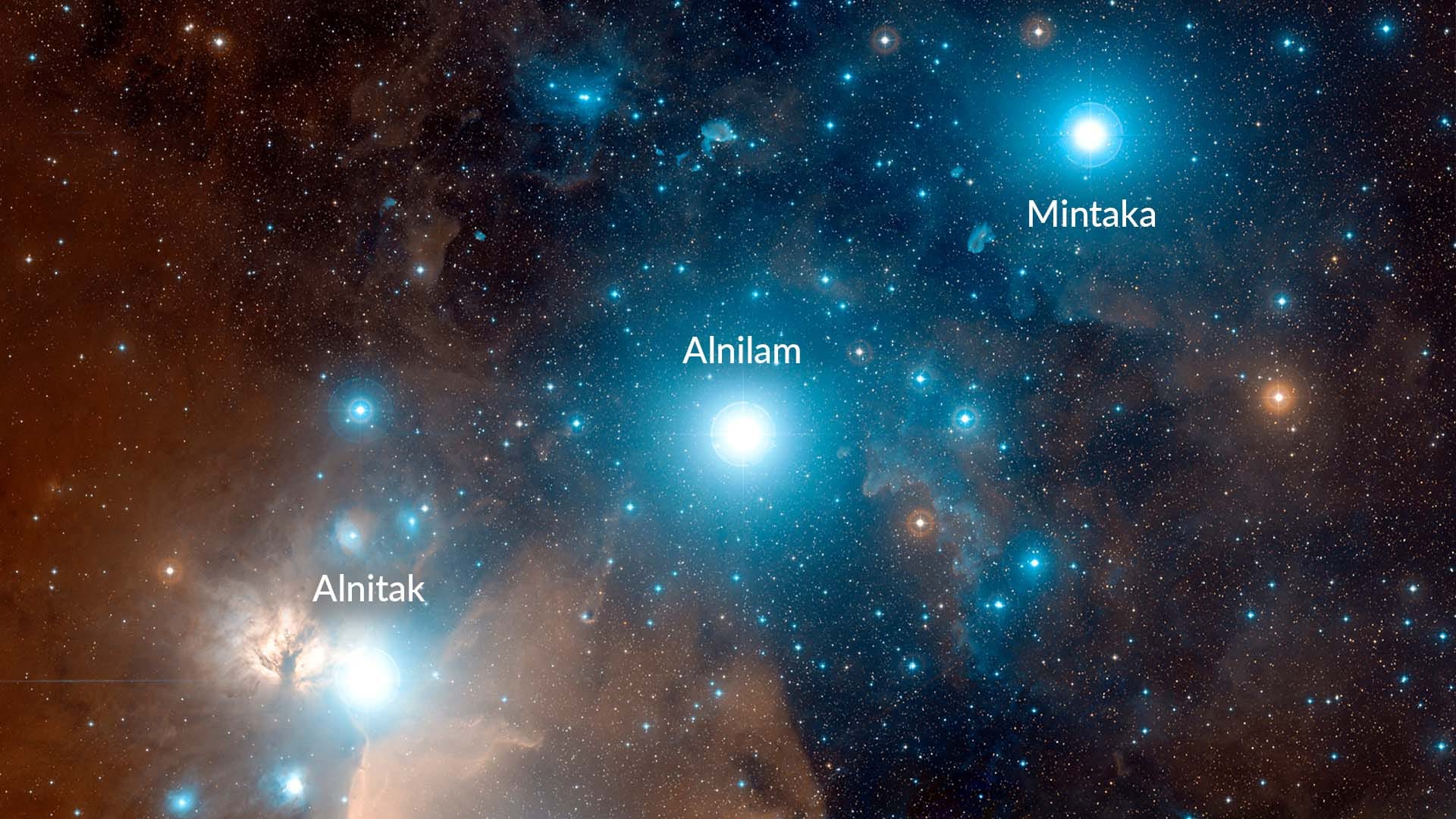

Both amateur stargazers and skilled astronomers are familiar with Orion’s Belt, which is a prominent star pattern often used for navigating the sky. It consists of three evenly spaced stars that form a nearly straight line. They likely formed around the same time from the same molecular cloud complex in this region, within the same sky region we now know as Orion’s belt.
Alnitak
- Other names: ζ Orionis, 50 Orionis, HIP 26727
- Type: triple-star system
- Magnitude: 1.77
- Name’s origin: “the griddle” (Arabic)
- Description: Alnitak is located at about 1,260 light-years from the Sun. One of the system’s components, Alnitak Ab, is one of the oldest stars in the constellation Orion (about 7.2 million years old).
Alnilam
- Other names: ε Ori, Epsilon Orionis, 46 Orionis, HD 37128, HIP 26311
- Type: blue supergiant
- Magnitude: 1.64 to 1.74
- Name’s origin: “string of pearls” (Arabic)
- Description: Alnilam is the central star of Orion’s Belt. It is located about 2,000 light-years from the Solar System. It is estimated to be 275,000 to 832,000 times as luminous as the Sun and about 40 times as massive.
Mintaka
- Other names: δ Ori, Delta Orionis, 34 Orionis, HIP 25930
- Type: multiple-star system
- Magnitude: 2.23
- Name’s origin: “the belt” (Arabic)
- Description: Mintaka lies about 1,200 light-years from us. It’s 24 times as heavy as the Sun.
Where Is Orion’s Belt Tonight?
Stars appear to move constantly across the celestial dome. To find Orion’s Belt in the sky, use Sky Tonight: tap on the magnifying glass icon in the lower part of the screen and type the name of the asterism into the search field. Then, tap the blue target icon, and the app will show Orion’s Belt on the sky map. Point your device up and follow the white arrow to learn the Belt’s position in the sky. You can activate AR mode by tapping the big blue button in the lower right.
Bright Stars in the Orion Constellation
With many prominent stars brighter than magnitude 4, Orion is easy to see with the naked eye.
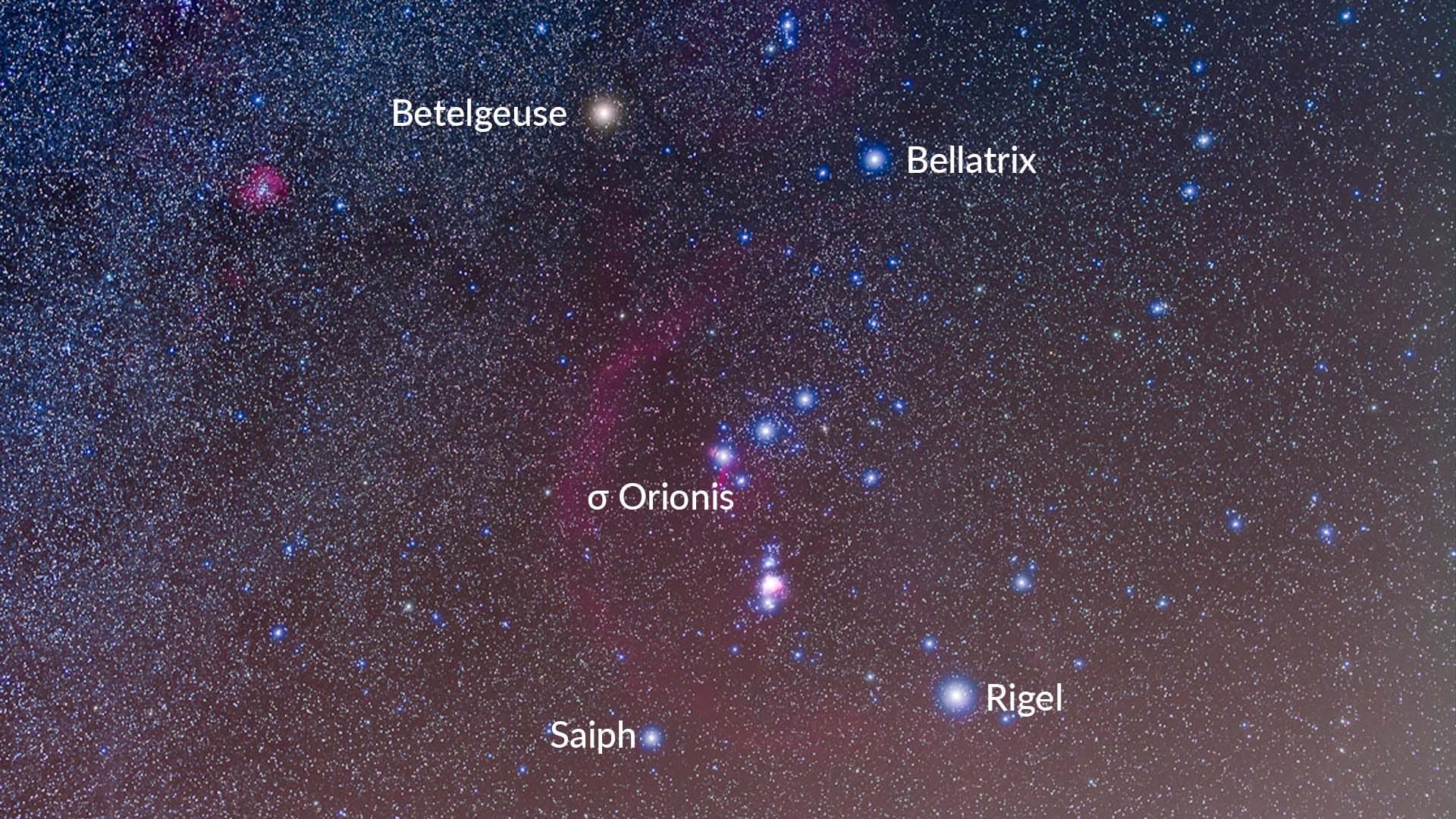
| Star | Location in Orion | Type | Magnitude |
|---|---|---|---|
| Rigel | Foot | Blue supergiant | 0.05–0.18 |
| Betelgeuse | Shoulder | Red supergiant | 0.0–1.6 |
| Bellatrix | Shoulder | Blue giant | 1.59–1.64 |
| Saiph | Foot | Blue supergiant | 2.06–2.09 |
| Alnitak | Belt | Triple-star system | 1.77 |
| Alnilam | Belt | Blue supergiant | 1.64–1.74 |
| Mintaka | Belt | Multiple-star system | 2.23 |
Rigel
- Other names: β Ori, Beta Orionis, HR 1713, HIP 24436
- Type: blue supergiant
- Magnitude: from 0.05 to 0.18
- Name’s origin: “left foot or leg” (Arabic)
- Description: Rigel is the brightest star in Orion and the 7th brightest star in the night sky. It is located at a distance of about 860 light-years from the Solar System.
Betelgeuse
- Other names: α Ori, Alpha Orionis, HR 2061, HIP 27989
- Type: red supergiant
- Magnitude: from 0.0 to 1.6
- Name’s origin: “armpit of the giant” (Arabic)
- Description: Betelgeuse is the second brightest star in Orion and the 10th brightest star in the night sky. It is the nearest red supergiant star to the Earth, located at about 724 light-years from our planet.
Betelgeuse is nearing the end of its life cycle and is expected to explode as a supernova, which could make it one of the brightest objects in the night sky for a time. Read the article to learn more about when we'll see Betelgeuse going supernova.
Bellatrix
- Other names: γ Ori, Gamma Orionis, HR 1790, HIP 25336
- Type: blue giant
- Magnitude: from 1.59 to 1.64
- Name’s origin: “female warrior” (Latin)
- Description: Bellatrix is the third-brightest star in Orion. Bellatrix is one of the hottest stars you can see with the naked eye: it has a temperature of 21,477°C (for comparison, the Sun is 5,500°C).
Saiph
- Other names: κ Ori, Kappa Orionis, 53 Orionis, HR 2004, HIP 27366
- Type: blue supergiant
- Magnitude: 2.06 to 2.09
- Name’s origin: “sword of the giant” (Arabic)
- Description: Saiph is the sixth-brightest star in the constellation Orion. It lies about 650 light-years from the Solar System and shines in blue-white color.
σ Orionis
- Other names: σ Ori, Sigma Orionis, HR 1931, HIP 26549
- Type: multiple-star system
- Magnitude: 3.80
- Description: It is a part of the eponymous star cluster that can be found in the same telescopic field of view as the Horsehead Nebula.
Orion Meaning & Mythology
The name Orion comes from Greek mythology, where Orion was a mighty legendary hunter. This is why the constellation is also commonly called the Hunter. The Orion constellation is usually depicted as a hero holding a club or sword, carrying a shield, and wearing a belt marked by three bright stars.
There are many different versions of how Orion became a constellation. According to one of them, he was stung by a giant scorpion sent by Gaea – the goddess of the Earth. She didn’t like the way Orion boasted about being able to kill every animal in the world. So the goddess Artemis asked Zeus to place her fellow hunter in the skies, and he turned Orion into a constellation, as well as the giant scorpion.
Orion Constellation Earliest Recognition & Myths
Orion is one of the oldest known constellations. The pattern in the constellation Orion was recognized as a human figure by many ancient cultures all over the planet. For example, a small mammoth-ivory tablet found in the Ach Valley, Germany, has been interpreted as a possible depiction of Orion. The artifact is dated to roughly 32,500–38,000 years old.
In Babylonian star catalogs, the stars of Orion were known as MULSIPA.ZI.AN.NA, often translated as “The Heavenly Shepherd” or “True Shepherd of Anu”; Anu was the chief god of the heavens.
Orion Constellation Myths in Other Cultures
The constellation is reflected in Sumerian mythology, specifically in the myth of Gilgamesh. Sumerians associated it with the story of the hero fighting the bull of Heaven, represented by Taurus. It can also be connected to a story of the attack on Gilgamesh by the scorpion men. The Arabs saw the constellation as the figure of a giant. Ancient Indians saw the figure of a man who had been shot by an arrow (represented by the stars in Orion's belt).
Astrophotography in the Orion Constellation: Deep-Sky Objects
The constellation Orion contains three Messier objects, one of which – the Orion Nebula – we’ll take a closer look at. Many of the deep-sky objects in Orion are part of the Orion molecular cloud complex.
Orion Nebula
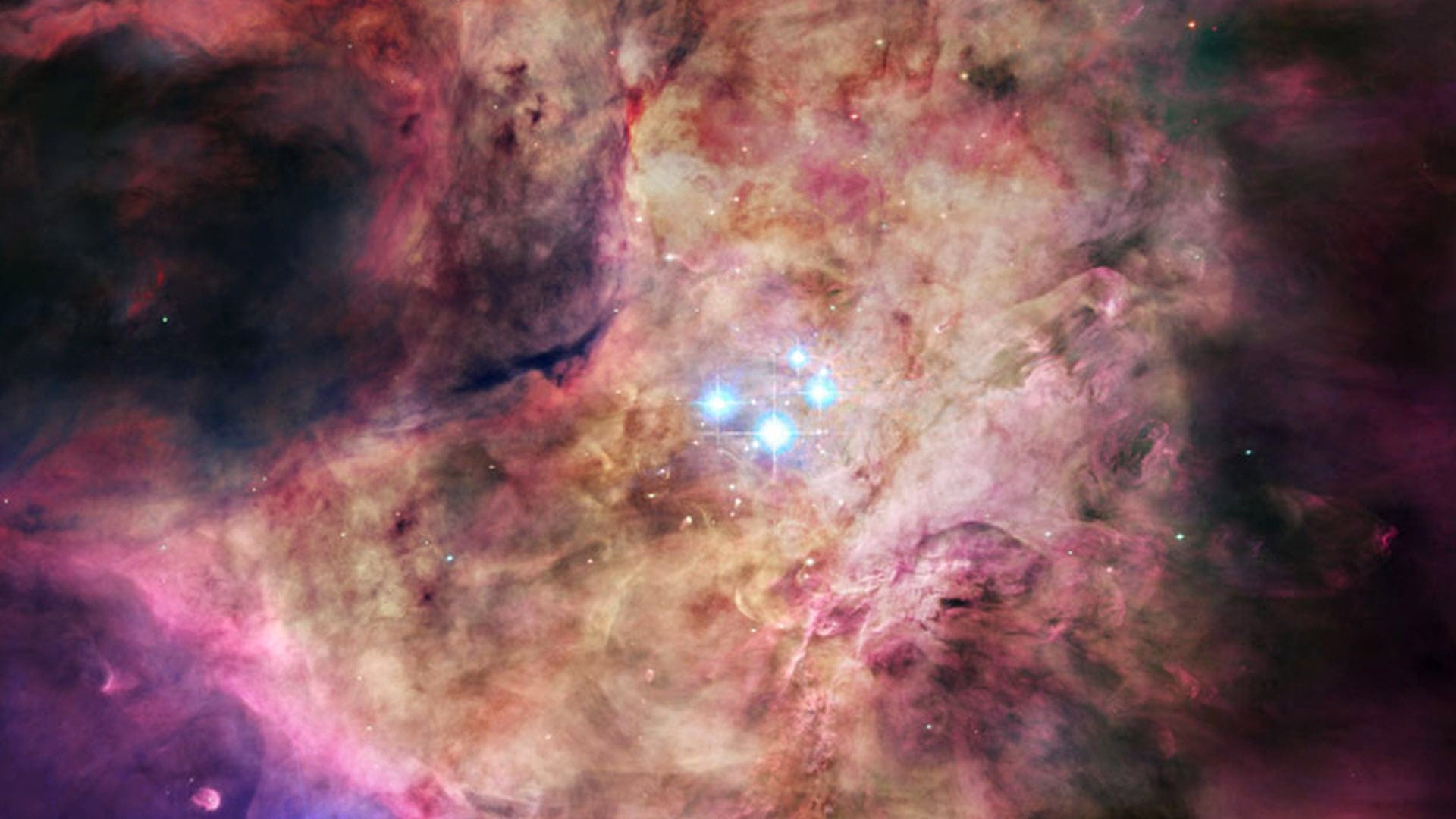
The Orion Nebula (M42, Messier 42, NGC 1976) can be found near the Orion’s Belt. It is one of the brightest nebulae: with an apparent magnitude of 4.0, it can be spotted without optical aid. To the naked eye, it appears like a star. Binoculars or a small telescope reveal the nebulosity.

Trapezium Cluster
The Trapezium Cluster (Theta1 Orionis) is an open cluster located in the heart of the Orion Nebula. Through binoculars, the cluster appears as a single star. Medium-aperture telescopes resolve the four brightest stars forming the trapezium asterism. Through a big telescope, you can see more stars and nebulosity illuminated.
Horsehead Nebula
The Horsehead Nebula (Barnard 33, IC 434) is a small absorption nebula in the constellation Orion. It can be seen in the sky near the star Alnitak. The nebula is known as one of the most challenging objects to observe through a telescope, so amateur astronomers often use it to test their skills. Also, it is one of the most popular astrophotography targets.
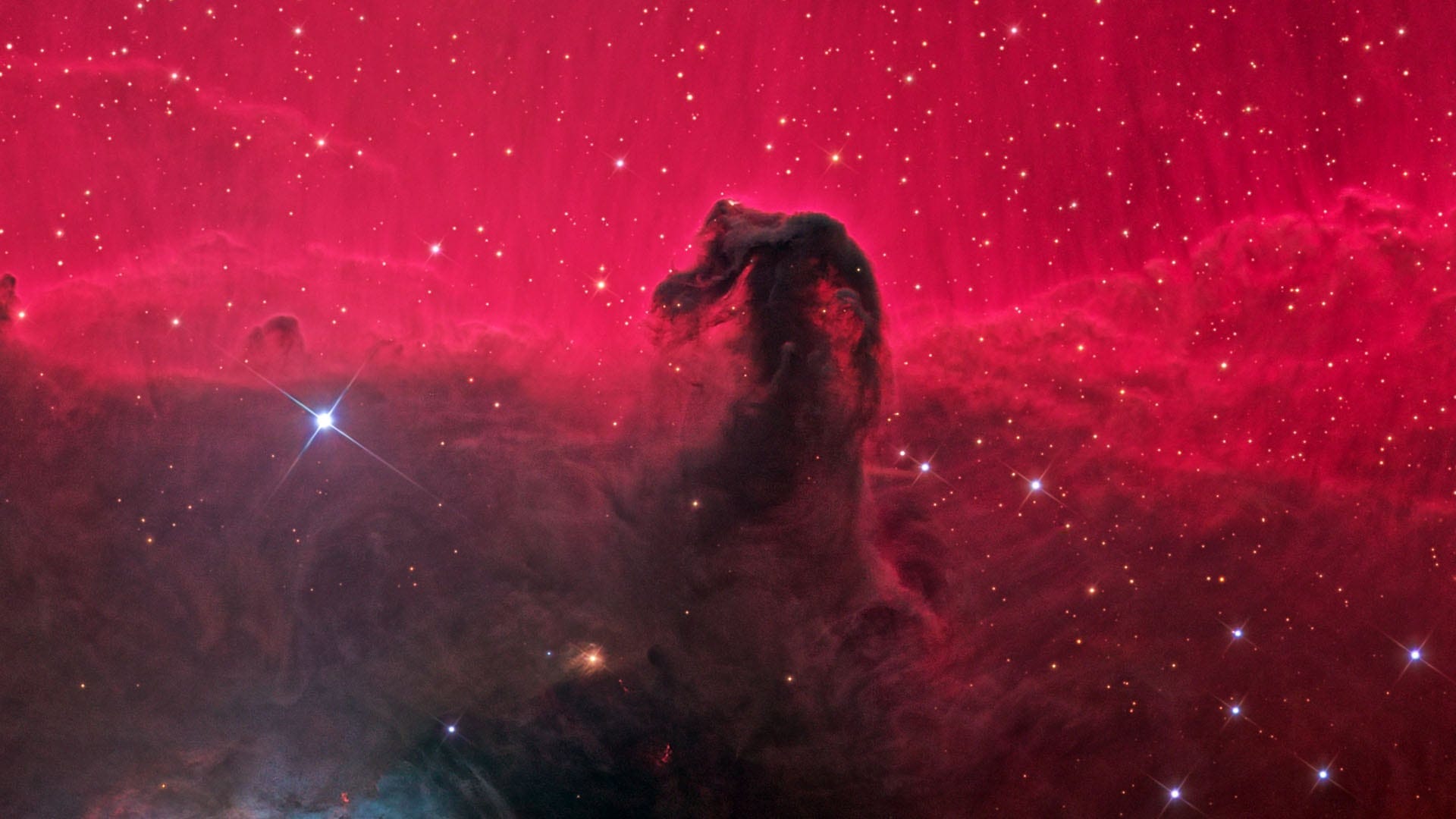
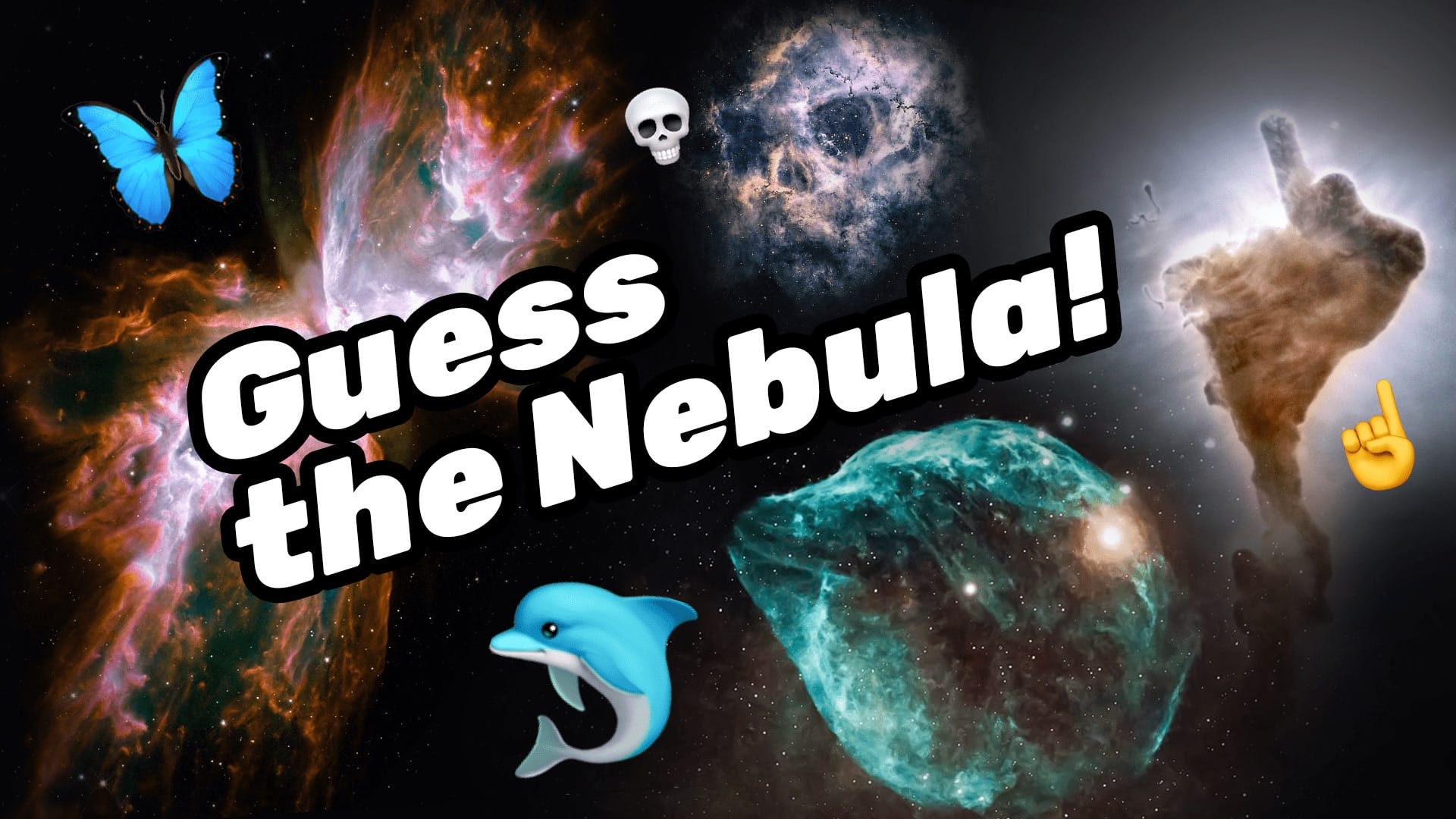
The Horsehead Nebula is one of the most recognizable nebulae as it resembles a horse’s head. But can you identify some other nebulae with telling names? Take our quiz to look through the stunning photos of the numerous sky objects, and guess what they are called!
The Flame Nebula
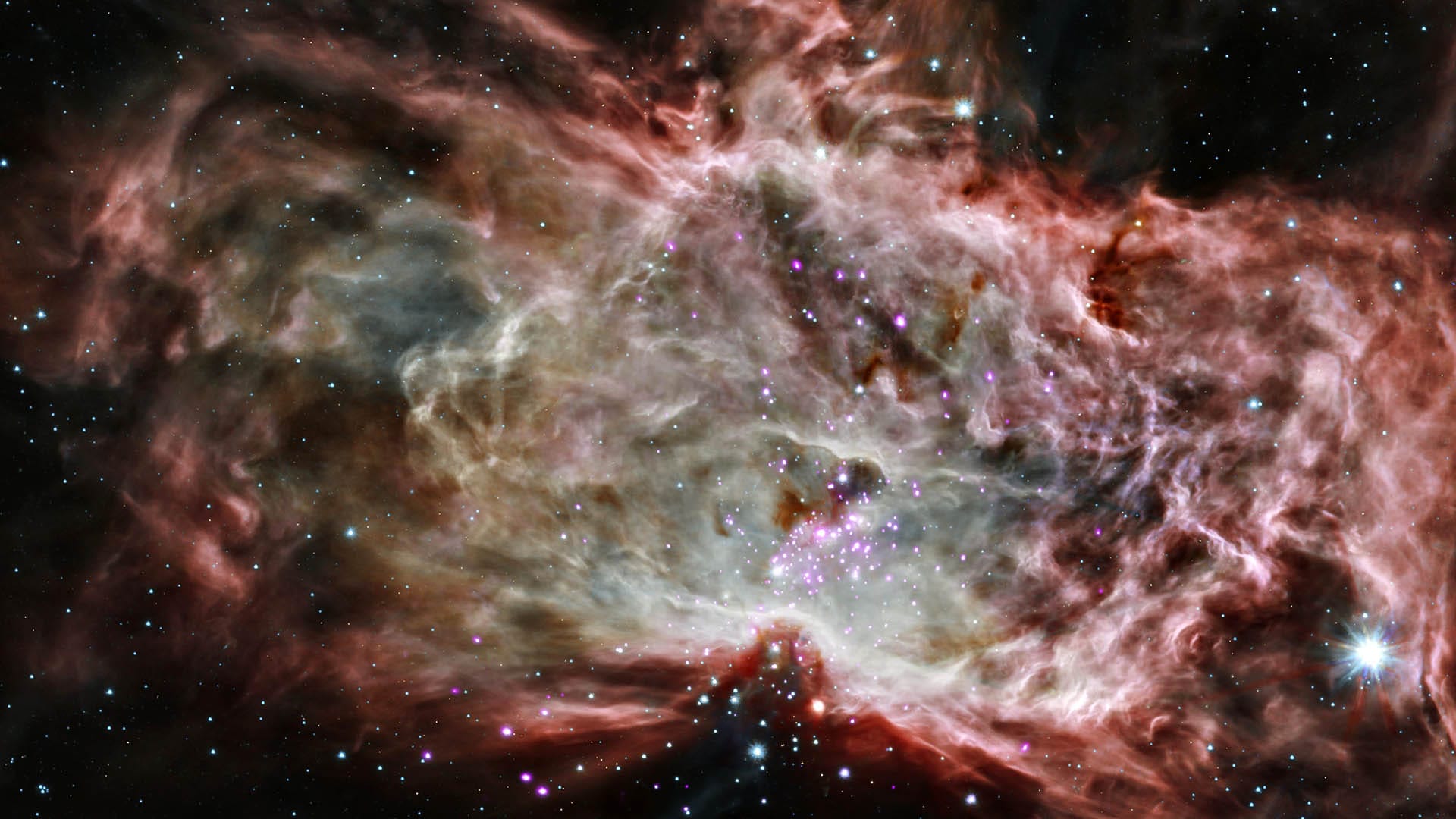
The Flame Nebula (NGC 2024, Sh2-277) is an emission nebula in the constellation Orion. It lies approximately 1,350 light-years from the Earth and has an apparent magnitude of 10. It is lit by a star inside it that is 20 times the mass of the Sun and could be as bright to our eyes as the other stars in Orion's Belt. However, it is surrounded by a cloud of dust, which blocks the light and makes it appear 4 billion times dimmer than it actually is.
F.A.Q.
What is special about the Orion constellation?
Orion is visible from everywhere on the Earth and is one of the most recognizable constellations: it holds the famous Orion’s Belt asterism often used for locating other bright stars. Orion has two of the ten brightest stars in the night sky and many deep-sky targets good for amateur and seasoned astronomers. Also, one of the most prolific meteor showers of the year, the Orionids, is associated with the constellation.
What does the Orion constellation look like?
The most prominent stars in the constellation Orion form an hourglass-shaped star pattern: Rigel and Saiph mark the feet, Betelgeuse and Bellatrix mark the arms and the stars of Orion’s Belt form the waist. It is depicted as a hunter holding a bow with an arrow or a club (or sword) and shield.
How many stars are in the Orion constellation?
Twenty-one stars form Orion’s outline: the seven brightest mark the Hunter’s body and the renowned Belt, and the rest mark his club and shield. Of all the stars within the constellation’s borders, 10 have formal names approved by the IAU, 81 have Bayer/Flamsteed designations, and more than 200 are listed in the Hipparcos Catalog.
What is the brightest star in the Orion constellation?
Rigel is the most prominent star in the constellation Orion. It is one of the brightest stars in the night sky and can be easily found with the naked eye.
When can you see the Orion constellation?
The constellation Orion is prominently visible in the evening sky from November to early May, with its peak observation period occurring between January and April. During these months, Orion rises to its highest point and remains visible throughout the night. Additionally, it can be seen in the morning sky from late July to November. However, from May to July, Orion is positioned in the daytime sky, making it invisible from most latitudes.
What is the Hunter constellation?
The Hunter constellation is Orion. It represents a hunter in Greek mythology and is one of the most recognizable constellations in the night sky.
More Fun Facts About the Orion Constellation
- Orion is one of the few constellations that can be seen from almost every part of the world.
- Orion is home to two meteor showers – the famous Orionids and their less prolific “cousin” Chi Orionids. Both of them are associated with Halley’s comet.
- At mid-northern latitudes, Orion heralds the winter, as the constellation is known to rise the highest in the evening sky in January. In the Southern Hemisphere, however, Orion is visible during the summer months (and appears upside down).
- Some believe the pyramids of Giza are aligned with the stars of Orion's Belt, but so far this theory has not been proven conclusively and there are many points against it.
Constellation Orion: To Sum Up
Orion is one of the most famous constellations because it is bright, easy to recognize, and visible from both hemispheres. Its stars include blue-white Rigel, red supergiant Betelgeuse, the three Belt stars, and the Orion Nebula – a bright stellar nursery where new stars are forming. Whether you’re observing with the naked eye, binoculars, or a telescope, Orion has something worth seeing. To find the constellation and its deep-sky objects faster, open Sky Tonight, type “Orion” in the search bar, and let the app show you where the celestial Hunter is in your sky right now.