Constellations & Asterisms
A constellation is an area in the sky containing a group of stars that looks like a particular shape. Throughout history, constellations served to navigate the sky, and until now astronomers use their names to point out the sky objects’ locations. The International Astronomical Union formally acknowledges 88 constellations. Some smaller groups of stars are called asterisms – they also have particular shapes, but are composed of stars that are already part of a bigger constellation. The most famous asterism is the Big Dipper, a part of the constellation Ursa Major. Here, we provide detailed articles, colorful infographics, and interesting quizzes on constellations and asterisms. Learn to navigate the sky with us!
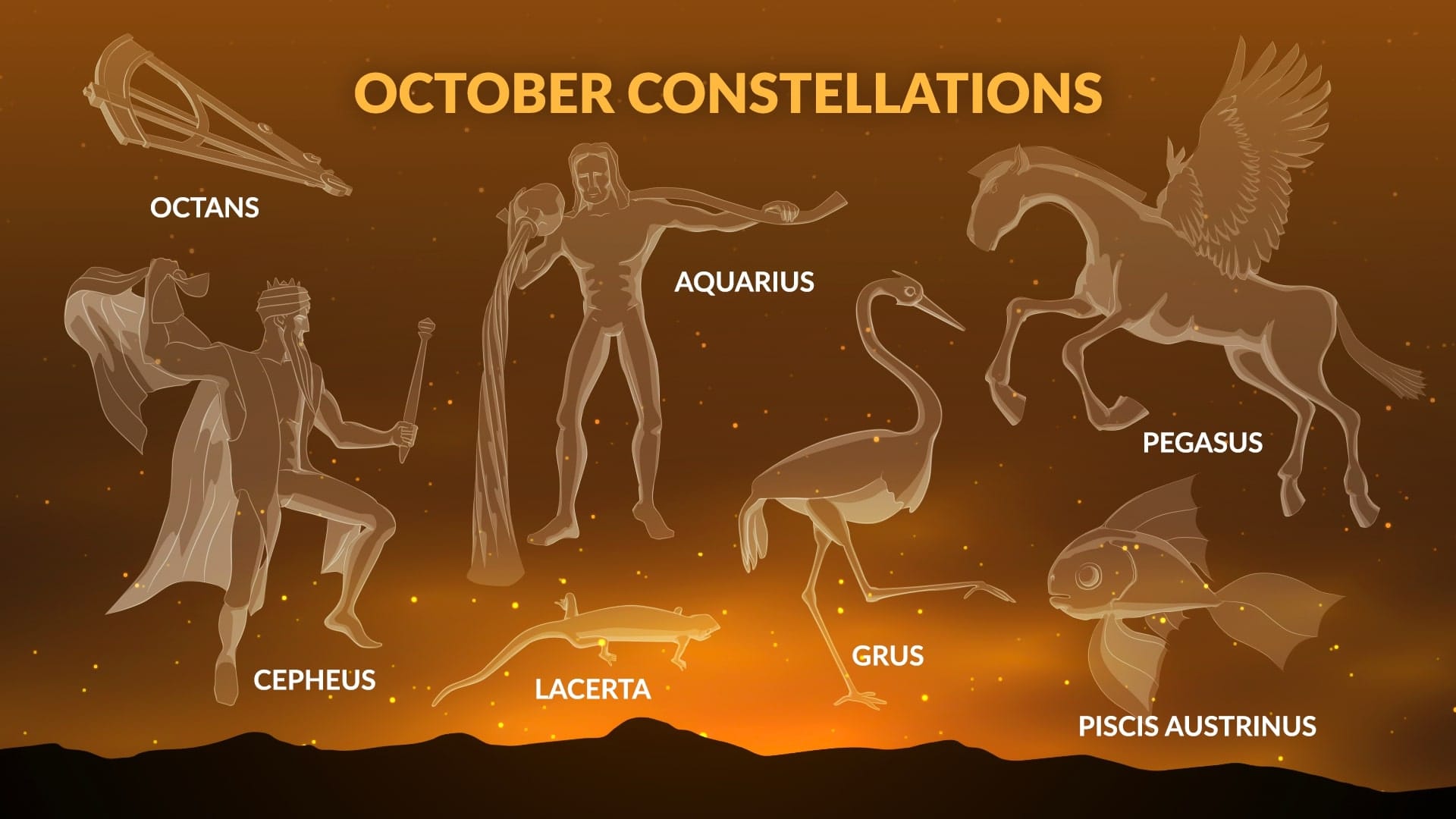
Best Constellations to See in October
Discover the best constellations to see in October, including Pegasus and Aquarius. Learn where and when to find them from both hemispheres.
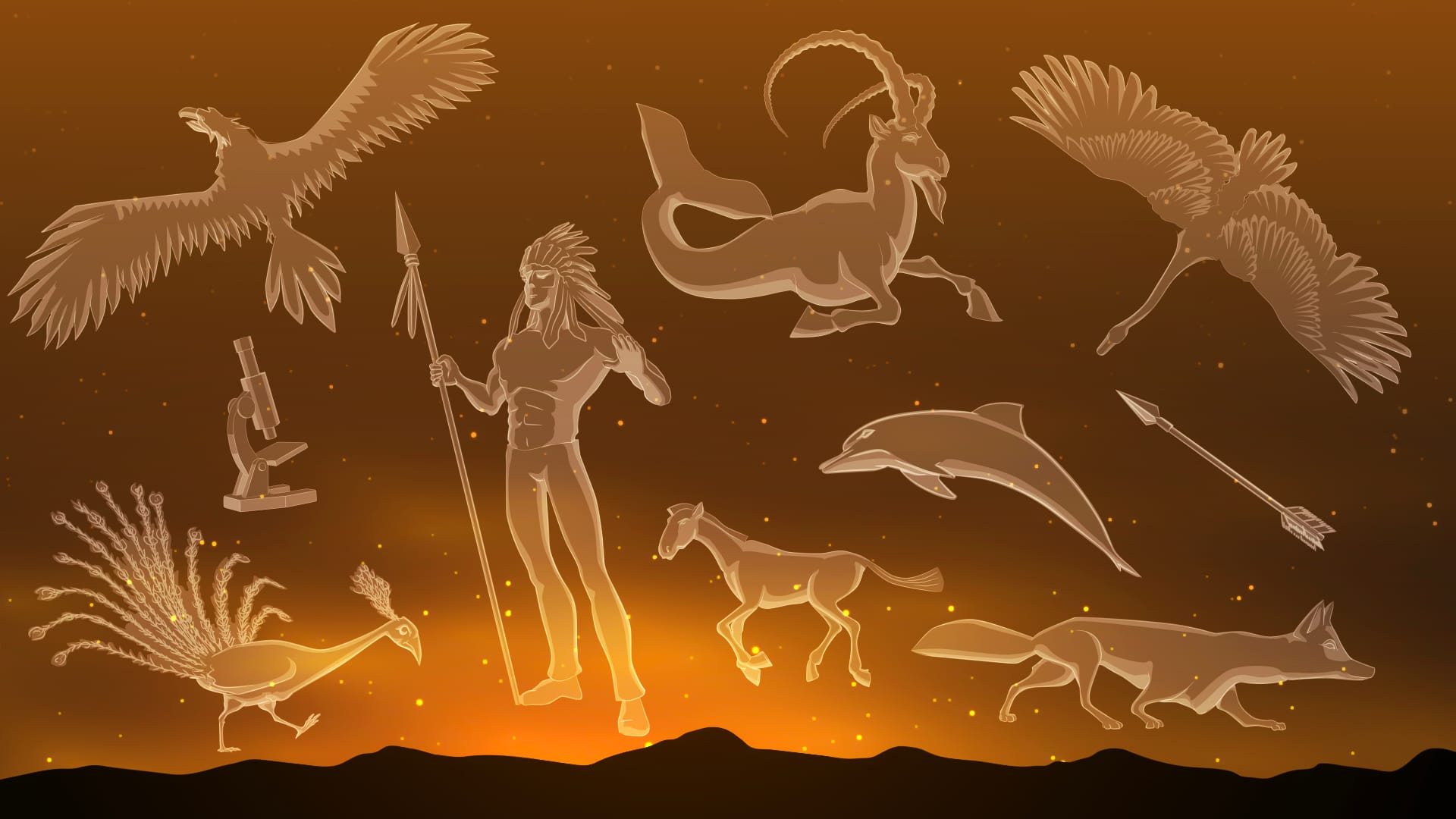
Best Constellations to See in September
Discover the best constellations to see in September, including Capricornus and Cygnus. Learn where and when to find them from both hemispheres.
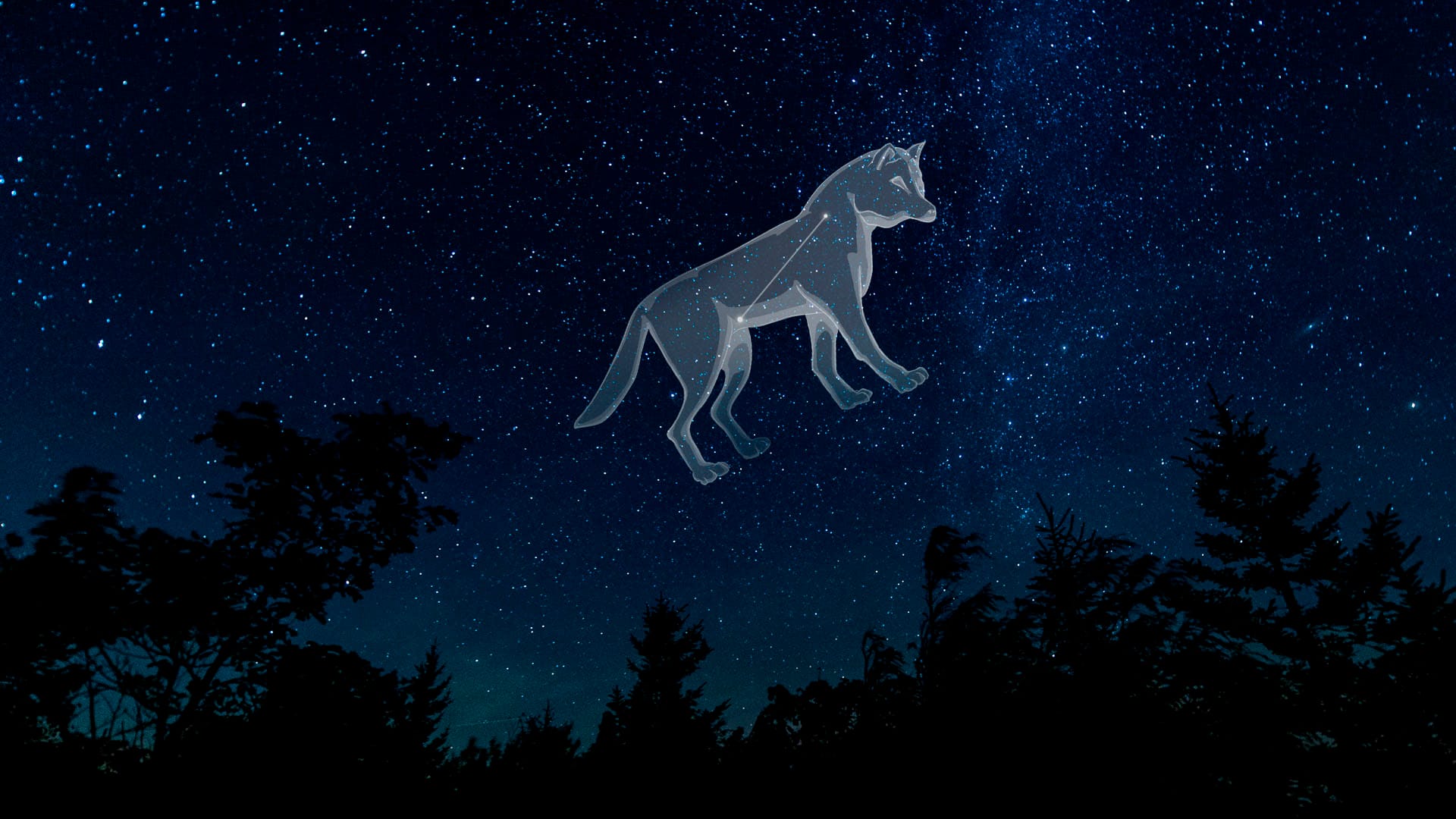
Canis Minor Constellation: How to Find the Little Dog in the Sky
Meet Canis Minor, the Little Dog constellation. Learn how to find Procyon and Gomeisa, when to see Canis Minor, and which deep-sky objects are hiding in the constellation.
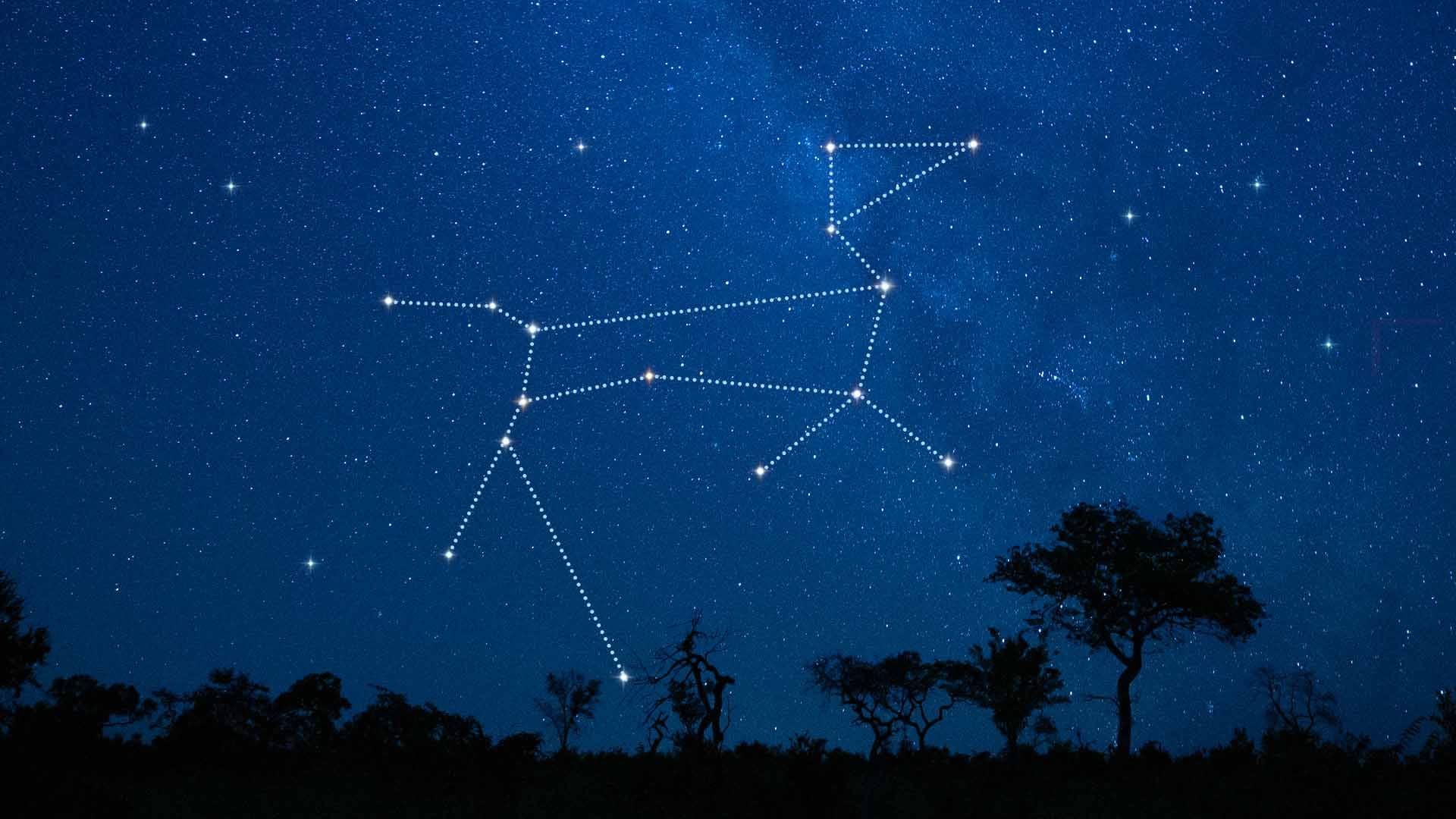
Constellation Canis Major: Facts, Mythology & Stars of the Great Dog Constellation
Explore Canis Major, home to Sirius, the brightest star in the night sky. Learn how to find it and see its brightest stars, clusters, and nebulae.
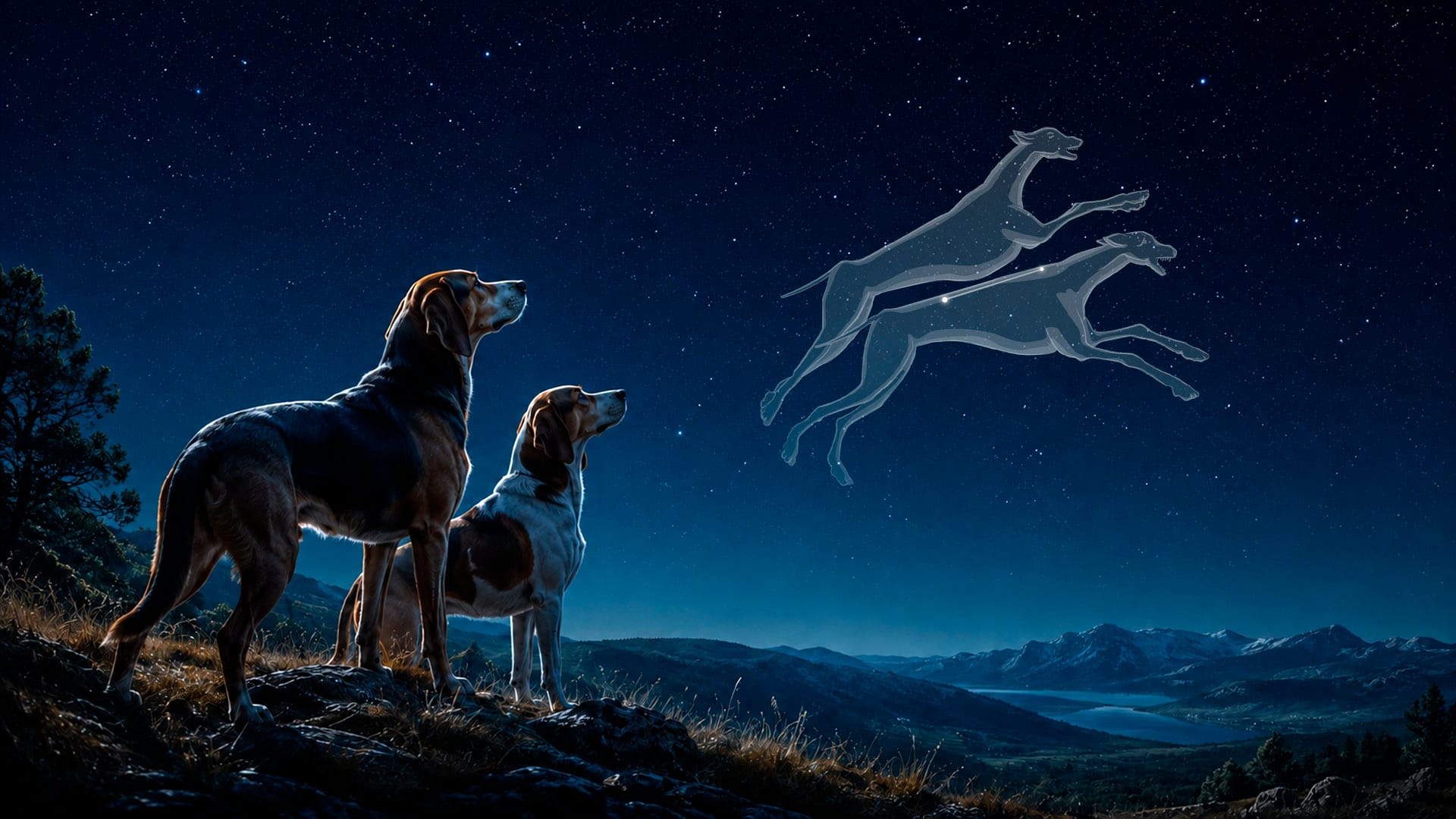
Canes Venatici Constellation: Stars, Galaxies & How to Find It
Find Canes Venatici below the Big Dipper's handle. Learn when to see it and how to observe Cor Caroli, La Superba, M3, M51, and more.
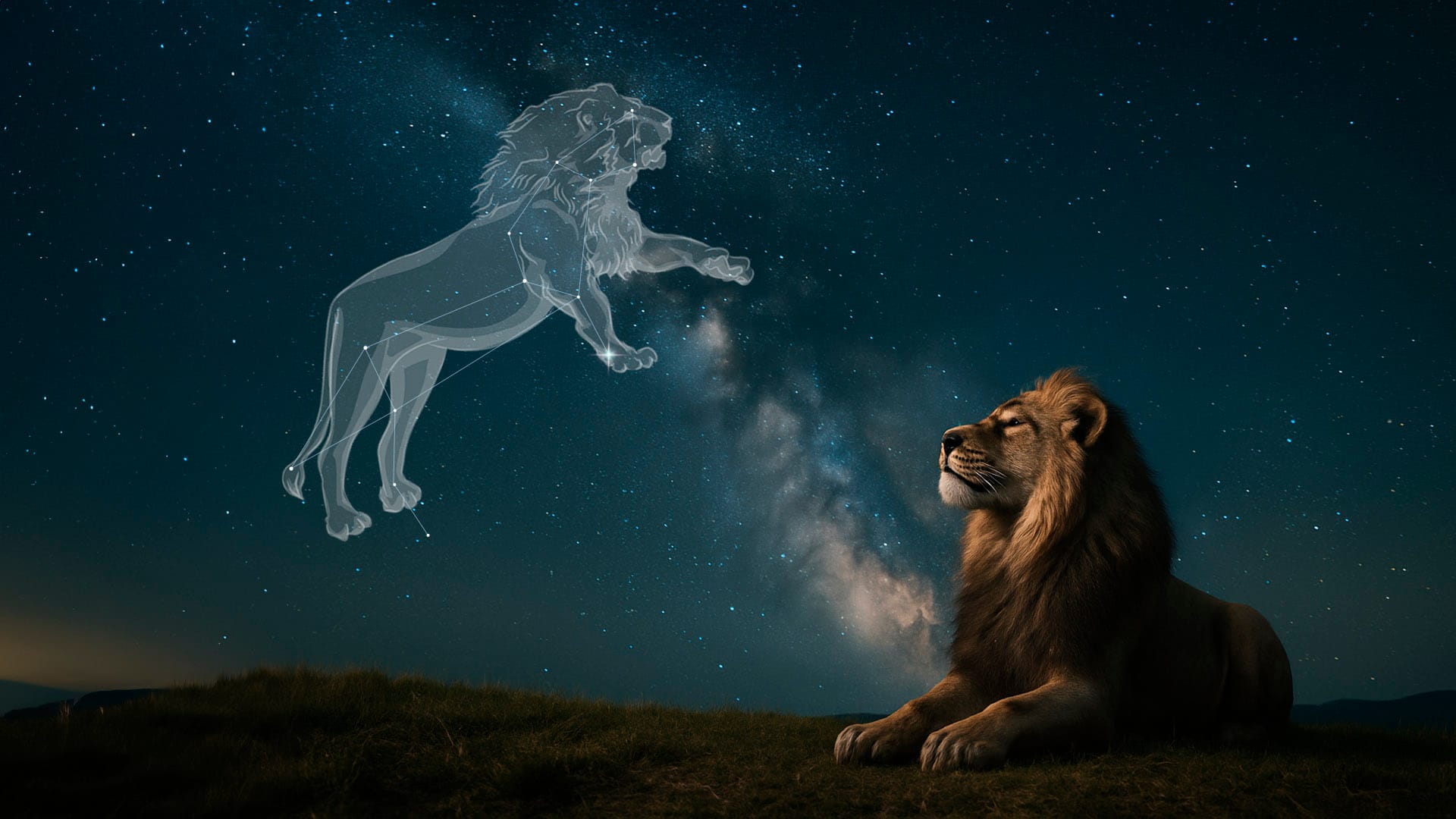
Constellation Leo: Facts, Stars and How to Find It in the Night Sky
Find the constellation Leo in the sky. See when it is visible, where Regulus and the Sickle are, and explore the myth of the Nemean Lion.
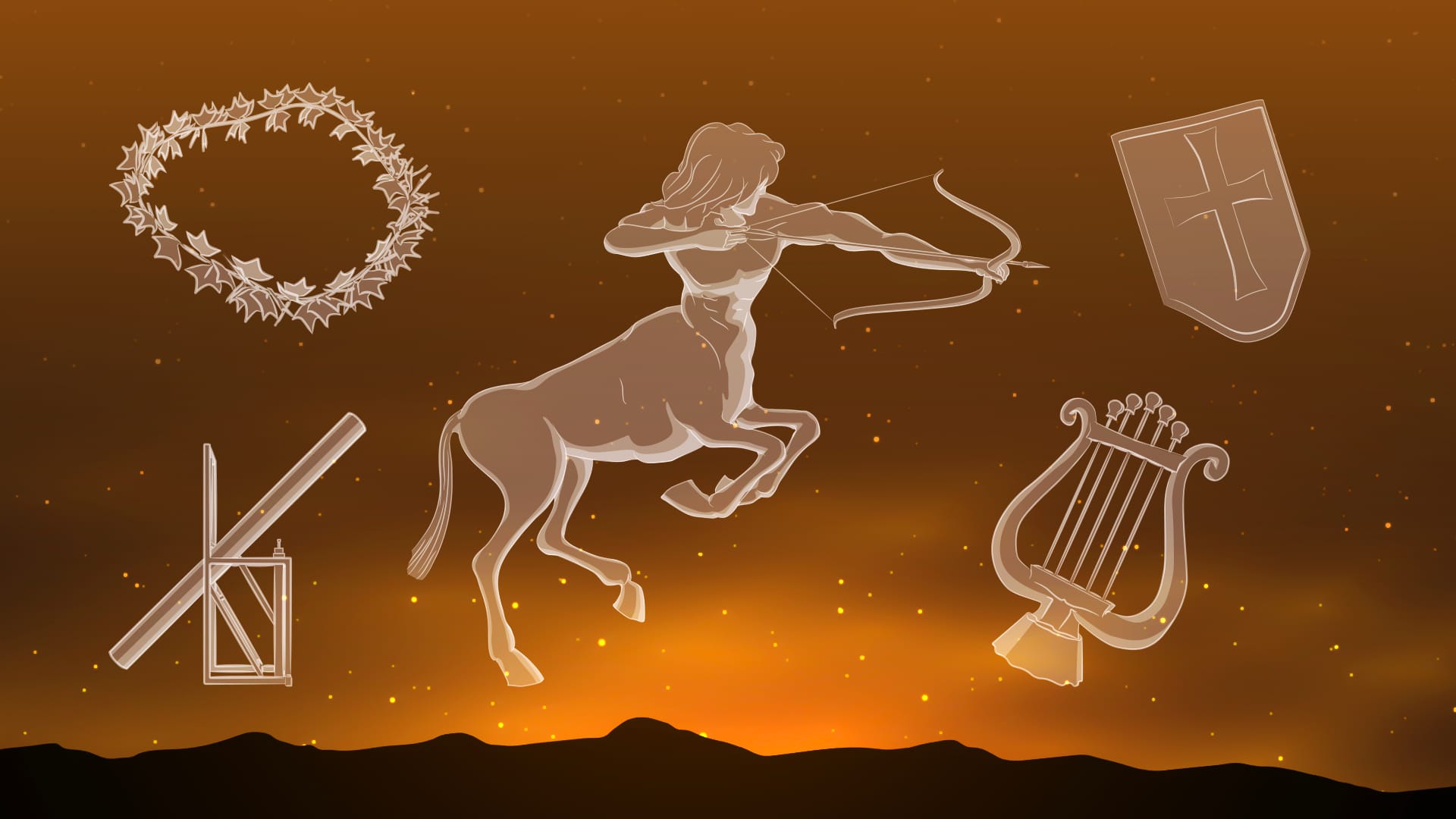
Best Constellations Visible in August
Discover five of the best constellations to see in August, including Sagittarius and Lyra. Learn where and when to find them from both hemispheres.
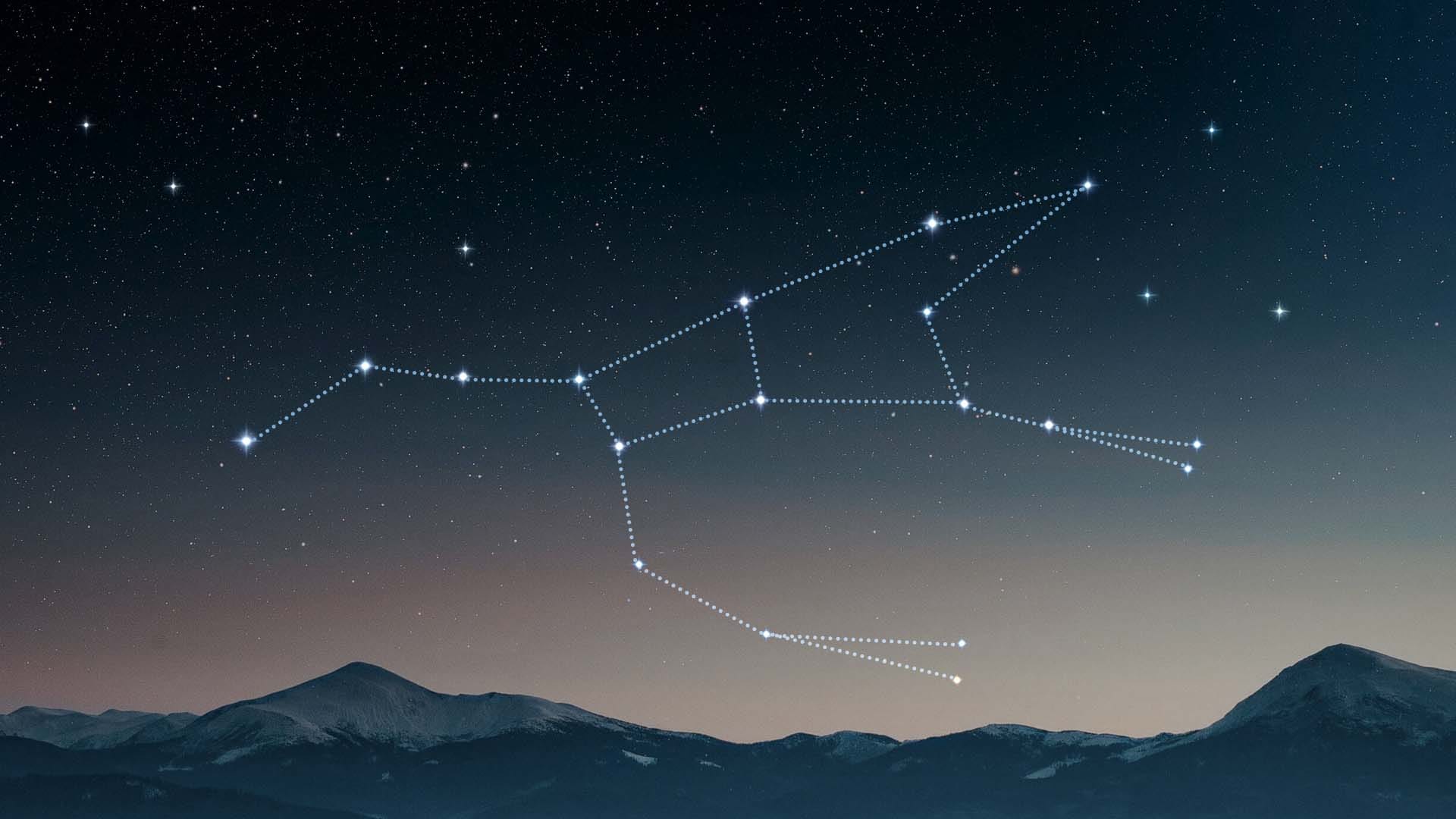
Ursa Major Constellation: The Great Bear
Is Ursa Major the Big Dipper? Learn about the Great Bear constellation, its main stars, location, and how to find it in the sky.

Vega Star Facts: Alpha Lyrae, the Brightest Star in Lyra
Vega star guide: Alpha Lyrae is the brightest star in Lyra and part of the Summer Triangle. Learn its color, distance, facts, and how to find it.

What Constellations Are Visible in the Northern Hemisphere by Season?
See the best Northern Hemisphere constellations by season: spring, summer, fall, and winter. Learn which constellations are visible tonight and how to find them in the sky.