Planetary Oppositions 2026: Next Up Is Saturn
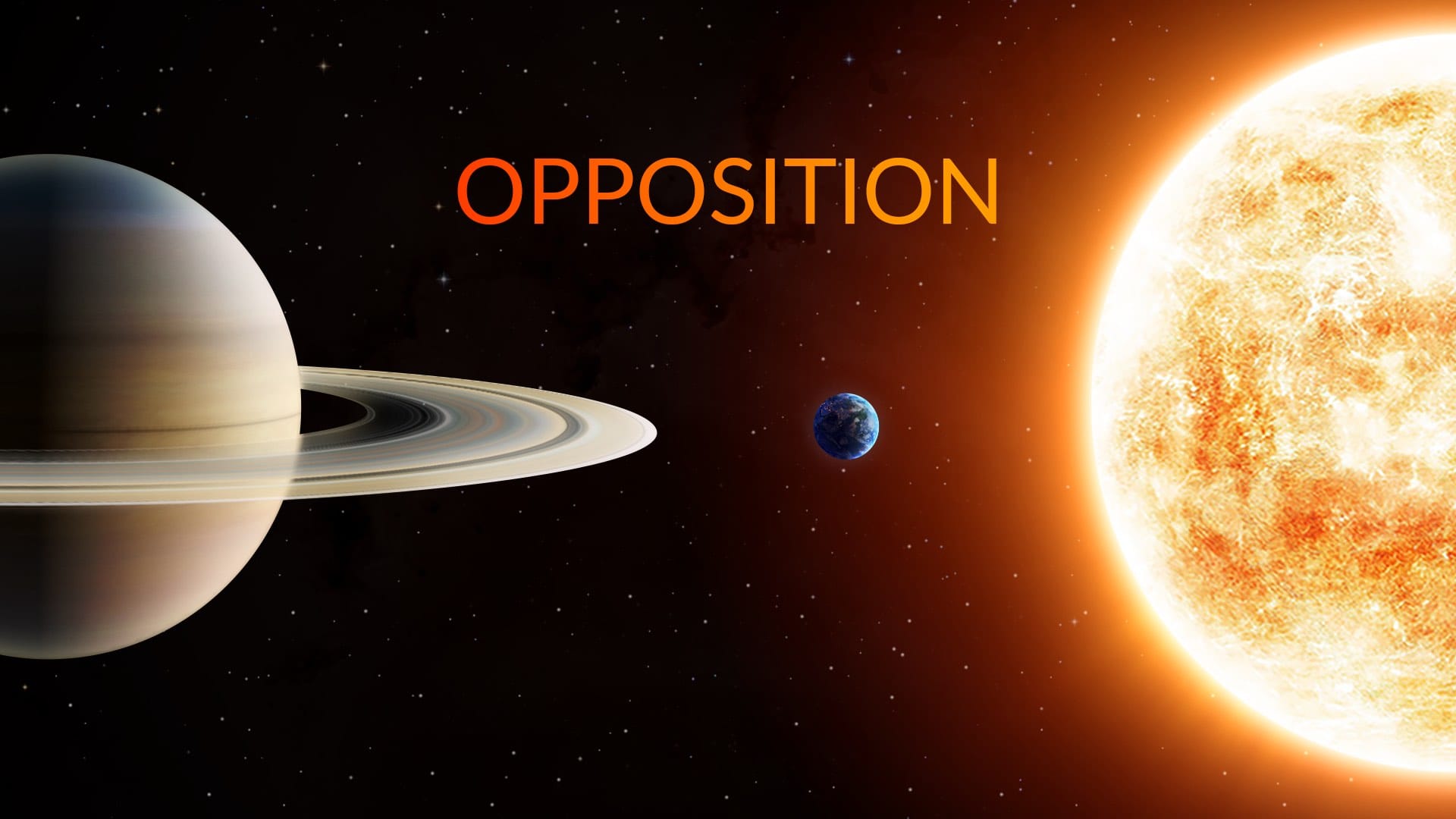
The next planet to reach opposition will be Saturn on October 4. October will also bring two bright asteroid oppositions: Pallas on October 6 and Vesta on October 13. Pallas will reach a magnitude of around 8.2, while Vesta will shine at about magnitude 6.3, making both good targets for binoculars or a telescope under dark, clear skies. Use the Sky Tonight app to find them in the sky. Read on to learn how opposition works and discover the best dates to observe planets, asteroids, and dwarf planets.
5 next opposition dates: planets, dwarf planets, asteroids
| Date | Object | Object type | Magnitude | How to observe | Constellation |
|---|---|---|---|---|---|
| October 4, 2026 | Saturn | Planet | 0.3 | Naked eye; telescope for rings | Cetus |
| October 6, 2026 | Pallas | Asteroid | 8.2 | Binoculars / telescope | Cetus |
| October 13, 2026 | Vesta | Asteroid | 6.3 | Binoculars | Cetus |
| October 18, 2026 | Eris | Dwarf planet | 18.6 | Telescope imaging | Cetus |
| November 25, 2026 | Uranus | Planet | 5.6 | Binoculars / telescope | Taurus |
Contents
- 5 next opposition dates: planets, dwarf planets, asteroids
- What does opposition mean in astronomy?
- Upcoming planetary oppositions
- Other upcoming oppositions: asteroids and dwarf planets
- Planetary oppositions: how it works
- F.A.Q.
- Planet oppositions: Bottom line
What does opposition mean in astronomy?
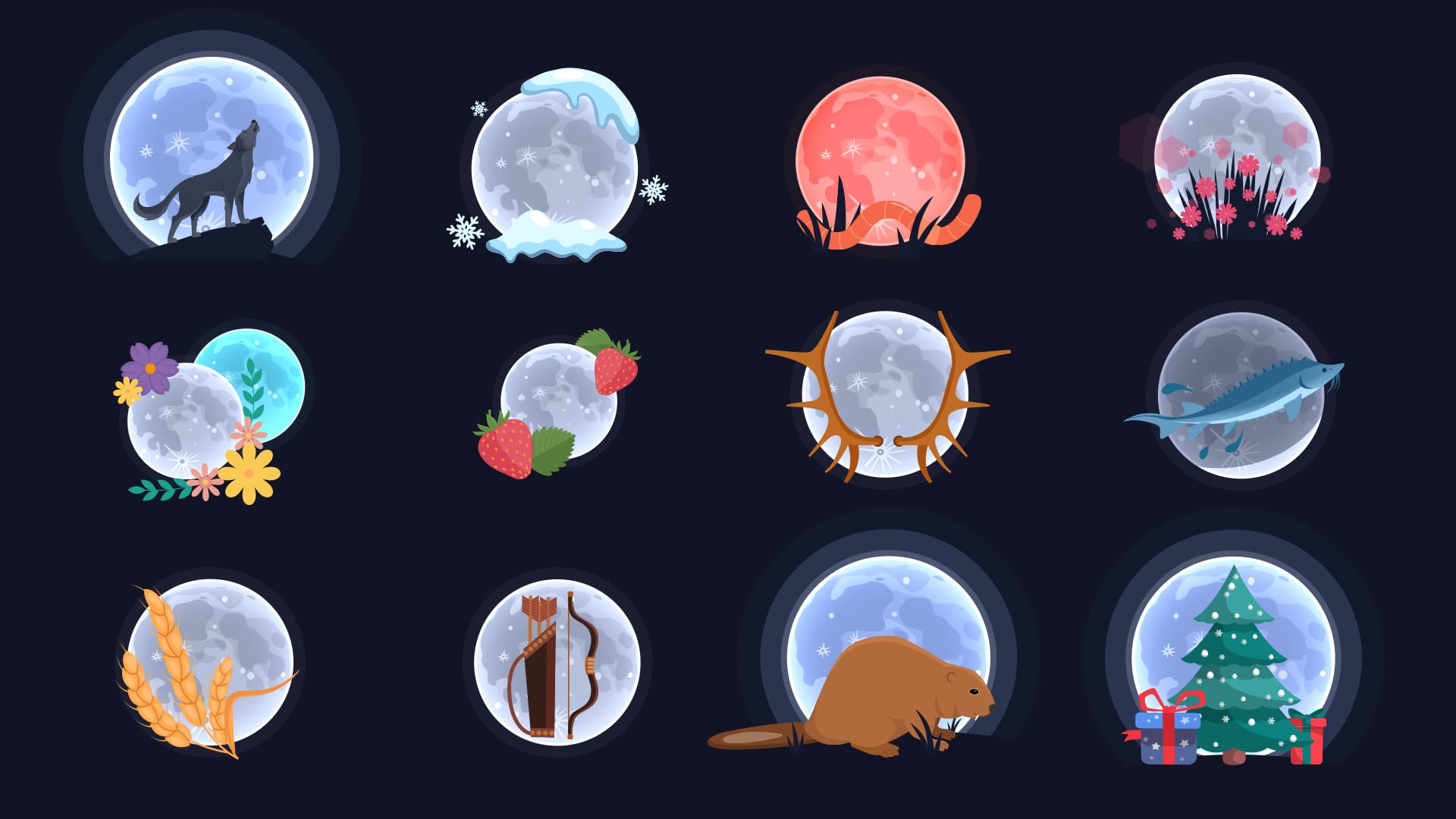
Astronomical opposition means that a planet appears directly opposite the Sun in the sky as seen from Earth. From our perspective, this corresponds to a planet being about 180 degrees away from the Sun — so when the Sun sets in the west, the planet rises in the east. In addition to planets, comets, asteroids, and some other Solar System objects can also reach opposition. A well-known example of opposition is a Full Moon. During this event, the lunar disk is opposed to the Sun, therefore fully lit by the star’s light.
Upcoming planetary oppositions
The complete calendar of all the planetary and other celestial events is available in the stargazing app Sky Tonight.
October 4, 2026: Saturn opposition
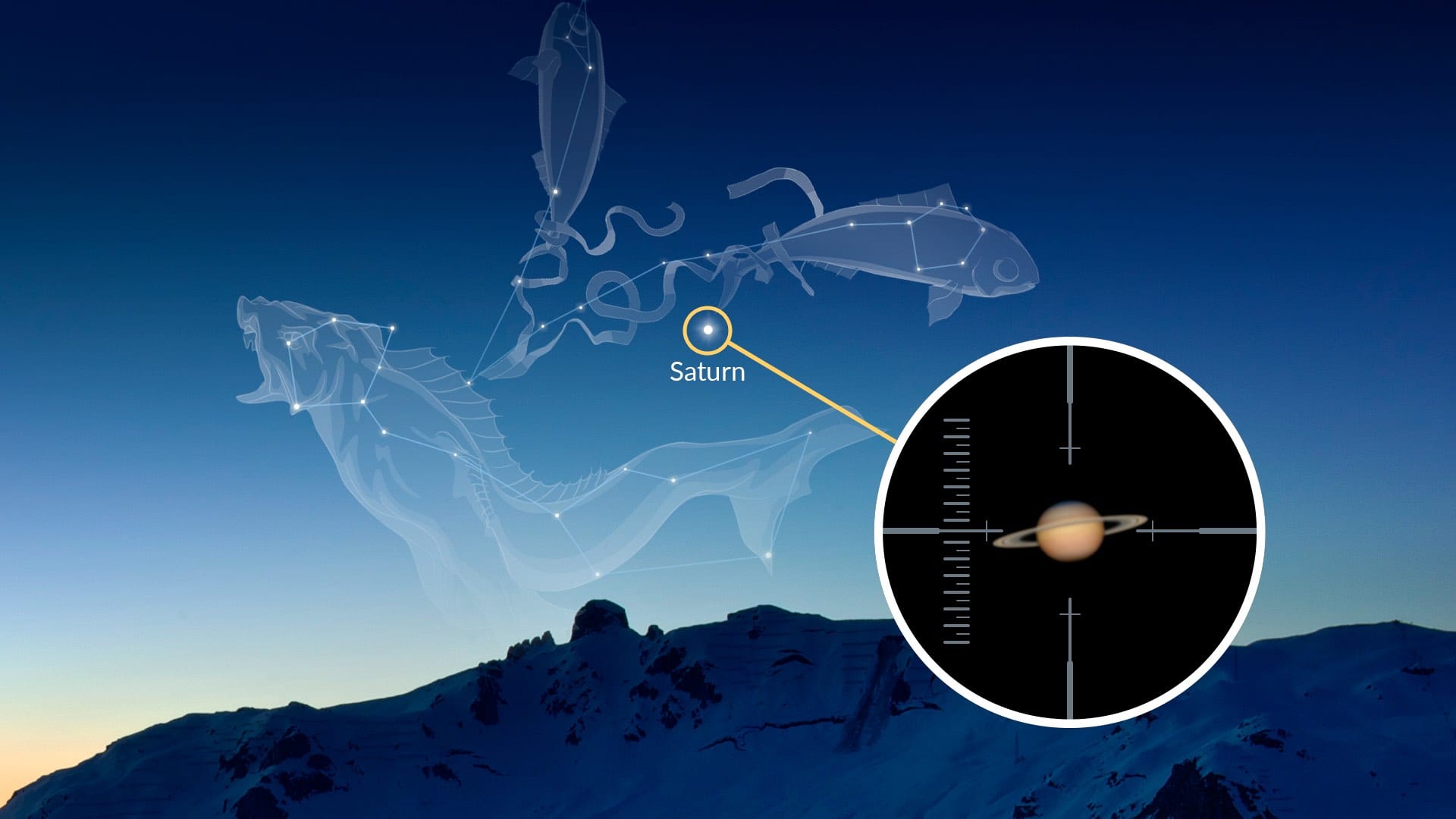
Saturn will reach opposition on October 4, 2026, at 12:29 GMT (08:29 AM EDT). At this time, Saturn will shine at a magnitude of 0.3, making it an easy target for the naked eye. The ringed planet will lie in the constellation Cetus, rising in the east around sunset and remaining visible for much of the night. It will reach its highest point near midnight local time.
If you have a telescope, you can see Saturn’s iconic ring system — even a modest instrument will show the rings clearly separated from the planet’s disk. Under good viewing conditions, a telescope can also reveal Saturn’s largest moon, Titan, along with several fainter satellites.
Around opposition, Saturn will be at its closest to Earth for 2026 (8.43 AU), and its apparent diameter will reach 19.7 arcseconds, offering excellent conditions for observing the planet and its rings.
November 25, 2026: Uranus opposition
Uranus will reach opposition on November 25, 2026, at 22:40 GMT (05:40 PM EST). At this time, the planet will shine at a magnitude of 5.6. Under exceptionally dark, clear skies, far from city lights, Uranus is theoretically bright enough to glimpse with the naked eye. In practice, however, binoculars or a telescope will make it much easier to find.
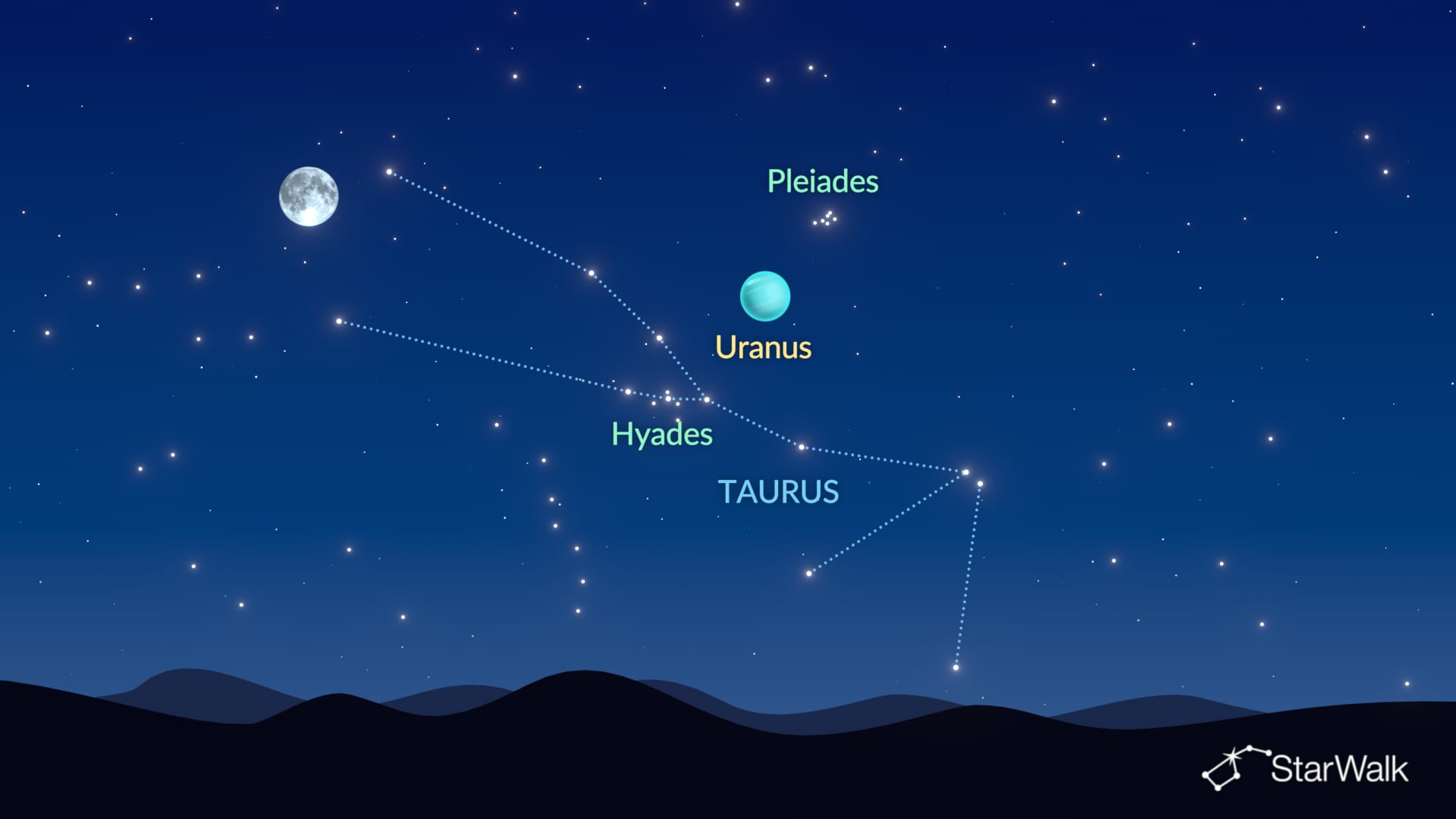
At opposition, Uranus will lie in the constellation Taurus, right between the Pleiades and Hyades star clusters. This makes the area especially rewarding to explore with binoculars: once you find the famous clusters, you can use them as landmarks to help locate the much fainter planet.
There is one complication for observers: a supermoon occurs on November 24, just over a day before Uranus reaches opposition. The Moon will still be almost fully illuminated on November 25, and its bright light can wash out faint objects such as Uranus. For a better view, consider waiting a few days after opposition, when the waning Moon moves farther away and rises later.
Around opposition, Uranus will also be at its closest to Earth for 2026, at a distance of about 18.4 AU (2.75 billion km). Its apparent disk will measure only about 3.8 arcseconds across. Through a telescope at sufficient magnification, Uranus appears not as a point of light but as a tiny blue-green disk.
February 11, 2027: Jupiter opposition
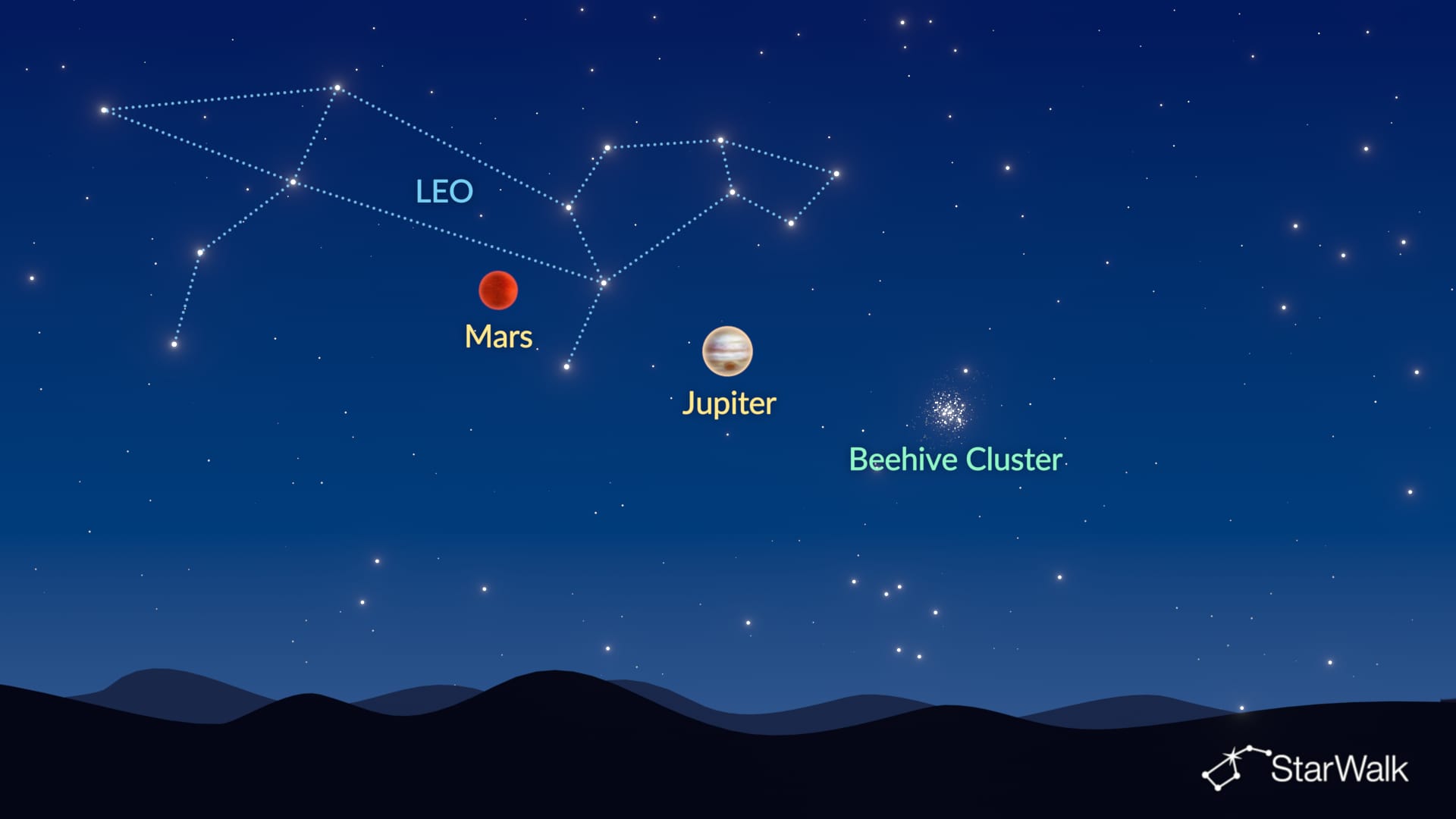
Jupiter will reach opposition on February 11, 2027, at 00:29 GMT (February 10 at 19:29 EST). Around this date, the giant planet will shine at about magnitude −2.6 in the constellation Leo, making it one of the brightest objects in the night sky.
There will also be an interesting celestial lineup around Jupiter. Mars will lie about 12° on one side of the planet, while the Beehive Cluster (M44) will be about 14° away on the other side. So, although the spacing is not perfectly symmetrical, Jupiter will appear roughly midway between the reddish Mars and the sparkling Beehive Cluster. The whole area will be especially attractive to explore with binoculars.
At opposition, Jupiter will be about 4.36 AU (652 million km) from Earth, and its apparent disk will span roughly 45 arcseconds. Binoculars can reveal its bright Galilean moons, while a small telescope will show the planet’s cloud bands and, under favorable conditions, the Great Red Spot.
February 19, 2027: Mars opposition
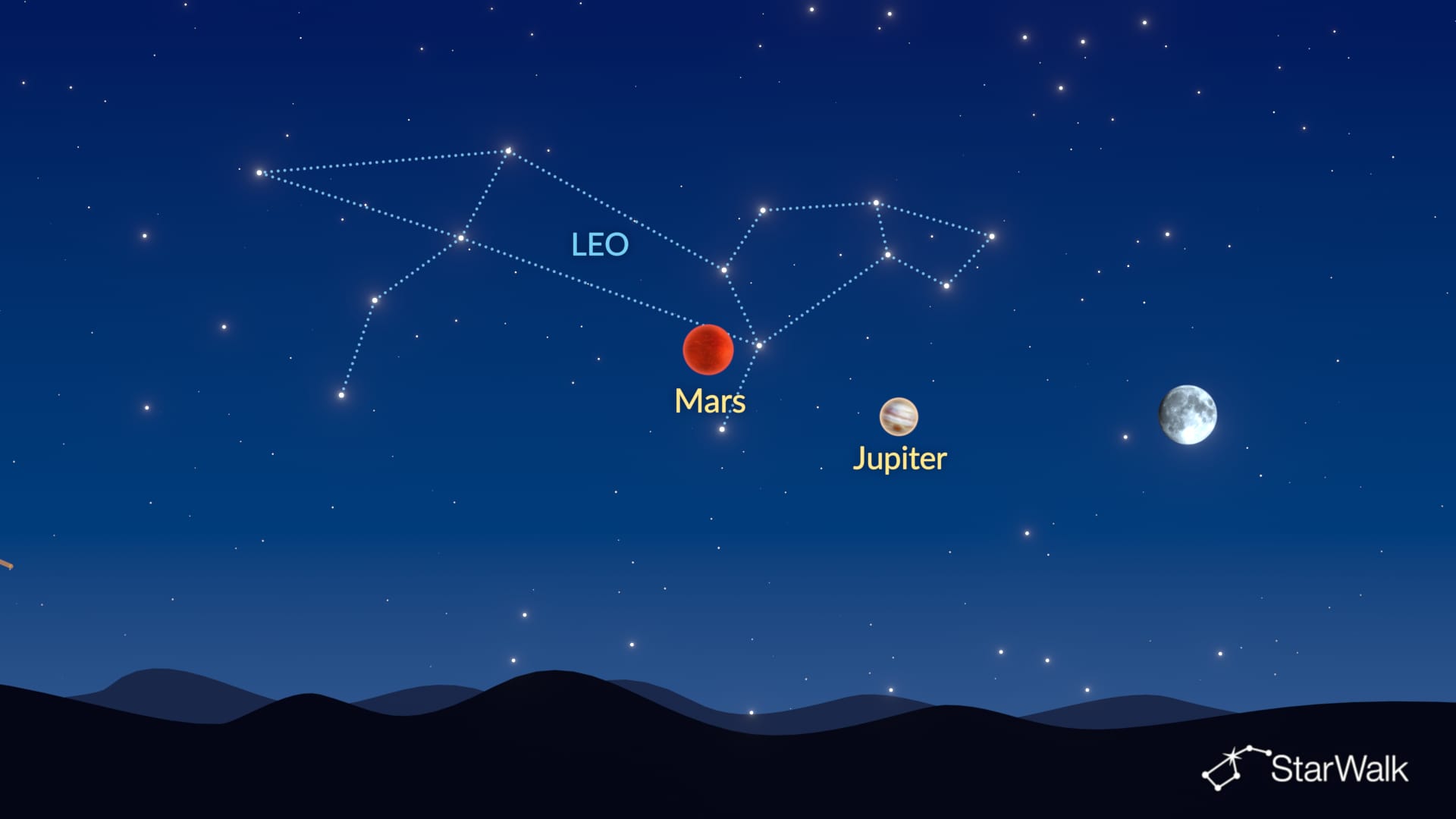
Mars will reach opposition on February 19, 2027, at 15:51 GMT (10:51 AM EST). This is a particularly notable event because Mars reaches opposition only about once every 26 months, much less often than the other outer planets. Around opposition, the Red Planet will shine at about magnitude −1.3 in the constellation Leo and remain visible for nearly the entire night.
Mars will not be alone in this part of the sky. Jupiter reaches opposition just eight days earlier, on February 11, so both planets will be near their brightest at the same time. On February 19, they will be separated by roughly 11°, making the two bright planets easy to spot and compare with the naked eye.
Just a few hours after opposition, on February 20 at 00:08 GMT, Mars will make its closest approach to Earth. It will be about 101.4 million km (63 million miles) away. Its apparent disk will measure about 13.8 arcseconds. Through a telescope, you may be able to spot the polar cap and some dark surface markings, especially under steady atmospheric conditions.
For more observing tips and details, see our dedicated guide to the Mars opposition 2027.
Other upcoming oppositions: asteroids and dwarf planets
Not only planets, but also comets, asteroids, and other bodies in the Solar System, can reach opposition. Such events are more challenging to spot, so they are more for experienced astronomers. Opposition is generally the most favorable time for asteroid observations. If you want to discover a new asteroid, it’s better to look at night in the direction opposite to the Sun, and maybe you’ll get lucky!
Asteroids at opposition
Most asteroids are difficult to observe with regular binoculars. However, if you have 10×50 or larger binoculars, you can try spotting asteroids brighter than 9th magnitude — we marked them with an emoji in our list. Don’t miss a chance to see a real asteroid!
- October 6, 2026: Pallas (mag 8.2), constellation Cetus. ⭐
- October 13, 2026: Vesta (mag 6.3), constellation Cetus. ⭐
- February 9, 2027: Euterpe (mag 8.9), constellation Leo. ⭐
- February 17, 2027: Hebe (mag 9.1), constellation Leo.
- March 4, 2027: Hygiea (mag 9.8), constellation Leo.
- May 18, 2027: Harmonia (mag 9.2), constellation Libra.
- May 25, 2027: Iris (mag 9.5), constellation Scorpius.
- June 9, 2027: Eunomia (mag 9.5), constellation Scorpius.
- July 1, 2027: Parthenope (mag 9.2), constellation Sagittarius.
- September 21, 2027: Amphitrite (mag 8.8), constellation Pisces. ⭐
- October 27, 2027: Fides (mag 9.7), constellation Aries.
- November 15, 2027: Kleopatra (mag 9.3), constellation Taurus.
- December 1, 2027: Dembowska (mag 9.7), constellation Taurus.
- December 6, 2027: Astraea (mag 9.8), constellation Orion.
Dwarf planets at opposition
Dwarf planets are challenging targets for observers, but not all of them are equally difficult. At opposition, Ceres may be visible with binoculars under very dark skies. It is the easiest dwarf planet to observe, which is why it is marked with a star in the list below. Pluto is much fainter and is a challenging visual target: a 10-inch or larger telescope under dark skies is a more realistic choice, though experienced observers may detect it with an 8-inch telescope under excellent conditions. Makemake, Haumea, and Eris are extremely dim targets that generally require telescope imaging or very large telescopes for visual observation.
- October 18, 2026: Eris (mag 18.6), constellation Cetus.
- January 7, 2027: Ceres (mag 6.7), constellation Gemini. ⭐
- April 2, 2027: Makemake (mag 17.0), constellation Coma Berenices.
- April 24, 2027: Haumea (mag 17.2), constellation Boötes.
- July 29, 2027: Pluto (mag 15.0), constellation Capricornus.
- October 19, 2027: Eris (mag 18.5), constellation Cetus.
Planetary oppositions: how it works
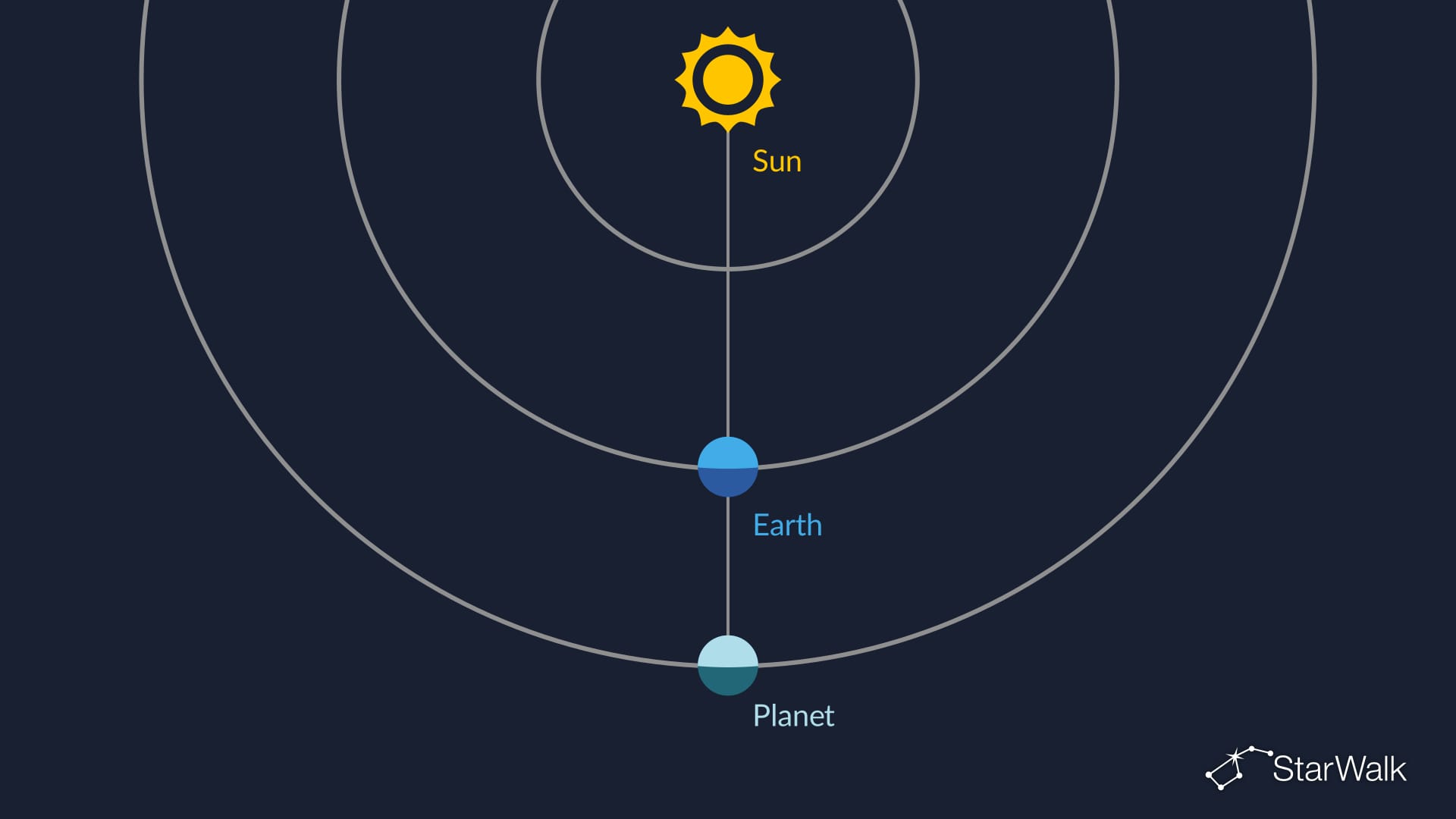
At opposition, the Sun, Earth, and a planet are nearly aligned, with Earth in the middle. From our point of view, the planet appears on the opposite side of the sky from the Sun, at an angular separation of about 180°. This means it rises around sunset, reaches its highest point in the sky near midnight, and sets around sunrise. Because the planet is also fully illuminated from our perspective and relatively close to Earth, opposition usually creates some of the best conditions for observing it.
What planets can be seen at opposition from the Earth?
Since an opposition can only occur when Earth is between the Sun and another celestial body, this event happens for the planets further from the Sun than Earth. These are Mars, Jupiter, Saturn, Uranus, and Neptune.
The planets’ oppositions occur roughly every year when the Earth reaches the proper configuration with them relative to the Sun. The only exception here is Mars. The Red Planet’s orbit and orbital speed are similar to Earth’s, so Earth “outraces” Mars only about every 25–26.5 months. That’s why Mars oppositions occur only once in about two or three years.
Mercury and Venus are located inside the Earth’s orbit, so they can never appear on the opposite side of the sky from the Sun and therefore never reach opposition. Instead, their maximum angular distance from the Sun is limited by their greatest elongation: about 28° for Mercury and 48° for Venus.
How to find a planet at opposition?
To find a planet at opposition, look in the opposite direction from the sunset. The planet will be well-placed for a few weeks around the exact moment of opposition. So, check a weather forecast for your location, find a date close to the opposition when the skies are clear, and get outside to observe the bright planet.
You can easily locate and identify a planet using a stargazing app like Sky Tonight:
- To locate your desired planet, use the app's search function. Tap the magnifier icon in the bottom-left corner of the main screen and type the object’s name in the search bar. Tap the blue target button next to the matching result, and then tap the blue compass button in the lower right corner of the screen. Move your device in the direction of the white arrow until you see the planet on the screen. This is the direction in which you will find the planet in the real sky above you.
- To identify any bright dot in the sky, launch the app and point your device at the sky. On the app’s interactive sky map, you’ll see what celestial objects are in that direction. You can tap the object to learn its name and tap its name for more information.
At opposition, you can spot most of the planets with the naked eye, but you’ll see them even better through a pair of binoculars or a telescope. For instance, a 4-inch telescope can show Saturn’s rings. Seeing the Cassini Division between the A and B rings is more demanding and depends on atmospheric steadiness and the rings’ tilt.
Why are planetary oppositions interesting?
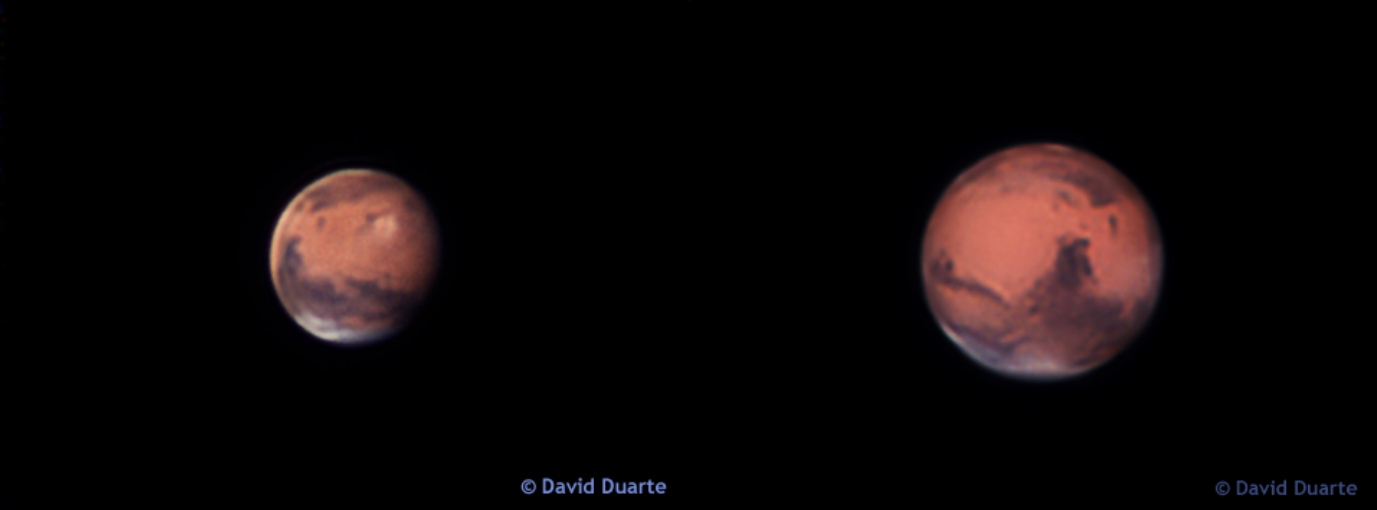
Opposition is the best time to observe an outer planet or another celestial body. At that time, its Earth-facing side is almost fully illuminated and shines brightly in the sky. Moreover, planetary oppositions occur near a planet’s closest approach to the Earth, when a planet appears at its biggest. Mars experiences the most striking size change because it’s the closest superior planet to the Earth. Most importantly, an opposition gives us plenty of time for stargazing! A celestial object is seen through the night and well-placed in the midnight sky. It is no coincidence that asteroids and other faint Solar System objects are often discovered at their opposition.
F.A.Q.
When is the next planetary opposition?
The next planetary opposition will be Saturn on October 4, 2026. You don’t have to observe it on that exact night, though: Saturn will remain very well placed for viewing for several weeks before and after opposition, when it is bright and visible for much of the night. After opposition, it will continue to be visible in the evening sky for several months.
The next planets to reach opposition after Saturn will be Uranus on November 25, 2026, followed by Jupiter on February 11, 2027, and Mars on February 19, 2027.
How often do planetary oppositions occur?
A planetary opposition occurs when Earth passes between the Sun and a planet. It happens every year for the superior planets. The only exception is the Martian opposition. Since the planet is relatively close to Earth compared to the other outer planets and its orbit and orbital speed are similar to Earth’s, our planet manages to pass between Mars and the Sun only every 25–26.5 months, so we get one Martian opposition in about two or three years.
How long does an opposition last?
A planet is said to be "at opposition" at a specific moment in time, but the best viewing conditions last for several weeks around it. You can observe the planet on any convenient date around that time. It will rise on the opposite side to the Sun right after sunset, reach the highest point at midnight, and set at dawn.
What is the opposite of opposition in astronomy?
The opposite of opposition in astronomy is a solar conjunction. During the conjunction of a planet and the Sun, the planet is at its smallest angular distance from the Sun in the sky. It’s the most difficult time to observe the planet because the Sun hinders the view. But there are other astronomical conjunctions that don’t involve the Sun: for instance, planetary conjunctions and lunar-planetary conjunctions. They are quite interesting to observe!
Planet oppositions: Bottom line
Opposition is one of the best times to observe the outer planets because they are near their biggest and brightest and remain visible for most or all of the night. The next planetary opposition we’re looking forward to is the opposition of Saturn on October 4. Download the stargazing app Sky Tonight to easily find Saturn or any other planet in the sky.
Please share this article with your friends on social media if you like it. We wish you clear skies and successful observations!