Night Sky Tonight: What to See This Week

Looking for what to see in the sky this week? This guide highlights the upcoming astronomical events. Scroll down for sky maps and viewing tips, and use the Sky Tonight app to check when and where each object will appear in your sky.
Contents
- Sky Events Tonight: October 24
- Upcoming Astronomical Events: October 24-30, 2026
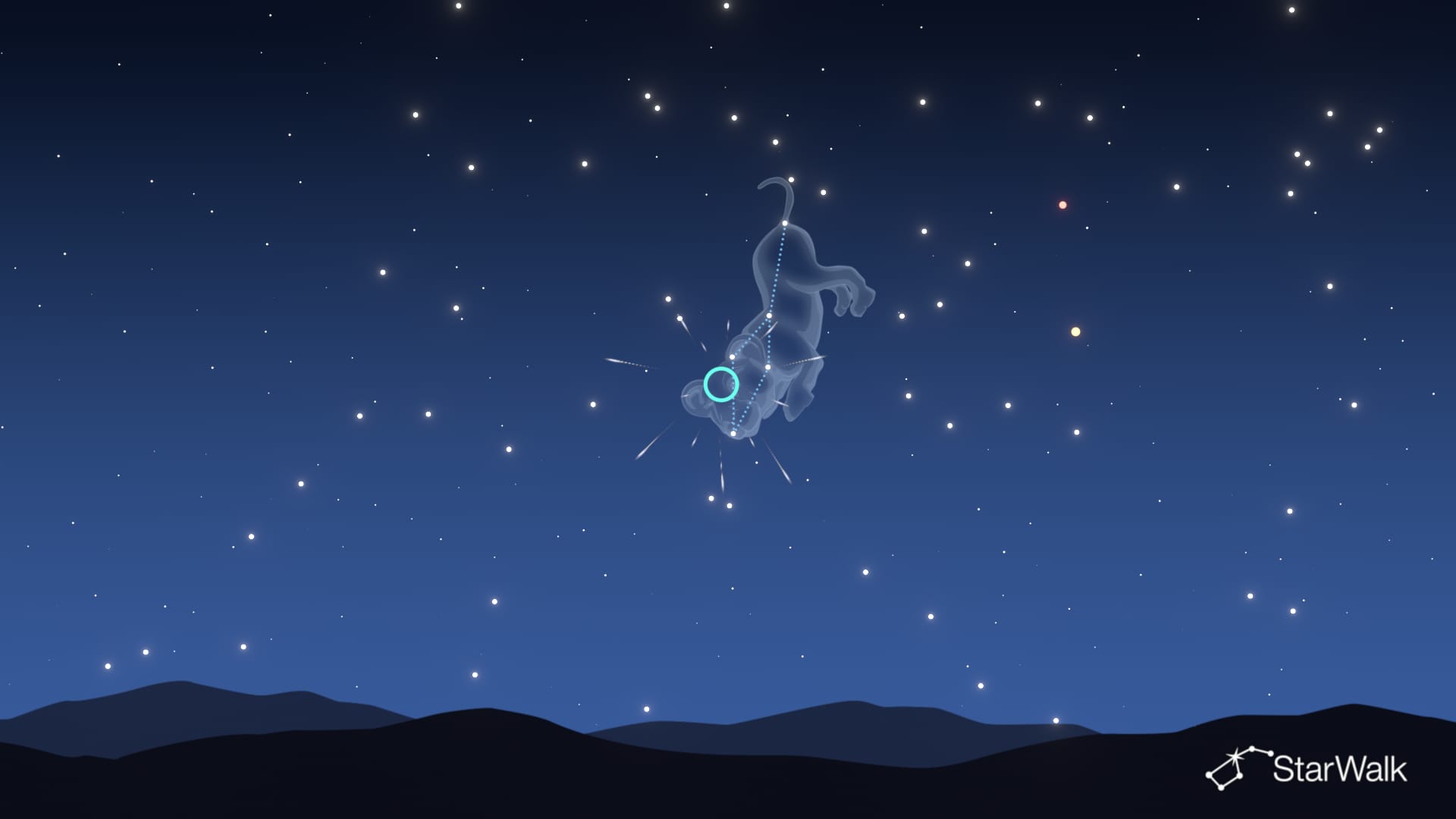
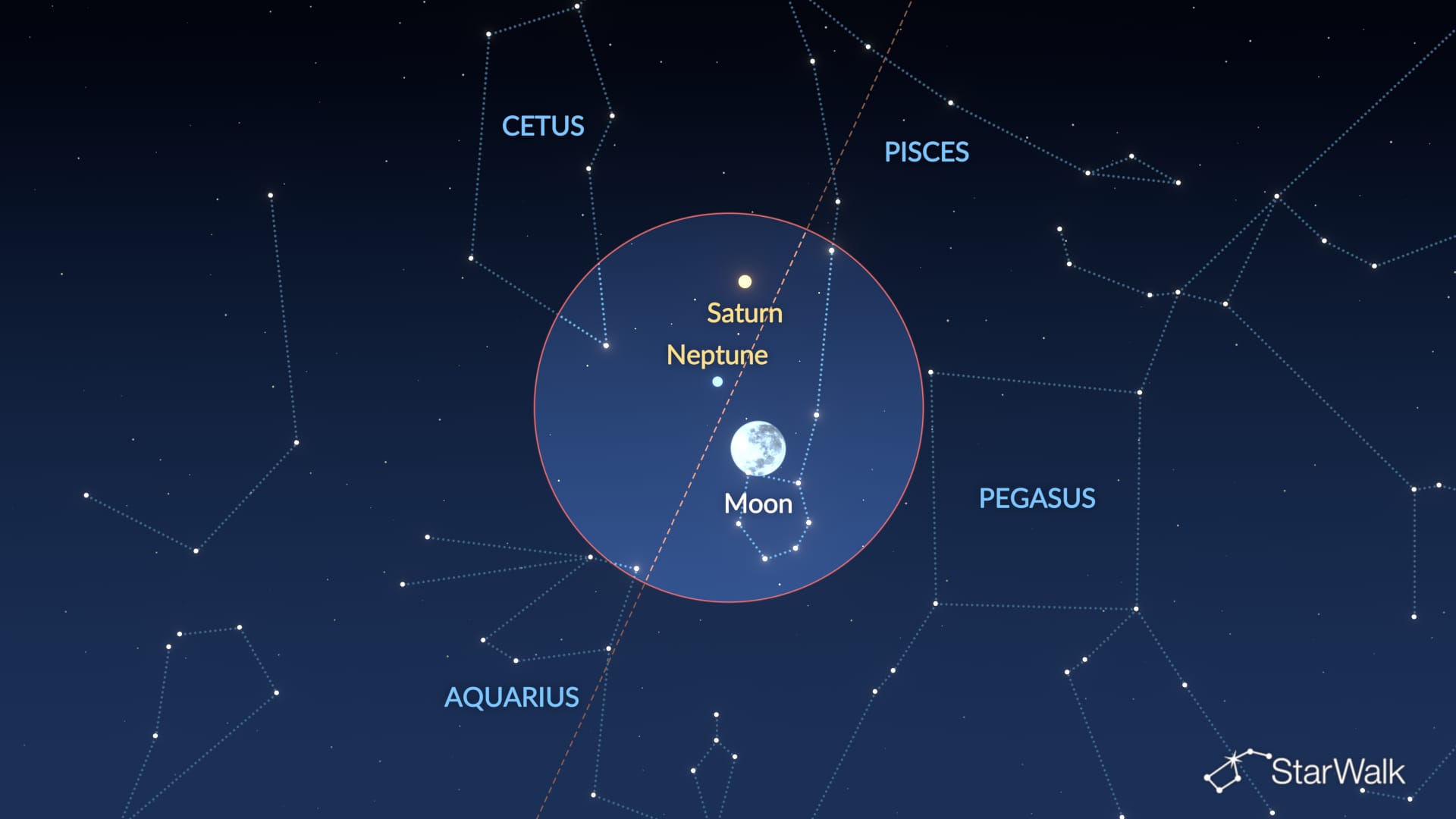
- October 24: Leonis Minorid meteor shower peak; Moon near Neptune and Saturn
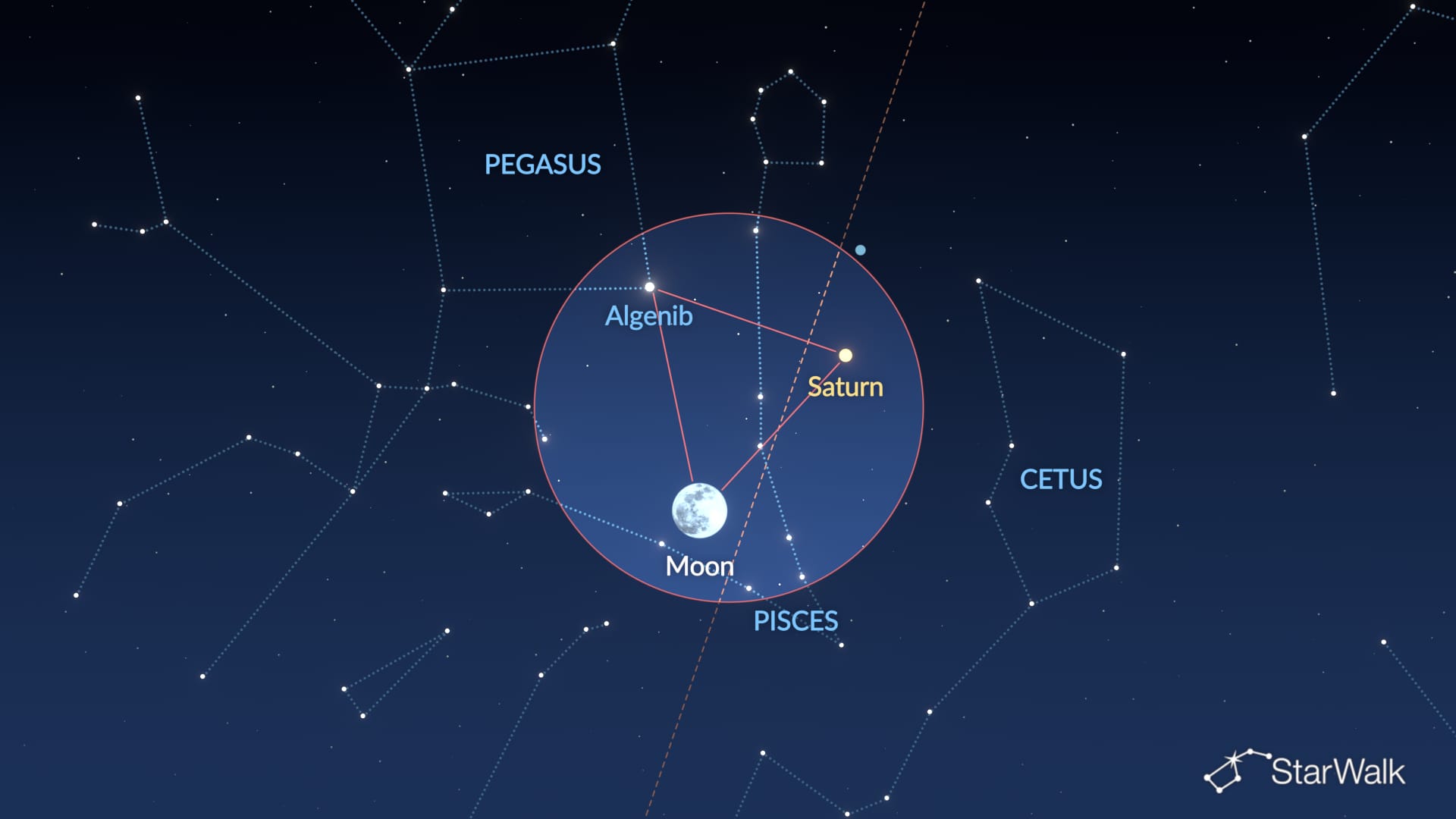
- October 25: Moon, Saturn, and Algenib form a triangle
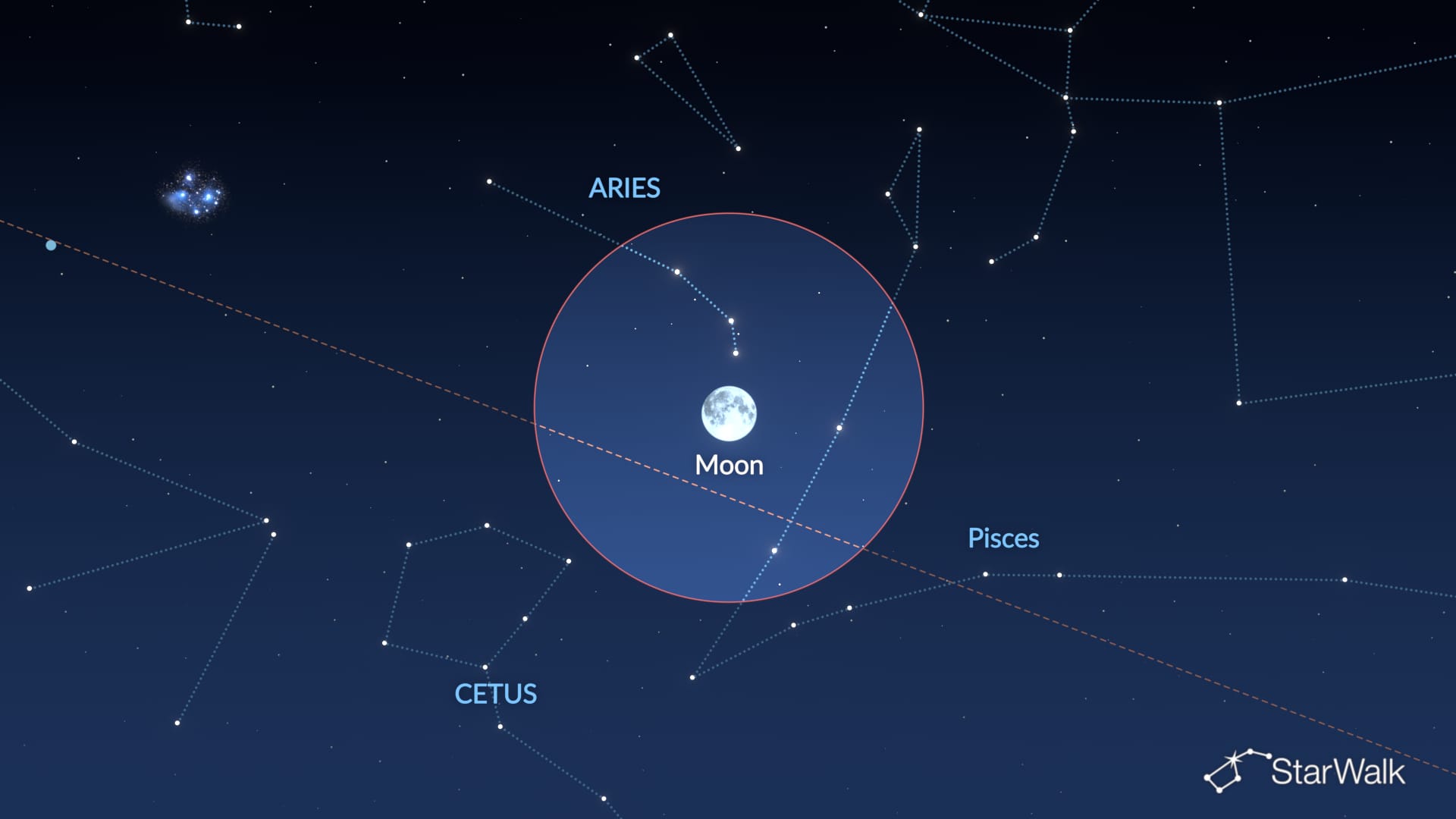
- October 26: Full Moon
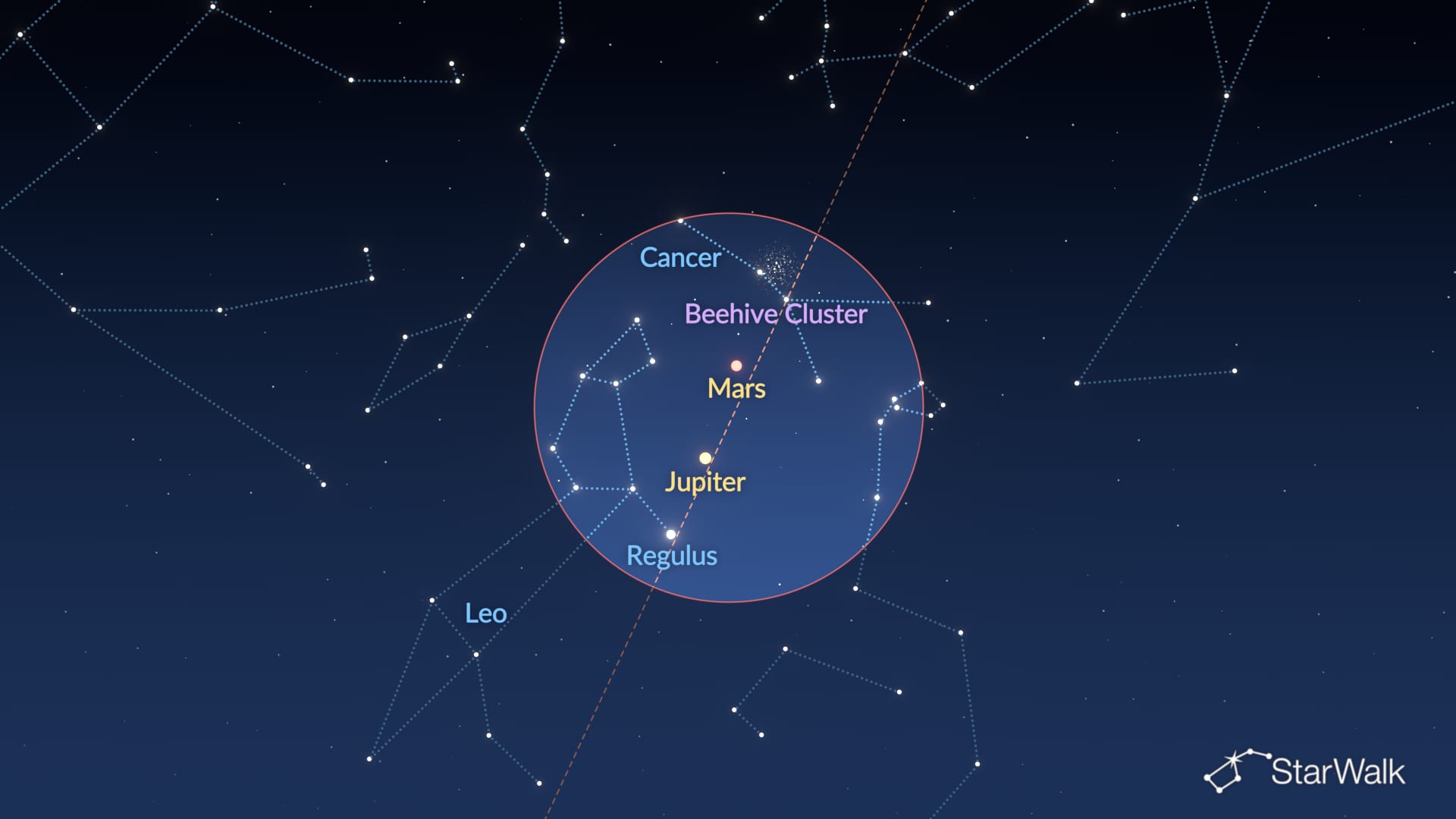
- October 26–27: the Beehive Cluster, Mars, Jupiter, and Regulus form a line
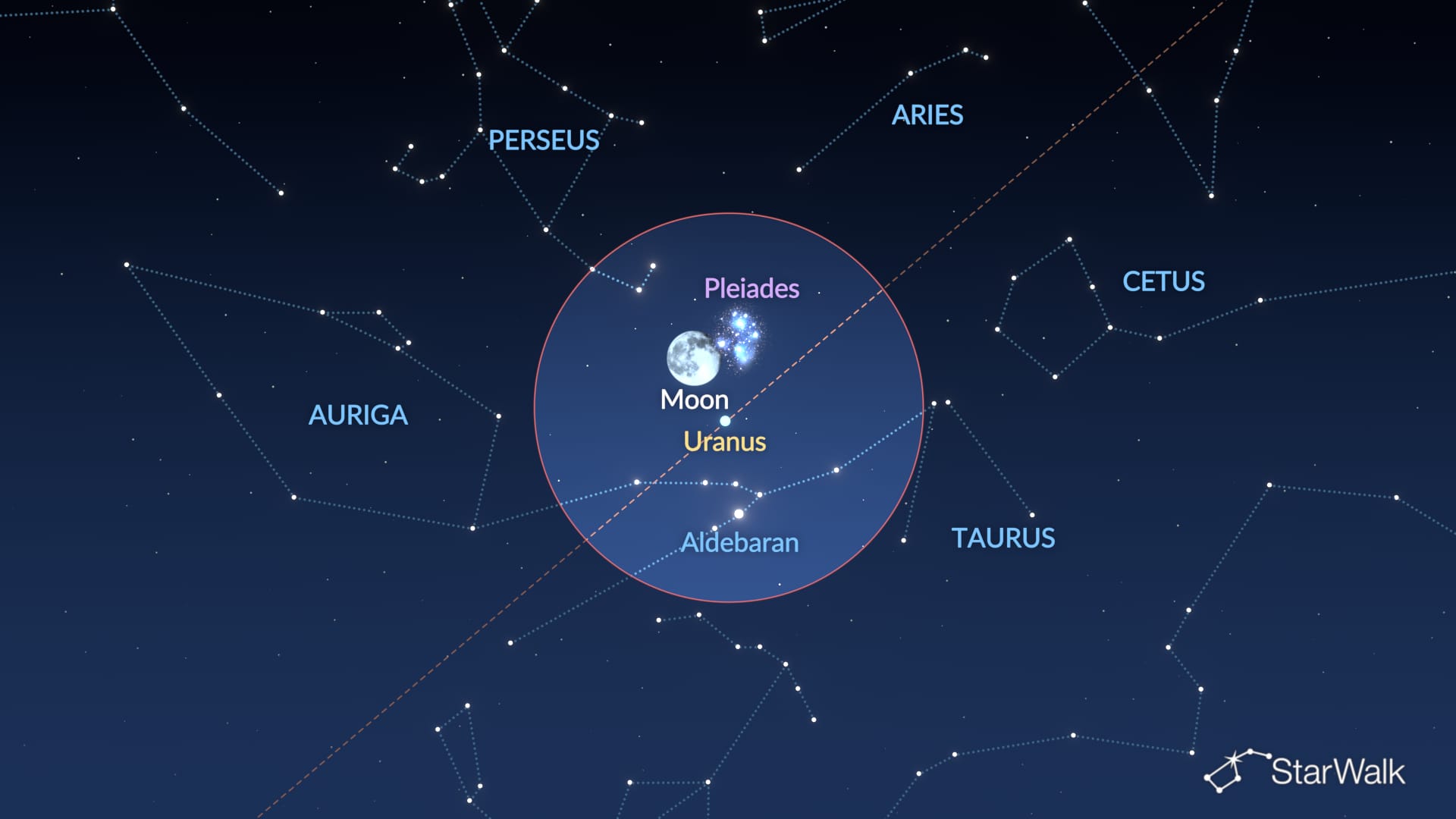
- October 28: Moon near the Pleiades, Uranus, and Aldebaran
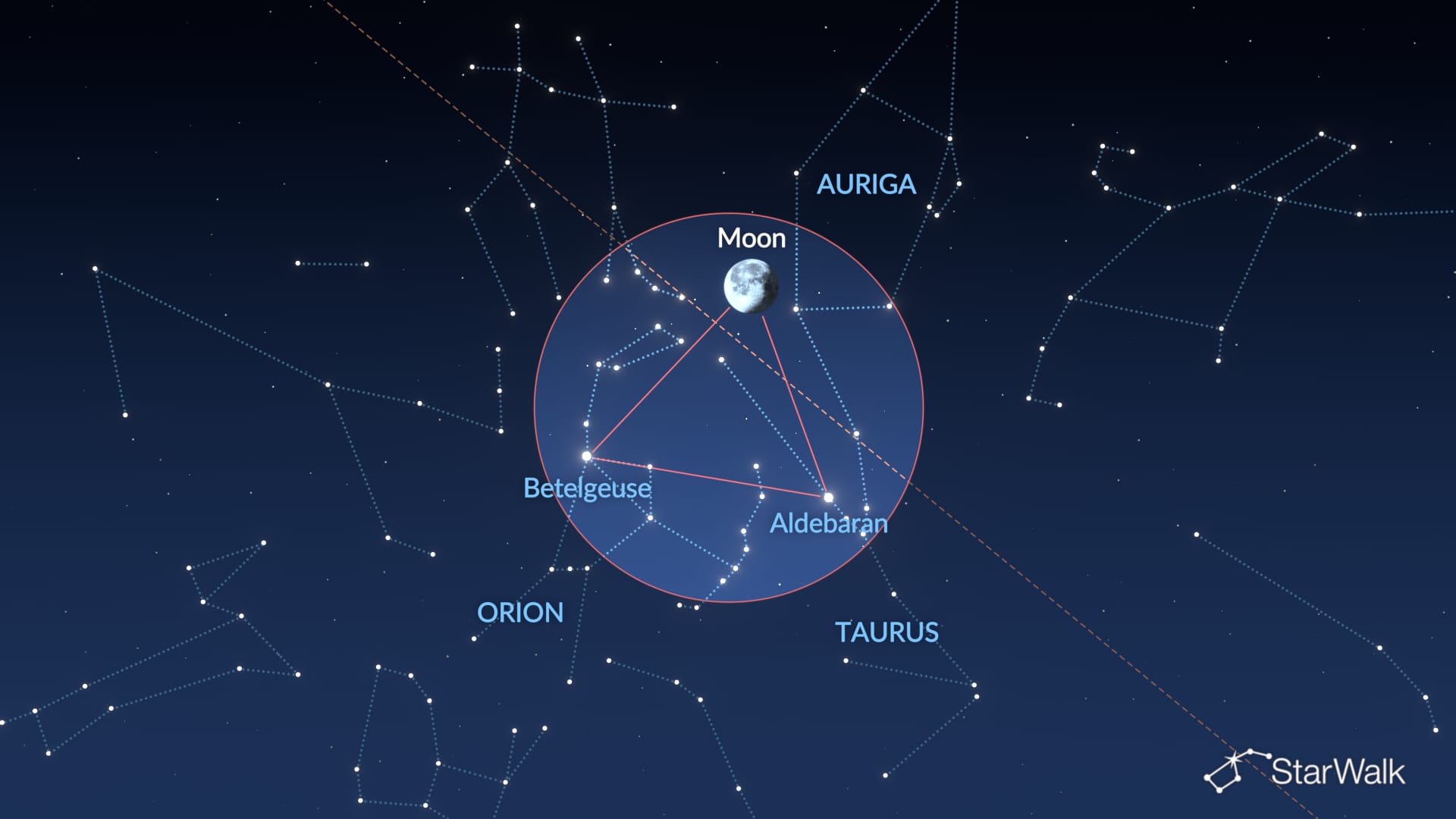
- October 29–30: Moon, Aldebaran, and Betelgeuse form a triangle
- Night Sky Tonight: Bottom Line
Sky Events Tonight: October 24
- Main astronomy events tonight: Moon near Neptune; Leonis Minorid meteor shower peak; Moon near Saturn.
- Moon phase tonight: Waxing Gibbous. Details: Moon Phase Calendar
- Planets visible tonight: Evening — Saturn and Neptune; late evening to dawn — Uranus; before dawn — Mars and Jupiter. Mercury and Venus are visible after sunset mainly from the Southern Hemisphere. Details: Planets Visible Tonight
- Constellations visible tonight: Northern Hemisphere — Aquarius, Pegasus, Cepheus, Lacerta, Piscis Austrinus, and, from lower northern latitudes, Grus; Southern Hemisphere — Aquarius, Piscis Austrinus, Grus, and Octans. Details: Constellations in October 2026
Upcoming Astronomical Events: October 24-30, 2026
| Date | Event | Best time | Equipment |
|---|---|---|---|
| October 24 | Moon near Neptune | Evening/night | Telescope |
| October 24 | Leonis Minorids peak | Late night/before dawn | Naked eye |
| October 24 | Moon near Saturn | Evening/night | Naked eye/telescope |
| October 25 | Moon, Saturn & Algenib triangle | Evening/night | Naked eye |
| October 26 | Full Moon | Evening/night | Naked eye |
| October 26–27 | Mars, Beehive Cluster, Jupiter & Regulus line | Before dawn | Naked eye/binoculars |
| October 28 | Moon near Uranus | Late evening/night | Binoculars/telescope |
| October 28 | Moon near Aldebaran | Late evening/night | Naked eye |
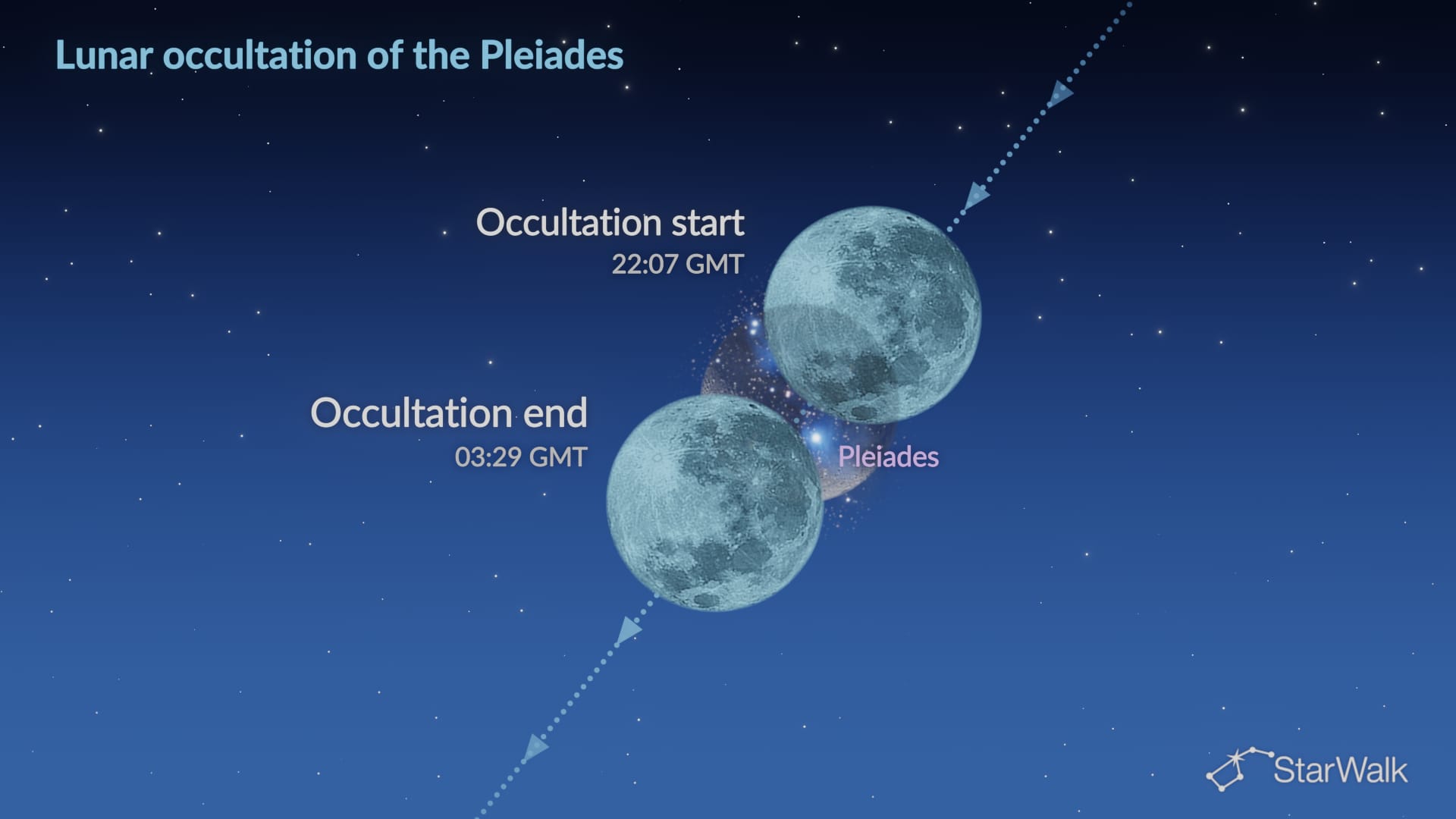
| October 27–28 | Moon near the Pleiades | Late evening/night | Naked eye/binoculars |
| October 27–28 | Lunar occultation of the Pleiades | 22:07–03:29 GMT (global time) | Binoculars/telescope |
| October 29–30 | Moon, Aldebaran & Betelgeuse triangle | Late evening/early morning | Naked eye |
Below, you’ll find sky events arranged by date, with quick viewing tips to help you choose the best nights for stargazing. All dates are listed in GMT, so the exact calendar date may differ in your local time zone.
October 24: Leonis Minorid meteor shower peak; Moon near Neptune and Saturn
October 25: Moon, Saturn, and Algenib form a triangle
October 26: Full Moon
October 26–27: the Beehive Cluster, Mars, Jupiter, and Regulus form a line
October 28: Moon near the Pleiades, Uranus, and Aldebaran
October 29–30: Moon, Aldebaran, and Betelgeuse form a triangle
Night Sky Tonight: Bottom Line
There is almost always something worth seeing in the night sky. Use this guide to choose the best events for tonight and the coming days, but remember that visibility depends on your location, local time, weather, and light pollution. For the most accurate view, check the exact position of each object in the Sky Tonight app before you go outside.
Want to plan beyond the dates listed here? Check the full monthly calendar of astronomical events in October 2026.