Cosmic Horses: Where Horses Show Up in the Night Sky
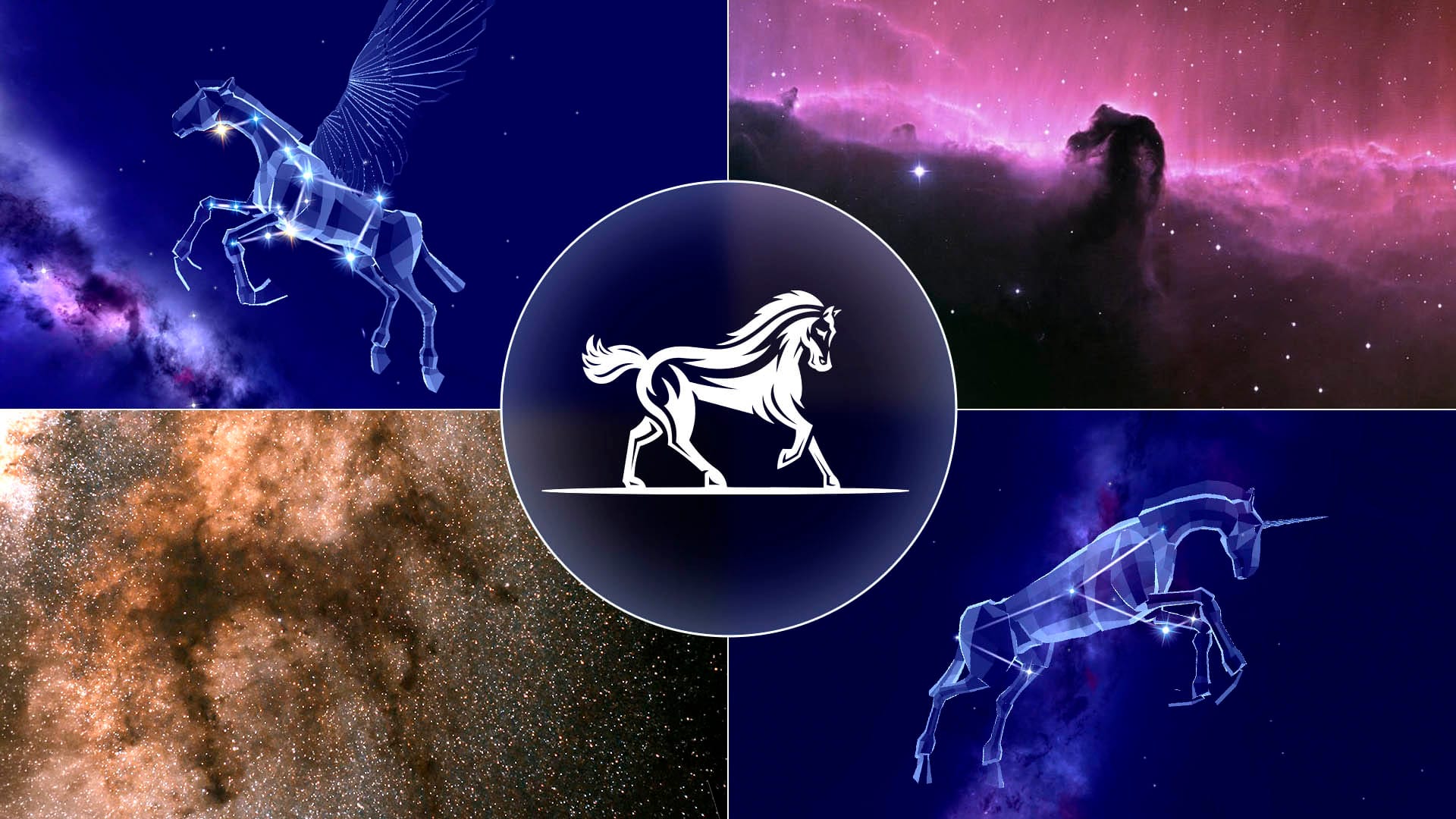
Have you ever looked up and thought, “That constellation looks like a horse”? We haven’t either. But clearly some skywatchers had vivid imaginations — or a real love for horses — because the night sky is packed with celestial “horses” and horse-like creatures. In this guide, we’ll show you space objects that actually resemble horses… and the ones that might make you wonder what our ancestors were seeing. Ready to learn about the best cosmic horses? Or, if you’d rather skip the reading, you can jump straight to spotting them with the free Sky Tonight app.
Contents
- Easy-to-Spot Horse-Inspired Constellations
- Horse-Shaped Deep-Sky Objects (for Telescope/Camera Owners)
- Mythical Horses in the Solar System
- Horse Constellations and Space Objects: Bottom Line
Easy-to-Spot Horse-Inspired Constellations
Let’s begin with the easiest “cosmic horses” — constellations you can see with the naked eye under the right conditions. People have recognized these patterns since ancient times, so when you find them, pause for a second: thousands of years ago, someone was looking at almost the exact same patch of sky and thinking, “Yep — those bright dots totally make a horse.”
Pegasus
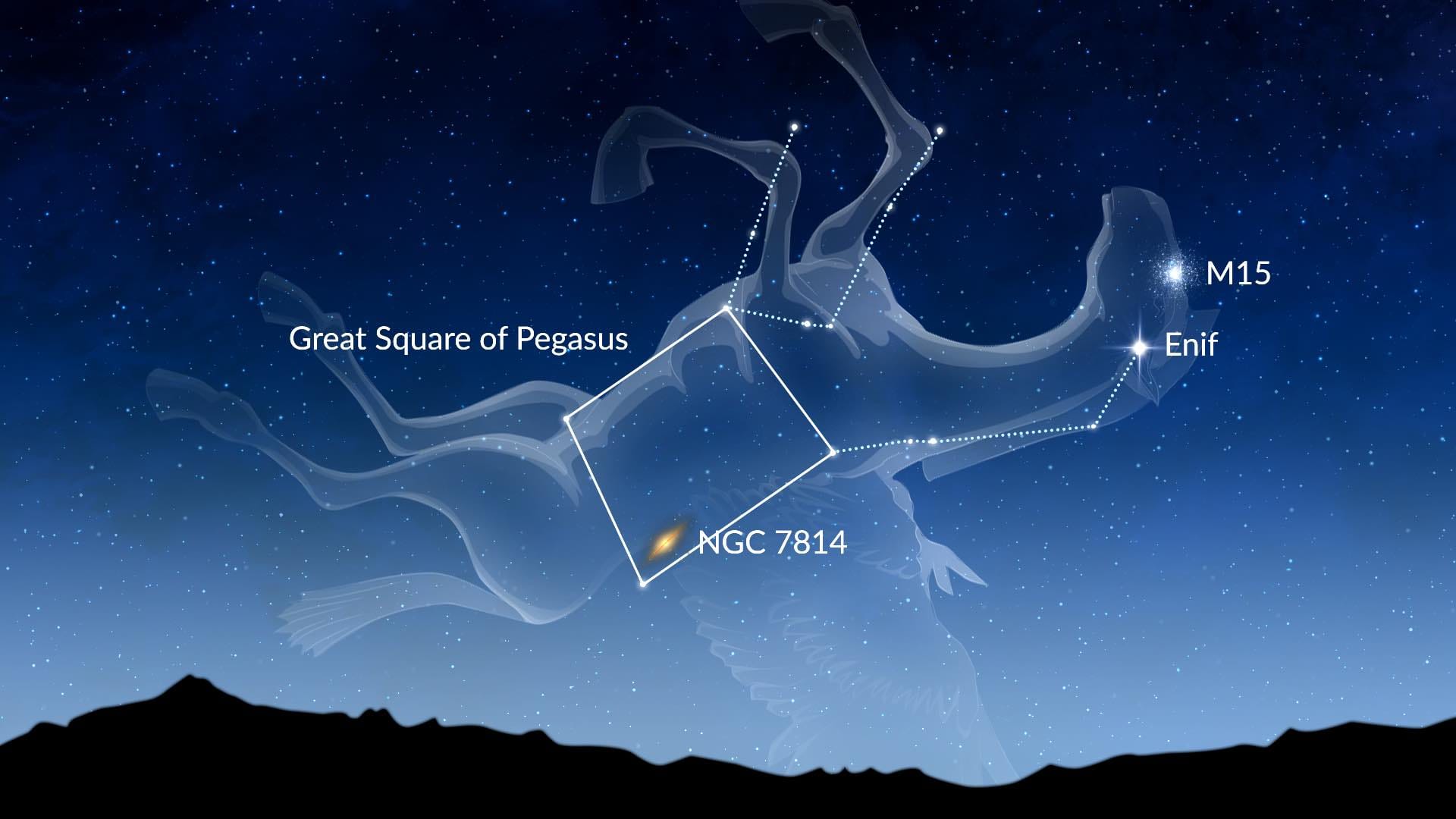
You’ve almost certainly heard of Pegasus — the most famous “horse” in the night sky. It’s visible from both hemispheres and covers 1,121 square degrees, making it the 7th-largest of the 88 constellations.
Pegasus’ brightest stars (about magnitude 2–3) form the Great Square of Pegasus — one of the biggest and easiest star patterns to recognize with the naked eye. It’s also a handy reference point for navigating the night sky and finding other space objects.
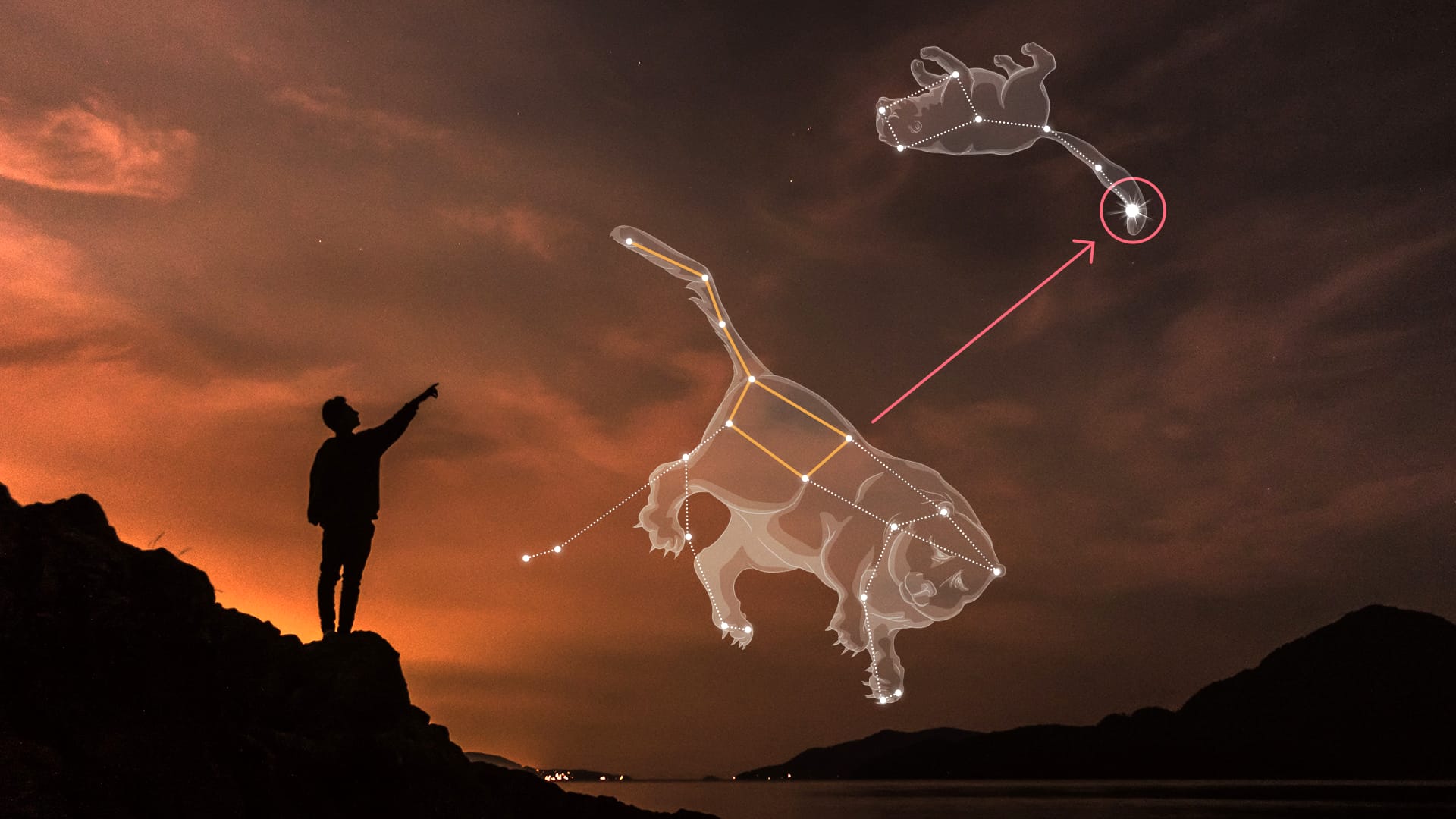
Pegasus is best seen from September through November, with the best views usually in October. For tips on spotting it and the highlights to look for, check our full guide to the Pegasus constellation.

Pegasus has been known since antiquity and appears in both Greek and Arabic star lore, often simply described as a great celestial horse. But in traditional Chinese astronomy, these same stars weren’t treated as one “horse” constellation at all. Instead, they were split into several smaller asterisms — linked to structures like palaces, walls, and rooftops — and used within the lunar mansion system for calendars and astrology.
Equuleus
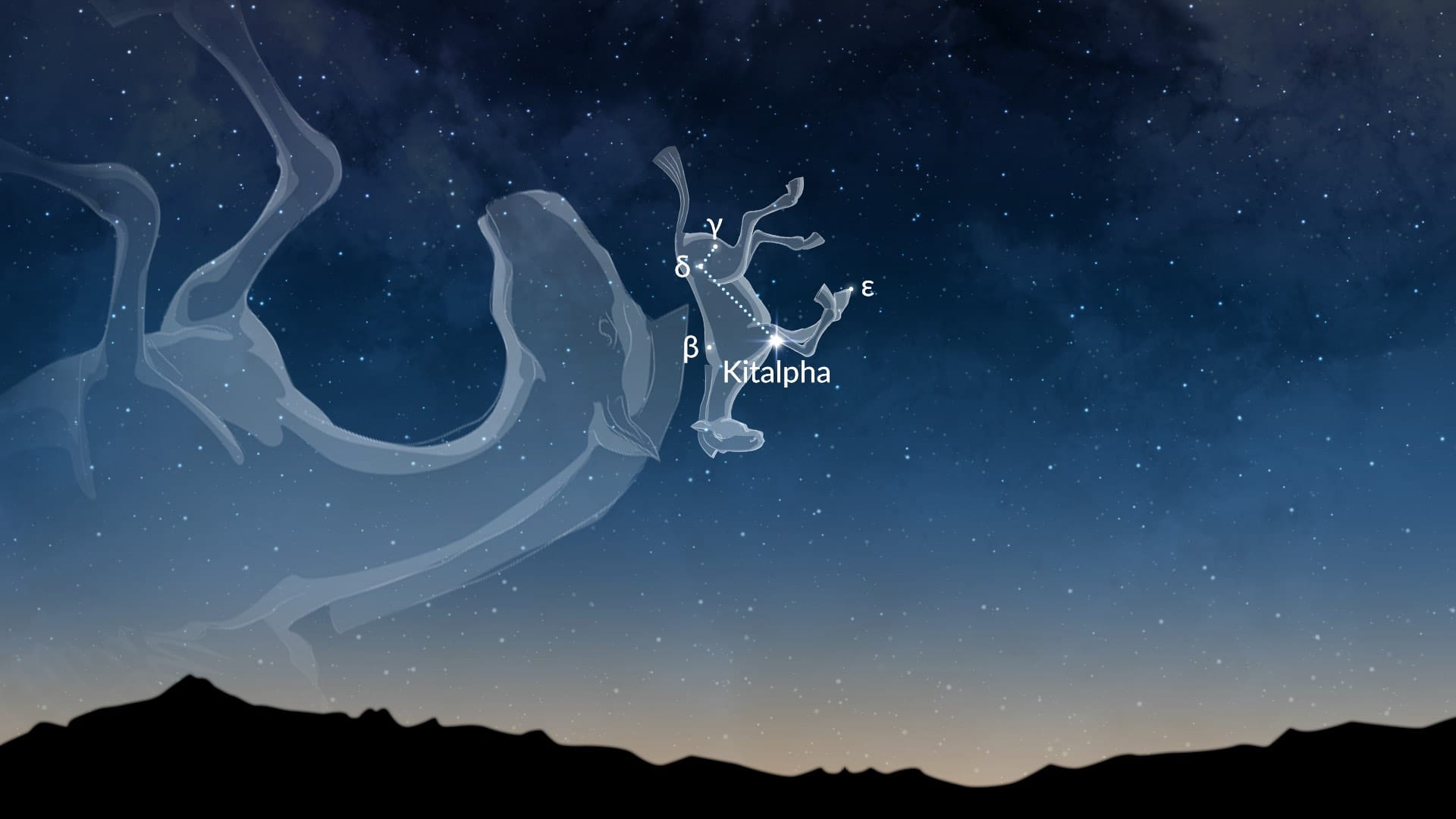
Equuleus (pronounced ee-KWOO-lee-us) is the second-smallest official constellation in the sky — and it sits right next to Pegasus. Its Latin name means “Little Horse,” so yes: up there you’ve got a big horse and a pony side by side.
You can see Equuleus from most of the world, but spotting it is a bit of a challenge. It’s tiny, and its stars are fairly faint — none brighter than about 4th magnitude. For the easiest way to track it down, check our dedicated article or use the Sky Tonight app. Like Pegasus, Equuleus is best seen from September to November.

Small and subtle doesn’t mean unimportant: Equuleus has been known since ancient times. In Greek myth, it’s sometimes connected to Celeris, a swift foal whose name essentially means “speed.” But some early star catalogs described it as the “Head of the Horse,” so you’ll sometimes see it drawn as a little horse head beside Pegasus — slightly eerie, honestly.
Centaurus
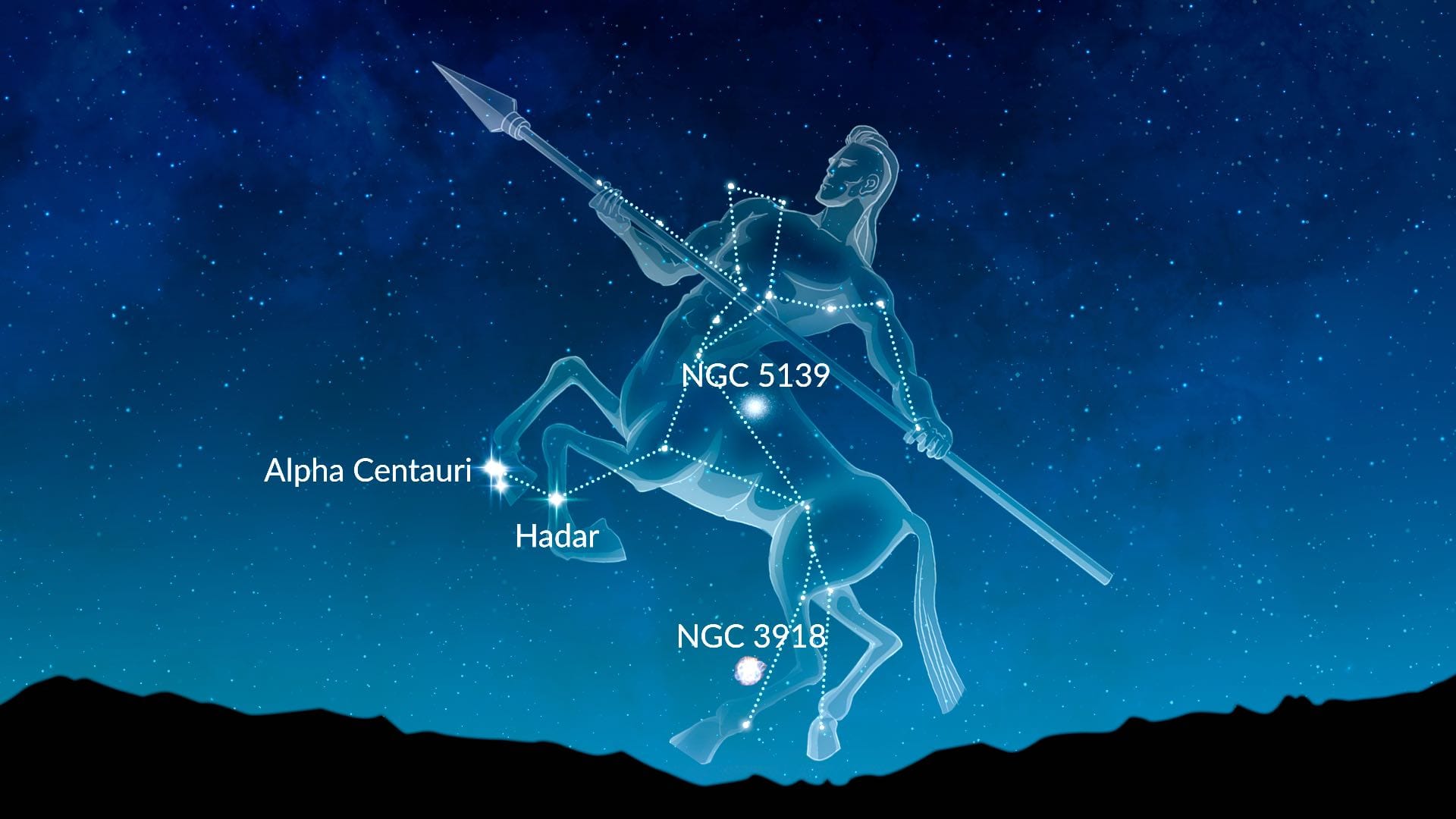
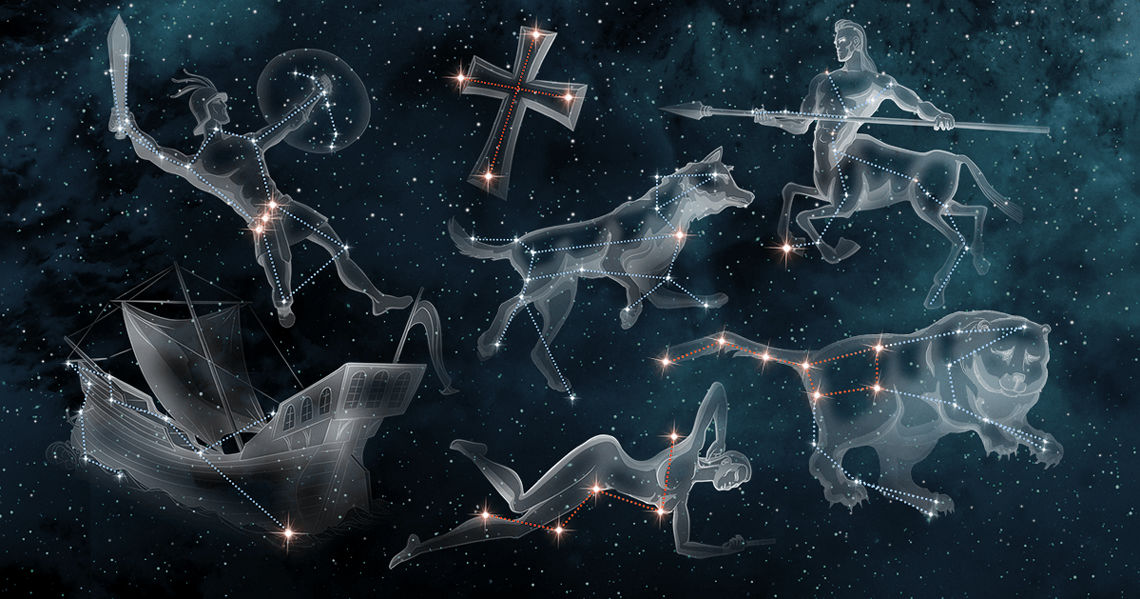
The constellation Centaurus represents a centaur, the half-human, half-horse creature from myth. It’s also huge: Centaurus is the 9th-largest of the 88 constellations. The catch is that it sits far in the southern sky, so it’s hard (or impossible) to see from much of the Northern Hemisphere. For example, it’s partially visible from Florida, but won’t rise above the horizon in the state of New York.

If you can observe it, though, Centaurus is a standout. It contains approximately 280 stars brighter than magnitude 6.5 — more than any other constellation — which makes it rich and easy to recognize under dark skies. That’s why it even appears on our list of “7 Famous Constellations Everyone Can Find”. The best time to spot Centaurus is around May.
Monoceros
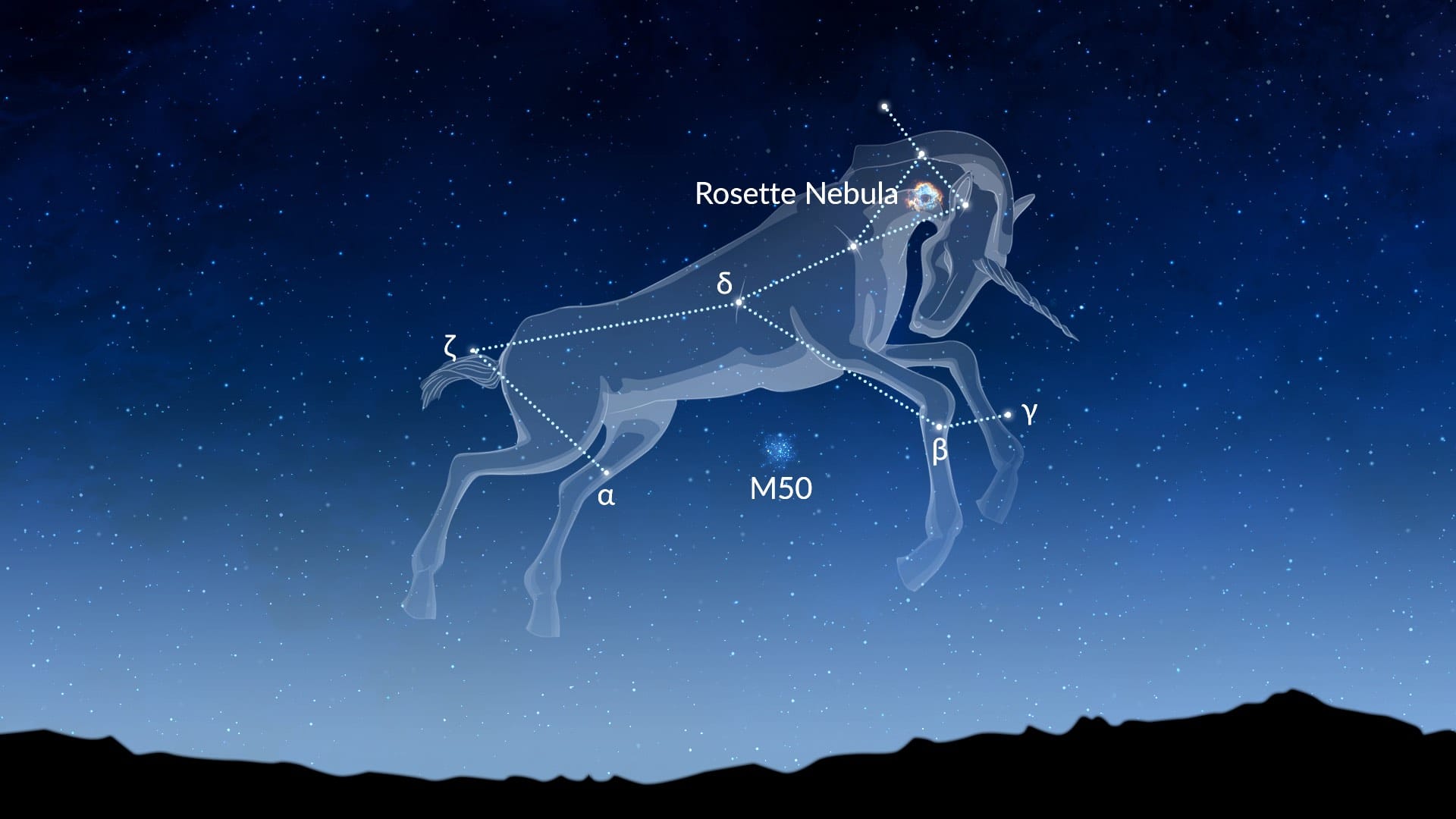
Monoceros is another horse-inspired constellation — though this one comes with a horn. Its Latin name means “unicorn”, and it sits between two well-known constellations: Orion and Hydra.
Monoceros is pretty faint. It has only a few 4th-magnitude stars, so it’s difficult to make out with the naked eye unless your sky is very dark. The best time to spot Monoceros is around February.
Unlike Pegasus or Centaurus constellations, Monoceros is a relatively new constellation. It was introduced in the 17th century by a Dutch cartographer to fill a blank patch on star charts. It’s a good reminder that not every horse-related constellation is an ancient tradition — some were later additions meant to bring familiar mythical creatures into the sky.
Horse-Shaped Deep-Sky Objects (for Telescope/Camera Owners)
Now for the objects that — with a little imagination — really can look like horses. These are deep-sky targets, invisible to the naked eye, but visible through a telescope and especially striking in astrophotos, where their horse-like shapes show up as dark silhouettes or glowing outlines.
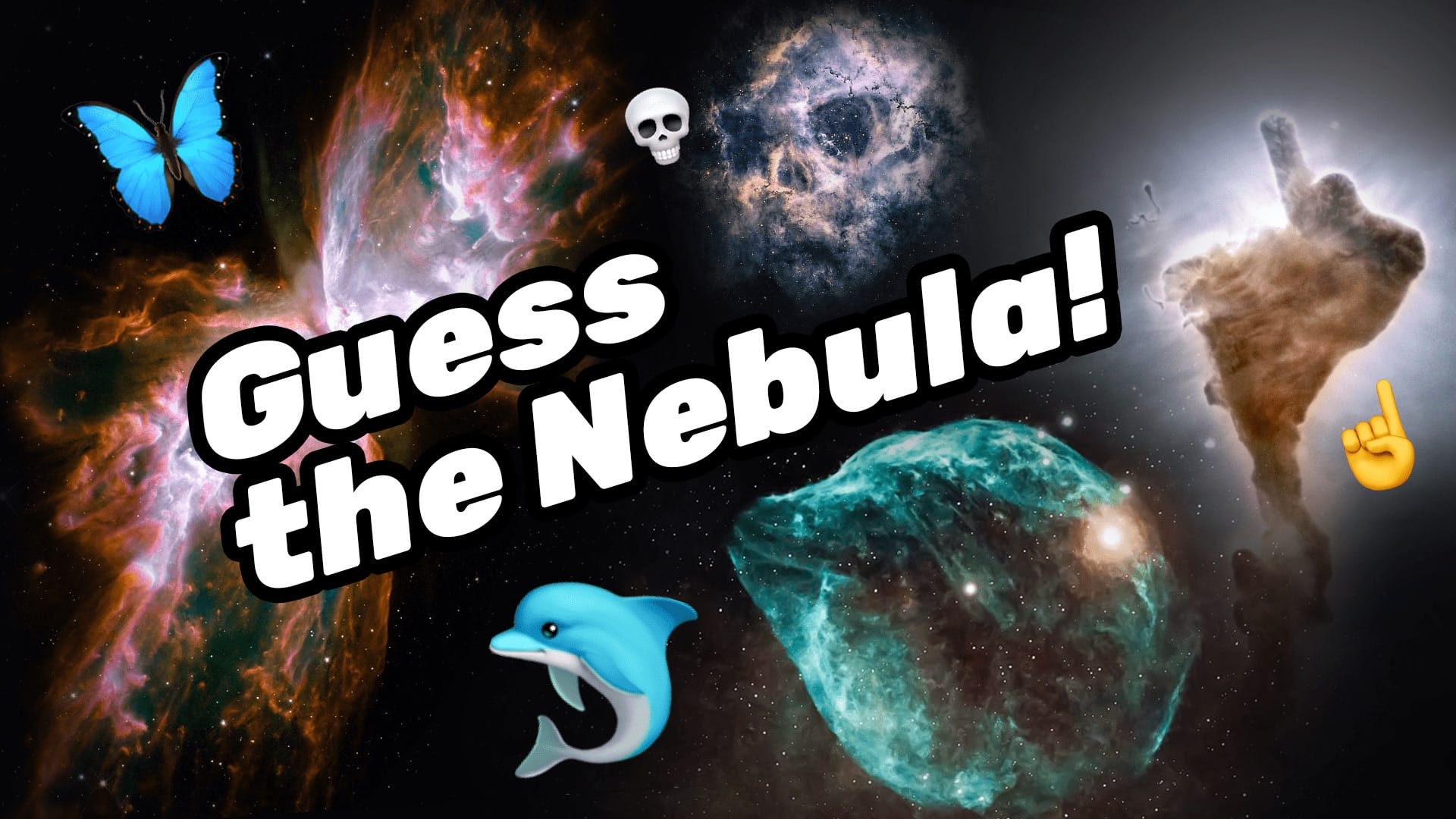
Before we dive in, here’s a quick challenge: try our fun quiz and see if you can guess a nebula’s name from its picture.
Horsehead Nebula
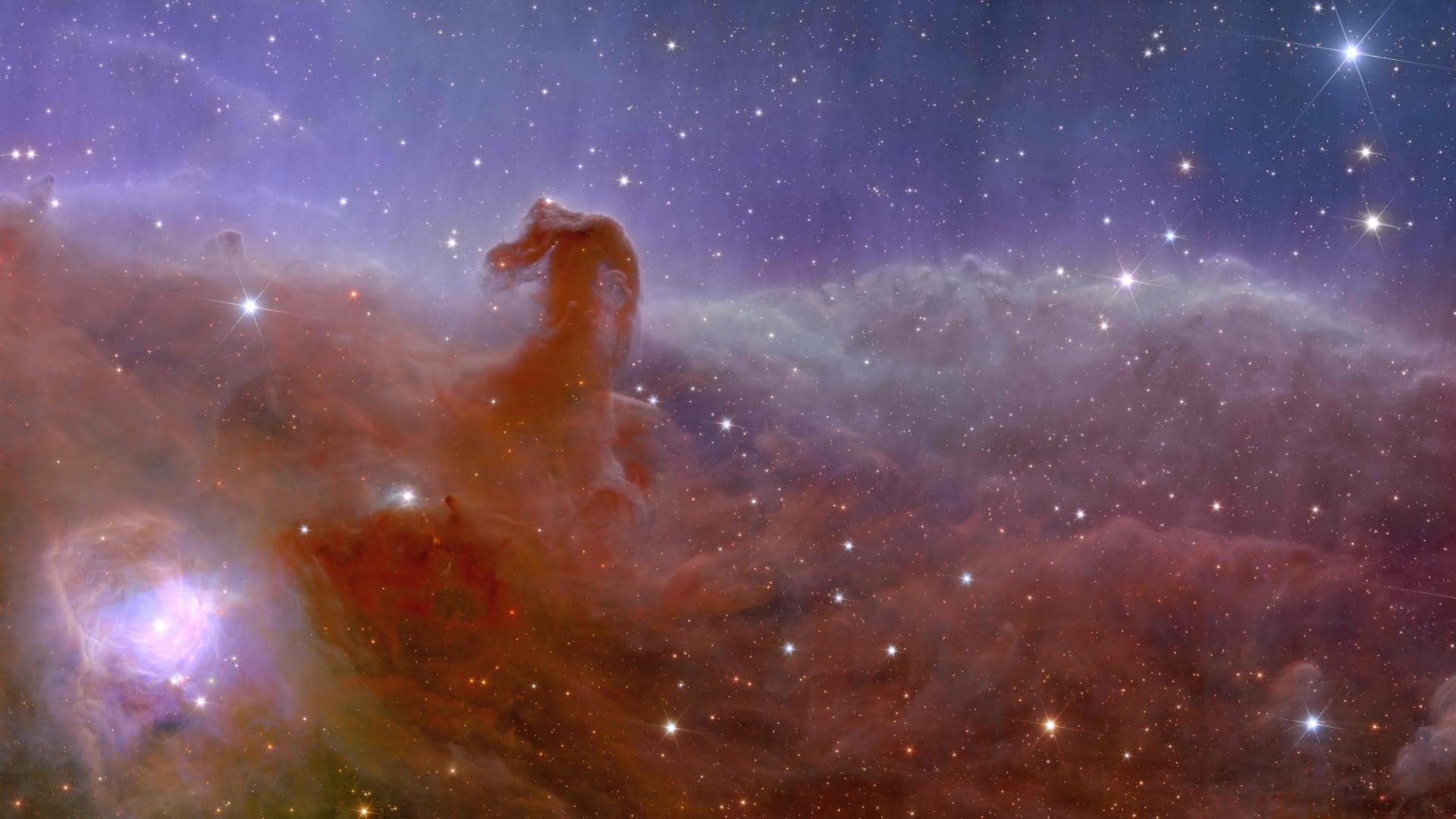
The Horsehead Nebula (Barnard 33) is the most famous “horse-shaped” deep-sky object of them all. Best observed from November through February, it’s one of the showpieces of the constellation Orion.
What makes it so iconic is its shape: a dark cloud that looks remarkably like a horse’s head in profile, silhouetted against the glowing background nebula IC 434. It’s also notoriously difficult to spot visually through a telescope, so many amateurs treat it as a classic skill test — and photographers love it for the same reason: it delivers a stunning, unmistakable image when you capture it right.
Blue Horsehead Nebula
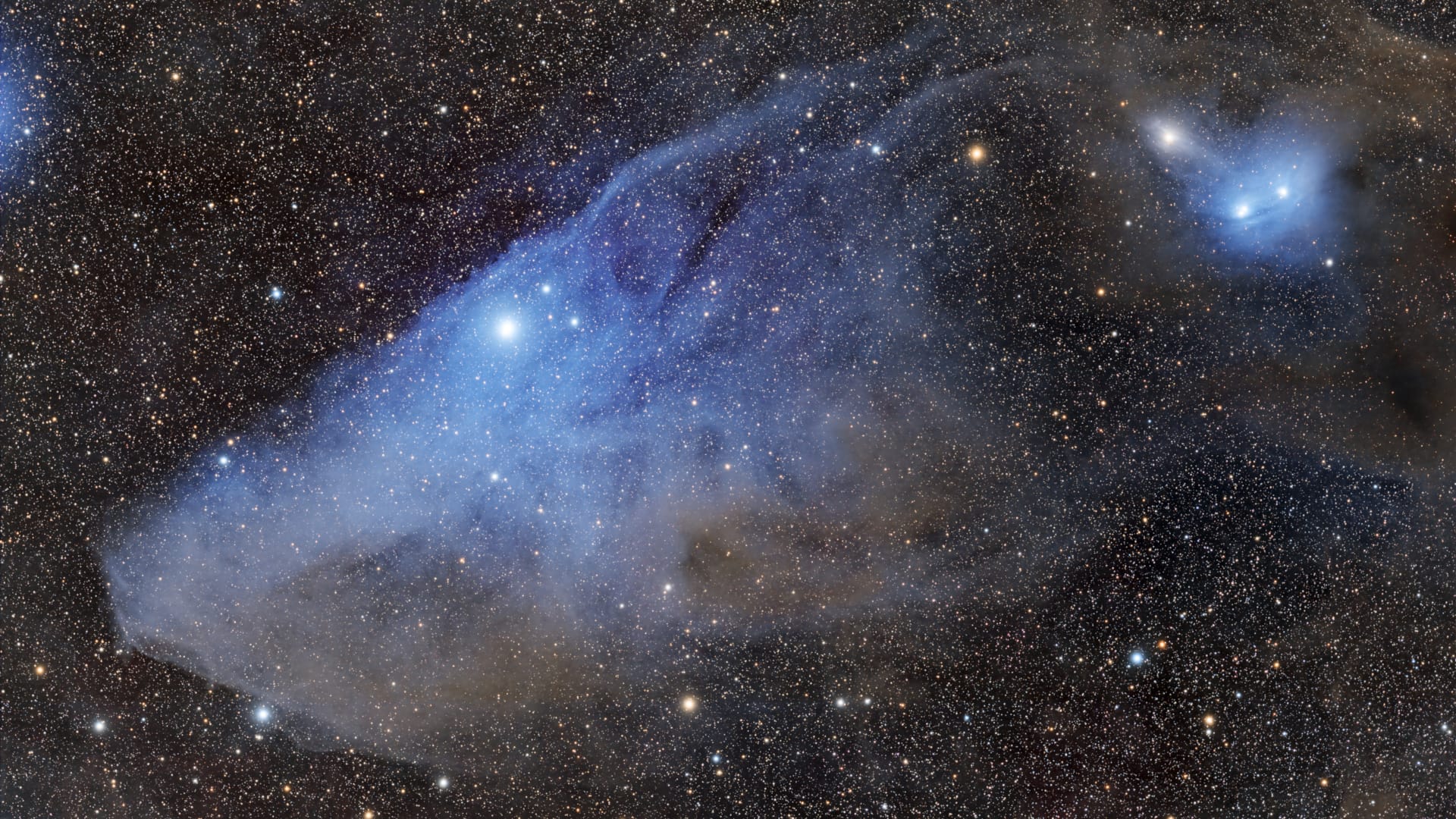
The Blue Horsehead Nebula (IC 4592) is a large, faint cloud of dust that reflects the light of nearby stars. Unlike the “classic” Horsehead Nebula, it glows with a soft blue light.
Its outline is often said to resemble a horse’s head, and a bright star near the “eye” area makes the impression even stronger (though to us it looks more like a wolf — but we don’t get to name nebulae).
IC 4592 is visible from both hemispheres, but it’s best placed for observers in the Southern Hemisphere around June. It’s also a tricky target: the nebula is too extended for most telescopes and too faint for binoculars, so it’s hard to appreciate visually. With a DSLR camera, however, it’s much easier to capture — making it a fantastic subject for astrophotographers, and a less rewarding one for purely visual observing.
Dark Horse Nebula or Great Dark Horse
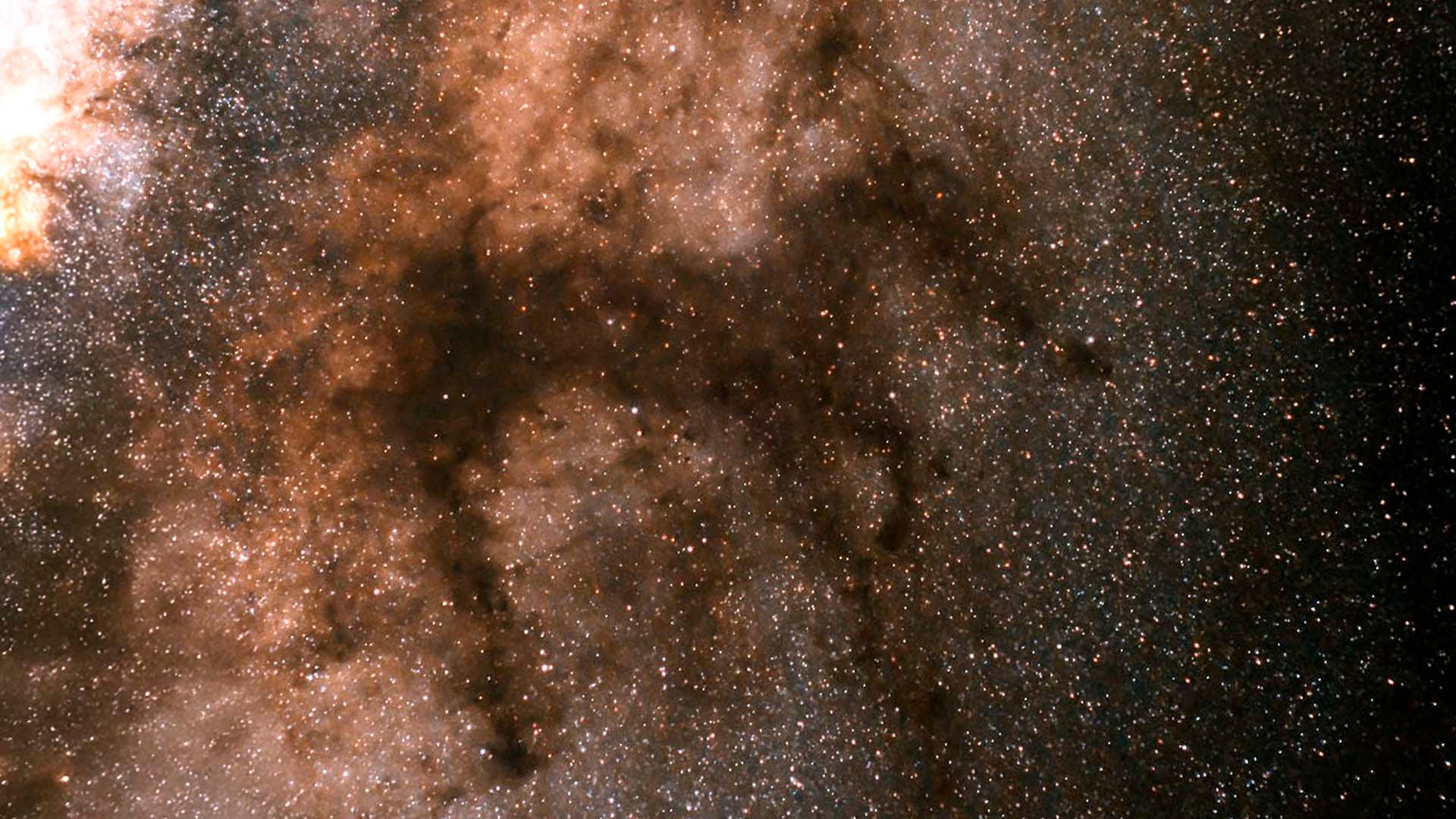
The Dark Horse Nebula is a vast dark nebula — a network of interstellar dust clouds that obscures the light from some of the Milky Way’s brightest regions. Under truly dark skies, it shows up as a giant horse-like shadow stamped onto the glowing band of our galaxy.
You’ll need a very dark location to see it, but the payoff is that it’s visible to the naked eye — and it’s enormous. The Dark Horse stretches across nearly 10 degrees in the Milky Way’s upper bulge and can look like a prancing horse in profile. For scale, 10 degrees is about the width of your fist held at arm’s length. Learn how you can measure distances in the sky using only your hand — this method works for all ages.

Mythical Horses in the Solar System
Some “cosmic horses” are much closer than stars or nebulae — they’re right here in the Solar System. Their horse connection comes from mythology, not from what they look like.
Chiron
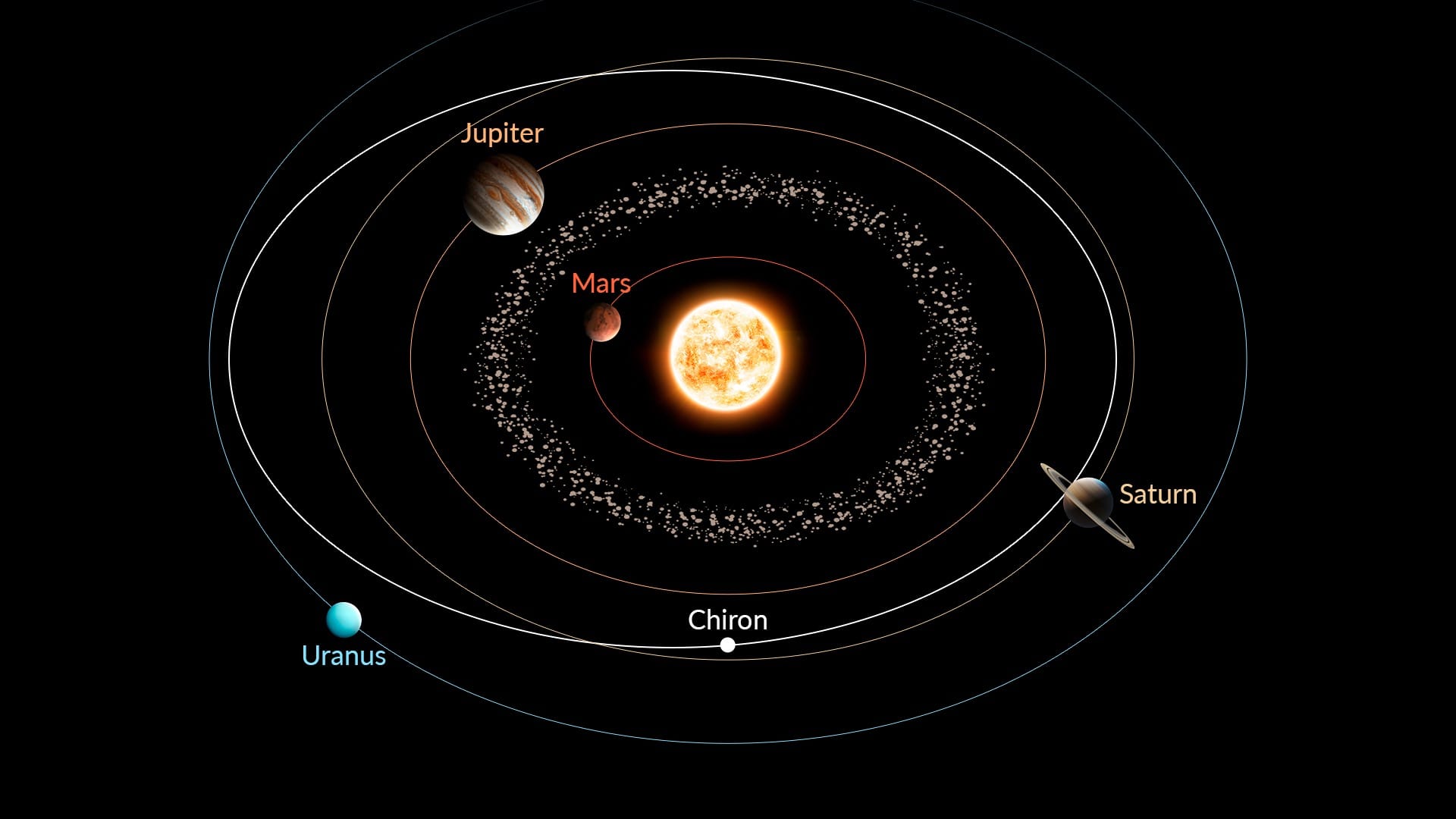
2060 Chiron is a small Solar System body that belongs to the centaurs. They travel between the asteroid belt and the Kuiper belt and show a mix of asteroid- and comet-like behavior. Chiron orbits the Sun between Saturn and Uranus.
Chiron was discovered in 1977 by Charles Kowal and became the first known member of this class.
Its name comes from Chiron, the wise centaur of Greek mythology: part human, part horse. It’s a fitting match for an object with a “hybrid” identity — and by tradition, centaurs discovered afterward were also named after mythological centaurs.
Epona
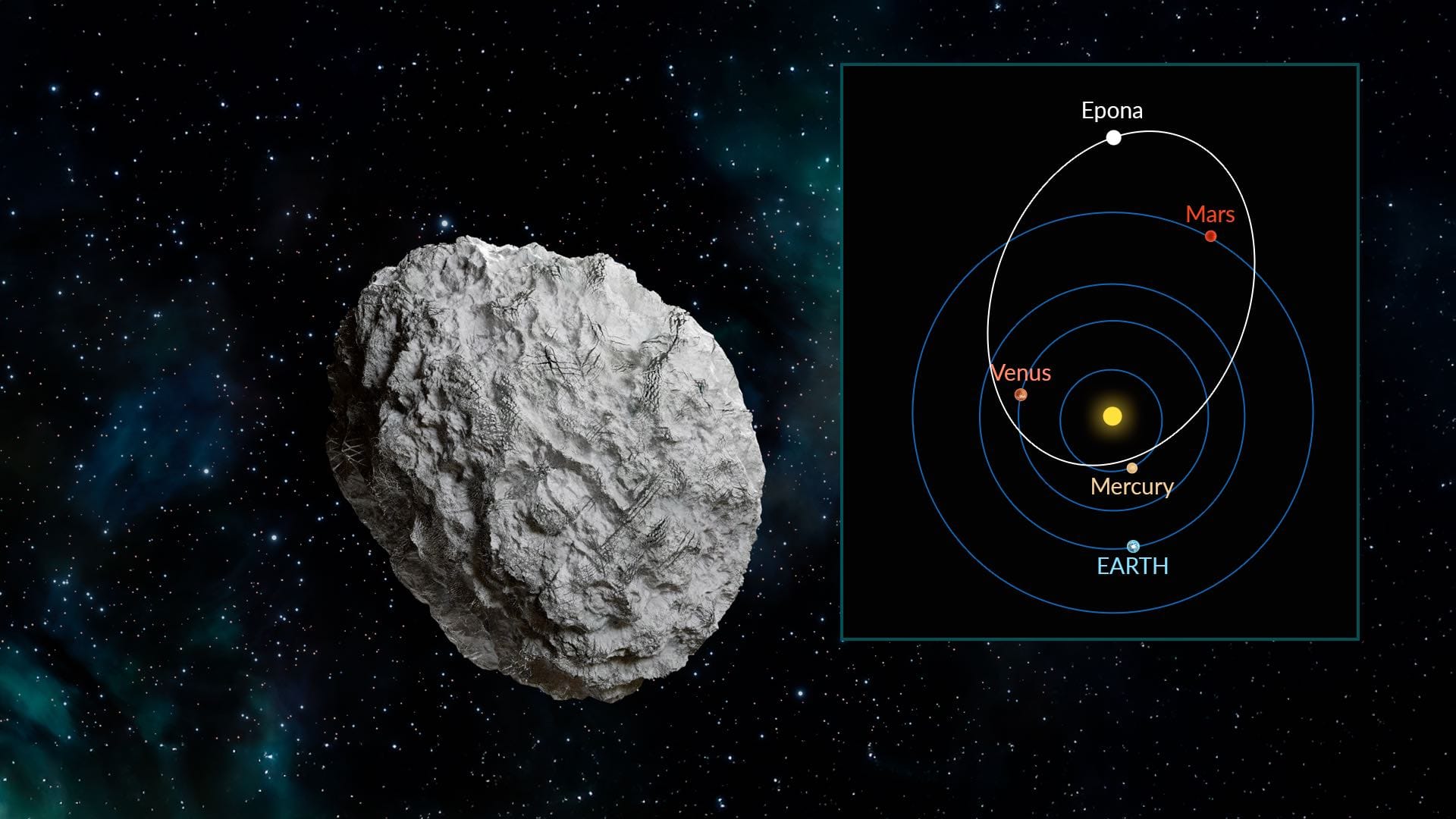
(3838) Epona is a near-Earth asteroid discovered in 1986. It follows a highly elongated orbit, which means that as it travels around the Sun, its orbit crosses the orbital distances of the inner planets — from Mercury to Mars.
It’s named after Epona, a Celtic goddess associated with — and seen as a protector of — horses, donkeys, and mules.
Next to Chiron, Epona highlights a different kind of “cosmic horse.” It isn’t part of a horse-themed orbital class — it’s horse-related because of its mythology-based name, reflecting how deeply horses have been tied to movement and travel in human culture.
Horse Constellations and Space Objects: Bottom Line
From bright constellations to dramatic nebulae — and even Solar System objects — horses show up in the sky in surprising ways. Some are easy to spot with the naked eye; others need a telescope or long-exposure photos.
These “cosmic horses” link ancient myths with modern astronomy and show how we use familiar images to make sense of the Universe. Use the Sky Tonight app to find them in your own sky.
And one more fun reason to look up: 2026 is the Year of the Fire Horse in the Chinese zodiac — a perfect excuse to go horse-hunting in the sky.