Messier Marathon 2026 Planner: The Observing Order That Saves Beginners Hours
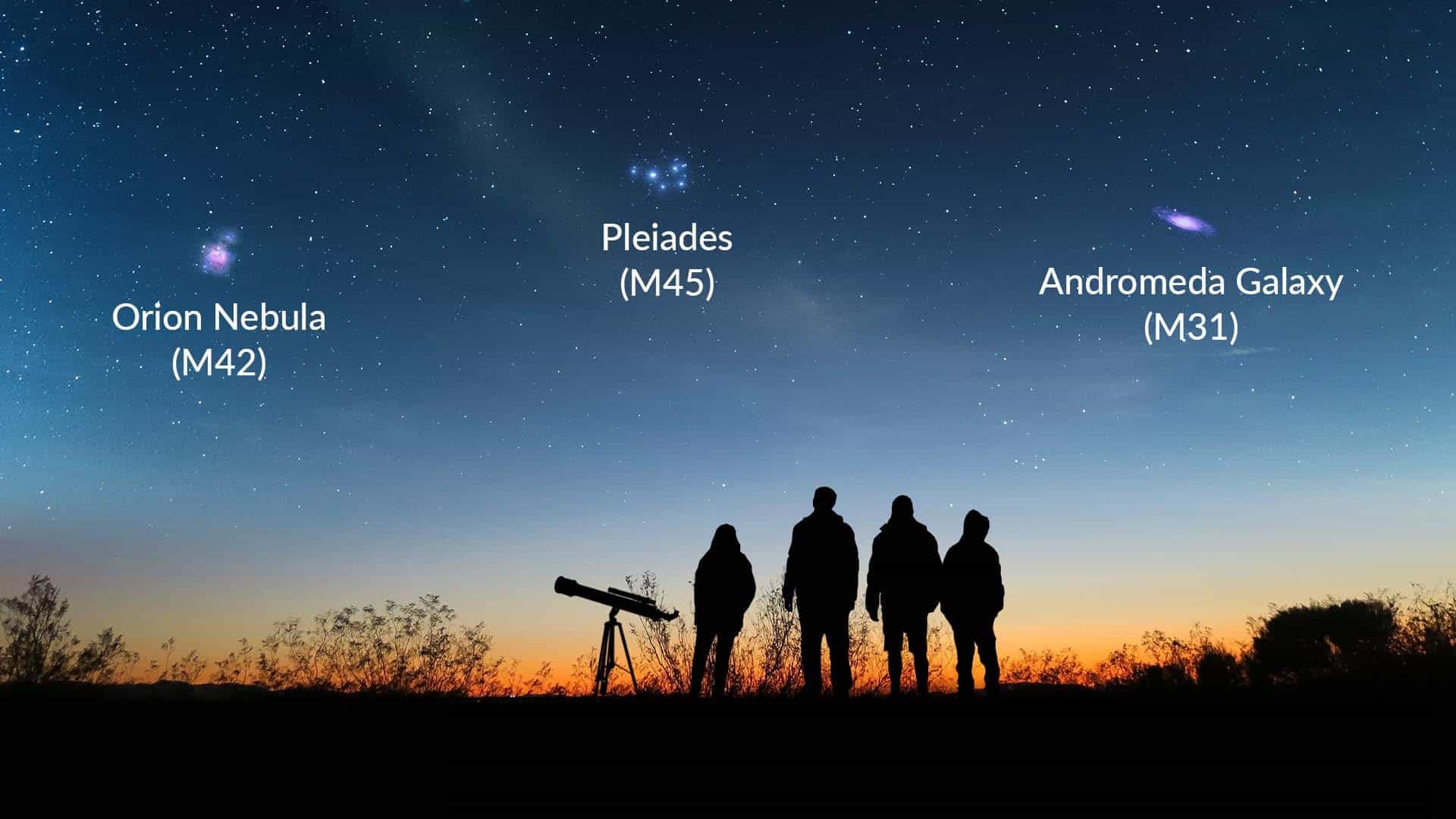
The Messier Marathon is the most popular stargazing competition, challenging people to spot as many Messier objects as possible in just one night. In 2026, the best time to attempt the marathon is from March 20 to 21. Ready to take on the challenge but unsure of where to begin? We’ve got you covered! With our Sky Tonight app at your fingertips and this comprehensive guide, you’ll navigate through the star-studded sky with ease. Let’s get started!
Contents
- Messier Marathon 2026: key details
- Introduction to the Messier Marathon
- When is the Messier Marathon 2026?
- Where does the Messier Marathon take place?
- How can I participate in the Messier Marathon?
- What can I see during the Messier Marathon?
- Beginner mini-Messier marathon
- Messier Marathon planner: conclusion
Messier Marathon 2026: key details
- Messier Marathon 2026 date: March 20-21, 2026
- Messier Marathon 2026 backup date: March 13-14, 2026
- Goal: observe as many of the 110 Messier objects as possible in one night
- Best seen: between 20°S and 55°N
Introduction to the Messier Marathon
What is a Messier Marathon?
The Messier Marathon is an astronomical challenge that invites enthusiasts to observe all 110 deep-sky objects listed in the Messier Catalog in a single night. Developed in the 1970s by American astronomers Tom Holfelder, Donald Machholz, and Tom Reiland, this event tests observing skills and endurance.
Who was Charles Messier?
Charles Messier was an 18th-century French astronomer who is best known for creating the "Catalog of Nebulae and Star Clusters.” Originally, he created it to help comet hunters by distinguishing fixed celestial bodies that could easily be mistaken for comets.
What is the Messier Catalog?
The Messier Catalog is a collection of some of the brightest deep-sky objects, most of which are visible from the Northern Hemisphere. It comprises 110 objects, each identified by an "M" followed by a number. Some of them also have proper names (like the Pleiades or the Andromeda Galaxy).
What are the Messier objects?
The Messier objects are deep-sky objects of the three main types – nebulae, star clusters, and galaxies. To an observer, they look like fuzzy, cloud-like spots in the sky. The number of visible objects varies with the observer's location and the time of year. The most crowded areas are the Virgo Cluster and the region around the Galactic Center.
When is the Messier Marathon 2026?
In 2026, the main weekend to try the Messier Marathon is March 20–21. An earlier backup option is March 13–14, 2026 – it offers slightly brighter skies and is meant for stargazers who can’t make the top dates.
The Messier Marathon usually takes place in March or April, when viewing conditions are optimal. During this time, the Sun passes between Pisces and Aquarius, where only a few Messier objects are located. As a result, most of the objects remain free of the Sun’s glare from dusk to dawn.
For the best possible observing results, the main date of the Marathon is scheduled for a weekend closest to the New Moon. However, don't limit yourself to the best Marathon dates. Less complete Messier Marathons can be held at any time of the year.
Best Messier Marathon dates 2026-2036
Here is a list of primary and secondary Messier Marathon weekends for the next few years:
- 2026: March 21, March 14
- 2027: April 3, March 6
- 2028: March 25, April 1
- 2029: March 17, March 10
- 2030: March 30, March 9
- 2031: March 22, March 29
- 2032: March 13, March 6
- 2033: March 27, April 2
- 2034: March 18, March 25
- 2035: March 10, April 7
- 2036: March 29, March 22
The dates up to 2100 are available on the Messier Marathon earliest website.
Where does the Messier Marathon take place?
The Messier Marathon is best suited to observers in the Northern Hemisphere. From southern latitudes, you can still have a great “mini-marathon,” but a complete 110/110 run becomes much harder because several key targets stay too low (or never rise high enough) before twilight. The ideal conditions for viewing the Messier objects are between 20 degrees south and 55 degrees north worldwide.
How can I participate in the Messier Marathon?
The Messier Marathon is designed for both experienced astronomers and those new to stargazing. You can take part in it with your local astronomy club, with your friends and family, or even just on your own.
Want to find out how good you are at stargazing before starting off? Test your skills with our stargazing quiz!
How to prepare for the Messier Marathon?
Charles Messier didn't have the fancy gadgets to help him spot deep-sky objects, but luckily, you do! If you're new to stargazing and not too strict about doing everything the old-fashioned way, using apps like Sky Tonight can really help you get ready for the Messier Marathon. Here's how to make the most of it:
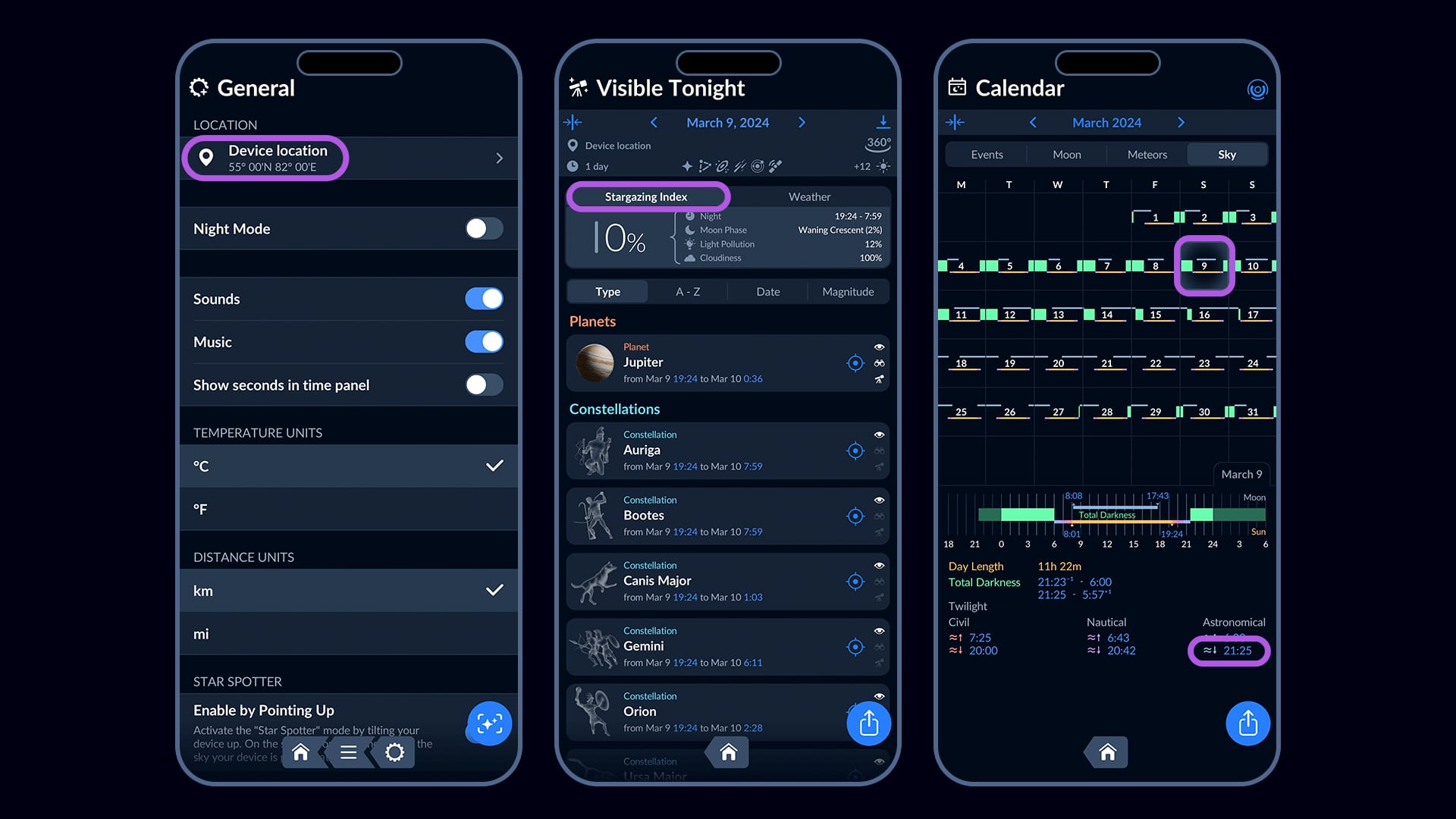
- First, find out your longitude. Go to Menu – Settings – General – Location, and you’ll see your longitude and latitude if you've enabled the app to use your device's location.
- Look up the Stargazing Index for the night you plan to observe. You'll find this in the Visible Tonight section (a telescope icon on the main screen). A high percentage means a good night for stargazing.
- Find out when astronomical twilight begins in your area. Go to the Calendar feature, select the Sky tab, and look for the astronomical twilight start time for the desired date. This is when you should be ready to observe.
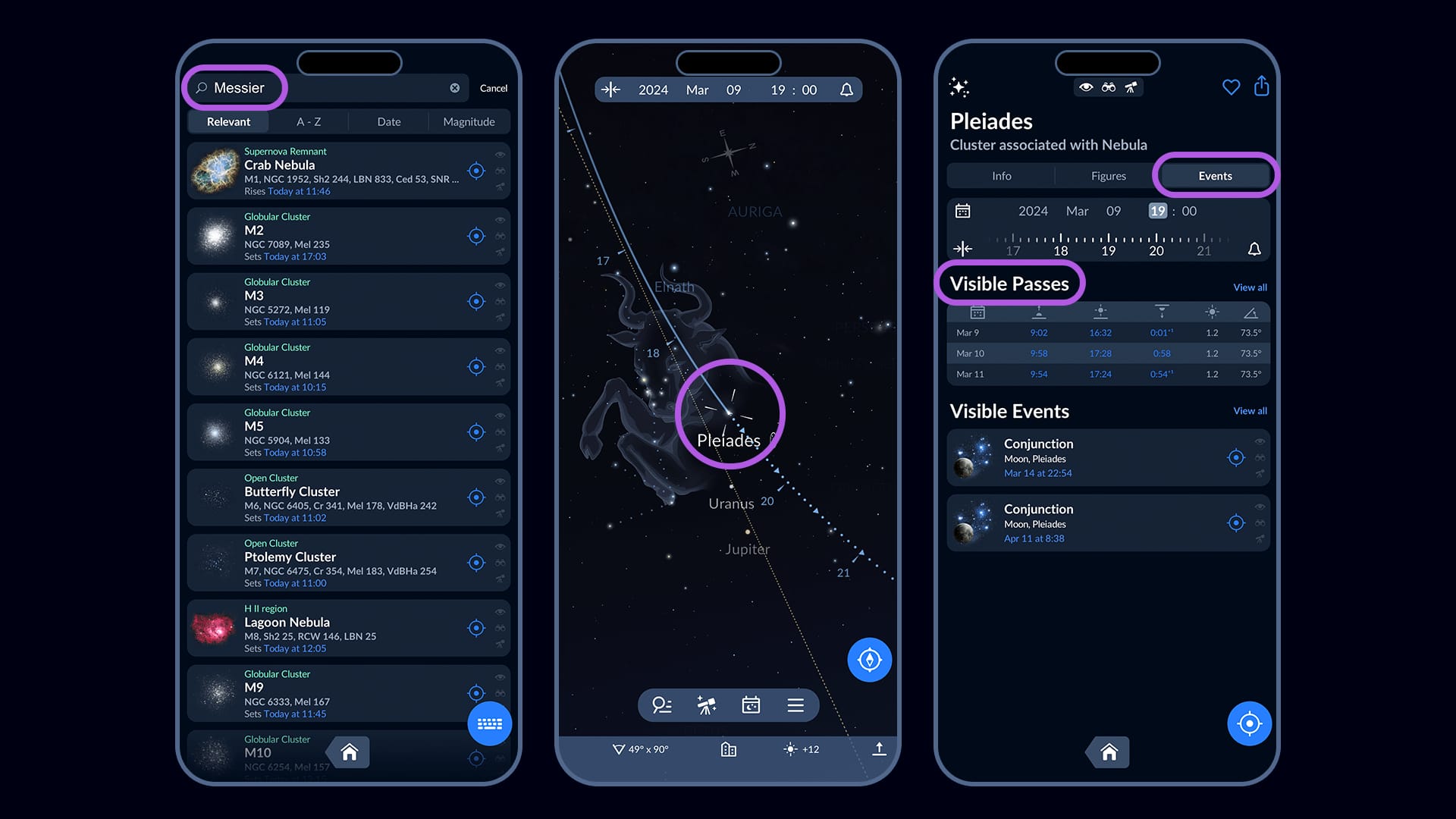
- Get to know the Messier objects better. Just search "Messier" in the app, and you'll see a list pop up. Browse the list to learn the names of objects and what they look like. Click on any object to get more details about it.
- Quickly find a Messier object in the sky. Enter the object's name in the search bar, hit the blue target button next to its name, and then press the compass icon. The app will show you where to look for the object in the real sky. Just move your device following the white arrow on your screen until it aligns with the object.
- Set up alerts for when Messier objects rise and set. After searching for an object and tapping on it, go to its Events section. Under Visible Passes, you'll see its rise, peak, and set times. Press and hold a time to set a notification. Customize it, and the app will remind you so you won't miss seeing an object.
Messier Marathon tips
Even with the help of the stargazing app, seeing all 110 objects in one night is quite challenging. Weather, sky conditions, and landscape can make it easier or harder. Here is how to prepare:
- Choose a location between 20 degrees south and 55 degrees north, with a clear view of the horizon (especially facing west and southeast).
- Plan for a long night with appropriate supplies (warm clothes, food, and drinks).
- Use a high-quality 3-inch (or larger) telescope to see the faint objects, and keep 10x50 binoculars handy for the brighter ones.
- Learn about the Messier objects in advance and try to find some of them on different nights before the Marathon.
- Start at astronomical twilight, so you're all set to see the first Messier objects when they show up.
- If you can't find an object quickly, don't get stuck on it. Move on so you don't miss others.
- Be careful not to miss an object, because once it sets, it's gone for the night. However, there are a few exceptions, such as M52, M103, M31, M32, M110, and M76, that may show up in the early morning to give you a second chance.
- Now that you've seen what you can, you may have to wait for more to become visible. This might be a good time to take a break. Think about taking a nap and coming back around 3 a.m. to continue.
Enjoy the experience! Not everyone will spot all Messier objects in a single night, but the journey itself is fun. Remember, you can tailor the Marathon to suit your preferences and capabilities. Consider breaking it into smaller sessions to observe all 110 objects over the spring.
Messier Marathon planner: how to see as many Messier objects as possible?
Completing a Messier Marathon takes a clear plan and quick searching, because you can’t see all 110 objects all night long – as Earth rotates, targets rise into view and later set below the horizon. Instead of hopping around the Messier list, you generally need to move from west to east, focusing first on objects that are about to set and later on those that are about to rise into morning twilight. Here is your detailed Messier Marathon planner for a night of observations.
Messier Marathon planner: short checklist ✅
| Time | Where to look | Search order |
|---|---|---|
| Evening (after astronomical twilight*) | Pisces, Cetus, Triangulum, Andromeda, Cassiopeia, Perseus, Taurus, Lepus, Orion (low west, near horizon) | M74, M77, M33, M31, M32, M110, M52, M103, M76, M34, M45, M79, M42, M43 |
| Late evening | Orion, Canis Major, Puppis, Monoceros, Taurus, Gemini, Hydra, Cancer, Auriga, Leo, Ursa Major, Canes Venatici, Draco, Coma Berenices | M78, M41, M93, M47, M46, M50, M1, M35, M48, M44, M67, M37, M36, M38, M95, M96, M105, M65, M66, M81, M82, M97, M108, M109, M40, M106, M94, M51, M63, M101, M102, M3, M53, M64 |
| Around midnight | Virgo, Coma Berenices, Hydra | M60, M59, M58, M89, M90, M91, M88, M87, M86, M84, M98, M99, M100, M85, M49, M61, M104, M68, M83 |
| Late night | Serpens, Ophiuchus, Hercules, Lyra, Cygnus, Vulpecula, Sagitta, Scorpius, Scutum, Sagittarius | M5, M107, M12, M10, M14, M9, M13, M92, M57, M56, M29, M39, M27, M71, M4, M80, M19, M62, M6, M7, M11, M26, M16, M17, M18, M24, M25, M23, M21, M20, M8, M28, M22 |
| Pre-dawn | Sagittarius, Pegasus, Aquarius, Capricornus (east to south, near horizon) | M69, M70, M54, M55, M75, M15, M2, M72, M73, M30 |
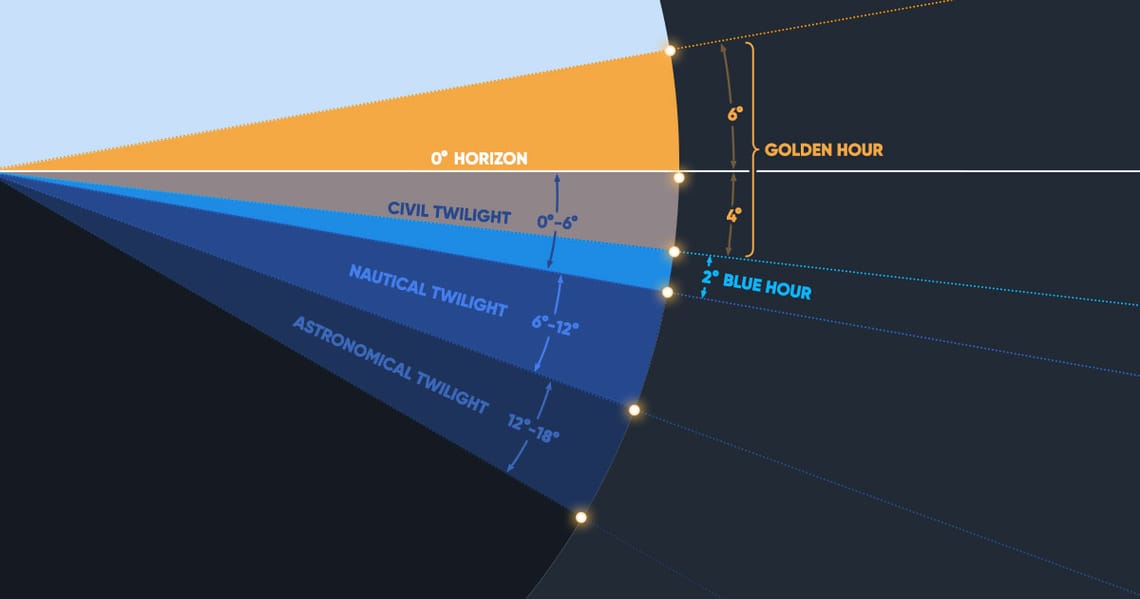
*Astronomical twilight is when the darkness is almost complete, comfortable for astronomical observations. Take a look at our infographic on twilight types to get a visual understanding.
Evening: secure the “risky” Messier objects first
Start right after astronomical twilight. Your first targets sit low in the western sky and will disappear quickly. Key targets to start with are galaxies M74 (Pisces) and M77 (Cetus) – both are faint and will soon disappear in the twilight. M33 can also be tricky, especially if the sky isn’t dark and clear enough. If you miss these at the beginning, they’re gone for the rest of the night.
The rule here is simple: observe the lowest western objects first, even if sky conditions are not ideal.
Midnight: dig the galaxies' goldmine
Around midnight, you’ll hit the “galaxy goldmine” – the rich fields in Virgo and Coma Berenices become well placed in the sky. Key targets now include M84, M86, M87, M49, M60, plus other nearby galaxies in the Virgo Cluster. In Ursa Major, objects like M81, M82, M101, M108, and M109 are well placed.
Objects’ altitude matters less now, but planning matters more. Try a smooth “sweep” through each area instead of jumping between constellations.
Late night: high northern and central targets
In the second half of the night, objects in Leo, Canes Venatici, and Hercules reach high altitude. Targets like M3, M13, M92, and M51 are relatively well-seen if the skies are dark. This time period is often the most productive: the sky is fully dark, and many objects are high above the horizon.
Keep moving west to east so you don’t waste time backtracking.
Pre-dawn: southern and twilight objects
Before dawn, some southern objects rise, but they stay low if you’re observing from mid-northern latitudes. Globular clusters like M55 and M75 in Sagittarius can be tough to observe because low objects are dimmed by the atmosphere. For many observers, the final “must-catch” target is M30 in Capricornus. It rises shortly before morning twilight, so you need to grab it quickly before the sky brightens.
Strategic principle of the Messier Marathon planner
The challenge of the Messier Marathon comes down to three things: altitude, twilight, and Earth's rotation. Objects low in the western sky are the most urgent to spot first, objects high in the southern sky are the easiest, and objects rising in the eastern sky require precise timing. Think of the night sky as a moving window and follow it steadily from west to east. The 110 objects will then become a planned sequence rather than a random hunt.
What can I see during the Messier Marathon?
The number of objects you will see depends on the chosen time and location, as well as your equipment and level of experience. However, don't hesitate to begin! Many of these objects are relatively easy to spot, even with the basic equipment and minimal practice.
5 Brightest Messier Objects
Here are some of the most well-known Messier objects, all visible to the naked eye. You don't need to wait for the Marathon to observe them – start stargazing on any suitable night.
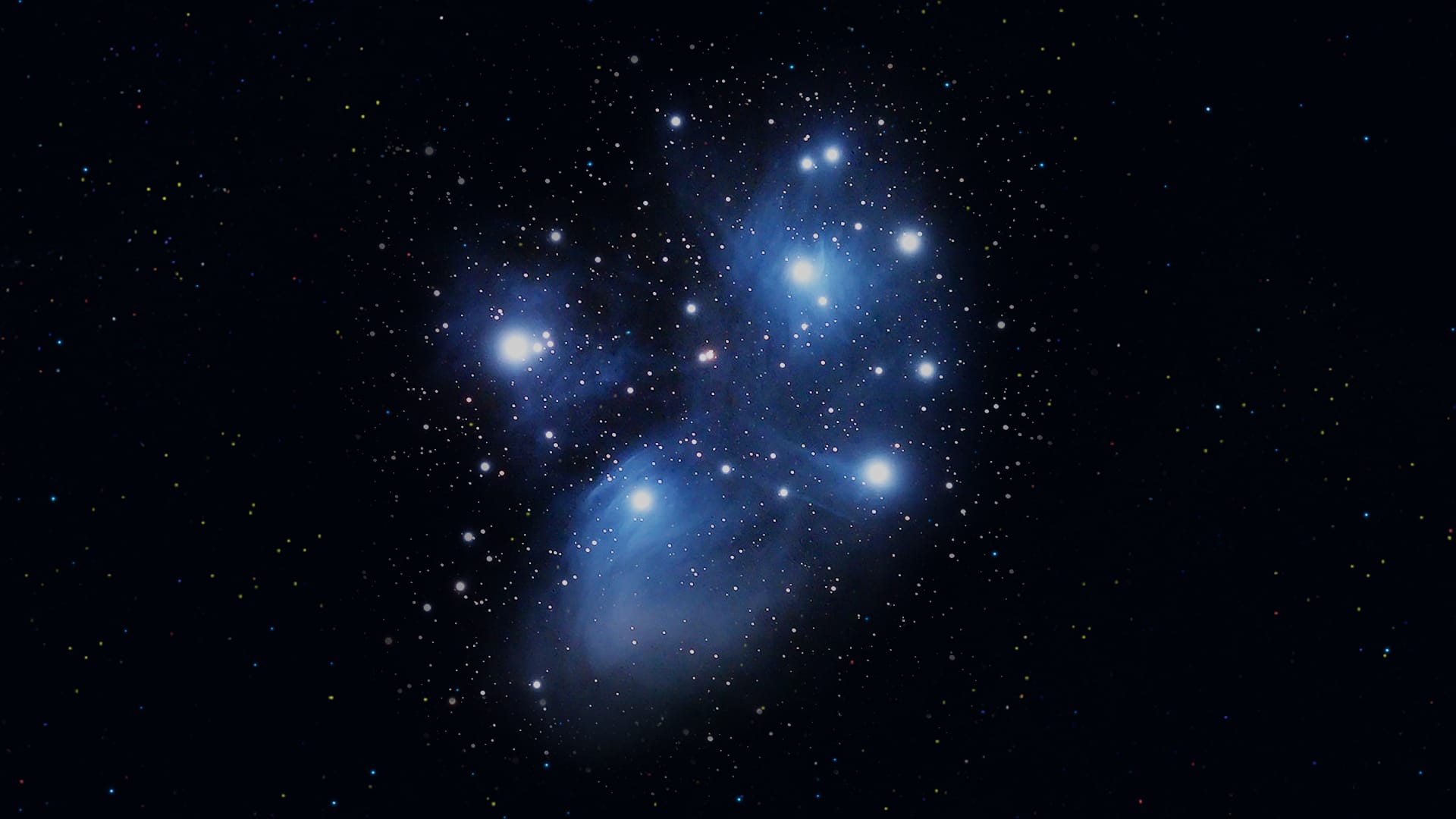
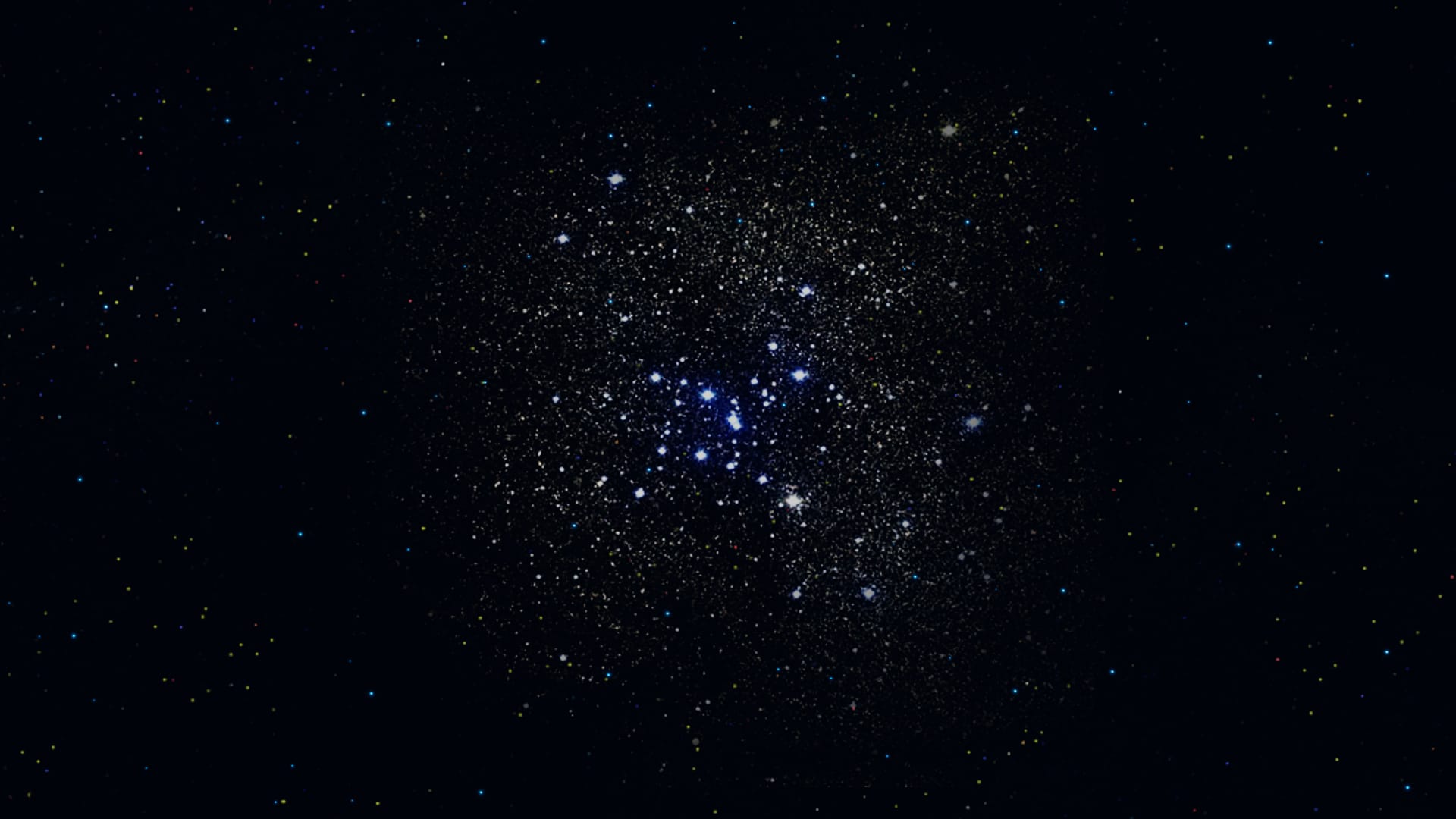
Messier 45, the Pleiades
The Pleiades are an open star cluster in the constellation Taurus. It’s one of the most prominent deep-sky objects in the whole sky, shining at a magnitude of 1.6. Find out more about “The Seven Sisters” cluster in our dedicated article.
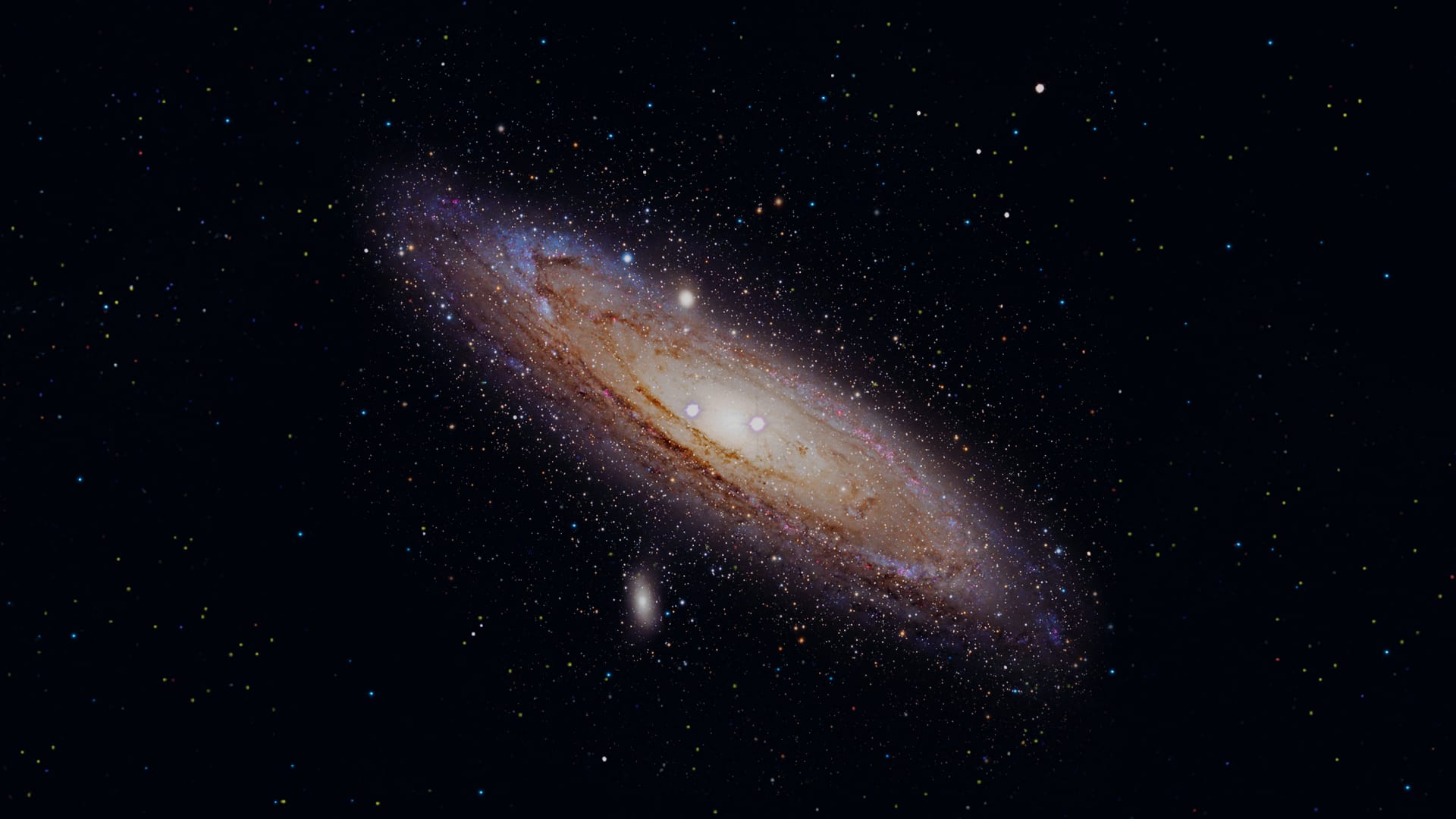
Messier 31, the Andromeda Galaxy
The Andromeda Galaxy is a barred spiral galaxy located in the constellation Andromeda. It is the closest major galaxy to the Milky Way, sitting “only” 2.5 million light-years away from our Sun.
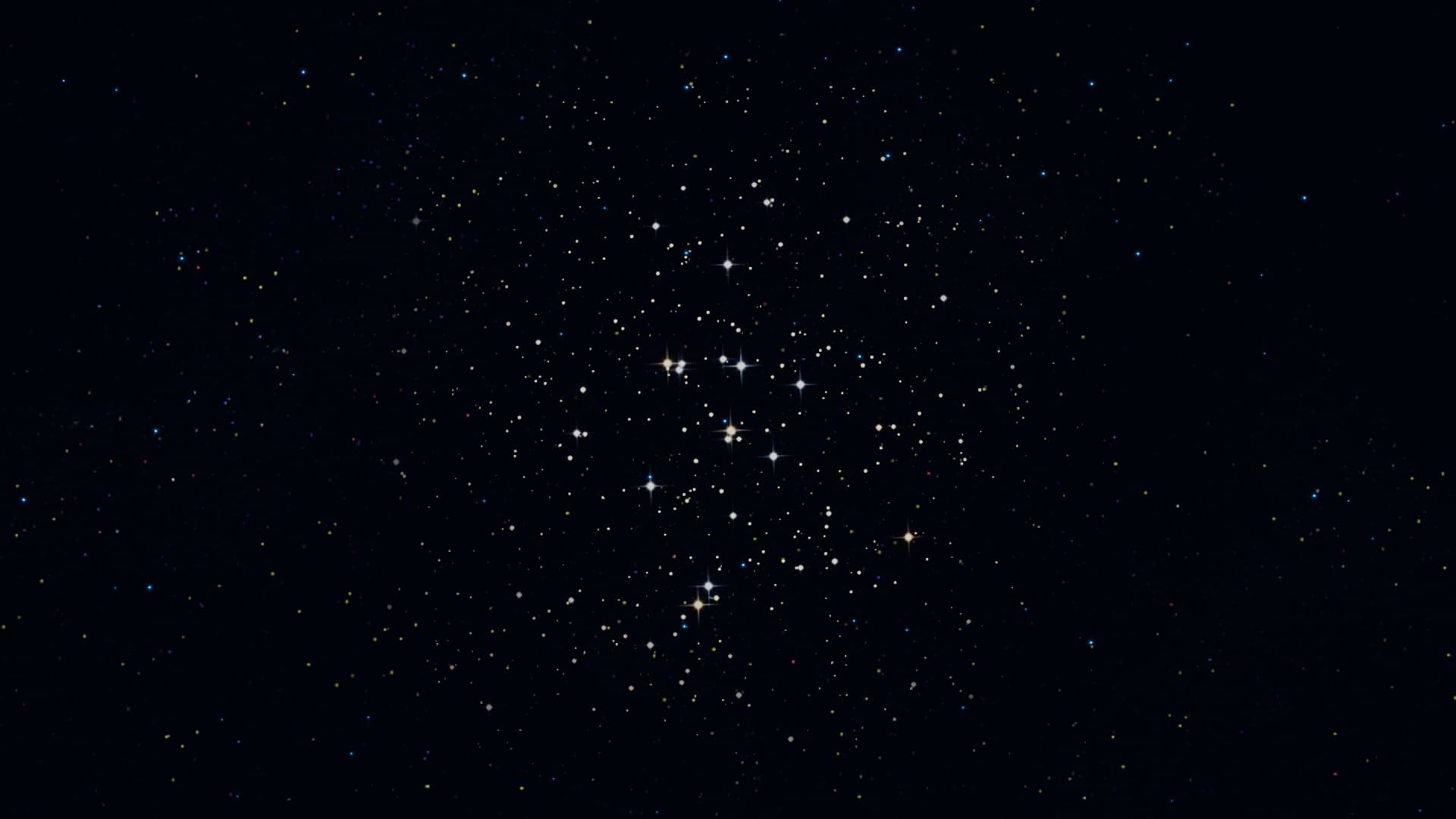
Messier 44, the Beehive Cluster
The Beehive Cluster is an open star cluster that lies at the "heart" of the constellation Cancer and contains about 1,000 stars. It appears to the naked eye as a hazy patch of light. Because it's located in a zodiacal constellation, the Beehive Cluster frequently encounters the Moon and planets.
Messier 7, the Ptolemy Cluster
The Ptolemy open star cluster is located in the constellation Scorpius. It favors the Southern Hemisphere, where it’s best seen from June to August. In northern latitudes, spotting it can be challenging as it hangs low on the horizon. The optimal time for Northern Hemisphere observers is around 10 p.m. in July when the constellation Scorpius reaches its highest point in the sky.
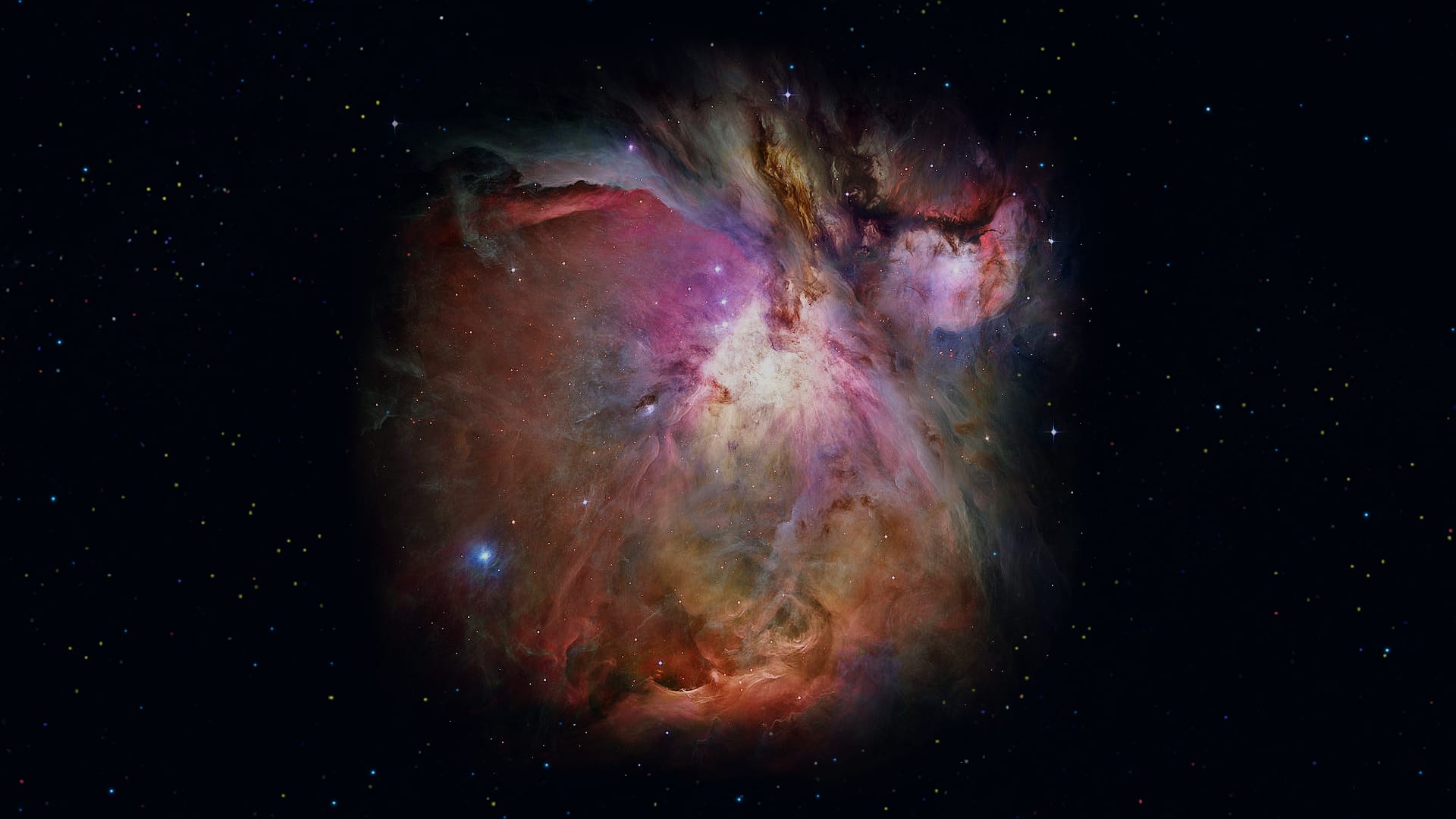
Messier 42, the Orion Nebula
The Orion Nebula is located in the constellation Orion, near the famous asterism Orion’s Belt. It stands out as one of the brightest nebulae, shining at a magnitude of 4.0. To the naked eye, it resembles a star, but with binoculars or a small telescope, it will appear as a hazy glow.
If these 5 deep-sky objects don't satisfy your curiosity, explore our list of 15 brightest star clusters that you can observe with the naked eye!
Is it realistic to see all 110 Messier objects in one night?
Seeing all 110 Messier objects in a single night is possible, but it’s a best-case maximum under near-ideal conditions, so it’s better to treat it as an advanced goal rather than the standard. In practice, typical results look like this:
- Under average suburban skies, beginners often record 40–60 objects.
- With preparation and darker skies, 70–90 objects can be seen.
- Breaking 100 usually requires both good viewing conditions and experience.
- Reaching all 110 demands optimal latitude, clear horizons, excellent sky transparency, and disciplined time management.
Beginner mini-Messier marathon
Trying to observe all 110 Messier objects on your first attempt can be discouraging. A much more realistic and enjoyable goal is a beginner mini-Messier marathon – aiming for 50 to 70 well-placed Messier objects in one night. The key difference is that you skip the extreme twilight and low-horizon targets and focus only on objects that are comfortably visible.
Here is how to do it in practice. Start observing when it's fully dark, rather than during fading twilight. You will not catch the objects that appear in twilight low in the sky (like M74 or M77), but that’s okay – build your night around high-altitude, reliable targets:
- In Orion and Taurus: M42, M43, M45.
- In Auriga and Gemini: M35, M36, M37, M38.
- In Leo: M65, M66, M95, M96, M105.
- In Ursa Major: M81, M82, M97, M108, M109.
- In Virgo (brighter members): M84, M86, M87, M49.
- In Hercules: M13 and M92.
- In Canes Venatici: M3 and M51.
These objects are bright enough and high enough to be achievable under moderately dark skies (Bortle 4–5) with a small telescope.
Under average sky conditions, reaching 50 objects is already a strong result. Reaching 70 means you are managing time and sky position efficiently. Once you can comfortably complete a mini-marathon, extending toward 90-100 objects becomes a matter of optimization!
Messier Marathon planner: conclusion
The Messier Marathon is a fun stargazing challenge where you try to spot as many as possible of 110 famous galaxies, nebulae, and star clusters from the Messier Catalog in a single night. It’s traditionally attempted in March or April, close to the New Moon, when the sky is darkest. In 2026, the best weekend to give it a try is March 20–21, with an earlier backup option on March 13–14. You don’t have to “finish” the whole list – even finding a handful of objects can feel like a win. To help you locate them quickly, use the Sky Tonight app for a live sky map and step-by-step guidance. Grab a telescope, dress warm, and enjoy the night sky!