Cosmic Cats: Cat Constellations, Stars, Galaxies & More
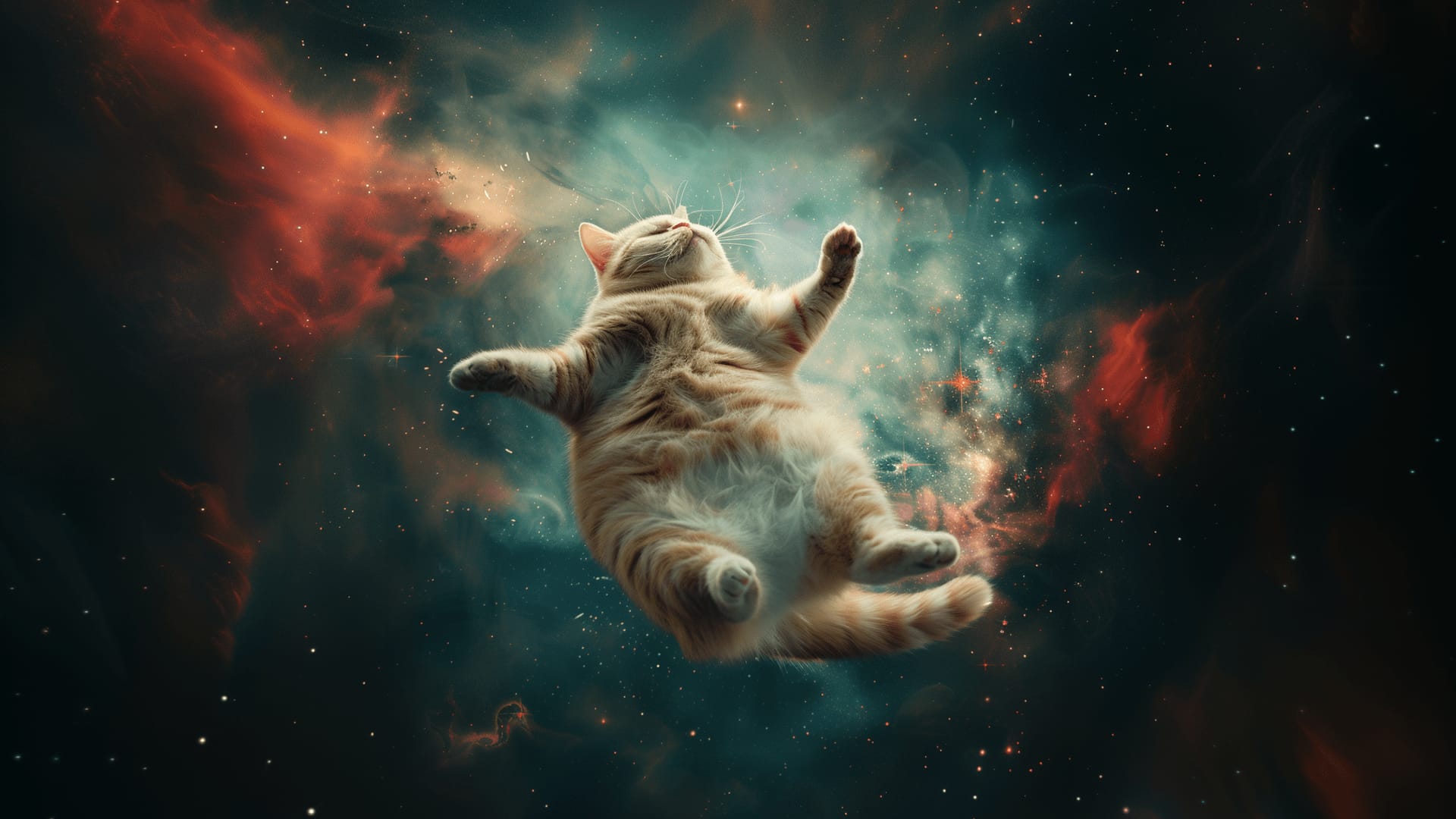
Cats are hiding all across the night sky — not only in constellations, but also among stars, galaxies, and nebulae. You can find the former constellation Felis, officially recognized feline constellations such as Leo and Lynx, the cat-named star Felis, and deep-sky objects including the Cat’s Eye and Cat’s Paw Nebulae.
Use an astronomy app Sky Tonight to easily find the celestial cats. Let's explore the feline universe together!
Contents
- Easy-to-spot cat constellations & stars
- Cosmic cats in the deep sky: telescope beauties
- Cat-imposters: more celestial bodies with a cat's spirit
- Félicette, the only real cat in space
- Cat Constellation FAQ
- Cosmic cats: key facts
Easy-to-spot cat constellations & stars
Let's start a cosmic journey with the easiest to find feline friends. You can see them with the naked eye under the right conditions.
Leo constellation
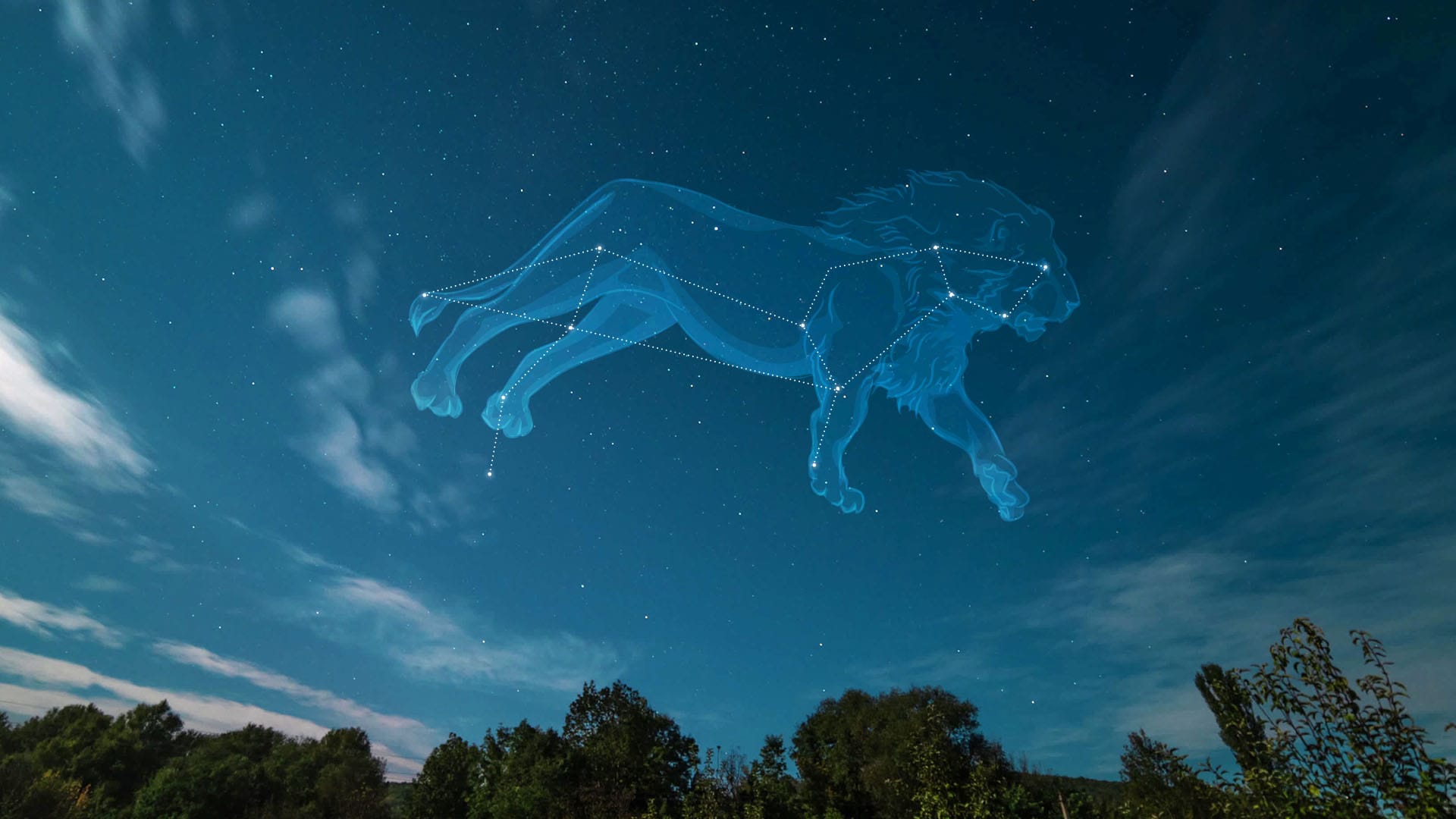
You’ve likely heard of this feline zodiac constellation. Leo is one of the most prominent constellations in the night sky, visible from almost every corner of the Earth (except Antarctica). Unlike many other constellations, Leo actually resembles its namesake lion. You can distinguish its body, the head and mane shaped like a question mark (also known as the asterism Sickle of Leo), and the strong legs.

Leo is best visible from March to May, after which it gradually fades into the sunlight. To get the most out of your observations, don’t miss our detailed article on the Leo constellation, where you’ll find observing tips, star highlights, and the lore behind this regal Lion.
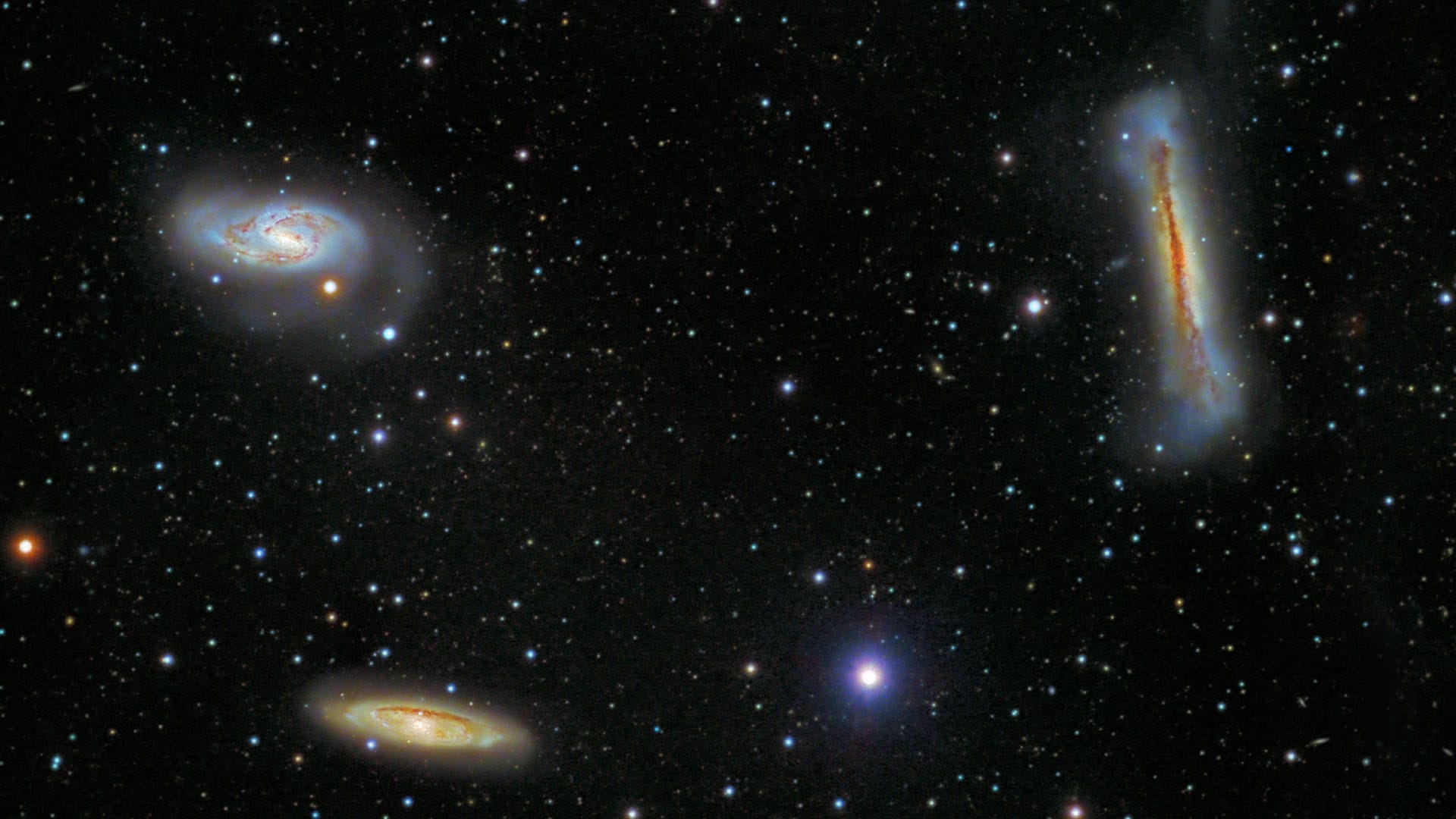
Within the constellation, you'll discover three more “lions” known as the Leo Triplet. This trio of spiral galaxies – M65, M66, and NGC 3628 – are gravitationally bound to one another. While the galaxies aren't visible to the naked eye, they are still relatively easy to spot. M65 and M66 can be seen with binoculars, and NGC 3628 is visible through a small 4-inch telescope.
Leo Minor constellation
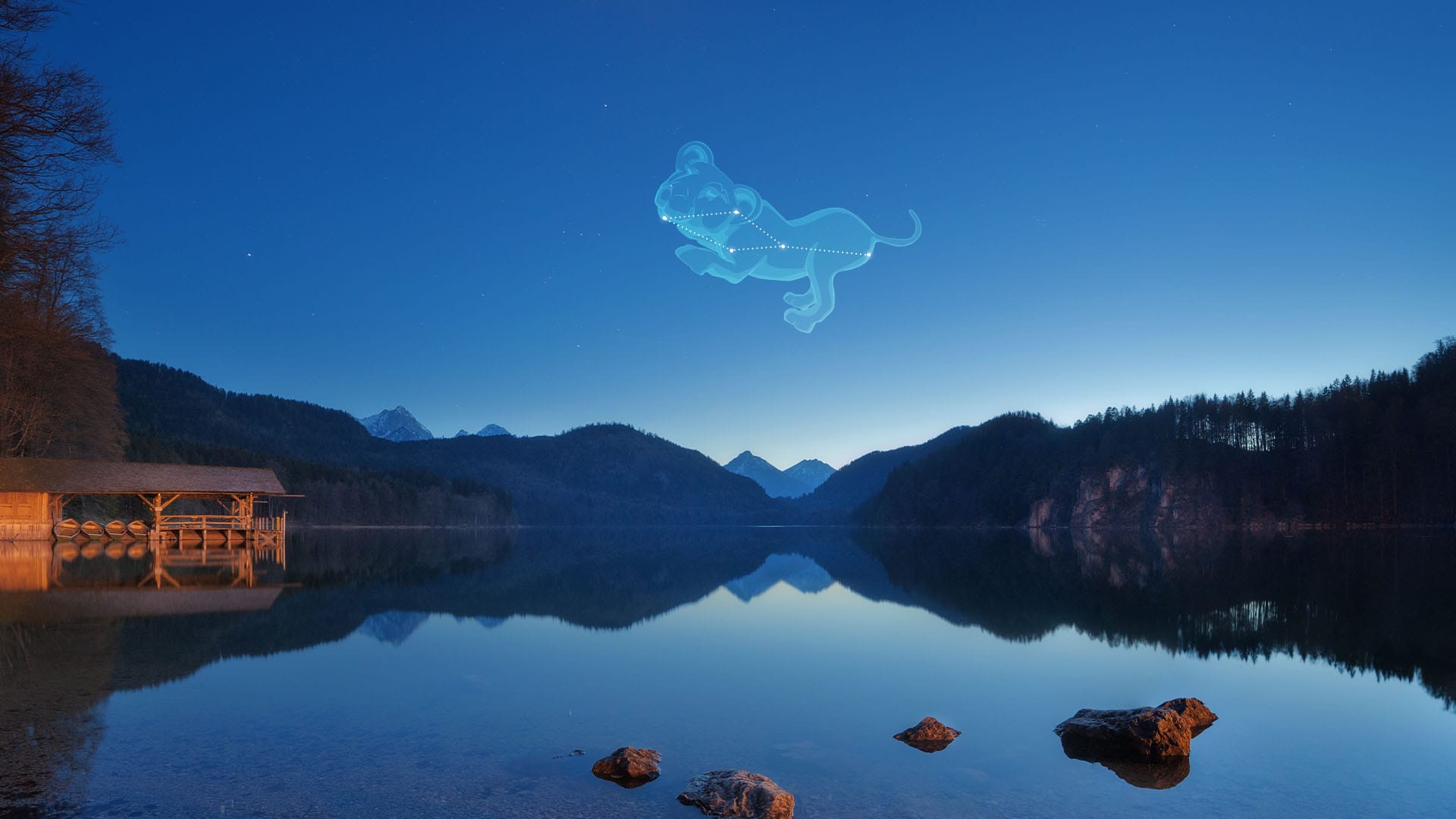
Nestled between Leo and Ursa Major is the constellation Leo Minor. Some say this lion cub appears to be standing on the back of the big lion. Its position is easy to find using these two prominent neighboring constellations as landmarks, but recognizing Leo Minor itself can be difficult because its stars are relatively faint and its small triangular outline is not very distinct. You can use the Sky Tonight astronomy app to confirm that the stars you're seeing belong to Leo Minor. The small triangular-shaped constellation is best observed from April to May.
Lynx constellation
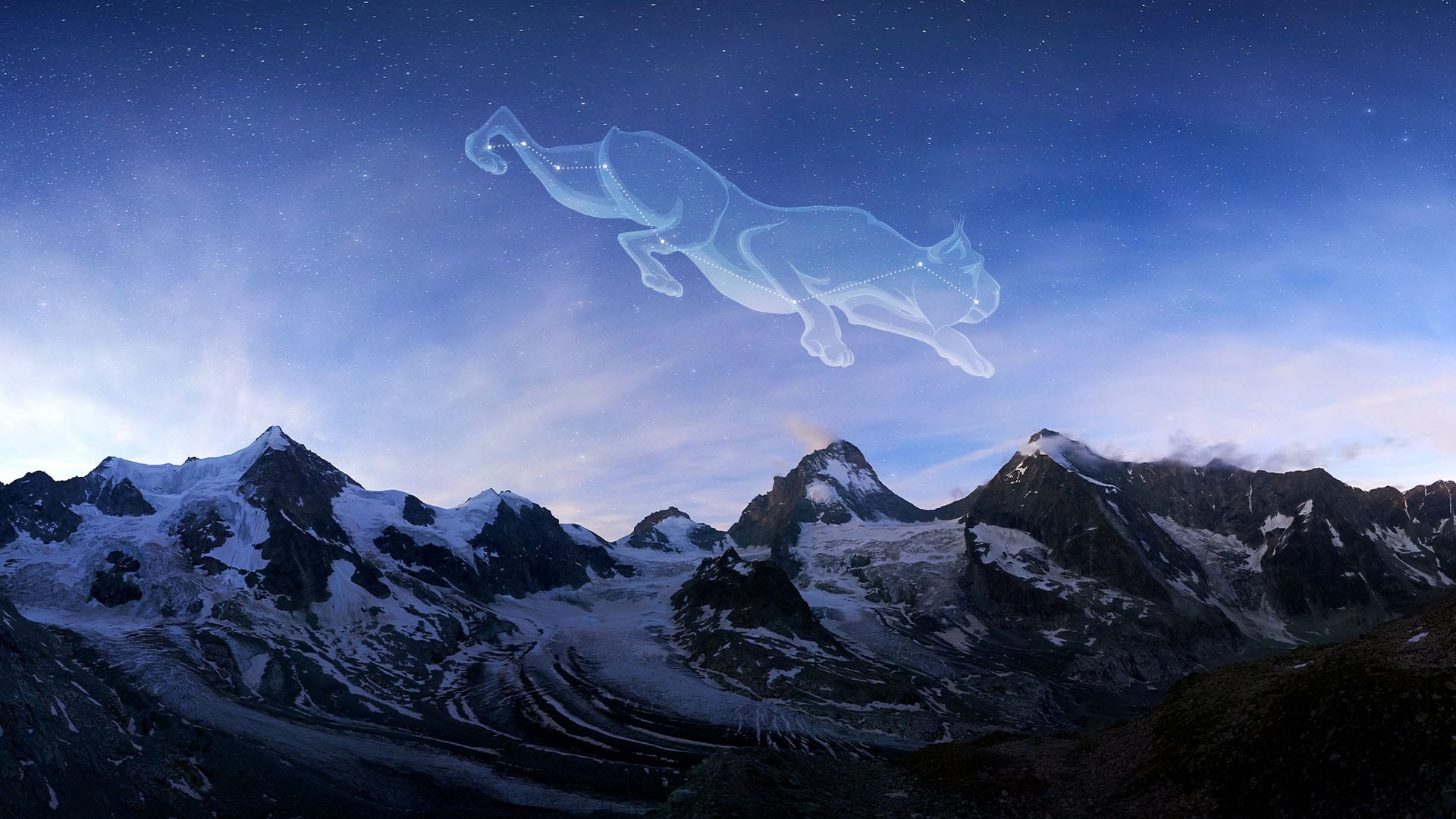
Another wild cat constellation is called Lynx. It was introduced and named by the Polish astronomer Johannes Hevelius in the 17th century. The name has no mythological roots and doesn't actually refer to the shape of the constellation, but rather to the fact that it is relatively faint. In his Prodromus astronomiae star catalog, Hevelius wrote that only those with the sight of a lynx could see this constellation. He also suggested the second name Tigris (Tiger), but it didn't catch on.
Nestled in the seemingly dark space between Ursa Major and Auriga, Lynx hides in plain sight. Look closer, and you might see Alpha Lyncis and 38 Lyncis, shining at magnitudes 3.1 and 3.8, respectively, which form the back leg of this wild cat. The entire constellation resembles a zigzag, best explored with binoculars. The constellation is best observed in late winter and spring, with evening culmination around March at latitudes between +90° and -55°.
Felis star (HD 85951)
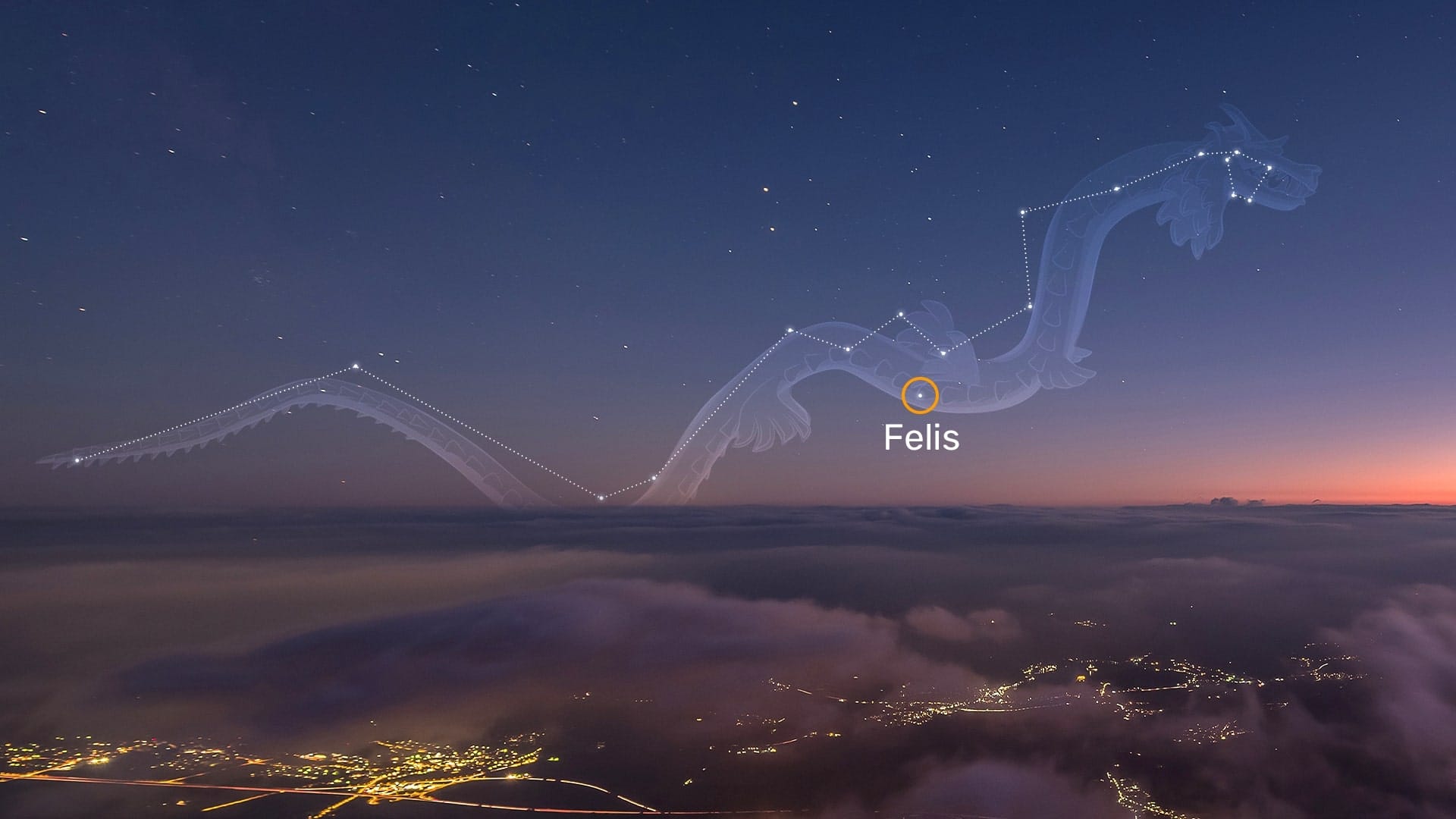
Within the boundaries of the constellation Hydra lies the star HD 85951, also known as Felis (Latin for "cat"). This star is a nod to the old constellation Felis, established by French astronomer Jérôme Lalande in 1799. Lalande, a cat lover, thought the night sky needed a domestic cat to go along with the existing lions and lynx. He placed the constellation Felis between Antlia and Hydra, but it didn't make the list of 88 official constellations. However, in 2018, the International Astronomical Union named the bright star HD 85951, which was once part of the “cat constellation,” Felis. So the cat shines proudly among the stars.
Felis (mag 4.94) is an orange-red star visible to the naked eye. It doesn't form the outline of the constellation Hydra, but lies within it. The constellation Hydra, including its "cat star", is best seen in the Southern Hemisphere from February to March, but can also be seen in the north from January to May. To find the star easily, use our free Sky Tonight app – you will find Felis in the app’s search.
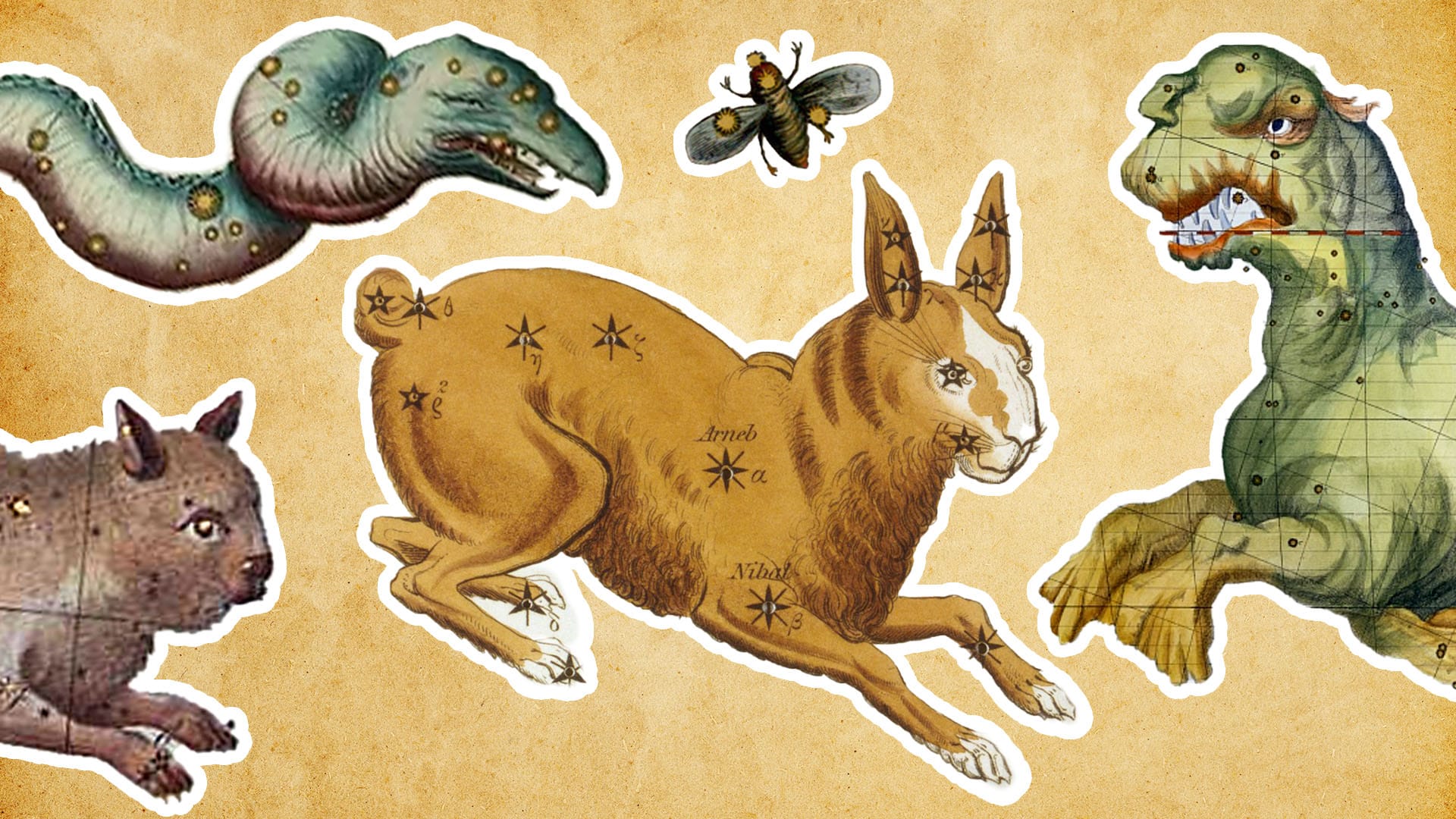
Felis is not the only constellation that didn't make the list of 88 official constellations. Many other strange and funny names are now part of history. Can you guess which constellations still exist and which are “extinct?” Take our quiz to find out!
Cosmic cats in the deep sky: telescope beauties
Up for a challenge? Let’s discover these celestial cats that love to play hide and seek!
Cat’s Eye Galaxy (Messier 94)
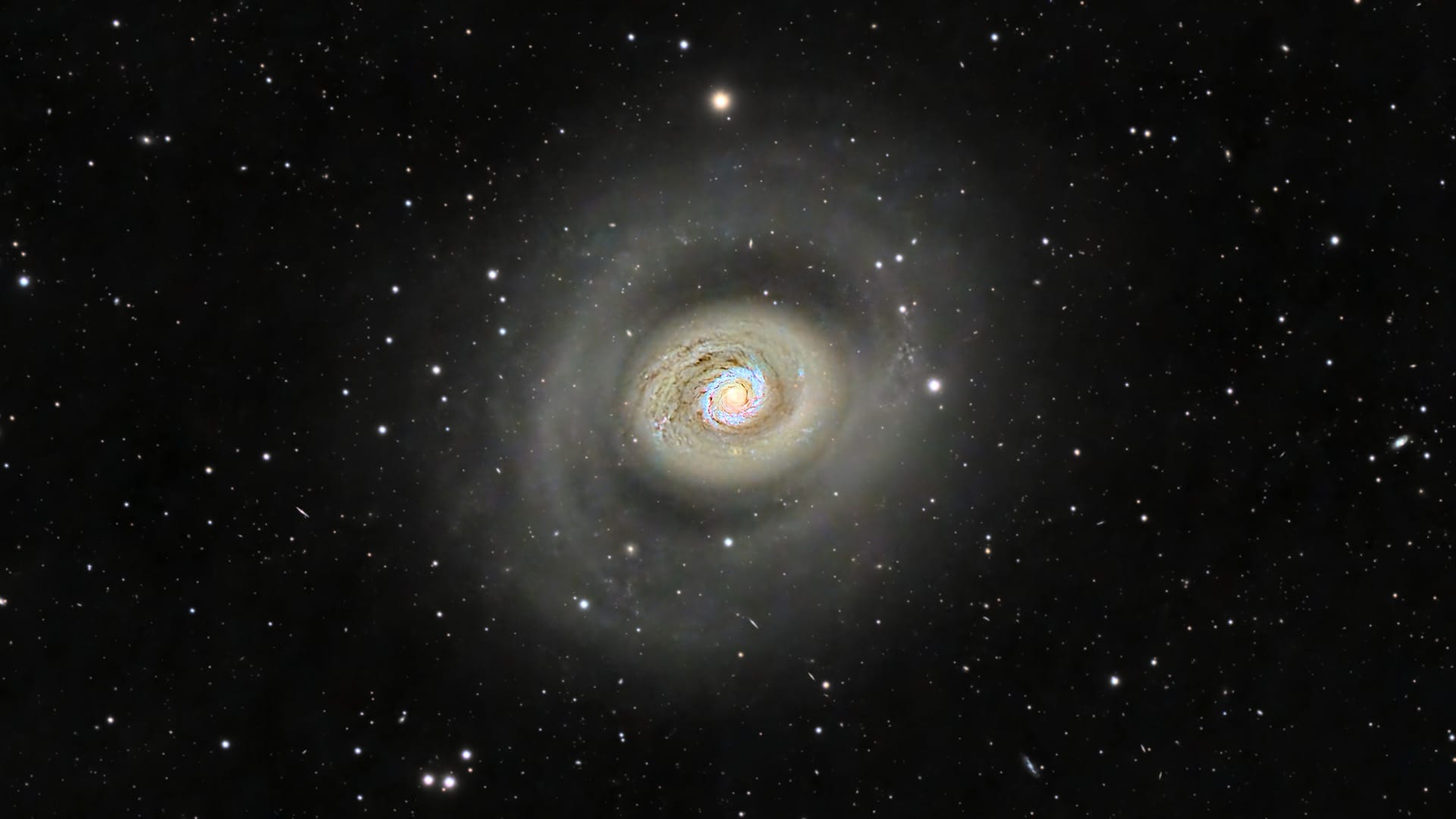
Can dogs and cats be friends? Looks like they can, as the Cat’s Eye Galaxy is cozily nestled within the constellation Canes Venatici (“hunting dogs” in Latin). This spiral galaxy has a magnitude of 8.9 which can be spotted with a good pair of binoculars, though a telescope will give you a better view. With a 6-inch or 8-inch telescope, you can observe a bright, condensed nucleus surrounded by a faint, spiral-like glow that looks just like a cat’s hypnotic eye. The Cat’s Eye Galaxy, also known as Messier 94 in the famous Messier Catalog, is best seen in the Northern Hemisphere from March to May.
Cat’s Eye Nebula
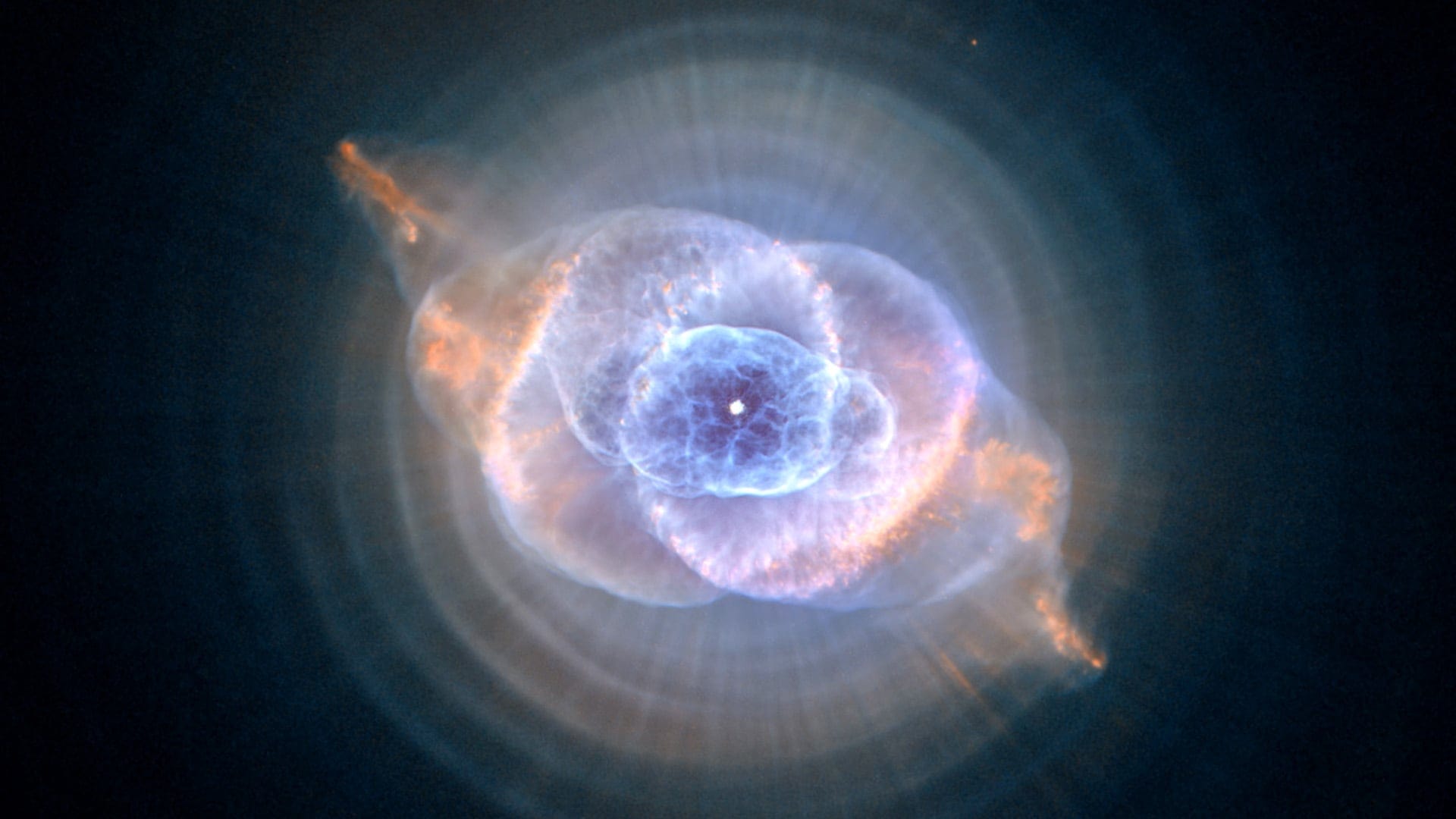
The Cat’s Eye Nebula (not to be confused with the Cat’s Eye Galaxy), also known as NGC 6543, is a planetary nebula located in the constellation Draco. It has an apparent magnitude of about 8.2 and a high surface brightness, making it visible through a small telescope. With a 4-inch or larger scope, you’ll see it as a fuzzy, elongated smudge. Larger telescopes at 200x magnification or more may reveal the intricate shape that gives the nebula its name. The Cat’s Eye Nebula is best visible from May through November in the Northern Hemisphere and is not visible from the deep Southern Hemisphere.
Cat’s Paw Nebula
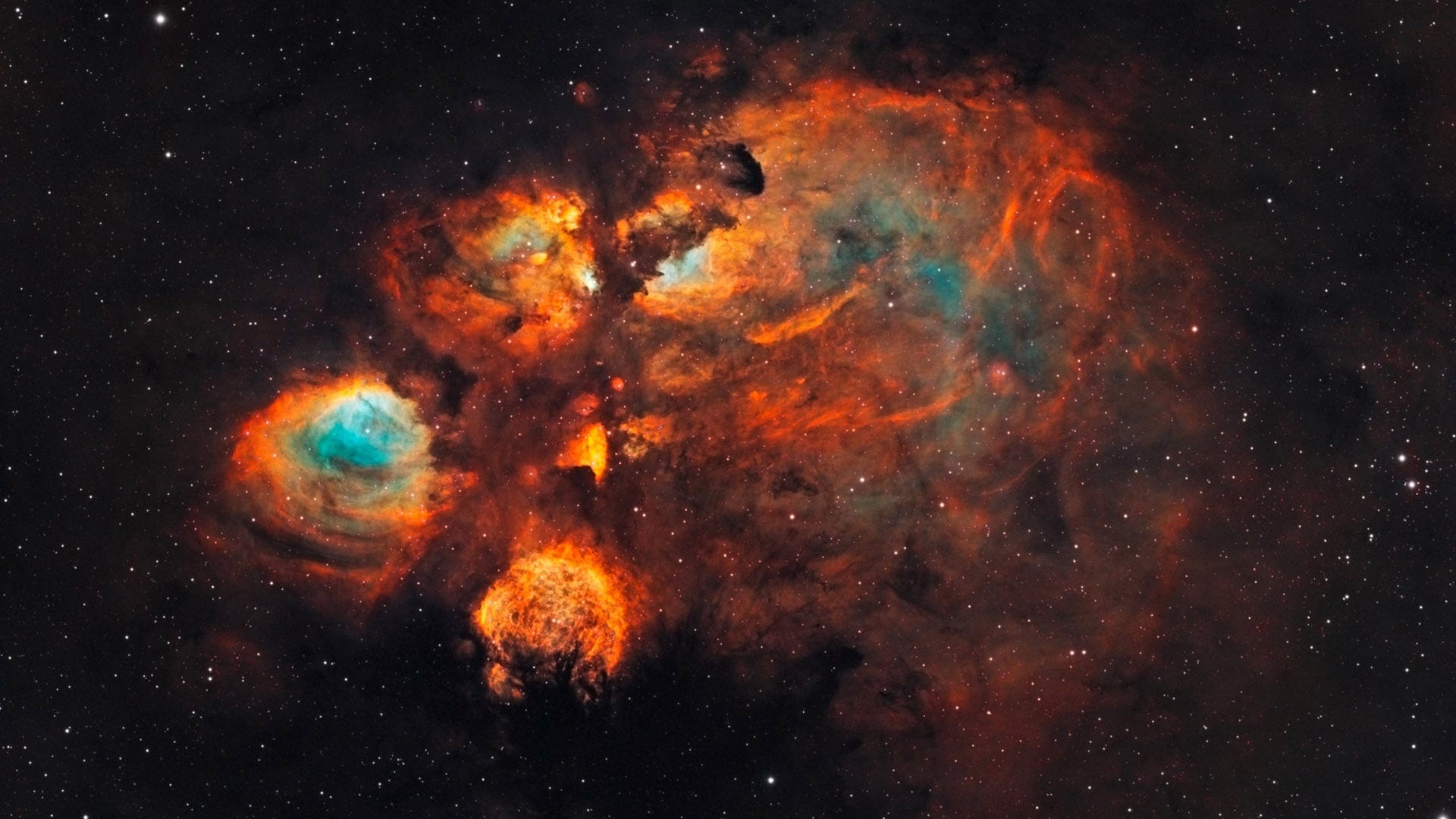
One of the cutest things in the world, a cat’s paw, is also captured in the night sky. NGC 6334, known as the Cat’s Paw Nebula, is found in the constellation Scorpius. The nebula lies near the plane of the Milky Way, where the interstellar medium is rich in dust. As a result, the light from the nebula has to pass through these dust clouds, which absorb and scatter shorter wavelengths (UV, violet, blue), giving the nebula its unique red color. The dust clouds also make the nebula faint, requiring at least a 10-inch telescope to observe the cat’s toes. The nebula is observed in the Southern Hemisphere from April to August; at low northern latitudes, it remains very low above the southern horizon.
Cheshire Cat Group of Galaxies
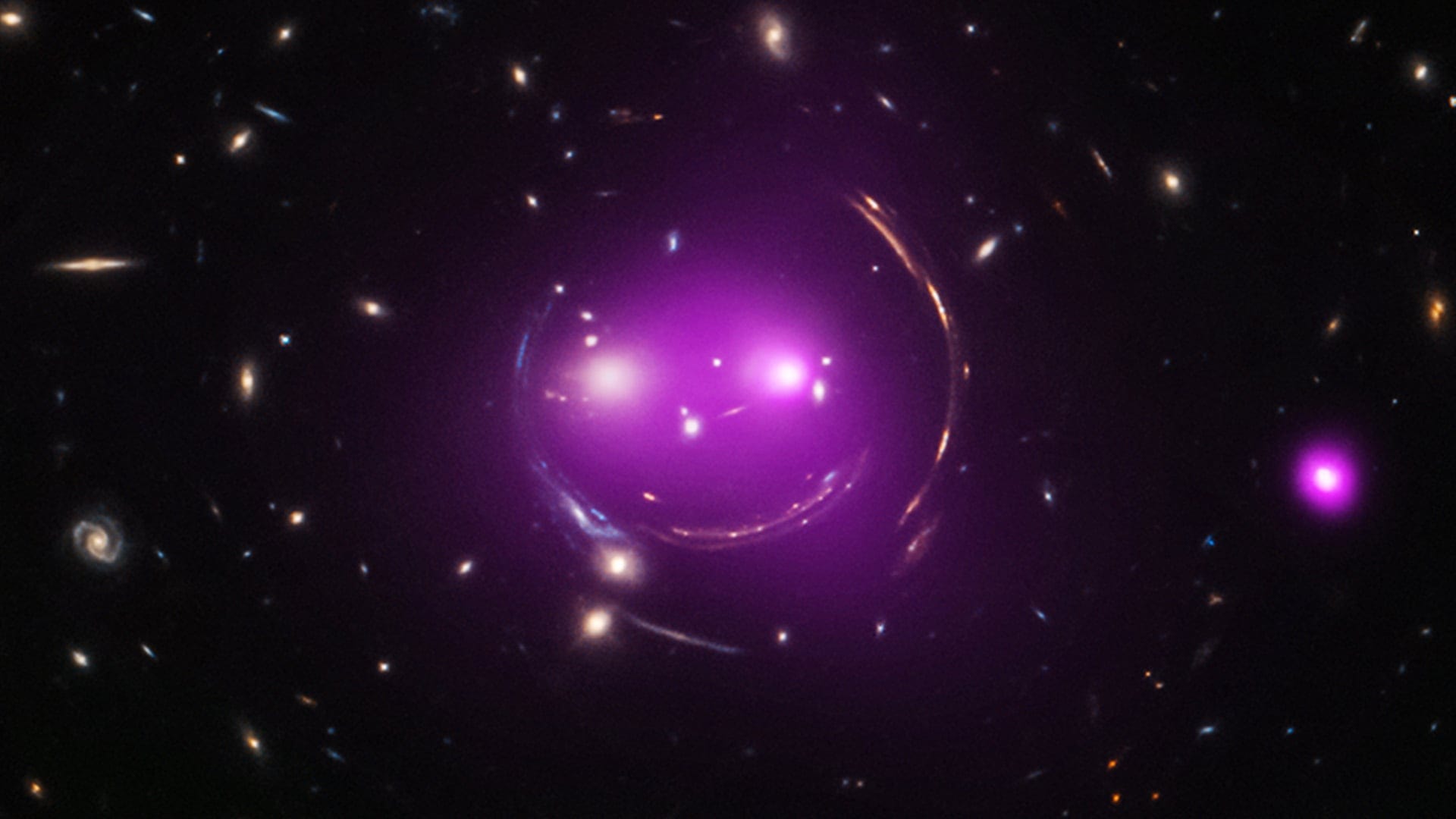
The Cheshire Cat Group of Galaxies is as elusive as its namesake. It requires a powerful telescope and a perfectly dark sky. Located in Ursa Major, this group is in the Northern Hemisphere’s sky year-round.
The cat’s “eyes” and “nose” are massive foreground galaxies, while the curved features forming its face and smile are gravitationally lensed images of four more distant background galaxies. Each “eye galaxy” is the brightest member of its own group, and these two groups are racing toward each other at nearly 500,000 km per hour.
By the way, the Cheshire Cat appears in space in different forms! Besides the galaxy group, there is an asteroid named 6042 Cheshirecat – you can find it using the Sky Tonight app's search.
.jpg)
Cat-imposters: more celestial bodies with a cat's spirit
Some space cats don't need official names to rule the heavens – they're out there to see! Many celestial objects look like cats, even if they have different names.
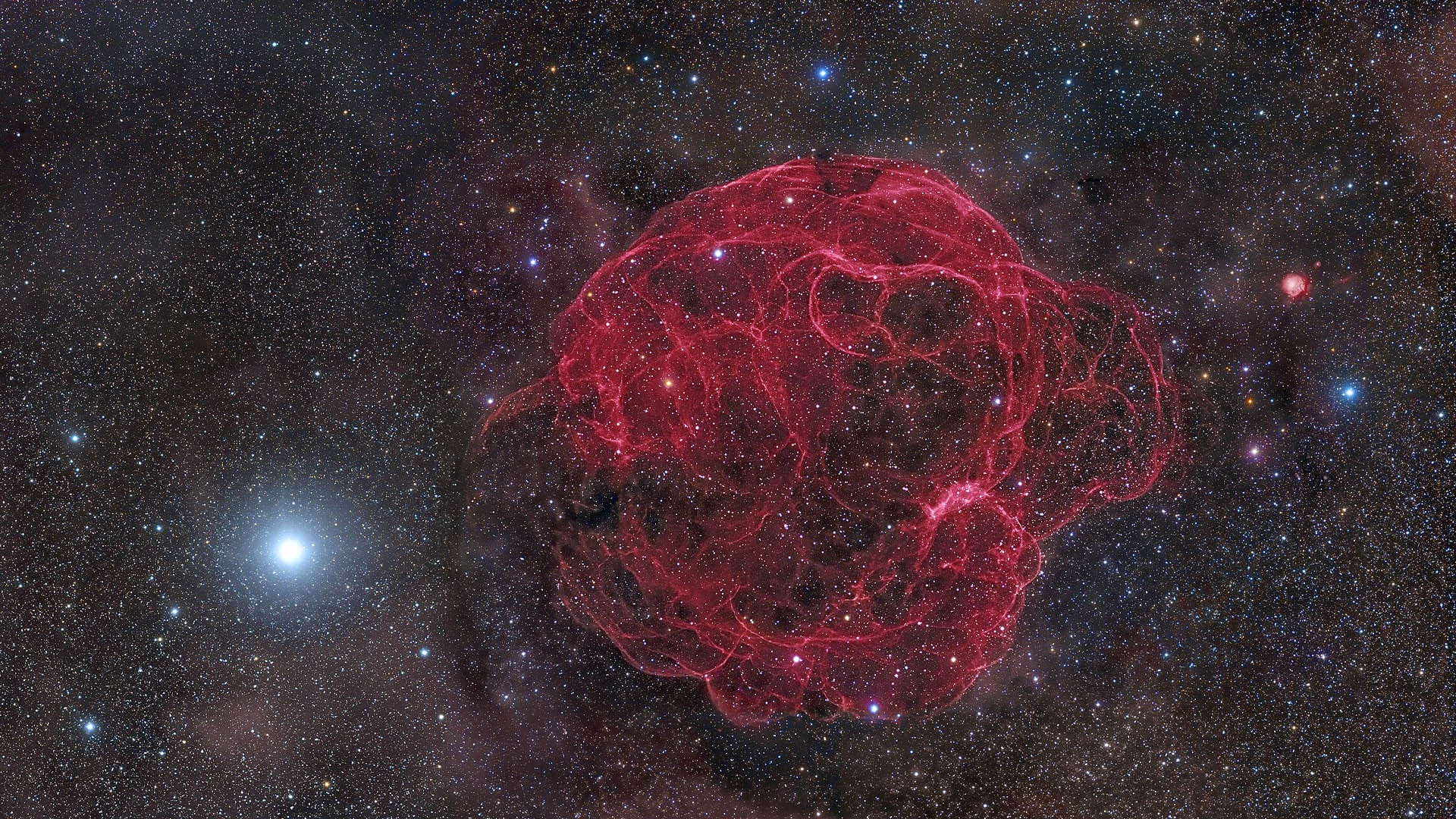
Take the Spaghetti Nebula (Simeis 147), for example. It's a supernova remnant located between the constellations Auriga and Taurus. Sure, it may look like a tangled mess of spaghetti at first glance, but look again – isn’t it a puffy cat?

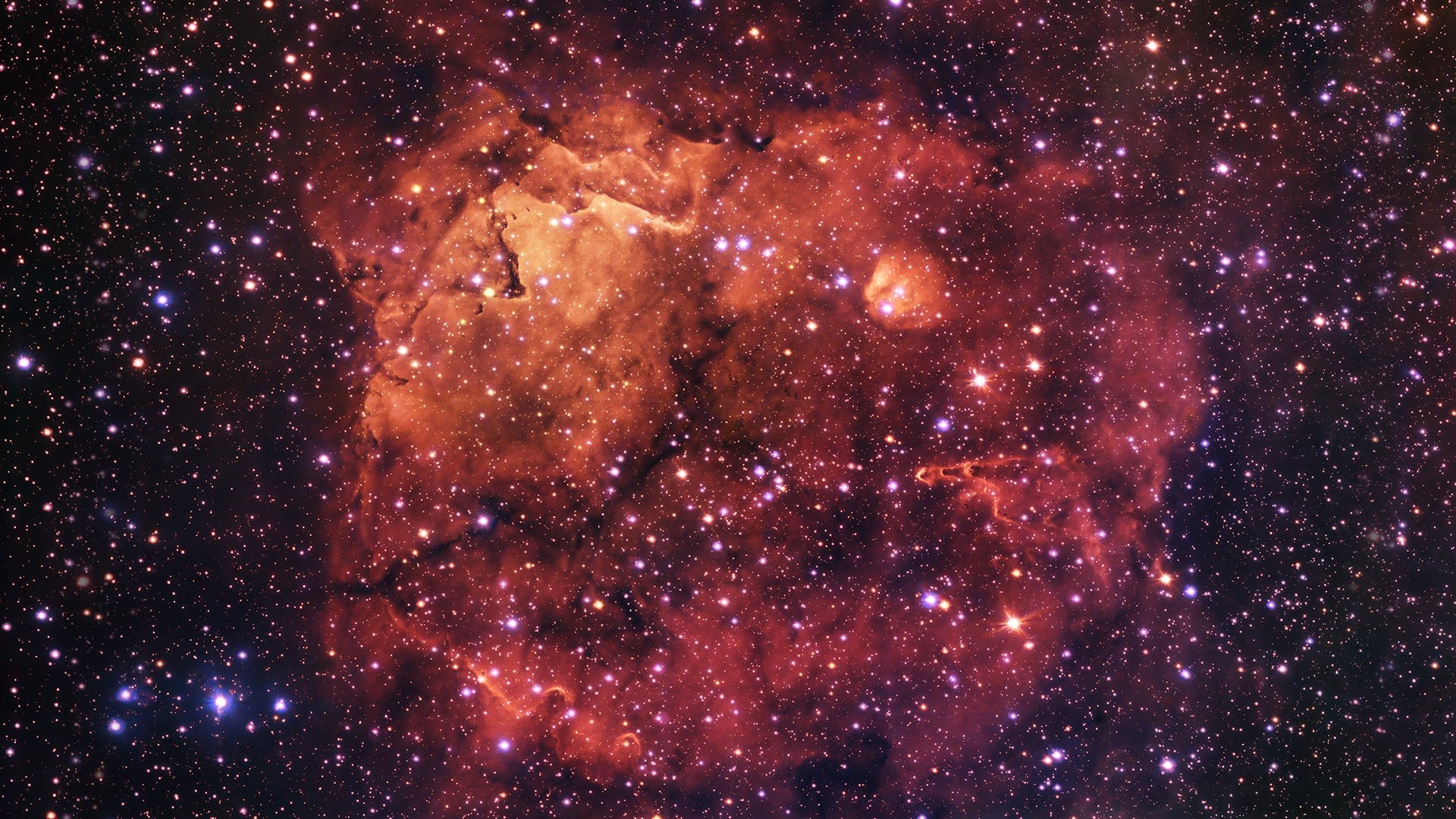
Or how about Sh2–284, a colorful emission nebula in the constellation Monoceros? In a recent photo by the VLT Survey Telescope, it looks a lot like the head of a grinning cosmic cat. Imagine scratching behind the ear of a cat whose head is about 150 light-years wide!
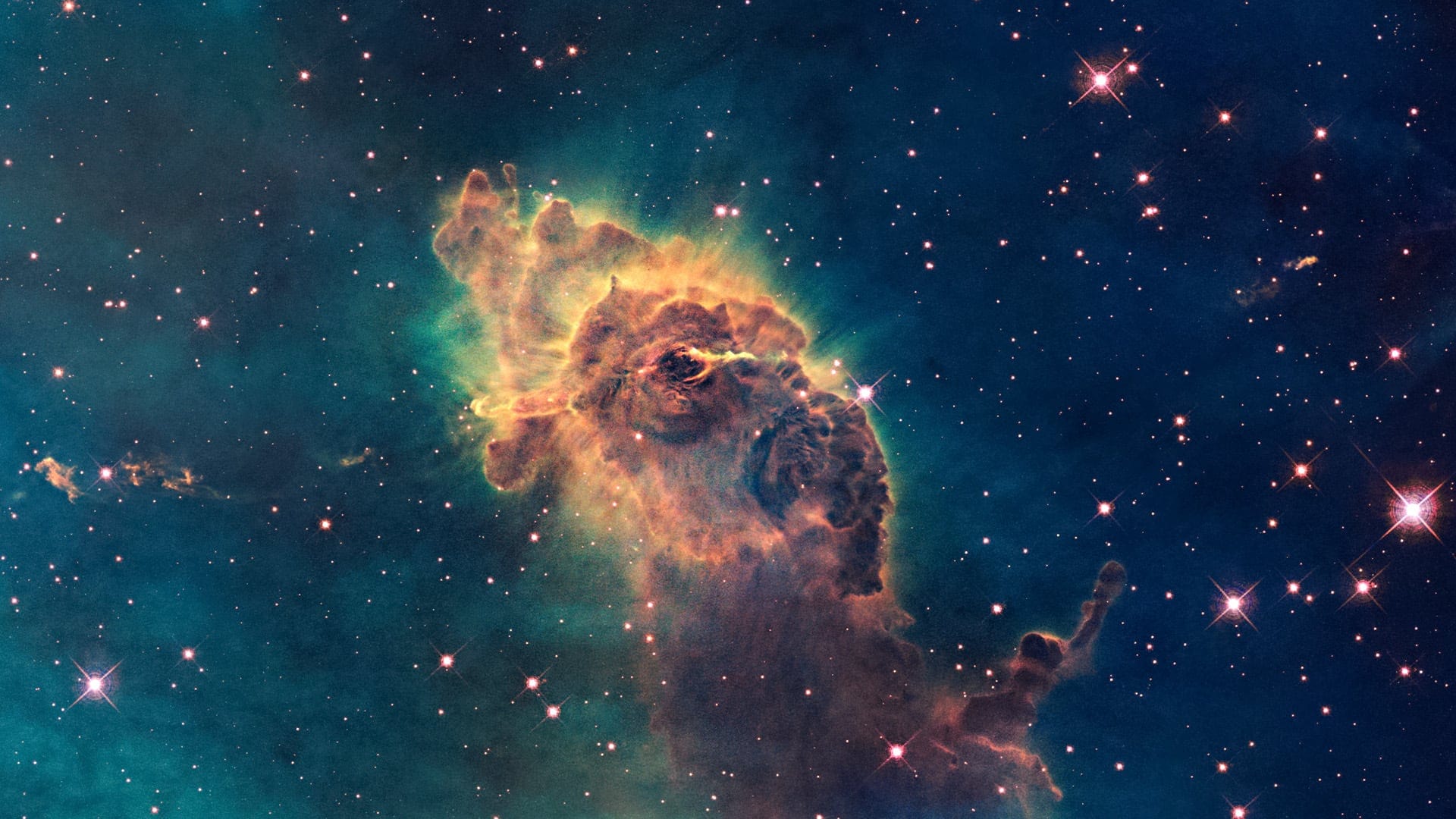
Then there’s the Carina Nebula (NGC 3372), visible to the naked eye in the Southern Hemisphere. It’s located in the constellation Carina, close to the constellation Crux. You might not notice any cat-like features with the naked eye or even a telescope, but check out these pictures from Hubble's Wide Field Camera 3. Doesn’t it remind you of a jumping cat? It sure does to us.
Deep-sky objects often get names inspired by animals or other familiar things. Sometimes, it’s fun to see how astronomers came up with these names. Take our quiz on deep-sky object names and see if you can guess them!
Félicette, the only real cat in space
Félicette was a black-and-white French cat who became the first and only cat to travel into space. On October 18, 1963, she flew aboard a Véronique AG1 rocket, reached an altitude of 157 km, experienced several minutes of weightlessness, and returned safely to Earth after a 13-minute suborbital flight. Her unusual mission remains a fascinating but often overlooked chapter in the history of space exploration.
Discover the full story of Félicette, or watch a short video about her remarkable journey.
Cat Constellation FAQ
Is there a cat constellation?
There is no official domestic-cat constellation today. Felis was a historical cat constellation, but it wasn’t included in the list of the 88 official constellations of modern times. Leo, Leo Minor, and Lynx are officially recognized feline constellations.
What is the Cat Star?
HD 85951 is an orange-red star in Hydra officially named Felis. It was once part of the historical Felis constellation.
Who was the first cat in space?
Félicette, a black-and-white French cat, became the first cat in space on October 18, 1963. She completed a brief suborbital flight aboard a Véronique rocket, reached an altitude of about 157 km, and returned safely by parachute. Félicette remains the only cat ever to have traveled to space. Read more about Félicette, the space cat.
Cosmic cats: key facts
The night sky is full of wonders, and it turns out that many of them are dedicated to our fluffy friends! Use our Sky Tonight app to find the cats in the sky easily, from their eyes to paws. Have fun stargazing!
Not just cats: the dogs who went to space
Before Félicette, two Soviet dogs – Belka and Strelka – made history by becoming the first dogs to orbit Earth and return safely. Discover the space journey of the dogs who paved the way for human space travel.