Lyrid Meteor Shower 2027: Peak Time, Where to See, Visibility Forecast
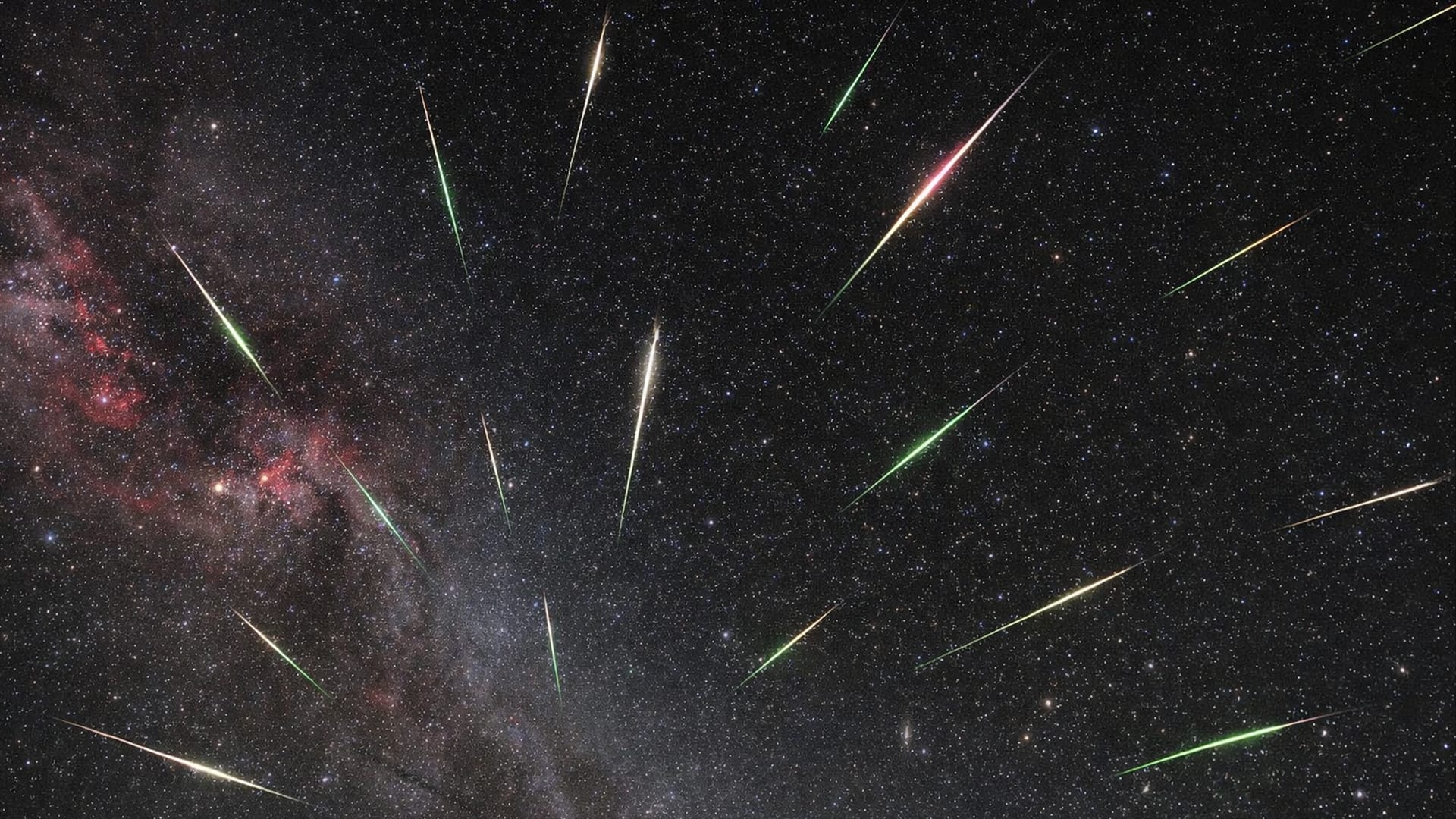
The Lyrids peak on the night of April 22–23, 2027, with the maximum around 01:40 UTC on April 23. This year, the observing conditions are challenging, as the peak occurs just three days after the Full Moon, so you’ll need to prepare carefully for meteor watching. Want the easiest way to prepare? The free Sky Tonight app shows you exactly where to look in your sky and reminds you when to start watching.
Contents
- Lyrid Meteor Shower 2027: Quick Facts
- Lyrids 2027: When and where to see
- How to see the Lyrid meteor shower 2027?
- What is the Lyrid meteor shower?
- What causes the Lyrid meteor shower?
- April Lyrids FAQ
- The Lyrids 2027 key facts: peak time, visibility, and where to see
- Other Meteor Showers in April 2027
Lyrid Meteor Shower 2027: Quick Facts
- Active: April 14–30
- Peak night: April 22–23, 2027
- Expected peak date & time: April 23, 01:40 GMT
- Meteors/hour: 18
- Moon illumination: Bright waning gibbous Moon
- Radiant location: near Vega in Lyra
- Parent body: Comet C/1861 G1 (Thatcher)
- Best visible from: Northern Hemisphere
The April Lyrids are one of the oldest recorded meteor showers, observed for at least 2,700 years. Usually producing around 18 meteors per hour, they can sometimes surprise observers with brief outbursts reaching up to 90 meteors per hour.
Lyrids 2027: When and where to see
In 2027, the Lyrids will peak on April 23 — just three days after the Full Moon. That means bright moonlight will wash out many of the fainter meteors. Observers who can shield the Moon behind a tree, building, or hill will have a better chance of spotting meteors. You can also try observing during the late-night and pre-dawn hours when the radiant is high in the sky, while keeping the Moon blocked behind a building or tree.
When to watch the Lyrid meteor shower in 2027?
The Lyrids are expected to reach their maximum activity around 01:40 GMT on April 23, though the exact timing may shift by several hours. In 2027, bright moonlight will make faint meteors harder to see, so dedicated observers may want to watch throughout the night to improve their chances of spotting at least a few.
Below are the local times of the April Lyrid meteor shower in various locations around the world, including the United States, Canada, Europe, and beyond.
Lyrid meteor shower peak time in the USA & Canada
| Time zone | Example cities | Expected April Lyrids Peak | Best observing window |
|---|---|---|---|
| Eastern Daylight Time (EDT, GMT−4) | New York, Washington, D.C., Toronto | April 22, 9:40 PM | April 22, 10:00 PM – April 23, 5:30 AM |
| Central Daylight Time (CDT, GMT−5) | Chicago, Dallas, New Orleans | April 22, 8:40 PM | April 22, 10:45 PM – April 23, 5:30 AM |
| Mountain Daylight Time (MDT, GMT−6) | Denver, Calgary, Albuquerque | April 22, 7:40 PM | April 22, 10:15 PM – April 23, 5:40 AM |
| Pacific Daylight Time (PDT, GMT−7) | Los Angeles, San Francisco, Vancouver | April 22, 6:40 PM | April 22, 10:00 PM – April 23, 5:30 AM |
Lyrid meteor shower peak time in Europe
| Time zone | Example cities | Expected April Lyrids Peak | Best observing window |
|---|---|---|---|
| British Summer Time (BST, GMT+1) | London | April 23, 02:40 | April 22, 21:00 – April 23, 05:10 |
| Central European Summer Time (CEST, GMT+2) | Paris, Berlin, Rome | April 23, 03:40 | April 22, 22:00 – April 23, 05:10 |
| Eastern European Summer Time (EEST, GMT+3) | Athens, Bucharest, Helsinki | April 23, 04:40 | April 22, 22:30 – April 23, 04:50 |
Lyrid meteor shower peak time in Asia
| Time zone | Example cities | Expected April Lyrids Peak | Best observing window |
|---|---|---|---|
| India Standard Time (IST, GMT+5:30) | New Delhi, Mumbai, Bengaluru | April 23, 07:10 | April 22, 22:40 – April 23, 05:20 |
| China Standard Time (CST, GMT+8) | Beijing, Shanghai, Shenzhen | April 23, 09:40 | April 22, 22:15 – April 23, 04:50 |
| Japan Standard Time (JST, GMT+9) | Tokyo, Osaka, Sapporo | April 23, 10:40 | April 22, 21:15 – April 23, 04:10 |
Lyrid meteor shower peak time in the Southern Hemisphere
| Time zone | Example cities | Expected April Lyrids Peak | Best observing window |
|---|---|---|---|
| Australian Western Standard Time (AWST, GMT+8) | Perth, Broome | April 23, 09:40 | April 23, 01:10 – 05:40 |
| Australian Eastern Standard Time (AEST, GMT+10) | Sydney, Melbourne, Brisbane | April 23, 11:40 | April 23, 01:55 – 05:40 |
| New Zealand Standard Time (NZST, GMT+12) | Auckland, Wellington, Christchurch | April 23, 13:40 | April 23, 03:10 – 05:55 |
| South African Standard Time (SAST, GMT+2) | Johannesburg, Cape Town, Pretoria | April 23, 03:40 | April 23, 01:50 – 06:00 |
| Chile Standard Time (CLT, GMT−4) | Santiago, Valparaíso, Concepción | April 22, 21:40 | April 23, 02:15 – 06:45 |
| Argentina Time (ART, GMT−3) | Buenos Aires, Córdoba, Rosario | April 22, 22:40 | April 23, 02:05 – 06:55 |
| Brazil Time (BRT, GMT−3) | São Paulo, Rio de Janeiro, Brasília | April 22, 22:40 | April 23, 00:15 – 05:45 |
Where can I see the Lyrids?
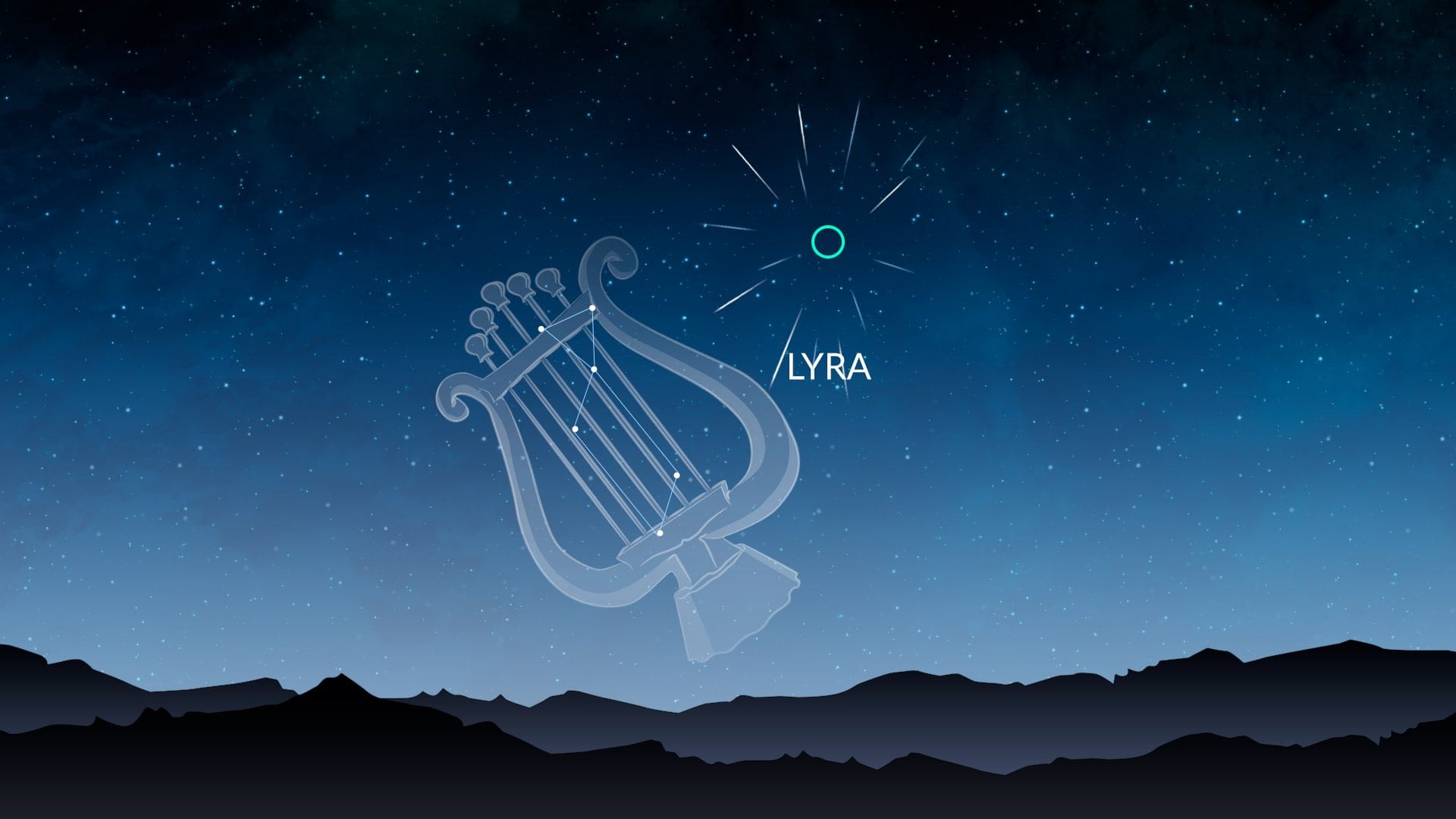
The Lyrids are visible from both hemispheres, but they favor observers in the Northern Hemisphere. The radiant point of the Lyrids is located in the constellation Lyra, near the bright star Vega — one of the brightest in the night sky. From mid-northern latitudes, the radiant appears above the horizon around 20:30 local time and reaches its highest point in the early morning hours. In the Southern Hemisphere, the radiant rises much later and stays lower in the sky, so the meteor rate will be lower.
You can easily track the radiant position using the Sky Tonight app: just type “Lyrids” in the search bar, tap the target icon, and follow the arrow on the screen to find the radiant in your sky. Remember: the higher the radiant is in the sky, the more meteors you're likely to see!
Find more meteor shower tips and a quick photography guide in our colorful infographic.
How to see the Lyrid meteor shower 2027?
The Lyrids are active from April 14 to 30 each year, with a peak around April 23. During the peak, observers can see about 18 meteors per hour under perfect viewing conditions. Flying at a velocity of 49 kilometers per second, the Lyrid meteors can produce bright fireballs, though they usually lack persistent trails. Here’s how to improve your chances of seeing the shooting stars:
-
Find a dark site with an unobstructed view of the sky. Meteors are best seen against the dark sky, so it’s best to get away from city lights. Also, they can appear anywhere in the sky (not necessarily near the radiant): the more sky you can see, the better.
-
Adapt to the darkness (at least 15-20 minutes). That way, your eyes will be more sensitive to light and you'll be able to see dimmer meteors. Avoid looking at bright lights, such as a fire or a phone screen; otherwise, your night vision will be reduced.
-
Patience pays off. The longer you watch, the better your chances. Be ready to give it at least an hour of your time.
-
Get comfortable. Bring a blanket or chair, dress warmly, and pack a thermos with a hot drink to make your stargazing experience more enjoyable.
Remember, stargazing can be challenging, but it's worth the effort! Find even more meteor-hunting tips in our dedicated article.
What is the Lyrid meteor shower?
The Lyrids are one of the oldest known meteor showers: they have been observed for 2,700 years. The first recorded observation of these fast, bright meteors by Chinese skygazers dates to 687 BC!
Although the April Lyrid meteor shower is not as prolific as the famed August Perseids or the December Geminids, it can occasionally amaze observers with as many as 90 meteors per hour: such surges were observed in 1803, 1922, 1945, and 1982. It’s difficult to predict such outbursts, which are one of the reasons why the Lyrids are worth watching. Unfortunately, no outburst of activity is expected in 2027.
What causes the Lyrid meteor shower?
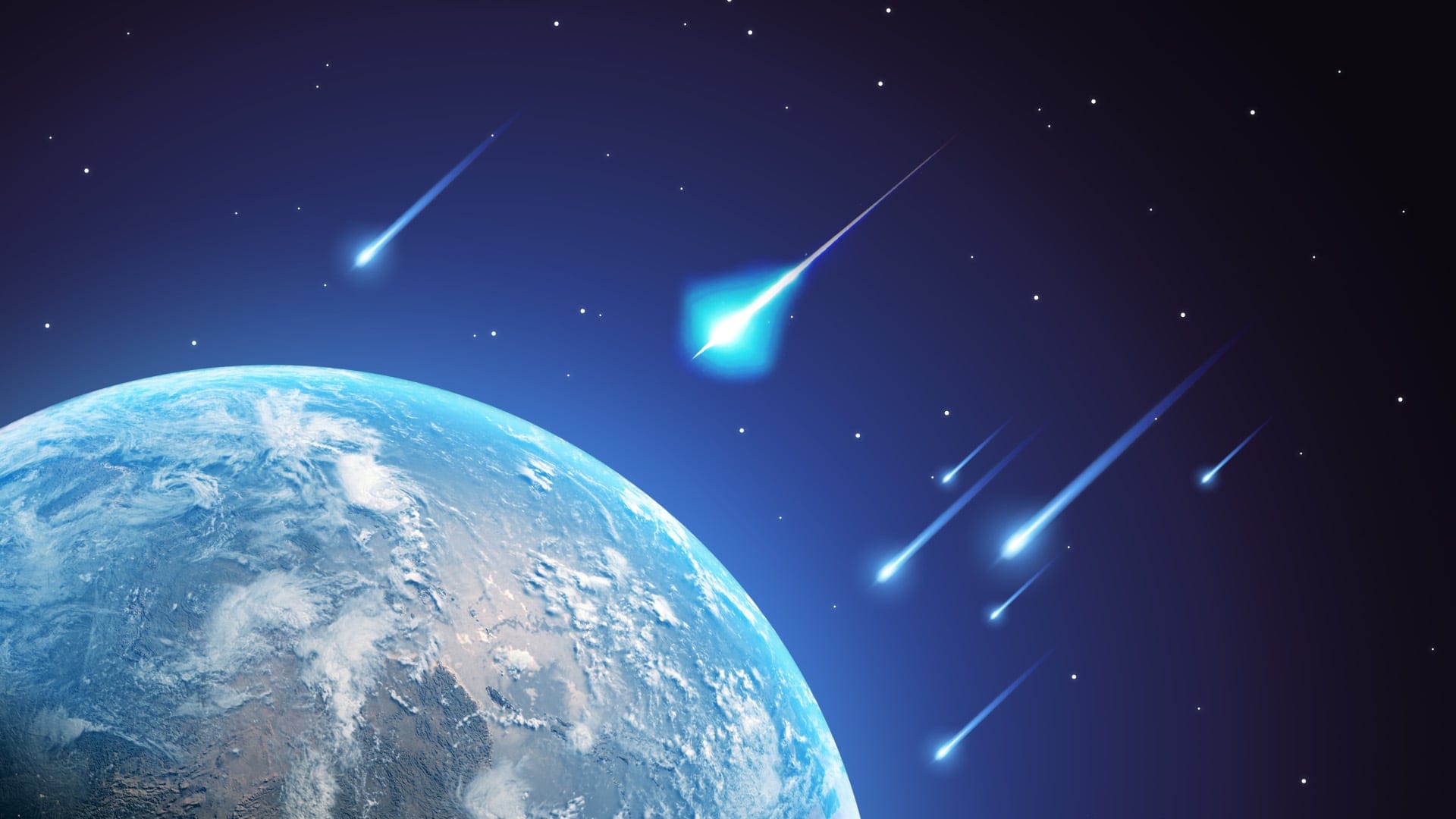
The parent body of the Lyrid meteor shower is a long-period comet C/1861 G1 (Thatcher) discovered on April 5, 1861, by the amateur astronomer A. E. Thatcher. When our planet passes through the trail left by the comet, dust and debris in the comet’s stream burn up in the Earth’s atmosphere, producing dazzling lights in the sky. The constellation Lyra is not the source of the Lyrids; the radiant situated in the constellation only helps observers determine which shower they are watching on a particular night.
April Lyrids FAQ
Where to see the April Lyrid meteor shower 2027?
The April Lyrids are best seen from the Northern Hemisphere, where the radiant in the constellation Lyra climbs higher in the night sky. Still, observers at northern latitudes in the Southern Hemisphere can catch a handful of Lyrids – and even spot a couple of bright fireballs!
What is the peak time of the April Lyrids 2027?
The Lyrids are expected to peak around 01:40 GMT on April 23, but the exact timing can vary by several hours. To be safe, plan to observe over a wider time frame around the peak rather than aiming for a single moment.
What is the best April meteor shower 2027?
The Lyrids are April’s standout meteor shower, bringing up to 18 meteors per hour. In 2027, their maximum comes under bright moonlight just a few days after the Full Moon; however, it’s still possible to catch a couple of the brightest meteors at the peak.
What are the best viewing spots for the Lyrid meteor shower?
The best places to watch the Lyrids are simply the darkest, clearest places you can safely reach. Head away from city lights, choose a place with a wide, unobstructed view of the sky (fields, beaches, hilltops, or open parks work great) and, if possible, a bit of elevation to avoid haze.
The Lyrids 2027 key facts: peak time, visibility, and where to see
In 2027, the Lyrids will peak on April 23 at around 01:40 GMT. The shower is visible worldwide but offers the best views from the Northern Hemisphere. It can produce about 18 meteors per hour, but the peak comes just three days after the Full Moon, so bright moonlight will interfere with observations. For the best chance of seeing Lyrids, observe from late evening through the pre-dawn hours, when the radiant climbs higher. In 2027, however, the bright waning gibbous Moon will remain a major source of interference, so keep it outside your direct field of view.
Use the Sky Tonight app to check when the radiant is highest above the horizon for your location, and enjoy one of the year’s most classic meteor showers. If you want to see how well-prepared you are for the meteor hunt, take our short and fun quiz!
Other Meteor Showers in April 2027
The April Lyrids are the best-known and usually the most reliable April meteor shower for casual observers. However, if you are a dedicated meteor hunter, here are a few lesser-known showers you can watch for:
- April 6: Zeta Cygnids
- April 10: April Epsilon Delphinids
- April 15: Pi Serpentids
- April 15: Alpha Virginids
- April 21: Nu Cygnids
- April 24: Pi Puppids
- April 29: H-Virginids
- April 30: April Rho Cygnids
Read more about these April meteor showers, as well as the ones in the following months, in our full guide on meteor showers from March to June of 2027.