April Astrophotography Targets: Best Galaxies, Nebulae, and Clusters to Photograph This Month

April is one of the best months of the year for deep-sky hunting. Galaxy season is in full swing, and we’re excited to share some of the best astrophotography targets for you. In April, galaxies take center stage, but we’ve also included a few stunning nebulae and star clusters to round out your skywatching experience. All of these objects are well-positioned this month and easy to find using the Sky Tonight astronomy app.
Contents
- Best Nebulae for Astrophotography in April
- Best Star Clusters for Astrophotography in April
- F.A.Q.
- Best Deep-Sky Objects in April: Bottom line
Best Galaxies for Astrophotography in April
Galaxies are huge groups of stars, gas, and dust held together by gravity. Visually, many of them appear as soft smudges with slightly brighter centers, but in long-exposure images, they reveal dust lanes, tidal distortions, glowing cores, and delicate spiral arms. April is ideal for photographing them: many of the season’s classic galaxies are now high enough in the sky for comfortable evening imaging. Dark skies help a lot, but even from suburban locations, you can get impressive results with a tracker, a small telescope, and a bit of photo stacking.
Here are some of the most beautiful galaxies for astrophotography in April. We’ve arranged them in the order we like best – but your personal favorites may turn out quite differently, so explore them all and create your own list of top galaxy astrophotography targets!
Whirlpool Galaxy
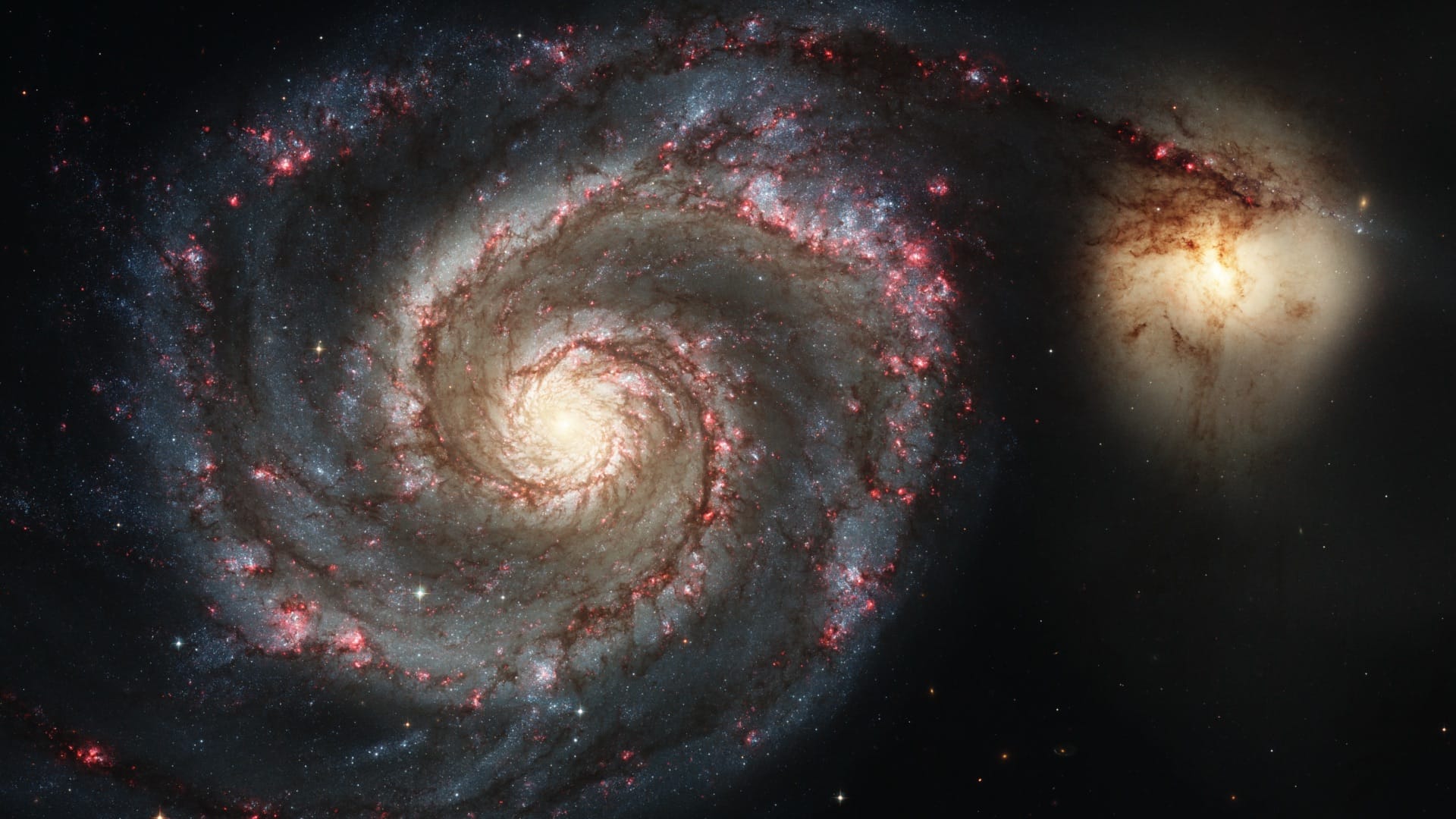
- Alternative names: M51, M51a, NGC 5194
- Apparent size: 11.2′ × 6.9′ (0.4 x Moon)
- Apparent magnitude: 8.4
- Constellation: Canes Venatici
- Best observed from: Northern Hemisphere
- How to observe: In large binoculars, the Whirlpool Galaxy appears as a small nebulous spot. With an amateur telescope and on astrophotos, the galaxy’s impressive spiral structure reveals itself.
- Description: M51 is a “grand-design” spiral galaxy – in other words, a galaxy with prominent and well-defined spiral arms. The arms serve as “star factories”, compressing hydrogen gas to create new star clusters. Some astronomers believe that the Whirlpool Galaxy's arms are so prominent because of the influence of its companion galaxy, NGC 5195.
Cat's Eye Galaxy
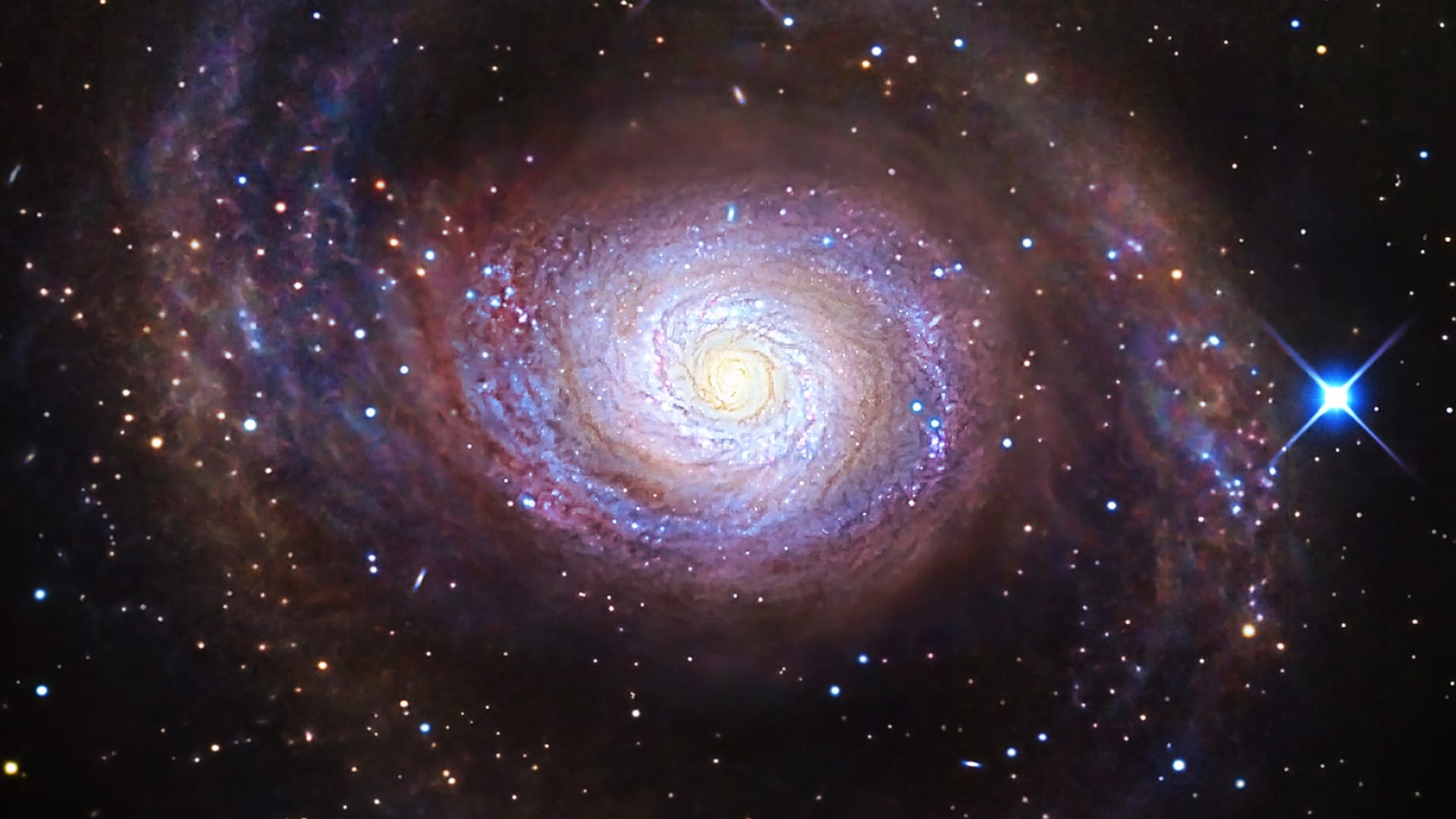
- Alternative names: M94, NGC 4736, Crocodile Eye Galaxy
- Apparent size: 11.2′ × 9.1′ (0.4 x Moon)
- Apparent magnitude: 8.2
- Constellation: Canes Venatici
- Best observed from: Northern Hemisphere
- How to observe: On a clear night, the Cat’s Eye Galaxy can be spotted with binoculars – but only as a small patch of light. Even with small telescopes, this object is discernible as a galaxy. For astrophotography, this is a good target if you want a compact, bright galaxy that looks good even in shots with short exposures.
- Description: M94 is a spiral galaxy with two ring structures. The galaxy’s inner ring is the site of strong star formation activity. Also, there seems to be very little, if any, dark matter in M94, however, this is still debated.
Sombrero Galaxy
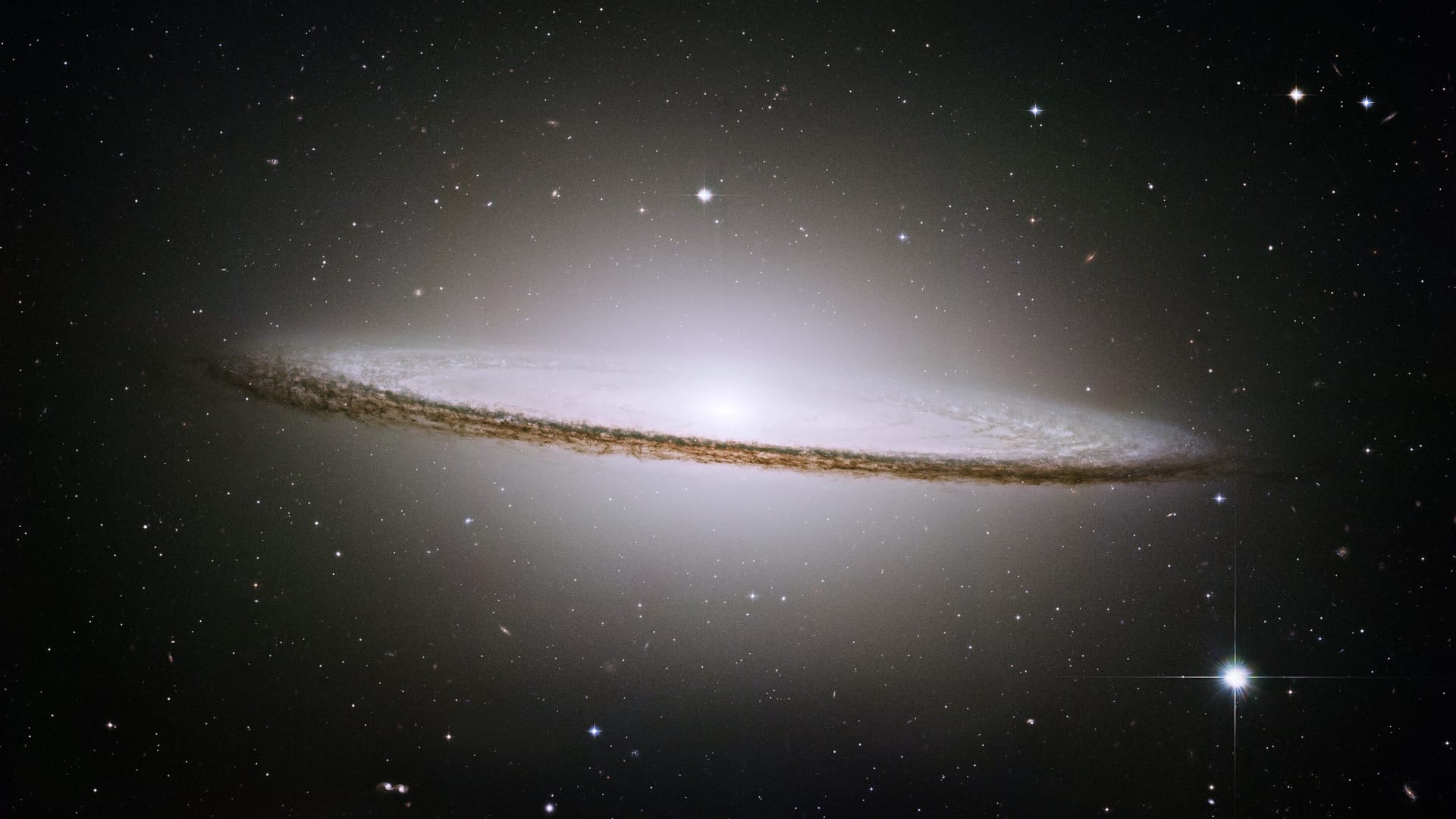
- Alternative names: M104, NGC 4594
- Apparent size: 9′ × 4′ (0.3 x Moon)
- Apparent magnitude: 8.0
- Constellation: Virgo
- Best observed from: Northern Hemisphere
- How to observe: You can see the Sombrero Galaxy even through small binoculars – it will look like a small oval smudge of light. If you want to get the best view of its hat-like shape, you should use at least a 10- or 12-inch telescope. For a great astrophoto, it is recommended to use an optical instrument with a larger aperture and a focal length of at least 1000 mm to really pull this object in for a closer look.
- Description: The Sombrero Galaxy is a peculiar galaxy of unclear classification, slightly bigger in size than the Milky Way. Its unusually large central bulge and a prominent dust lane in the outer disk attract the attention of both amateur and professional astronomers.
Pinwheel Galaxy
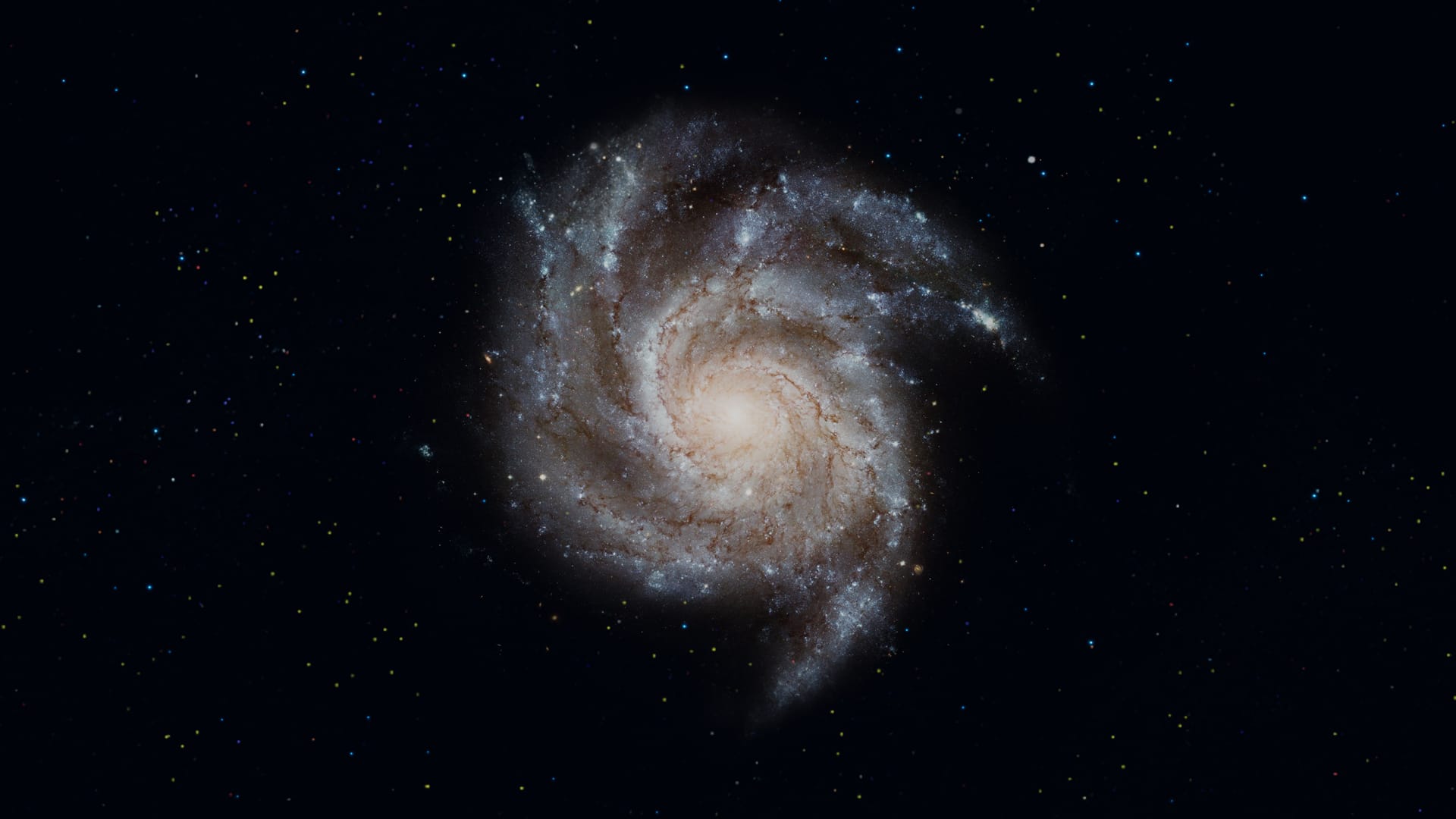
- Alternative names: M101, NGC 5457
- Apparent size: 28.8′ × 26.9′ (0.9 x Moon)
- Apparent magnitude: 7.9
- Constellation: Ursa Major
- Best observed from: Northern Hemisphere
- How to observe: Under dark skies, you can see the Pinwheel Galaxy with 10x50 binoculars. However, because of the galaxy’s low surface brightness, it’s better to use a small telescope for its observation and photography.
- Description: M101 is a large spiral galaxy, much larger than our Milky Way. It contains 11 nebulae bright enough to have their own NGC designations – more than any other galaxy.
Southern Pinwheel Galaxy
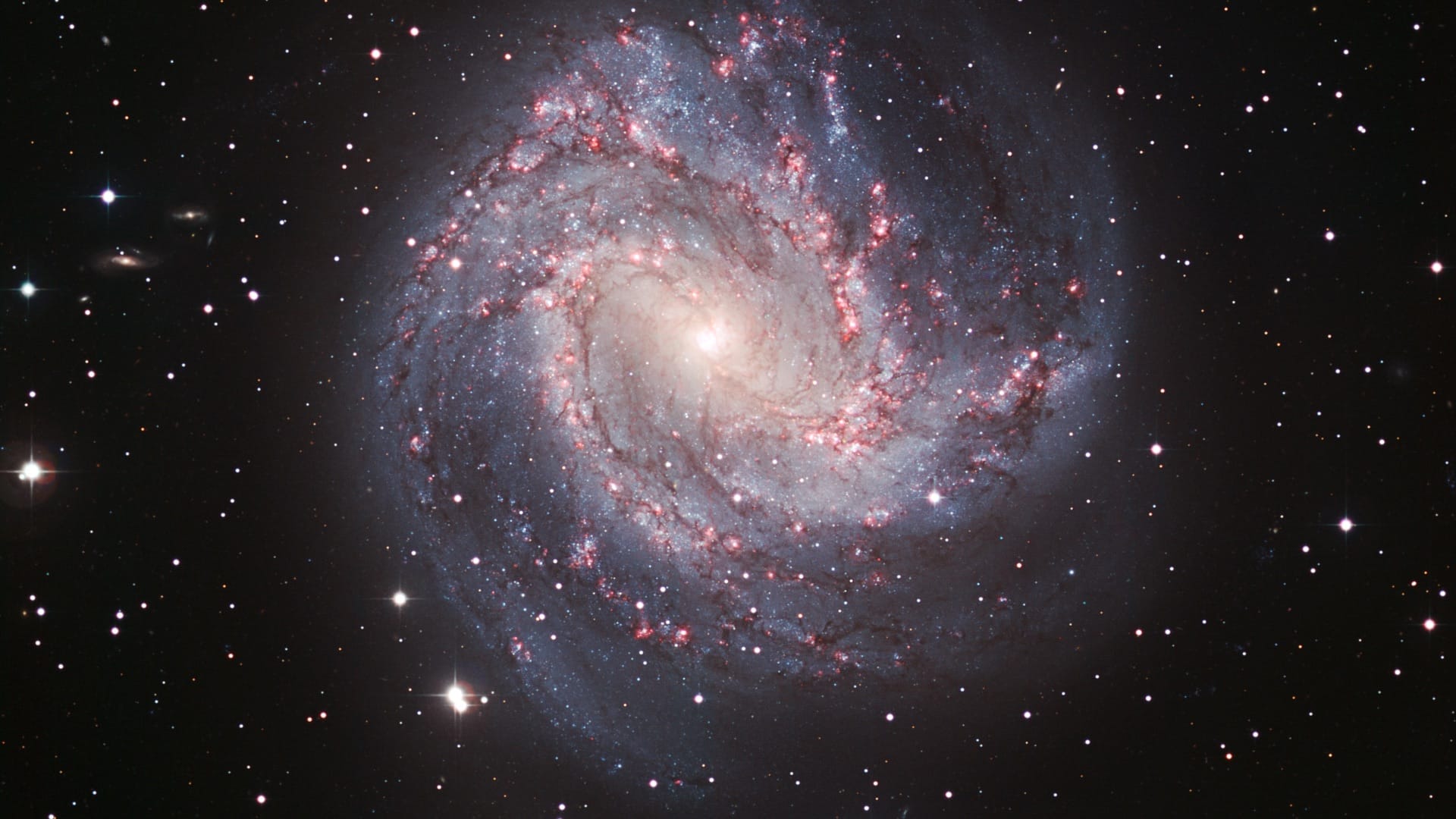
- Alternative names: M83, NGC 5236
- Apparent size: 12.9′ × 11.5′ (0.4 x Moon)
- Apparent magnitude: 7.6
- Constellation: Hydra
- Best observed from: Southern Hemisphere
- How to observe: The Southern Pinwheel Galaxy is one of the largest and brightest galaxies visible in the night sky, making it a great deep-sky target for astrophotography at a wide range of focal lengths. Under dark skies, it can be spotted with 7x50 or 10x50 binoculars as a soft glow with a brighter core, while a small telescope reveals its spiral structure.
- Description: The Southern Pinwheel Galaxy is one of the brightest spiral galaxies in the night sky and one of the largest nearby barred spirals. Six supernovae have been observed in this galaxy over the past century, and almost 300 supernova remnants (leftovers of exploded stars) have been found within it.
Leo Triplet
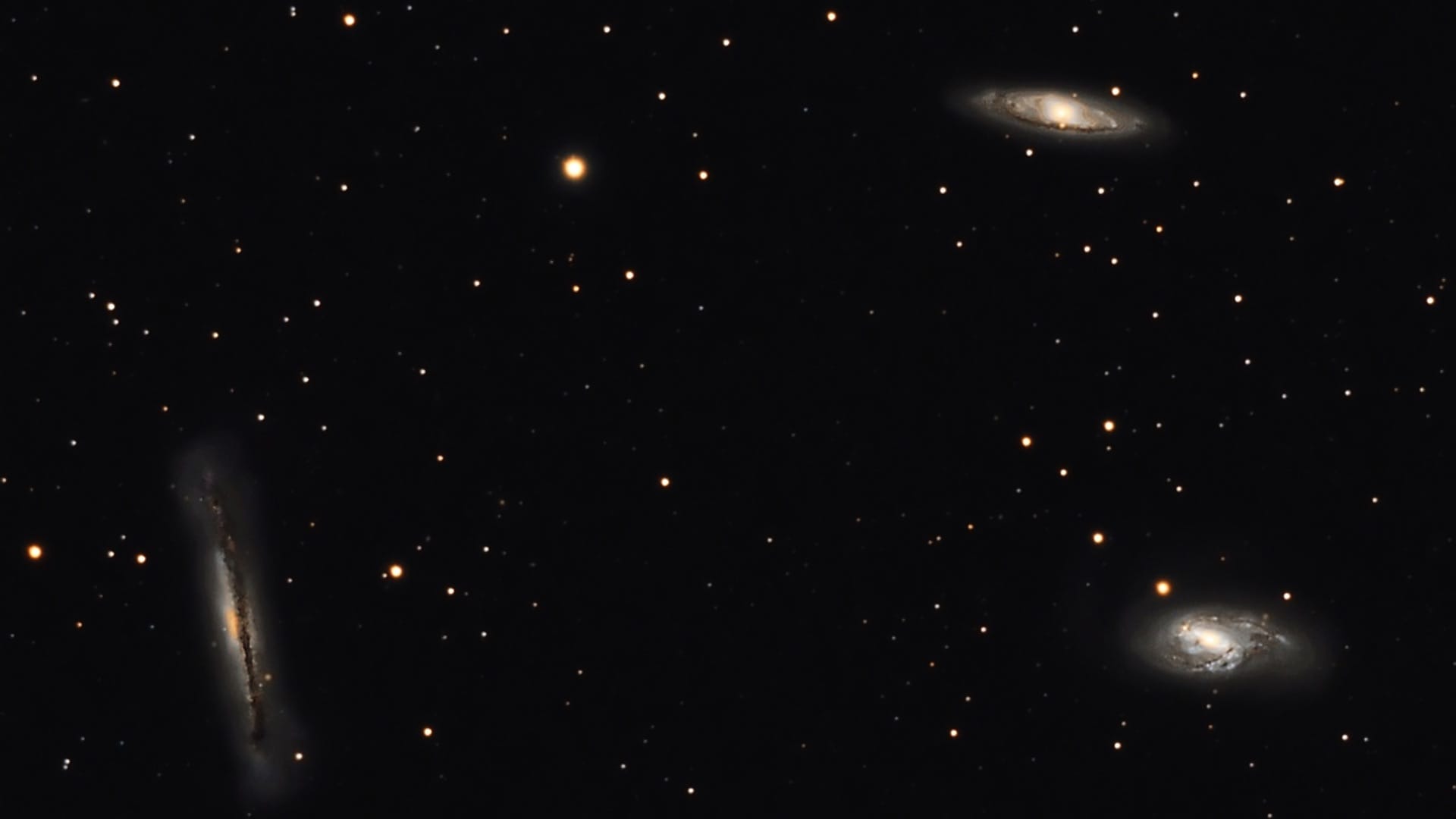
- Alternative names: M66 Group
- Apparent size: 40′ x 50′ (1.5 x Moon)
- Apparent magnitude: 8.9-9.5
- Constellation: Leo
- Best observed from: Northern Hemisphere
- How to observe: The Leo Triplet is a classic spring target for small telescopes and beginning astrophotographers. Even with 10x50 binoculars, you will most likely only be able to see two of the three galaxies in the Leo Triplet: M65 and M66. They will appear as hazy smudges. To see and photograph the entire Leo Triplet in one field of view, you’ll need a wide field of view. With a 4-inch telescope, use a low-magnification eyepiece (around 25–40x) or a short-focal-length setup for astrophotography.
- Description: The Leo Triplet consists of three spiral galaxies: M65, M66, and NGC 3628 (also known as the Hamburger Galaxy). When seen from the Earth, the galaxies are tilted at different angles: NGC 3628 appears edge-on, while M65 and M66 are inclined enough to reveal their spiral arms. All three galaxies gravitationally interact with each other.
Markarian's Chain
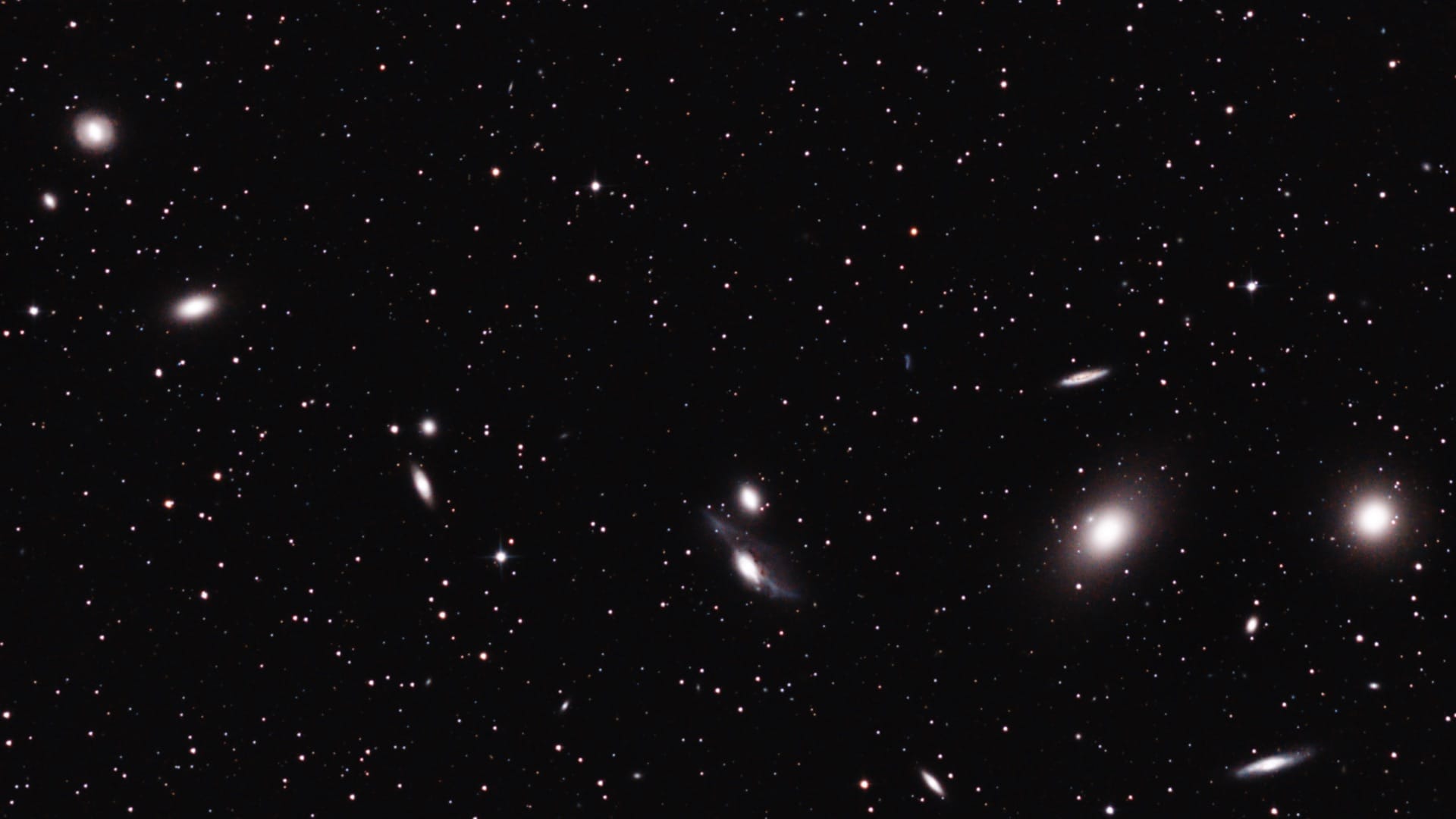
- Apparent size: 1.5° (3 x Moon)
- Apparent magnitude: 8.9-12.9
- Constellation: Virgo
- Best observed from: Northern Hemisphere
- How to observe: The bright members of the Markarian's Chain are visible through small telescopes. Large telescopes are required to view the fainter galaxies. For photographers, this is one of April’s most rewarding “crowded field” targets, best suited for wide-field astrophotography.
- Description: Markarian's Chain is a stretch of galaxies located in the Virgo Cluster. It was named after the Soviet astrophysicist Benjamin Markarian, who discovered the galaxies' common motion in the early 1960s. The brightest part of the Markarian's Chain consists of nine galaxies, including the giant galaxies M84 and M86, as well as NGC 4435 and NGC 4438, known as Markarian’s Eyes.
Needle Galaxy
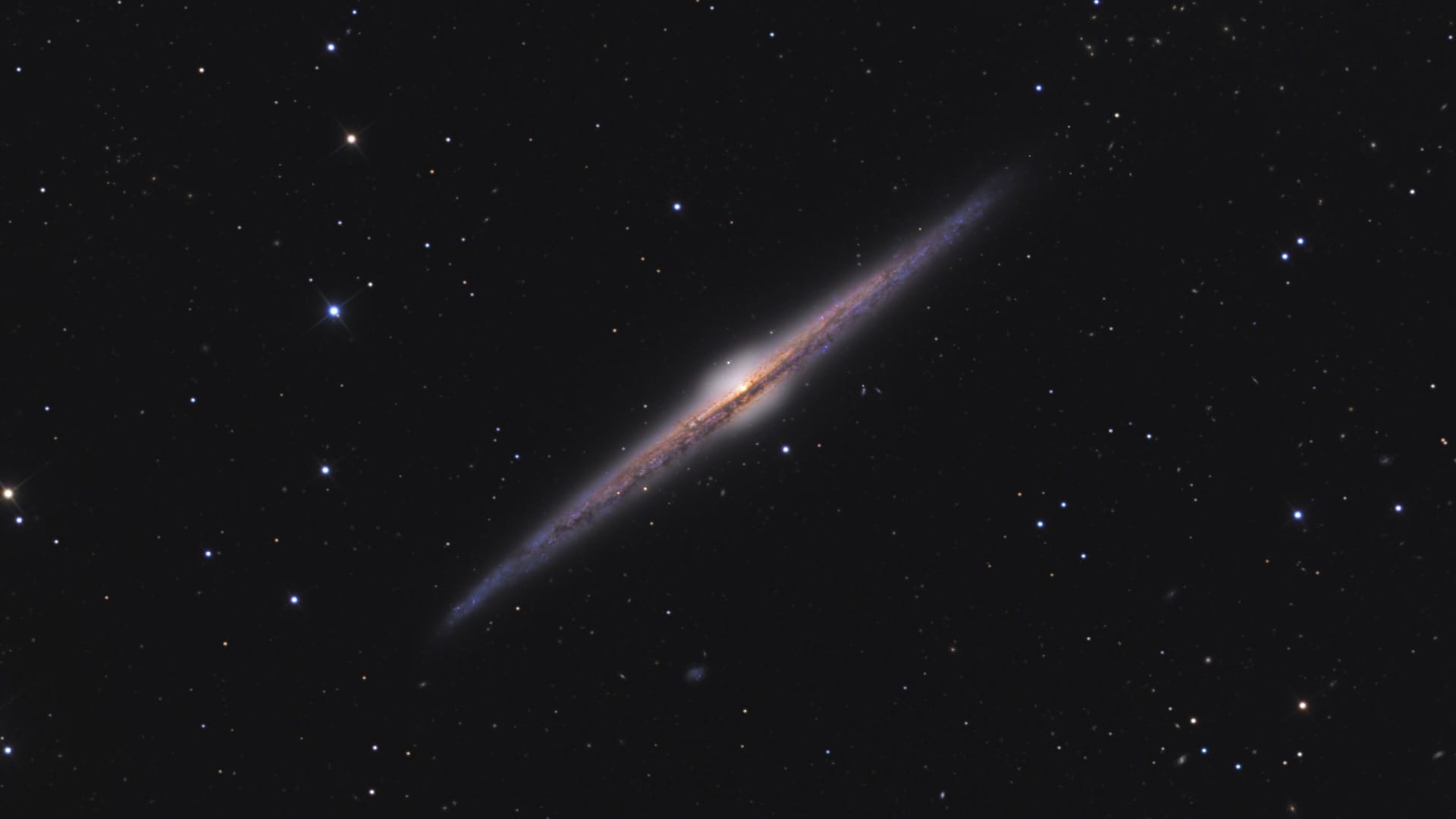
- Alternative names: NGC 4565, Caldwell 38
- Apparent size: 15.90′ × 1.85′ (0.5 x Moon)
- Apparent magnitude: 10.4
- Constellation: Coma Berenices
- Best observed from: Northern Hemisphere
- How to observe: Photographically, the Needle Galaxy is much more satisfying than it is visually. Through binoculars, it’s difficult to see, and even through a small telescope, it appears as a nebulous line with just a hint of a central bulge. But with a simple imaging setup, its thin edge-on profile and bulging central core start to stand out beautifully.
- Description: NGC 4565 is an edge-on spiral galaxy that lies close to the North Galactic Pole. It is nicknamed the Needle Galaxy because, through a telescope, it looks as thin and sharp as a needle.
Best Nebulae for Astrophotography in April
Nebulae are vast clouds of gas and dust where new stars form. Visually, most of them appear as faint, grayish patches in telescopes. Long-exposure astrophotography reveals their vivid colors and intricate details, making them some of the most spectacular deep-sky targets.
Southern Ring Nebula
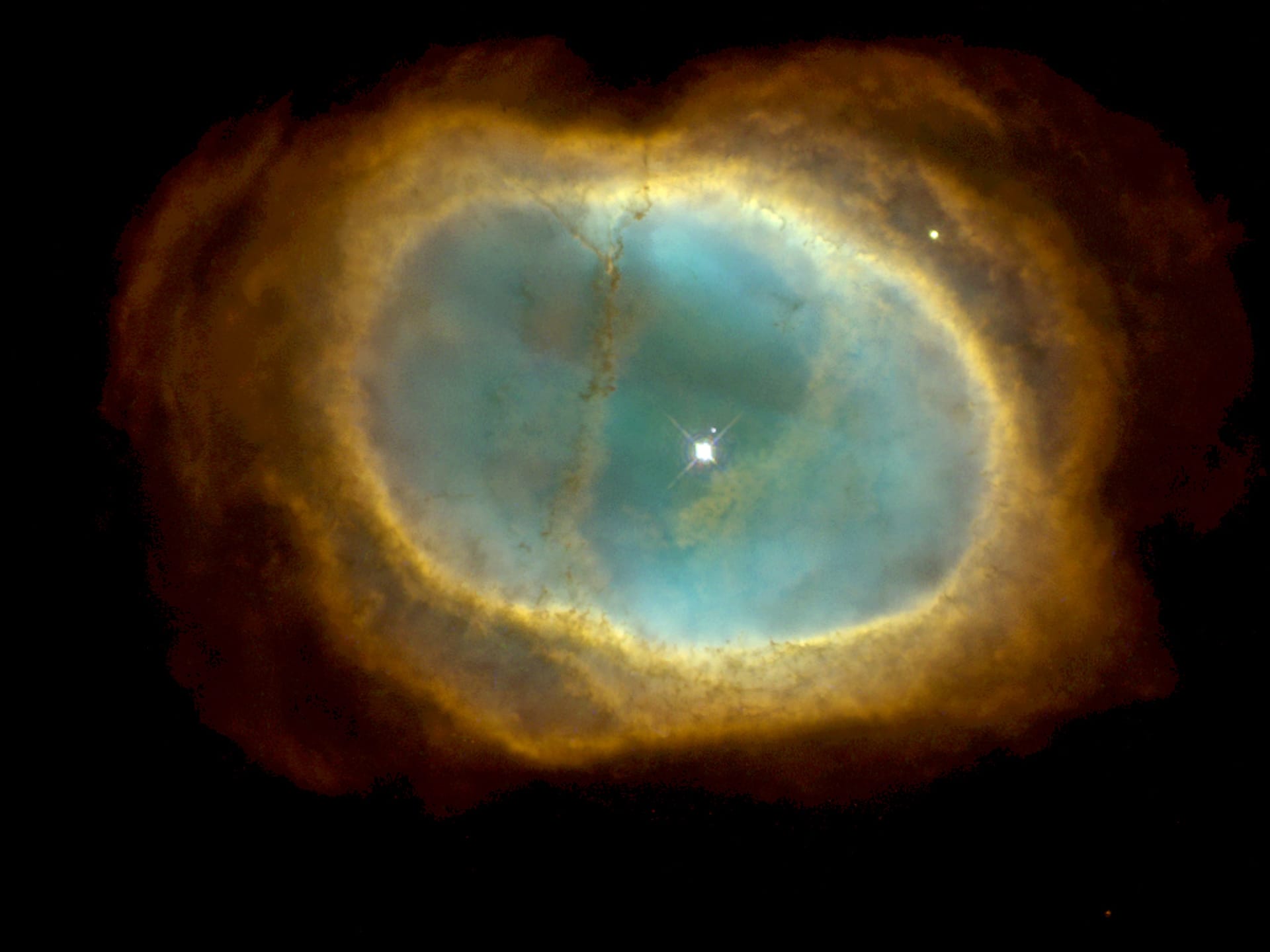
- Alternative names: NGC 3132, Caldwell 74, Eight-Burst Nebula
- Apparent size: 1′20″ × 43.20″ (0.03 x Moon)
- Apparent magnitude: 10.2
- Constellation: Vela
- Best observed from: Southern Hemisphere
- How to observe: The Southern Ring Nebula is best viewed through medium to large amateur telescopes due to its relatively faint magnitude. Visually, it appears as a small oval glow, but in photos it becomes far more impressive, with layered internal structure and a soft bluish or greenish tint.
- Description: The Southern Ring Nebula is a planetary nebula discovered in 1835 by English astronomer John Herschel. It gained renewed attention when it was chosen as one of the five celestial targets featured in the James Webb Space Telescope's first official release of science images on July 12, 2022.
Ghost of Jupiter Nebula
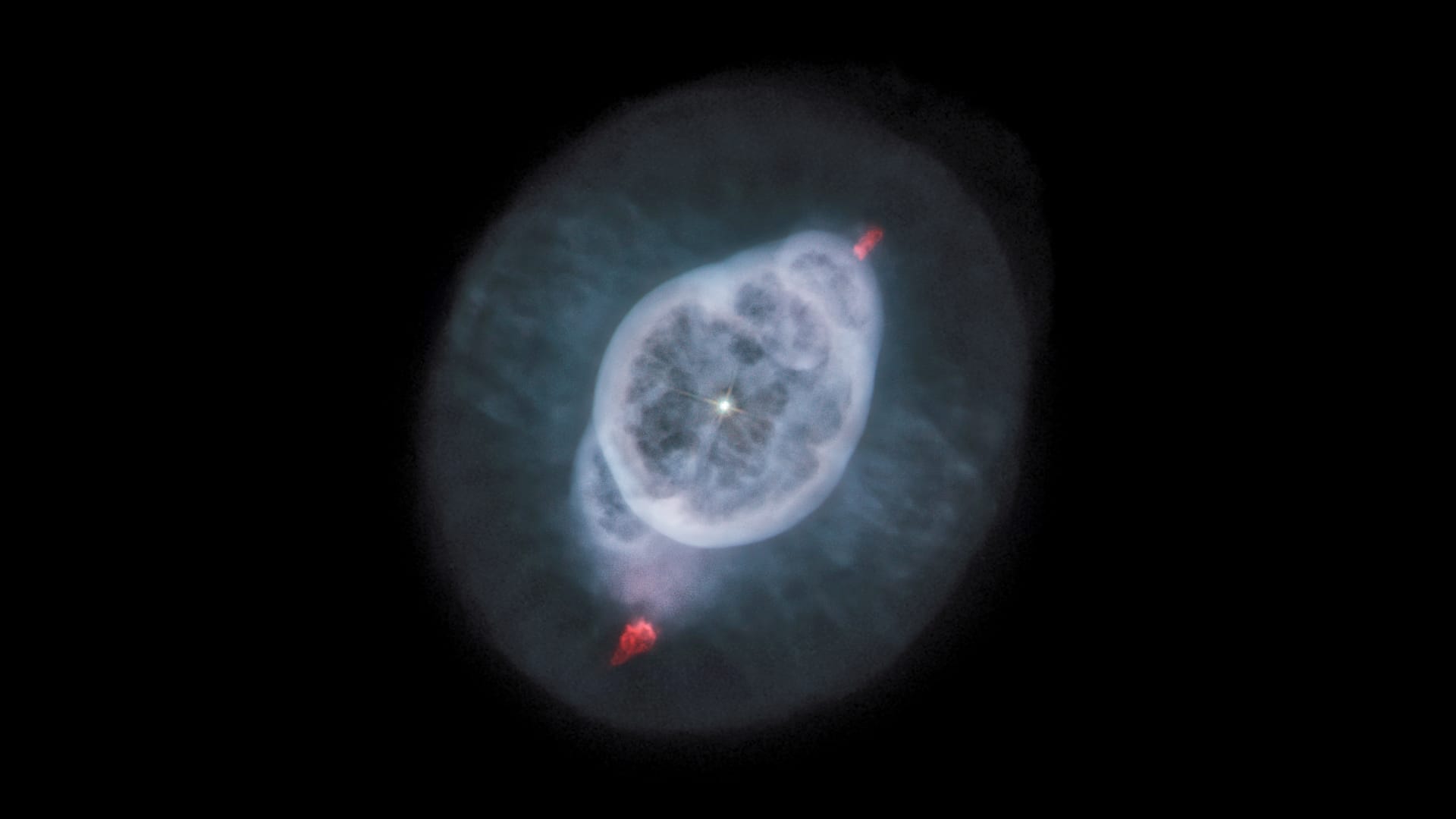
- Alternative names: NGC 3242, Caldwell 59, Eye Nebula
- Apparent size: 25.20″ × 37.20″ (0.012 x Moon)
- Apparent magnitude: 8.6
- Constellation: Hydra
- Best observed from: Southern Hemisphere
- How to observe: The Ghost of Jupiter Nebula is easily visible through amateur telescopes, where it typically appears bluish-green to most viewers. Larger telescopes and astrophotography can reveal its faint outer halo and more delicate internal detail.
- Description: The Ghost of Jupiter Nebula is a planetary nebula discovered by William Herschel in 1785. It is a remnant of a dying star: what once was a red giant that shed its outer layers, leaving behind a glowing shell of gas surrounding a hot white dwarf at the core.
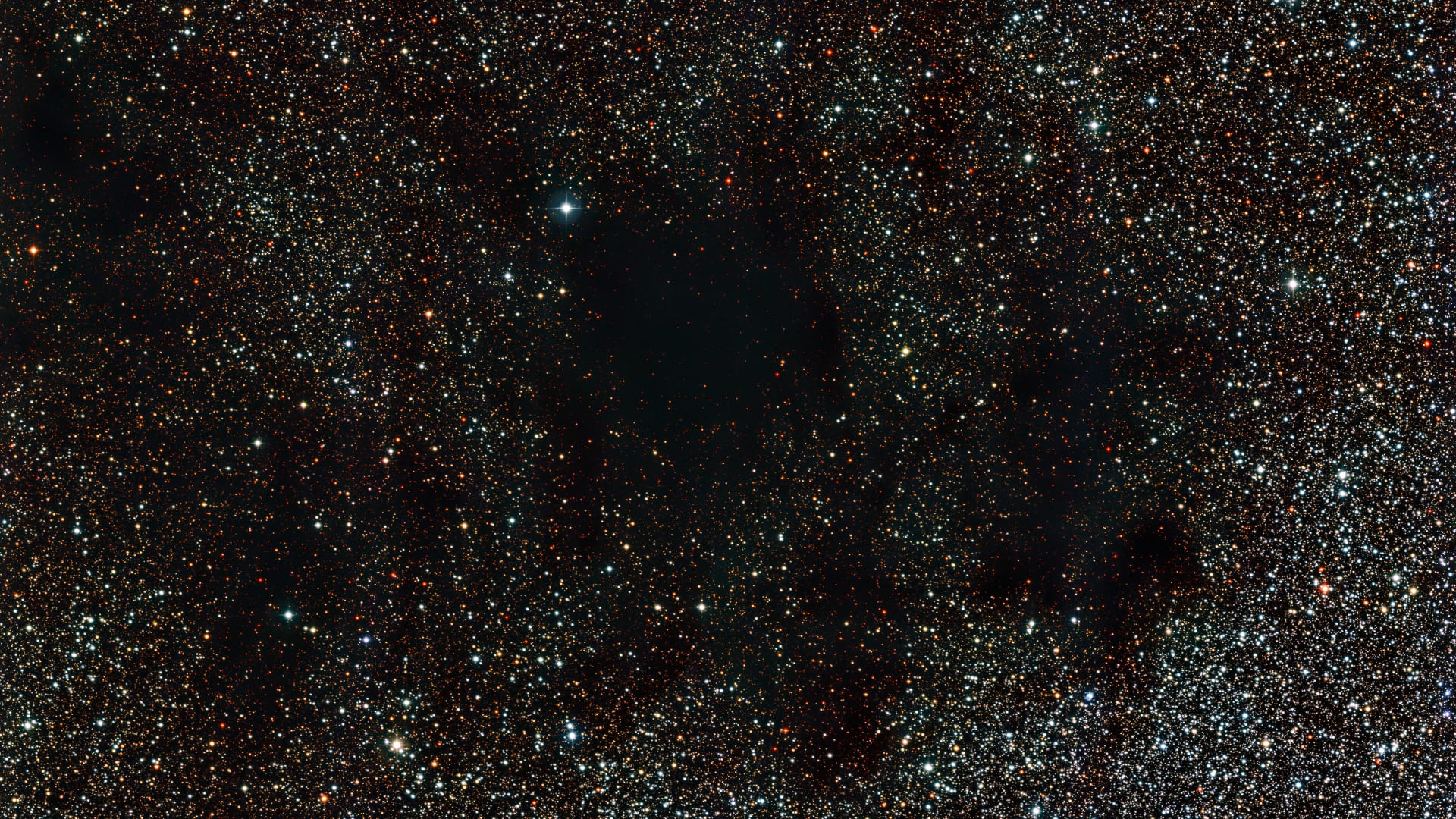
Coalsack Nebula
- Alternative names: Caldwell 99
- Apparent size: 7°9′ × 5°00′ (22 x Moon)
- Apparent magnitude: not applicable
- Constellation: Crux
- Best observed from: Southern Hemisphere
- How to observe: The Coalsack Nebula is one of the best naked-eye dark nebulae in the sky and also looks striking through binoculars under dark southern skies. For astrophotography, it works beautifully in wide-field shots, where its dark silhouette cuts into the bright Milky Way star clouds near the Southern Cross.
- Description: The Coalsack Nebula is a dark nebula – a dense cloud of gas and dust that blocks the light from the stars behind it. The first European observation was reported by the Spanish explorer Vicente Yáñez Pinzón in 1499.
Best Star Clusters for Astrophotography in April
Star clusters are groups of stars that share a common origin. Open clusters look like loose groupings of bright stars; some of them can be seen with the naked eye. Globular clusters appear as hazy balls and require binoculars or a telescope for detailed observation. They are among the best beginner-friendly astrophotography targets, requiring short exposures and being resilient to light pollution.
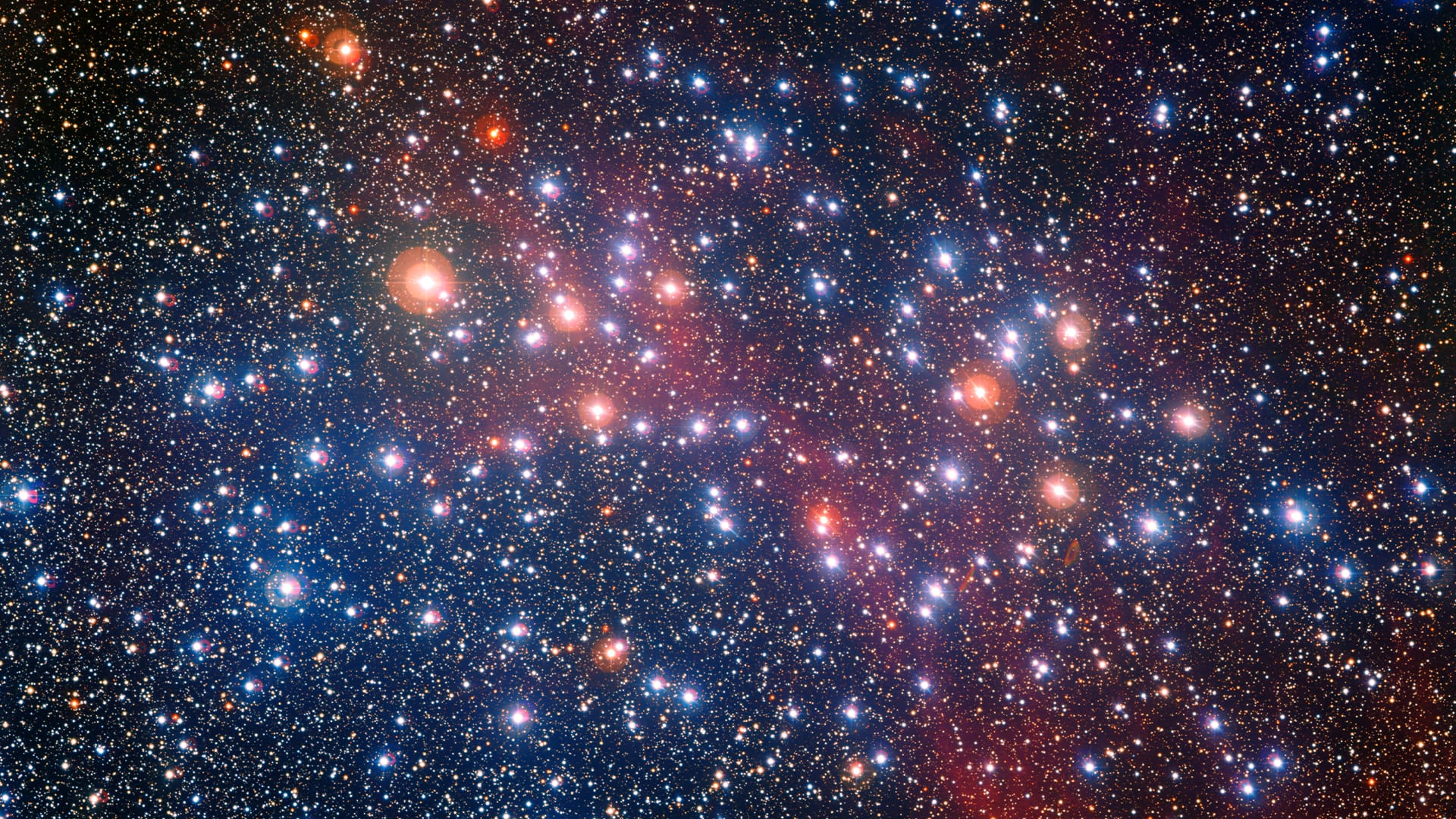
Wishing Well Cluster
- Alternative names: NGC 3532, Caldwell 91, Collinder 238, Melotte 103
- Apparent size: 49′59″ (1.5 x Moon)
- Apparent magnitude: 3.0
- Constellation: Carina
- Best observed from: Southern Hemisphere
- How to observe: The Wishing Well cluster is easily visible to the naked eye under dark skies and is stunning through binoculars or a small telescope. With its large apparent size and dense population of stars, it works especially well as a low-magnification or wide-field astrophotography target.
- Description: The Wishing Well Cluster is an open star cluster discovered by French astronomer Nicolas Louis de Lacaille in 1752. It was the first target that the Hubble Space Telescope ever photographed.
M3
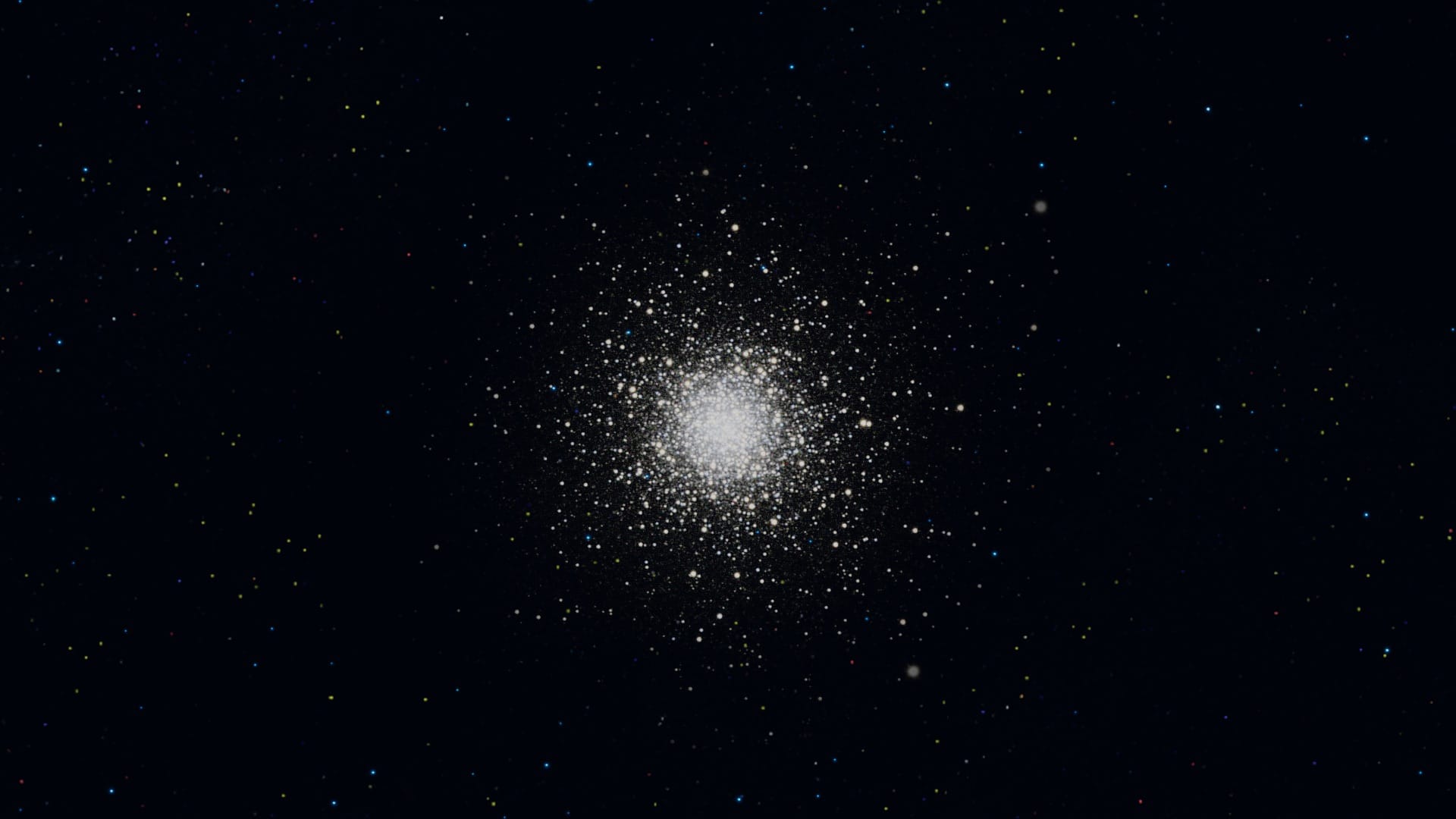
- Alternative names: NGC 5272
- Apparent size: 18′ (0.6 x Moon)
- Apparent magnitude: 6.4
- Constellation: Canes Venatici
- Best observed from: Northern Hemisphere
- How to observe: M3 is hard to spot with the naked eye, but it’s easy in 10x50 binoculars and very satisfying in a small telescope. For astrophotography, M3 is wonderfully forgiving: it is one of the brightest and most compact globular clusters, allowing it to stand out even with minimal exposure time.
- Description: M3 was the first Messier object to be discovered by Charles Messier himself and is one of the best-studied globular star clusters. The cluster is made up of around 500,000 stars and is estimated to be 11.4 billion years old.
Omega Centauri
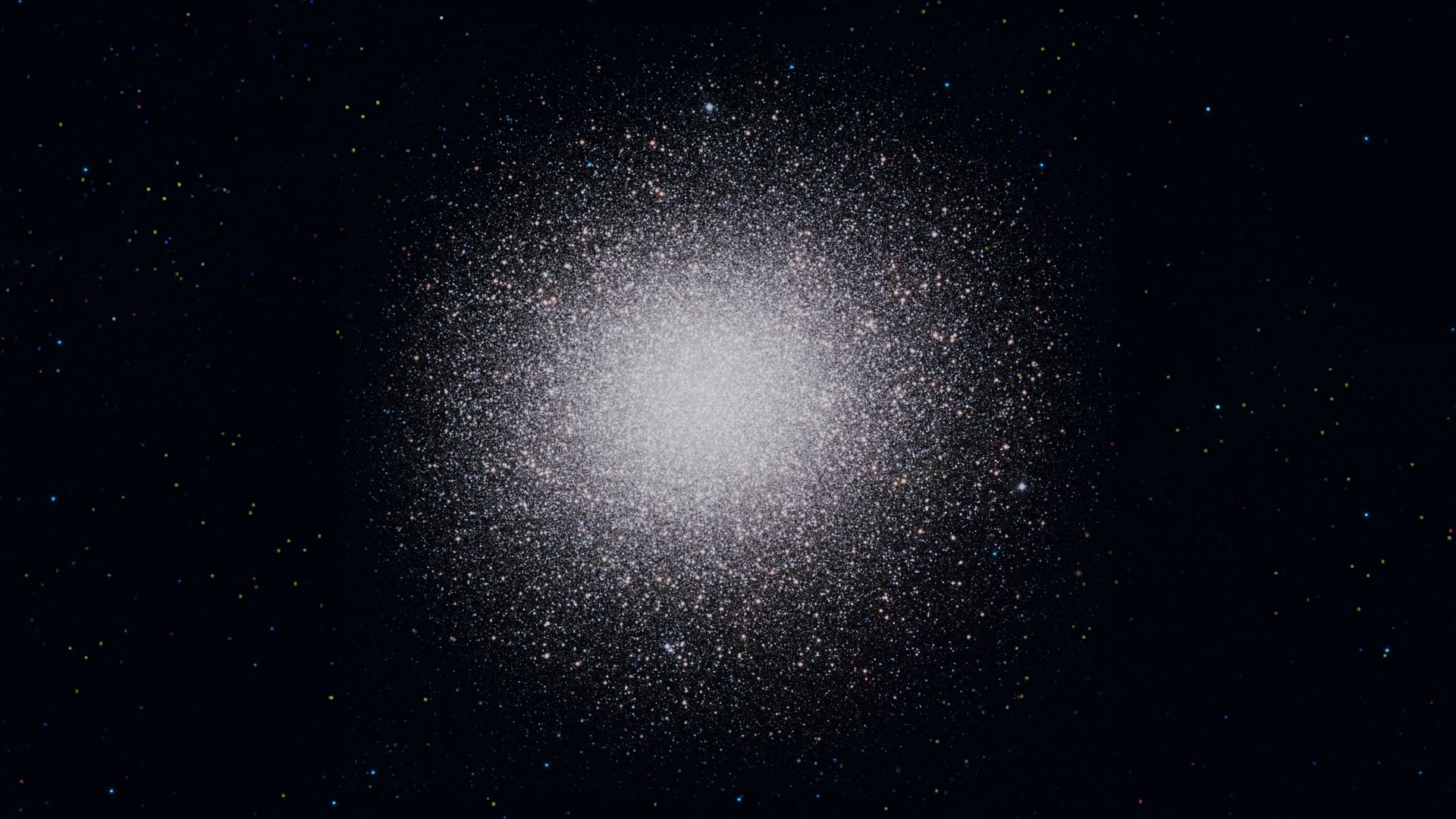
- Alternative names: ω Cen, NGC 5139, Caldwell 80
- Apparent size: 36′ (1.2 x Moon)
- Apparent magnitude: 3.9
- Constellation: Centaurus
- Best observed from: Southern Hemisphere
- How to observe: To the naked eye, the Omega Centauri star cluster is seen as a hazy “star” (which is why it was included in Ptolemy’s star catalog in 140 AD). With 10x50 binoculars, you will see a lot of stars concentrated in a very small area. With a telescope, you can resolve even more stars. Omega Centauri is a very bright and dense globular star cluster, which makes it a must for beginner astrophotography in the Southern Hemisphere.
- Description: Omega Centauri is the Milky Way’s largest and most massive globular cluster, estimated to contain 10 million stars. It has been speculated that this cluster is the core of a dwarf galaxy that was disrupted and absorbed by the Milky Way.
F.A.Q.
What is a deep-sky object?
Deep-sky object is a term used to describe astronomical objects beyond our Solar System – nebulae, star clusters, and galaxies are the most common types of them. They usually require binoculars or a telescope to observe, though some can be faintly seen in the dark night sky with the naked eye.
What is a Messier object?
Many of the best-known and easiest deep-sky targets are listed in the Messier catalog. There are 110 Messier objects, including groupings of stars, clouds of gas and dust in our Milky Way, plus galaxies beyond our own that look gorgeous through a telescope. It’s interesting that Charles Messier himself didn’t know he was creating the list of the brightest deep-sky objects. He was a comet hunter and listed all of the objects that shouldn’t be confused with comets. Anyway, curious stargazers now honor Messier and his catalog. There is even a competition called the Messier marathon when astronomers try to find as many Messier objects as possible in one night, testing their observing abilities and the quality of their optics.
Why are some galaxies called NGC?
The other popular reference list is NGC – The New General Catalogue of Nebulae and Clusters of Stars. It contains 7,840 objects, so you’ll have the targets to observe for your whole life. The objects of these two catalogs, along with many others, can be found for free in the Sky Tonight app – just write the object’s name in the search field, and you’ll learn its location and get detailed info about it.
What are the most visible deep-sky objects?
If you are an eagle-eyed observer, you can try to find the Andromeda Galaxy (M31) and the Pleiades (M45) even with the naked eye. They are better seen, of course, when the skies aren’t light-polluted. There are more options, though, if you take optics.
Explore even more bright deep-sky targets here:
- Naked-eye star clusters list
- Best deep-sky objects for beginners (Northern Hemisphere)
- Best deep-sky objects for beginners (Southern Hemisphere)
Best Deep-Sky Objects in April: Bottom line
In April, you can observe and photograph some unique-looking galaxies (like the Sombrero Galaxy and the Needle Galaxy), as well as whole groups of galaxies (the Markarian’s Chain and the Leo Triplet). There are a couple of stunning nebulae and bright star clusters, too! Use the astronomy app Sky Tonight to locate deep-sky objects in the night sky. Also, take our fun quiz and try to guess a deep-sky object’s name by its photo!

Best Astrophotography Targets by Month: Year-Ahead Calendar
Deep-sky wonders aren’t limited to April. Discover what the universe has to offer each month with our guides to deep-sky objects: