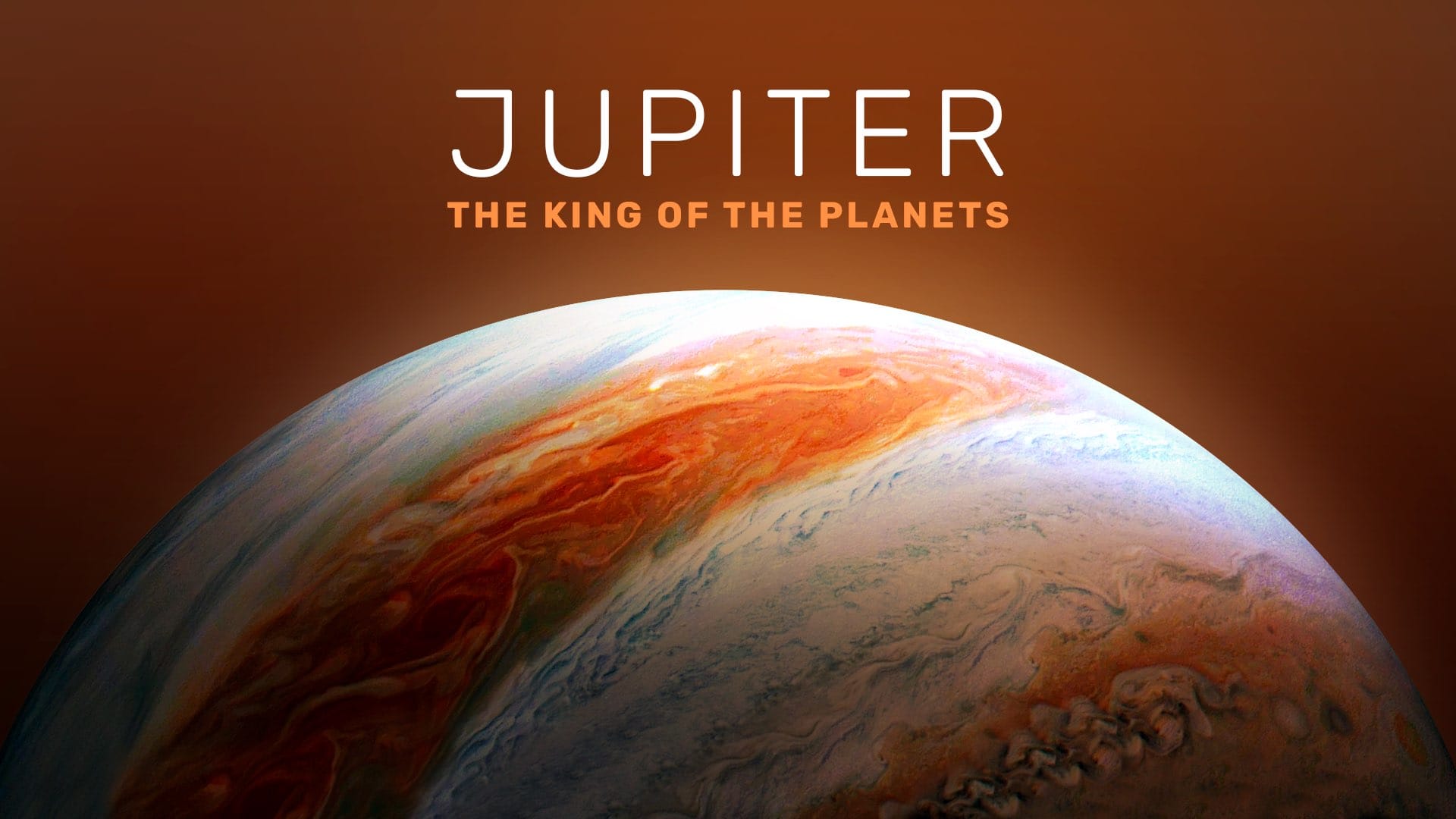
Jupiter Facts for Skywatchers: What Does Jupiter Look Like From Space and From Earth?
Get a clear picture of Jupiter: how it looks to the naked eye and with optics, when to see it in the sky in 2026, what it’s composed of, and what makes this gas giant special.
Night Sky Tonight: What to See This Week
Plan your stargazing week in October 2026! This guide updates daily with tonight’s best stargazing targets and viewing tips.
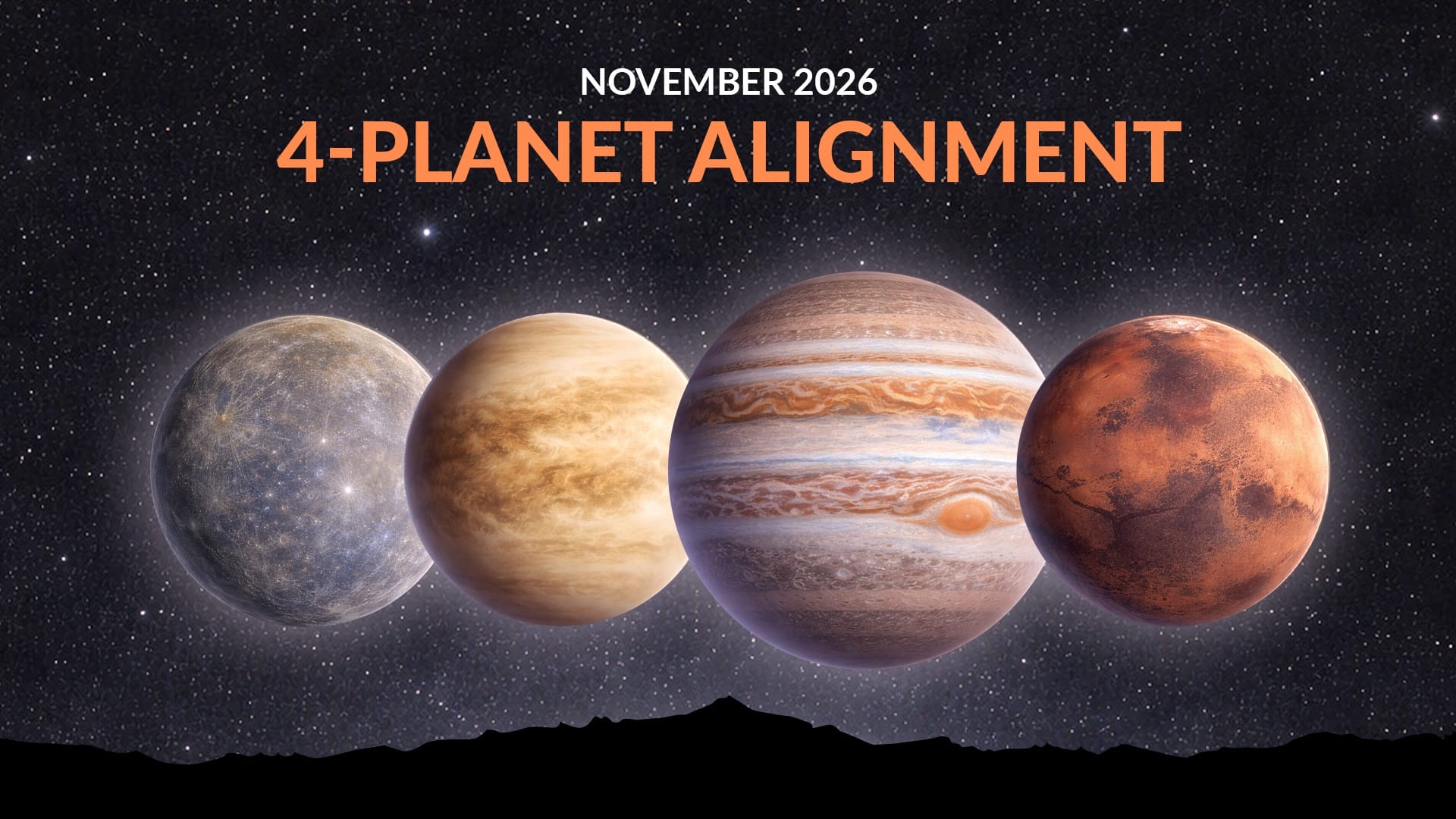
Planet Parade in November 2026: See 4 Planets Before Sunrise
Find the best dates and local viewing times for the November 2026 planetary alignment, with practical tips for spotting Mercury, Venus, Mars, and Jupiter.
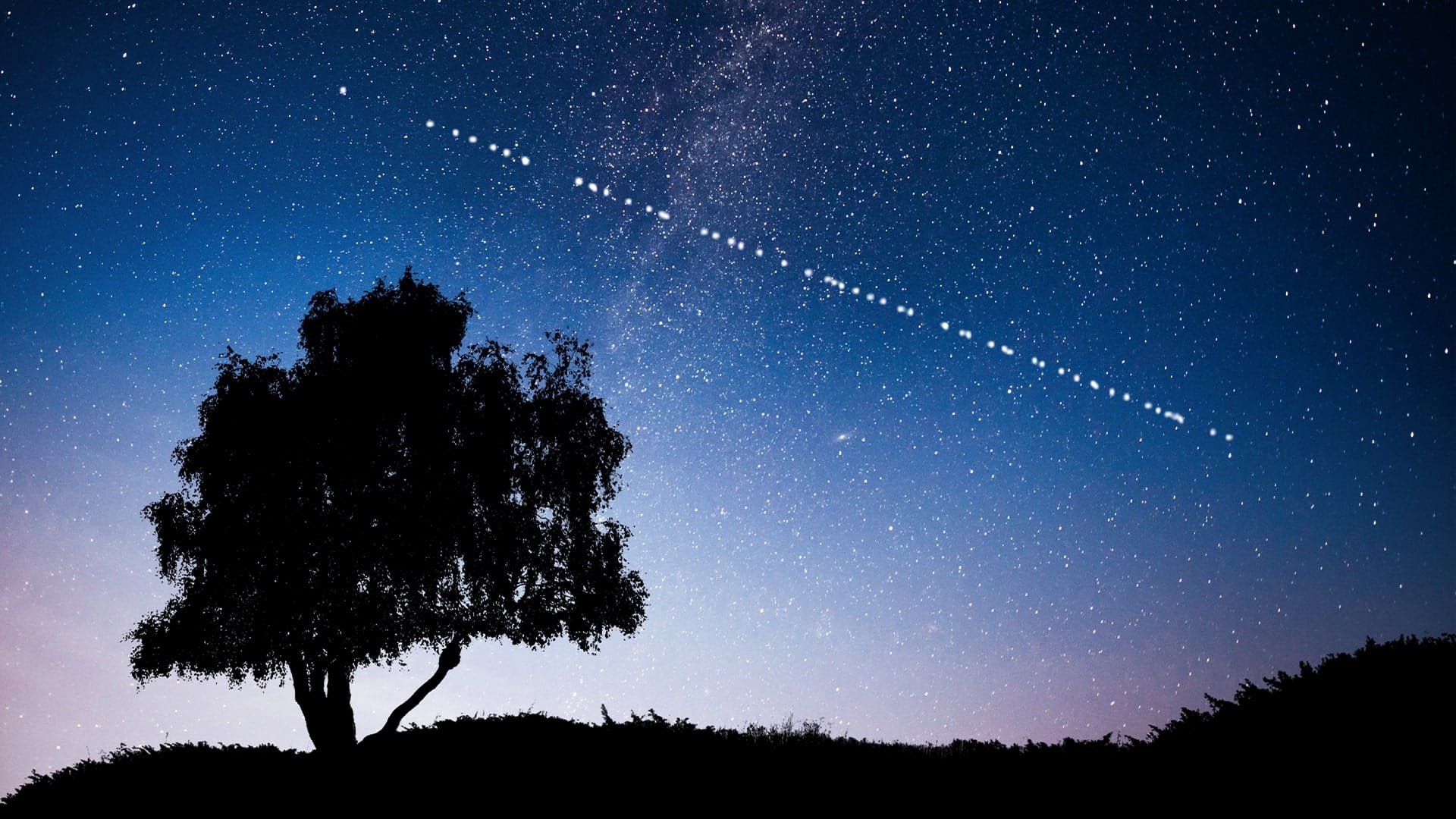
Starlink Tracker: How to Find Starlink Satellites Tonight
Learn how to find Starlink satellites from your location tonight and check the upcoming Starlink launches.

Phoenicids: See the First December Meteor Shower 2026
The Phoenicids reach their peak on December 2, 2026. Learn how to watch this minor meteor shower in December and discover how its spectacular outbursts amazed skywatchers in the past.

Why Are Planets Round? Exploring the Shapes of Planets
With such a variety of shapes in the universe, why are planets round and not cubic or pyramidal? Find the answer in this article!
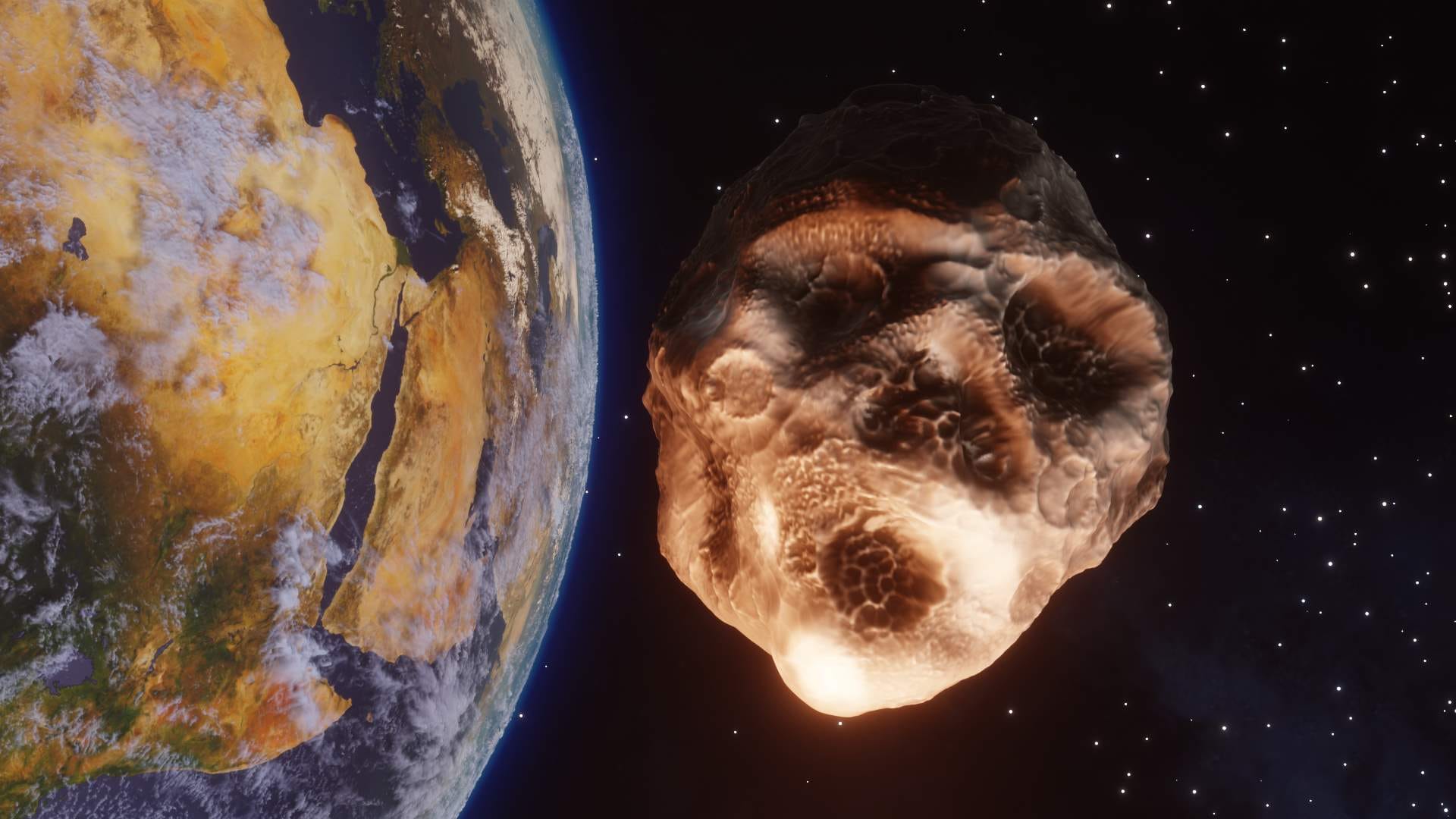
When Is the Next Asteroid Predicted to Hit the Earth?
Is it likely for an asteroid to hit Earth anytime soon? In this article, we’ll answer the most burning questions about potentially hazardous asteroids.

Daytime Astronomy: Can You See Stars During the Day?
Astronomy isn’t just for “night owls”! Explore the Sun, Moon, planets, bright stars, satellites, rare meteors, and atmospheric effects in our daytime astronomy guide, with tips for safe viewing.
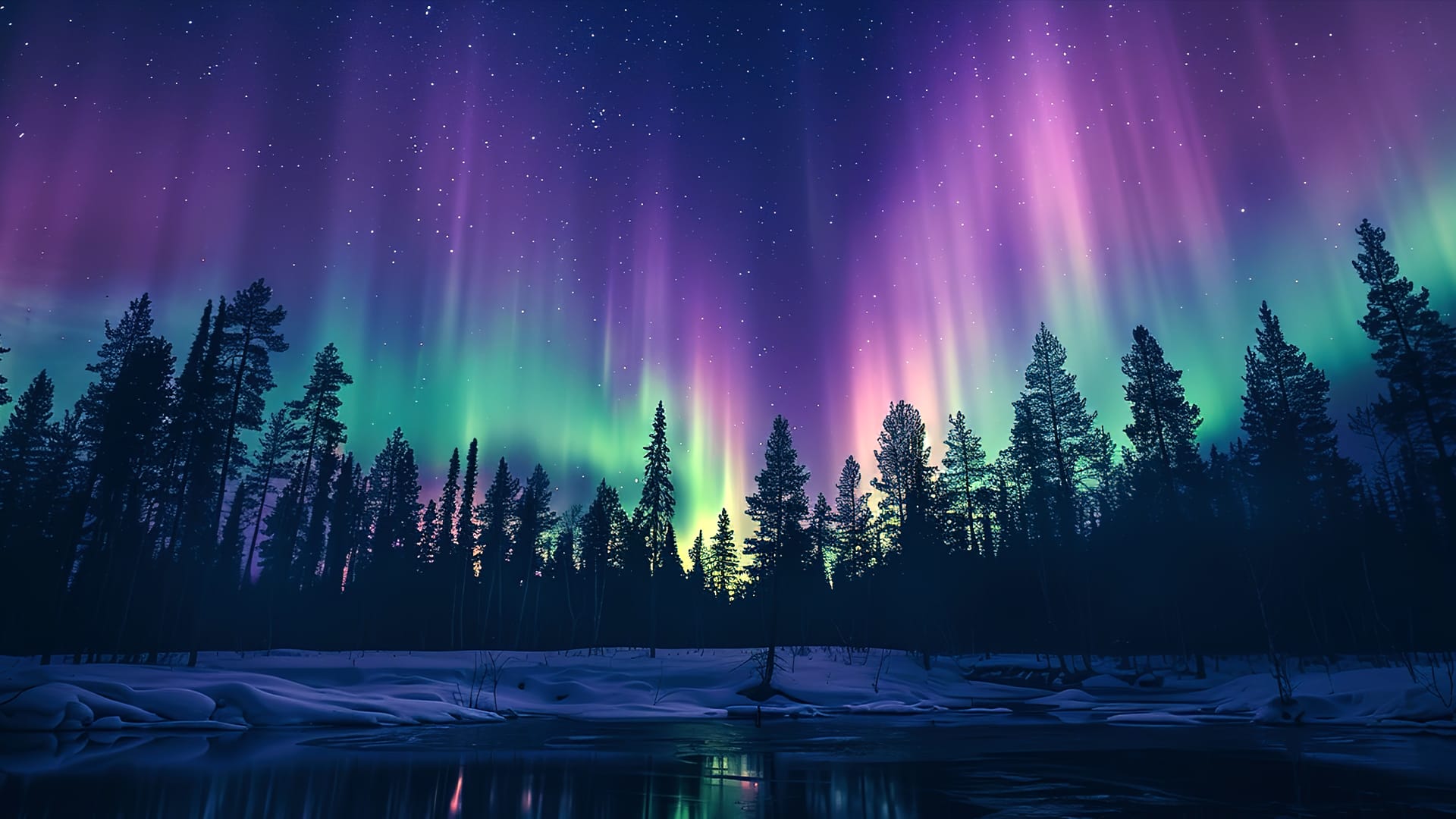
Aurora Explained: What Causes The Northern And Southern Lights?
Discover why now’s prime time for the northern and southern lights, what causes them, and where to see the “dancing lights.”

All About Pluto: Explore The Peculiar Dwarf Planet
How far is Pluto from the Earth? Why isn’t Pluto a planet? Read this article to get answers to these and many other questions!

Journey to the Sun: The Life Cycle, Observation, and Fun Facts
The Sun: just one of billions of stars in space but so crucial for life on Earth. Discover the features of our closest star, from its true color to the famous sunspots, and learn how to safely observe the Sun's stunning beauty!
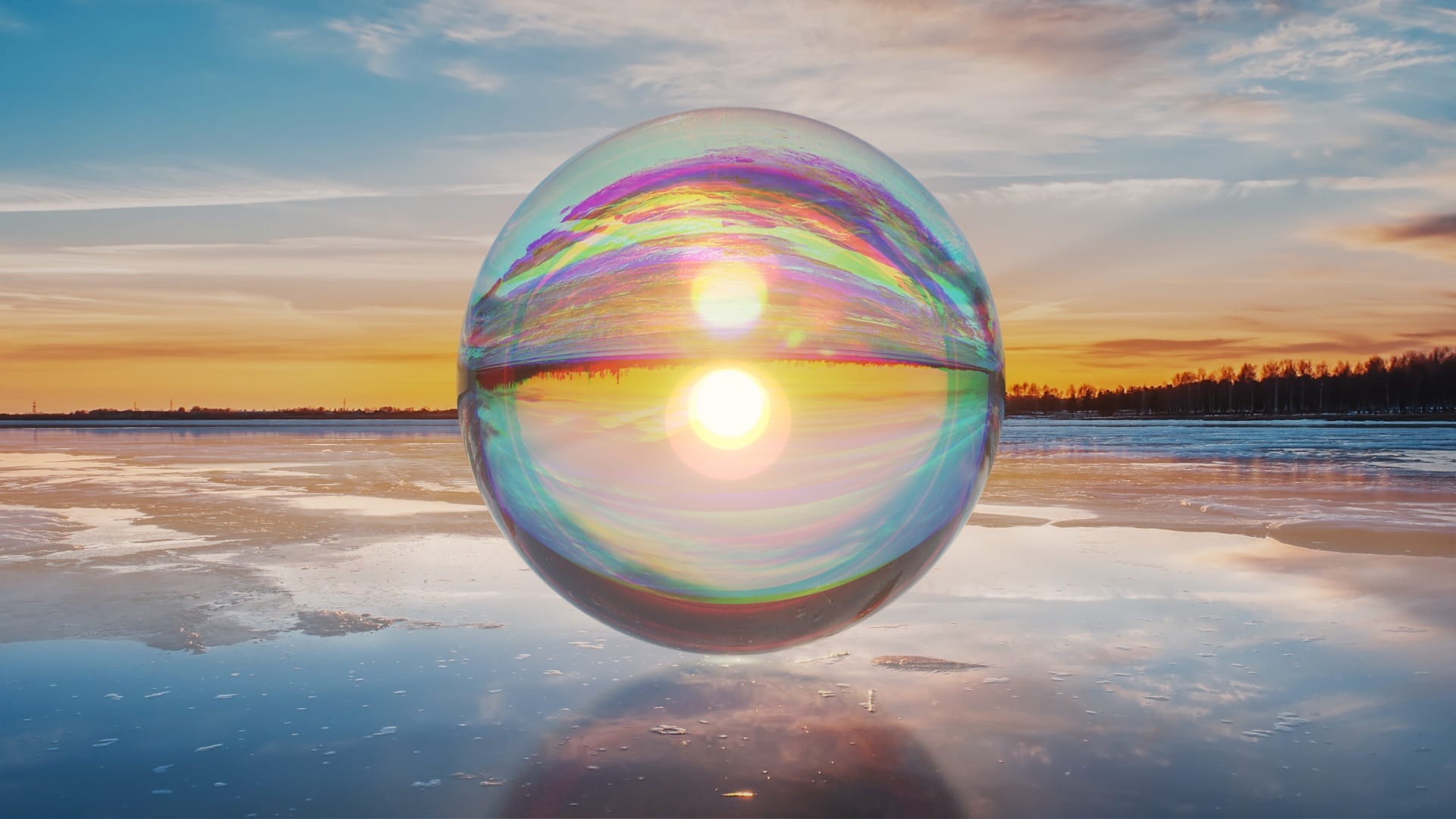
Atmospheric Refraction: 5 Surprising Ways It Changes What We See
Find out how atmospheric refraction flattens the Sun and Moon, shifts sunrise and sunset times, and creates the mysterious green flash near the horizon.
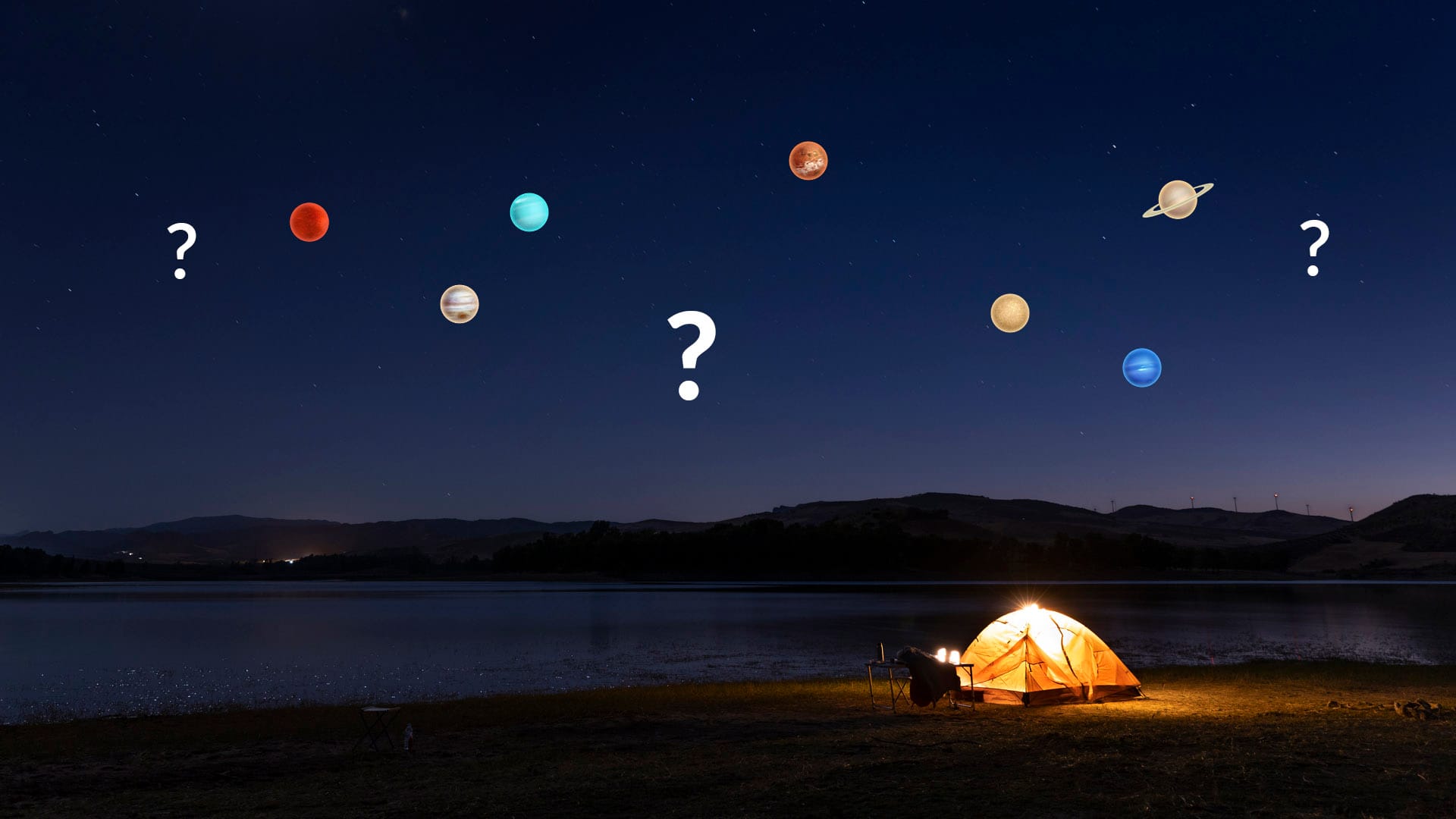
What Planets Are Visible Today? October 19–25, 2026 Sky Guide
Learn which planets are visible tonight, where to look, and when to see Mercury, Venus, Mars, Jupiter, Saturn, Uranus, and Neptune. Updated for October 19–25, 2026.
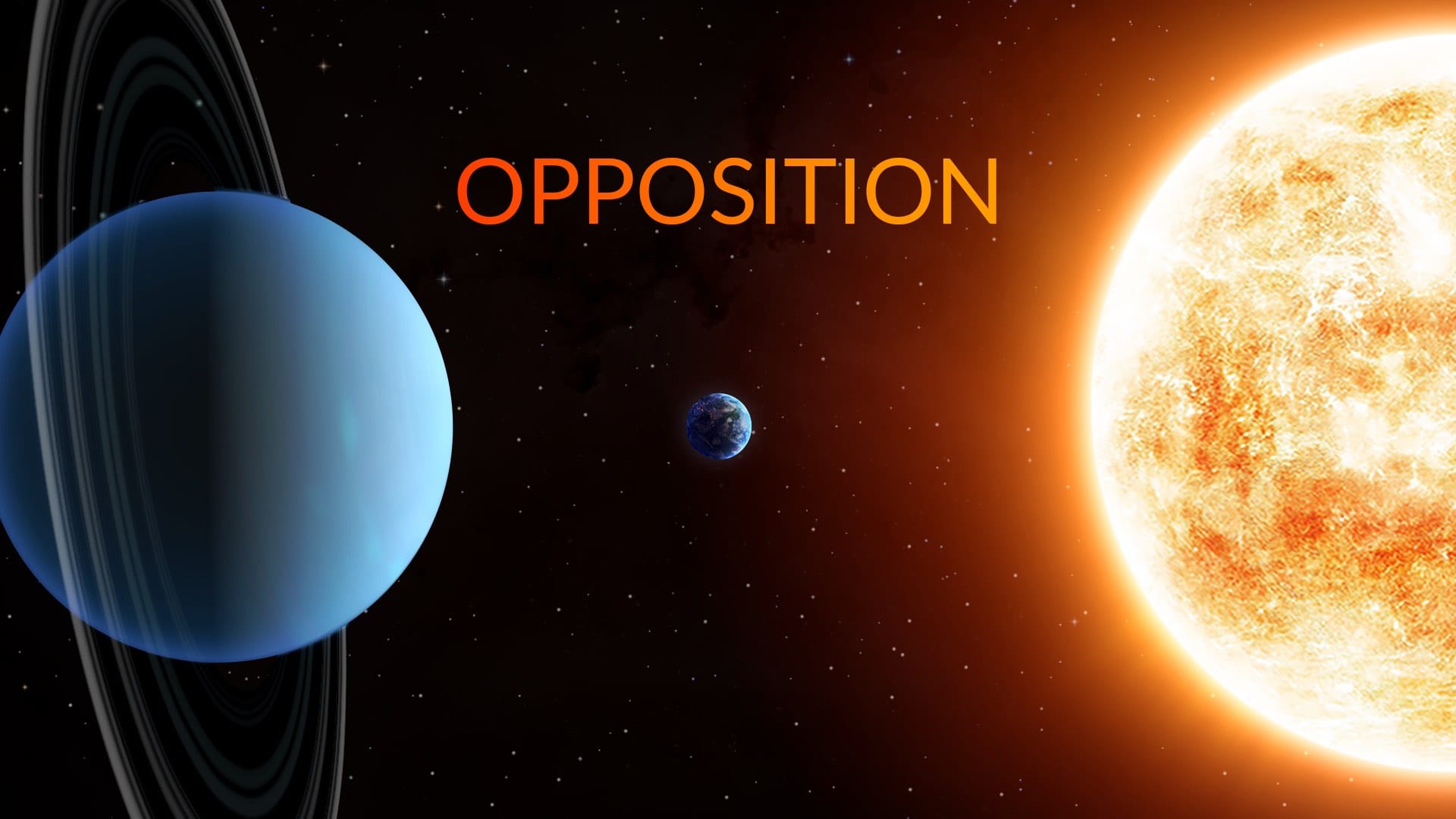
Planetary Oppositions 2026: Next Up Is Uranus
The best time to view most planets is at opposition. Find out what it means and when to see the upcoming oppositions.
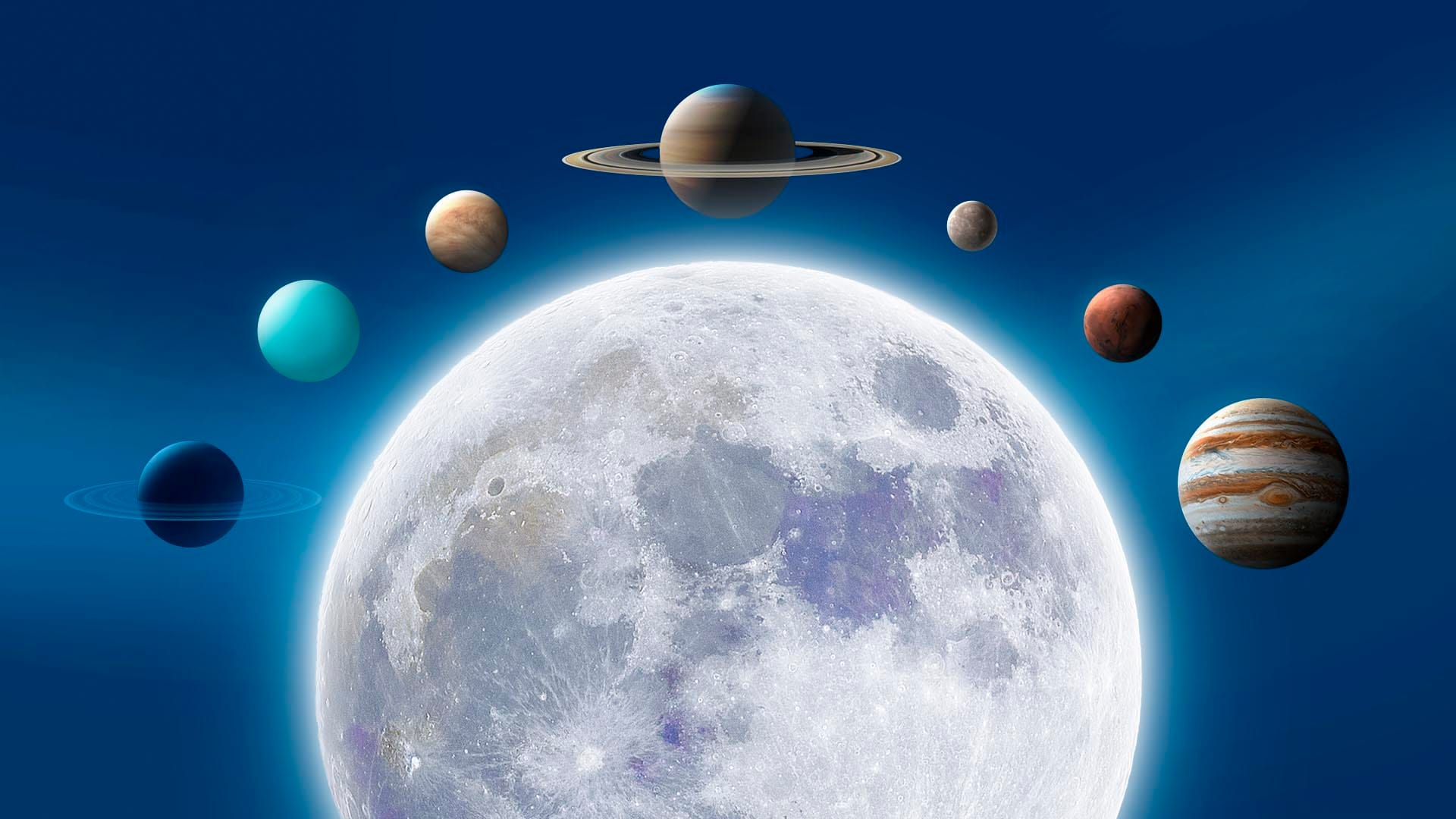
Bright “Star” Next to Moon: What Is Next to the Moon Tonight?
What is that bright dot shining near the Moon tonight? Find out about stars and planets that can be seen next to our natural satellite this month!
When & Where is Venus Visible in 2026? Observe the Brightest Planet
See when Venus is visible in 2026, how to find it in the sky, and why it shines so brightly. Learn key facts and upcoming events featuring Venus.
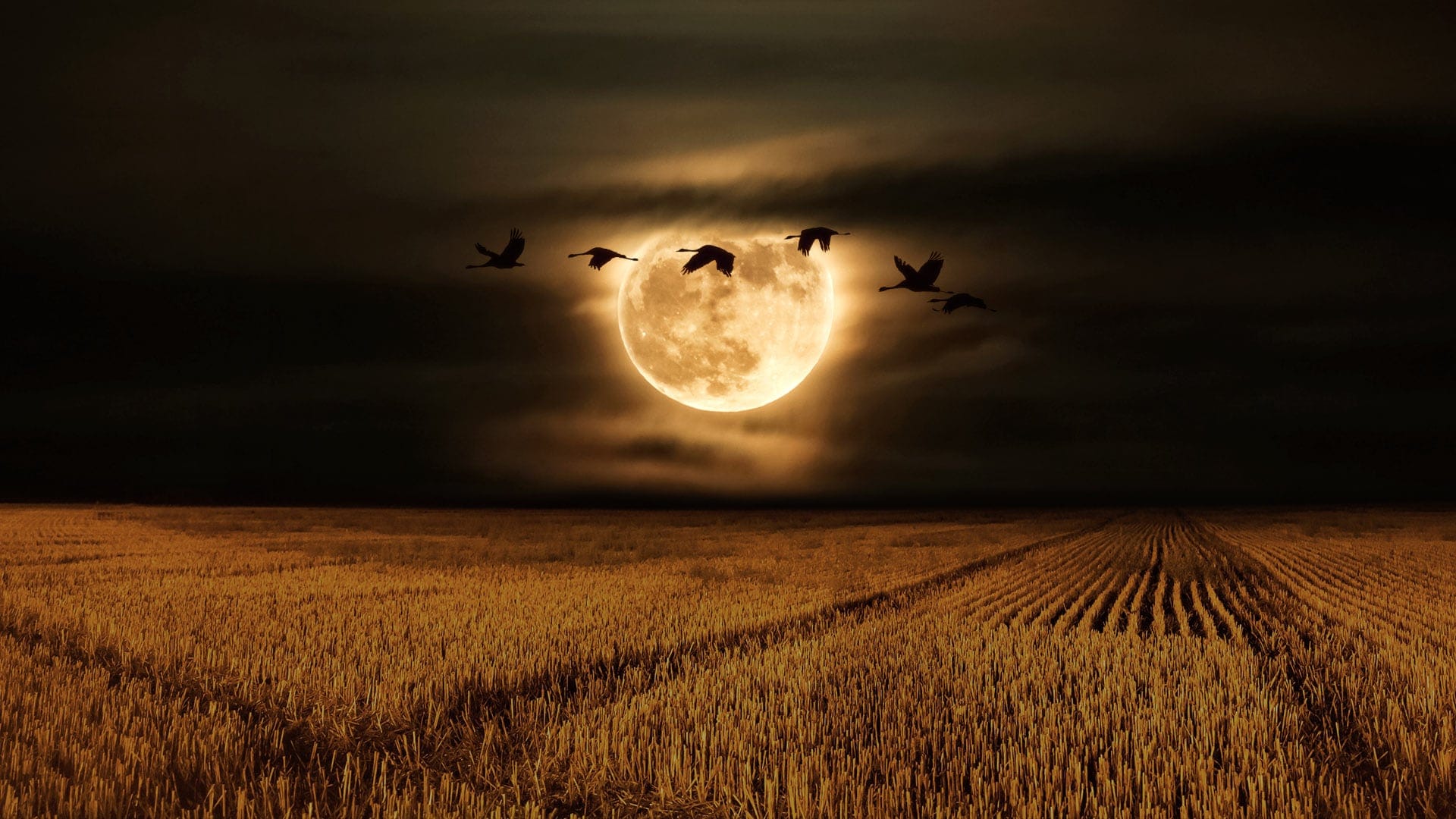
October Full Moon 2026 (Hunter’s Moon): Date, Time & Meaning
The October Full Moon (Hunter’s Moon) occurs on October 26, 2026. Learn the best time to see it, why it has this name, and what’s nearby.
Beehive Star Cluster in Cancer: Stars, Location, Mythology
Bright, beautiful, and easy to spot — the Beehive Cluster is a must-see. Learn how to find this star cluster and what makes it special.

Shooting Stars in March–June 2027: Gamma Normids, April Lyrids, Eta Aquariids and More
Check out the meteor shower calendar for March–June 2027: peak dates, viewing conditions, Moon illumination, and observation tips.

Mercury & Venus Greatest Elongations in 2026–2027: Best Morning and Evening Views
What is elongation, and what does it have to do with the planets’ visibility in the sky? Get familiar with the concept of elongation and learn how to choose the perfect time to observe the planets!