Best Deep-Sky Objects in May: Top Astrophotography Targets for Both Hemispheres

May brings a rich mix of astrophotography targets, whether you prefer galaxies, nebulae, or star clusters. In this article, we’ll guide you through the best deep-sky objects visible in May and highlight the top targets for different observing conditions, skill levels, and hemispheres. For a quick way to identify any sky object, try using the Sky Tonight astronomy app while observing. Let’s get started!
Contents
- Best Nebulae to See in May
- Best Star Clusters to See in May
- May Deep-Sky Objects: F.A.Q.
- Best Deep-Sky Objects to See and Photograph in May: Key Facts
Best Galaxies to See in May
Galaxies are huge groups of stars, gas, and dust held together by gravity. May is a great month to capture them, for it is the last month of the galaxy season in the Northern Hemisphere, when constellations containing numerous galaxies, such as Virgo, Canes Venatici, and Coma Berenices, are high in the sky. In the Southern Hemisphere, there are some bright galaxy targets to check out this month, too.
Smaller galaxies typically require longer focal lengths and precise tracking, though brighter, larger targets can also be captured with intermediate setups. In this list, we’ve placed the galaxies we find most appealing at the top, but your own favorites may be completely different. So don’t stop at the first few. Scroll through the full list and see which targets stand out to you.
Southern Pinwheel Galaxy
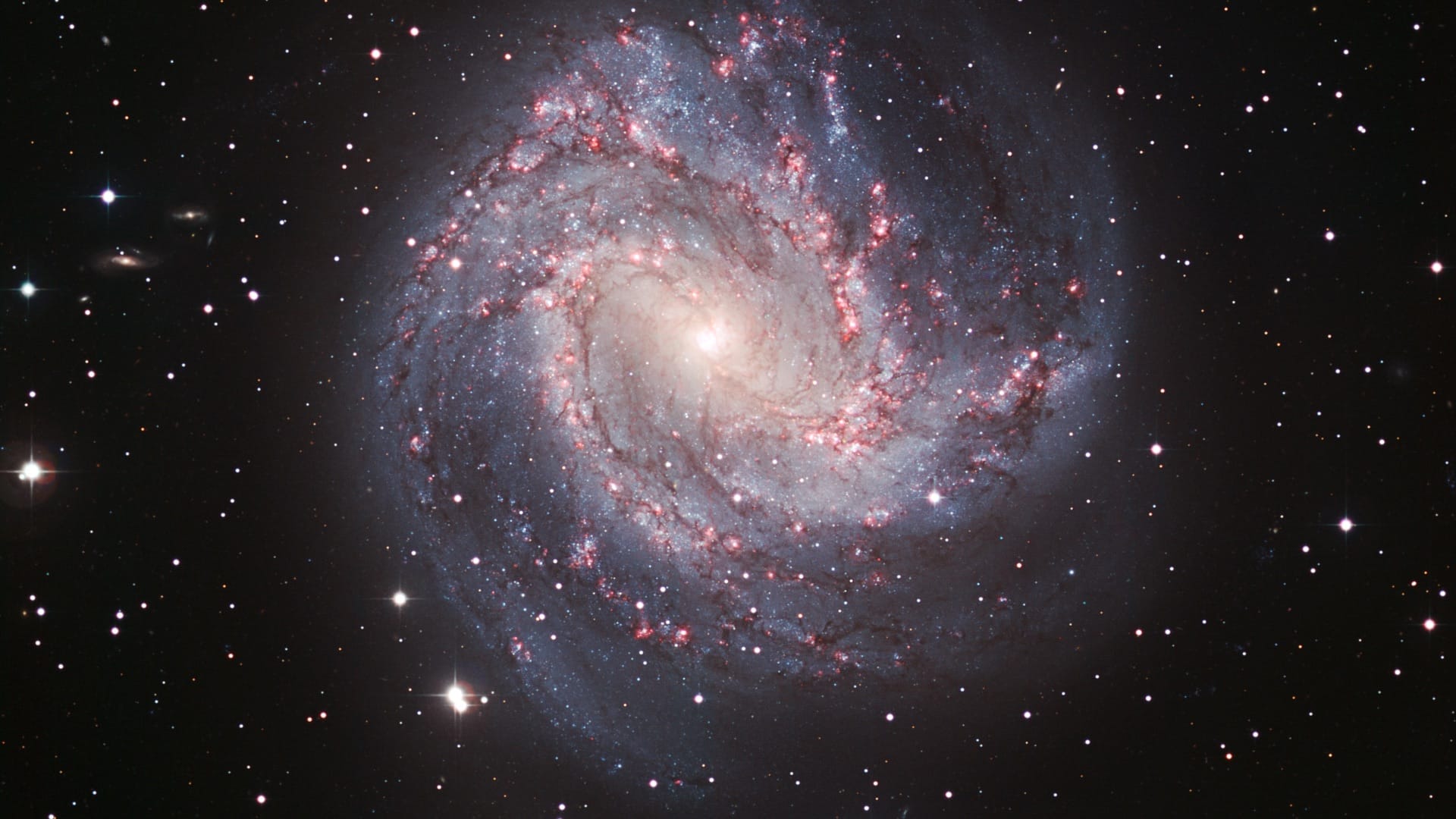
- Alternative names: M83, NGC 5236
- Apparent size: 12.9′ × 11.5′ (0.4 x Moon)
- Apparent magnitude: 7.6
- Constellation: Hydra
- Best observed from: Southern Hemisphere
- How to observe & photograph: The Southern Pinwheel Galaxy is a fantastic object to shoot in the southern sky because it is large, colorful, and bright. Using a medium-power telescope with about an 800mm focal length, you can capture the galaxy’s spiral arms. For visual observation, you can use simple 10x50 binoculars in areas away from light pollution – it will appear as a fuzzy patch with a bright center.
- Description: M83 is a barred spiral galaxy. It is one of the nearest and most luminous galaxies observable from Earth. Over the last century, six supernovae have been observed in M83 – only a handful of galaxies can boast that many supernovae.
Cat's Eye Galaxy
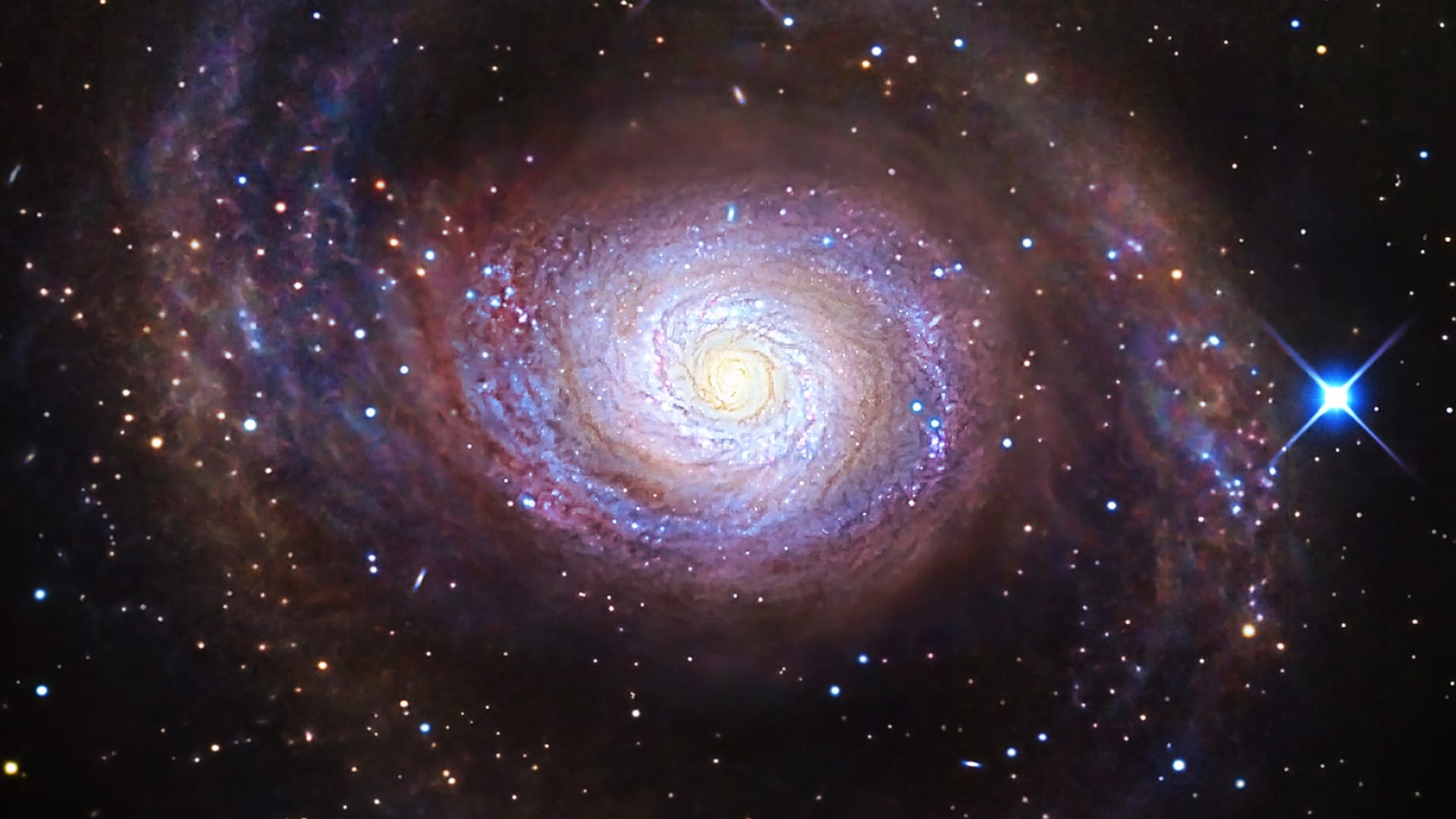
- Alternative names: M94, NGC 4736, Crocodile Eye Galaxy
- Apparent size: 11.2′ × 9.1′ (0.3 x Moon)
- Apparent magnitude: 8.2
- Constellation: Canes Venatici
- Best observed from: Northern Hemisphere
- How to observe & photograph: Under exceptionally dark and clear skies, the Cat’s Eye Galaxy is visible through binoculars as a small, dim patch of light. M94 is a good target to capture with small and medium telescopes because its bright central region is relatively easy to see, while longer exposure times can reveal more of the faint outer ring. Use a medium or long focal length to ensure the galaxy is not too small in the frame.
- Description: M94 is a barred spiral galaxy. It is the brightest member of the M94 group of galaxies in the constellation Canes Venatici, which contains about 20 galaxies. Another Messier object in the group is M64, also known as the Black Eye Galaxy (number 5 on our list).
M106
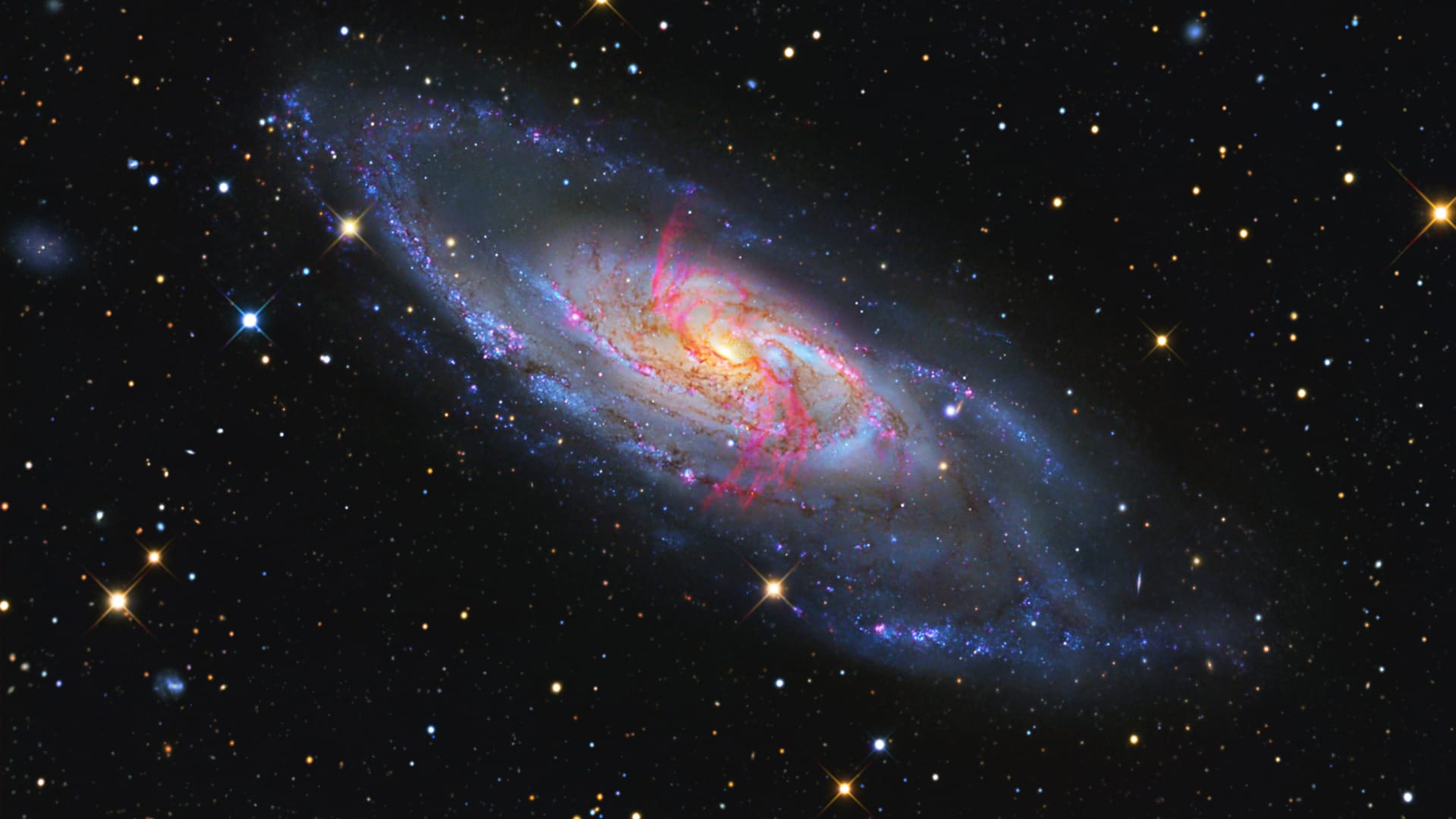
- Alternative names: NGC 4258
- Apparent size: 18.6′ × 7.2′ (0.6 x Moon)
- Apparent magnitude: 8.4
- Constellation: Canes Venatici
- Best observed from: Northern Hemisphere
- How to observe & photograph: M106 is bright enough to be spotted with 10×50 binoculars as a faint patch of light. Through small telescopes, you will see the galaxy’s brighter center, while large telescopes will reveal its spiral structure. A medium focal length is recommended for capturing the galaxy: it is wide enough to fit the galaxy comfortably but tight enough to show the bright central structure and elongated disk.
- Description: M106 is an intermediate spiral galaxy. It is one of the largest and brightest nearby galaxies, similar in size and luminosity to the Andromeda Galaxy.
Black Eye Galaxy
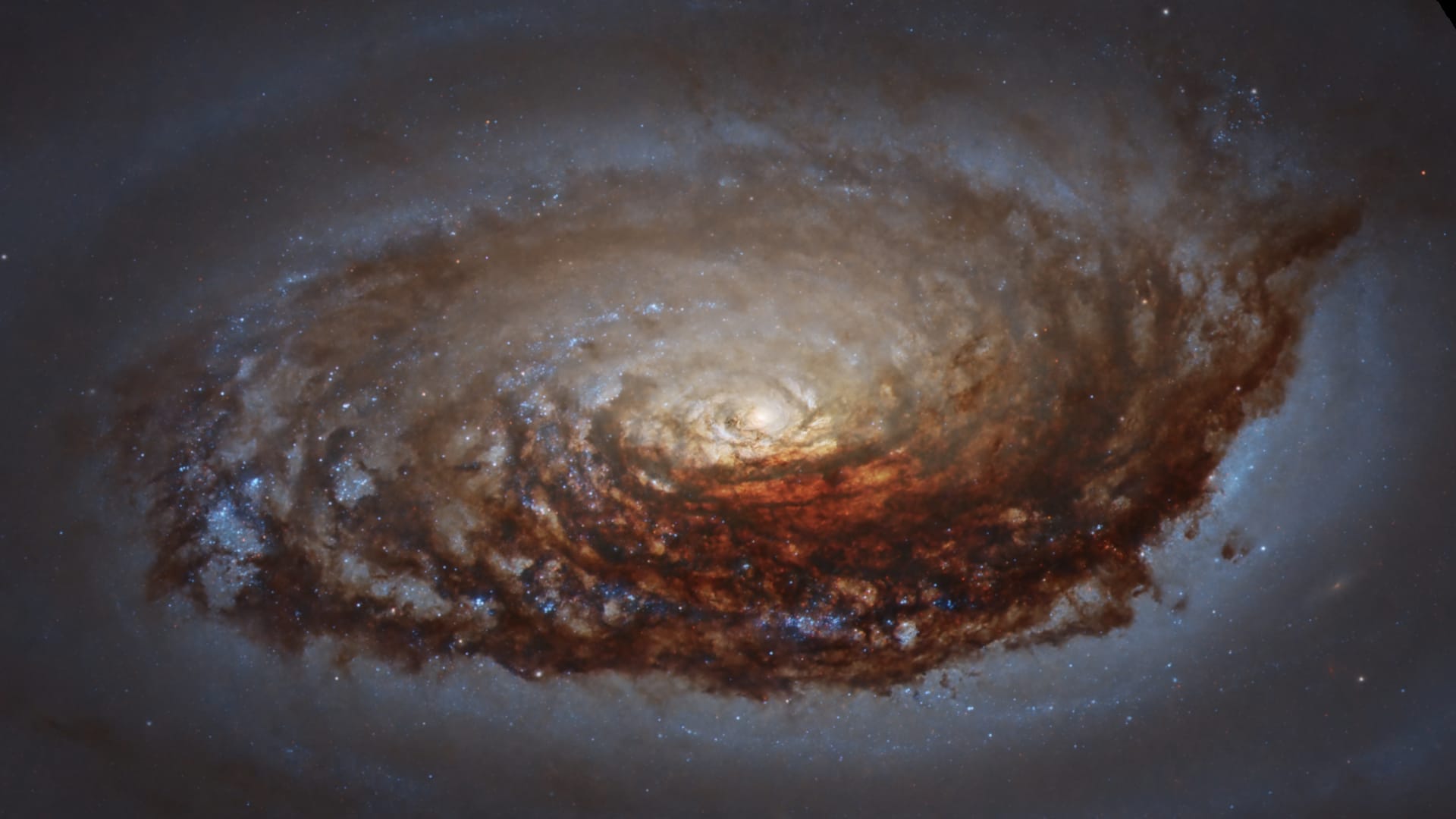
- Alternative names: M64, NGC 4826, Sleeping Beauty Galaxy, Evil Eye Galaxy
- Apparent size: 10.7′ × 5.1′ (0.3 x Moon)
- Apparent magnitude: 8.5
- Constellation: Coma Berenices
- Best observed from: Northern Hemisphere
- How to observe & photograph: You can see the Black Eye Galaxy with 10x50 binoculars or a small telescope – it will appear as a faint, elongated glow. Use a large telescope to see the galaxy's signature dark lane of dust. M64 is best photographed with a medium or long focal length. Use a tracking mount and combine multiple shots with varied exposures to more clearly capture its dark dust band in one final image.
- Description: M64 is a spiral galaxy. It received its nickname due to a dark band of dust surrounding its bright nucleus. It’s a popular object among amateur astronomers.
Sunflower Galaxy
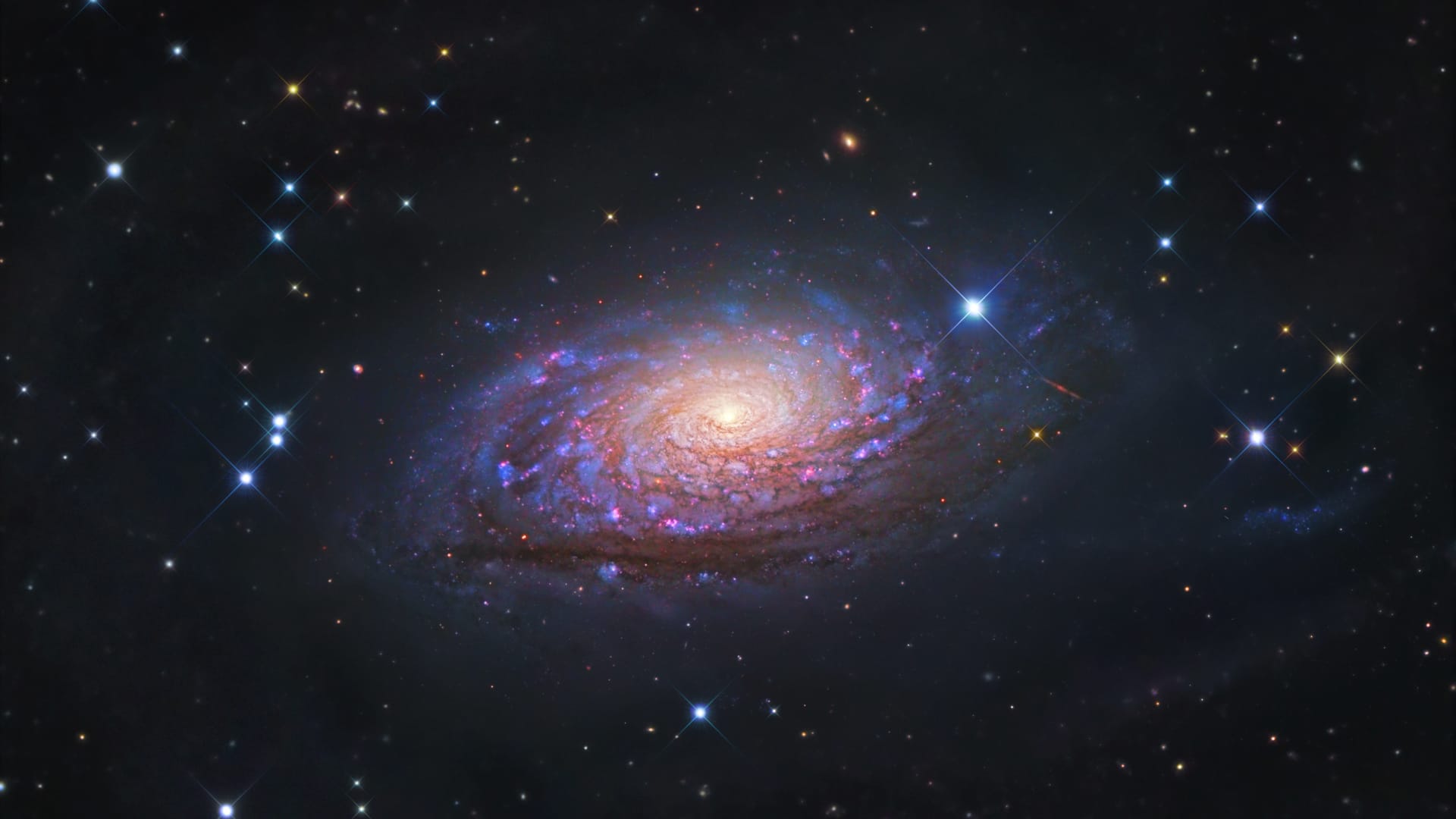
- Alternative names: M63, NGC 5055
- Apparent size: 12.6′ × 7.2′ (0.4 x Moon)
- Apparent magnitude: 8.5
- Constellation: Canes Venatici
- Best observed from: Northern Hemisphere
- How to observe & photograph: It is possible to spot the Sunflower galaxy with binoculars – it will appear as a small, hazy patch of light. A small telescope will reveal it to be a galaxy, but its structure will not be visible. M63 is a rewarding astrophotography target with plenty of fine detail. While it is not especially difficult to photograph, beginners may find it challenging due to its small size and bright core, which can outshine the fainter outer structure. Collecting 3-4 hours of total exposure time helps bring out more detail in the spiral arms.
- Description: M63 is a so-called flocculent galaxy – a spiral galaxy without well-defined arms. In 1971, a supernova with a magnitude of 11.8 was observed in one of the galaxy’s arms.
Whale Galaxy
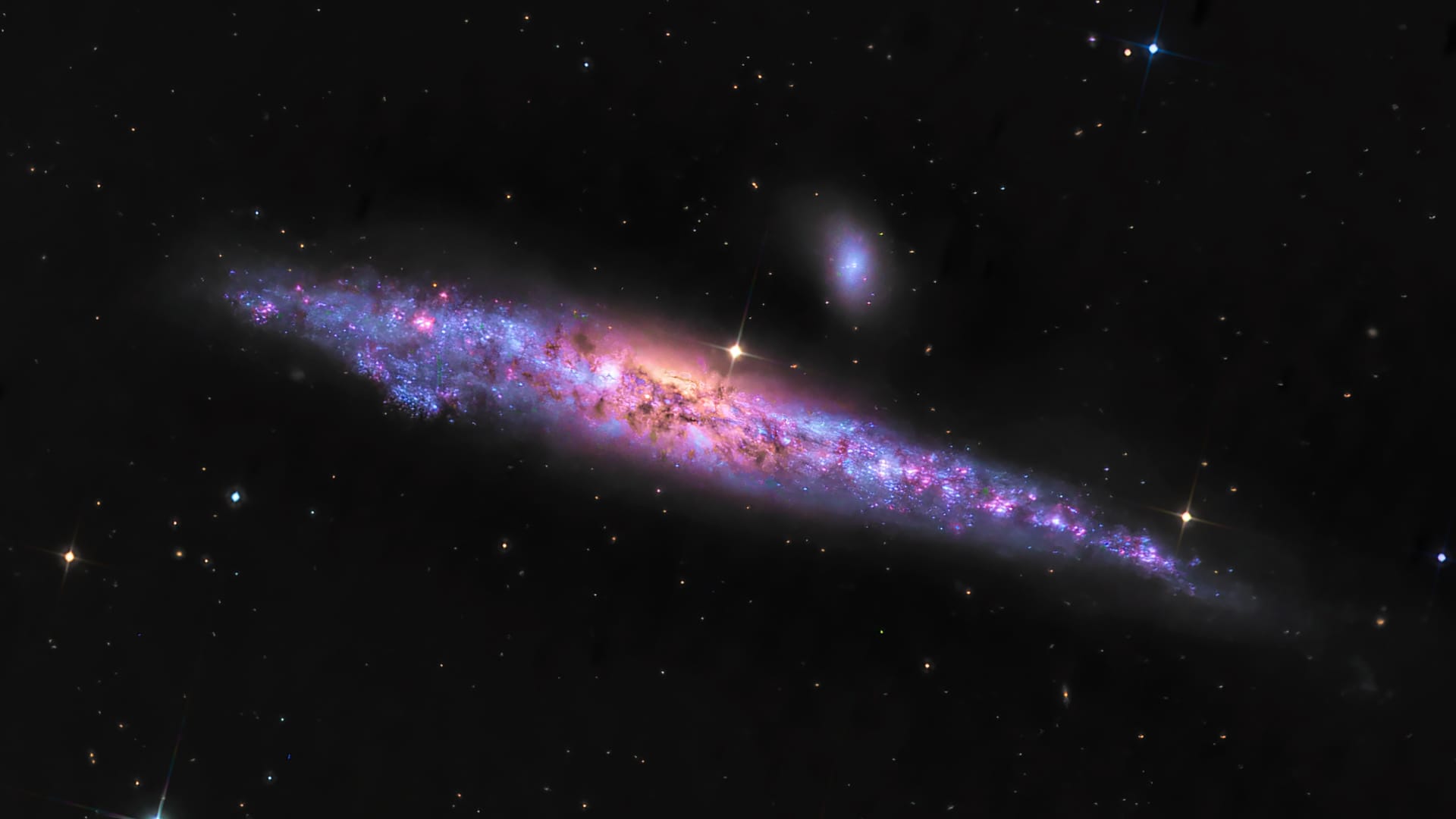
- Alternative names: NGC 4631, Caldwell 32
- Apparent size: 15.5′ × 2.7′ (0.5 x Moon)
- Apparent magnitude: 9.8
- Constellation: Canes Venatici
- Best observed from: Northern Hemisphere
- How to observe & photograph: You can try to spot the Whale Galaxy through large binoculars, but it’s better to use a telescope. A medium-sized one will allow you to see the intricate structure of the galaxy from edge-on, including its core, dust clouds, and the many bright star clusters scattered throughout it. When capturing the Whale Galaxy, leave some room around the target, since its stretched profile benefits from a frame that shows the full galaxy rather than cropping it too tightly.
- Description: NGC 4631 is a barred spiral galaxy. It received the nickname “Whale Galaxy” due to its wedge-like shape. The galaxy is approximately the same size as our own Milky Way Galaxy.
Mirror Galaxy
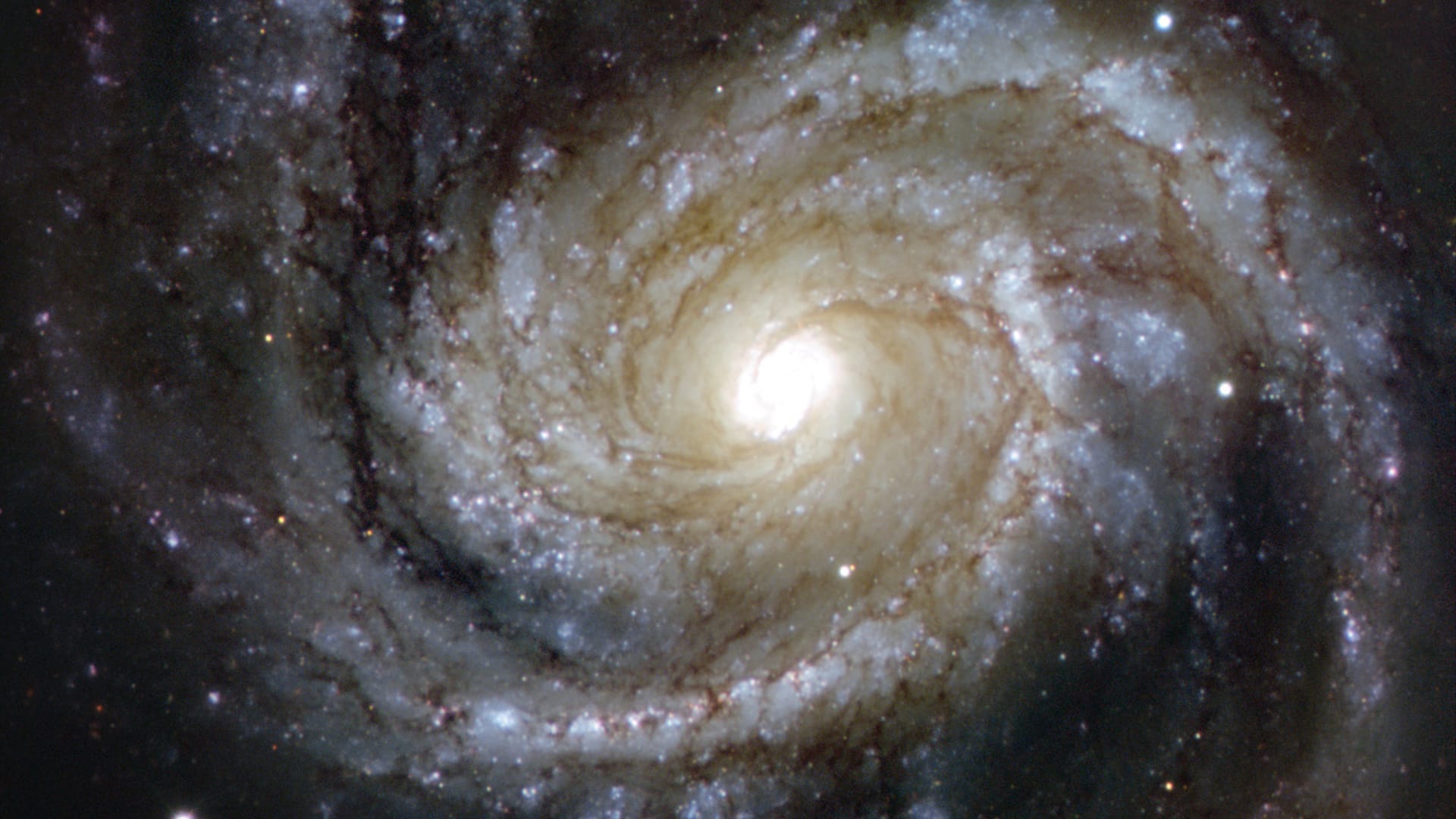

- Alternative names: M100, NGC 4321, Blowdryer Galaxy
- Apparent size: 7.4′ × 6.3′ (0.2 x Moon)
- Apparent magnitude: 9.3
- Constellation: Coma Berenices
- Best observed from: Northern Hemisphere
- How to observe & photograph: You can spot M100 with 20×80 binoculars or small telescopes – it will appear as a faint, hazy patch of light. Medium-sized telescopes will show you the galaxy’s bright core. Use at least a medium focal length; long focal lengths work even better if you want to reveal arm detail. Avoid overcropping the frame – a wider shot may also include nearby companions, such as NGC 4323 and NGC 4328, which will give your galaxy picture a unique look.
- Description: M100 is a vivid example of an intermediate grand-design spiral galaxy. It is one of the brightest and largest galaxies in the Virgo Cluster, characterized by strong star formation activity.
St. Catherine's Wheel Galaxy
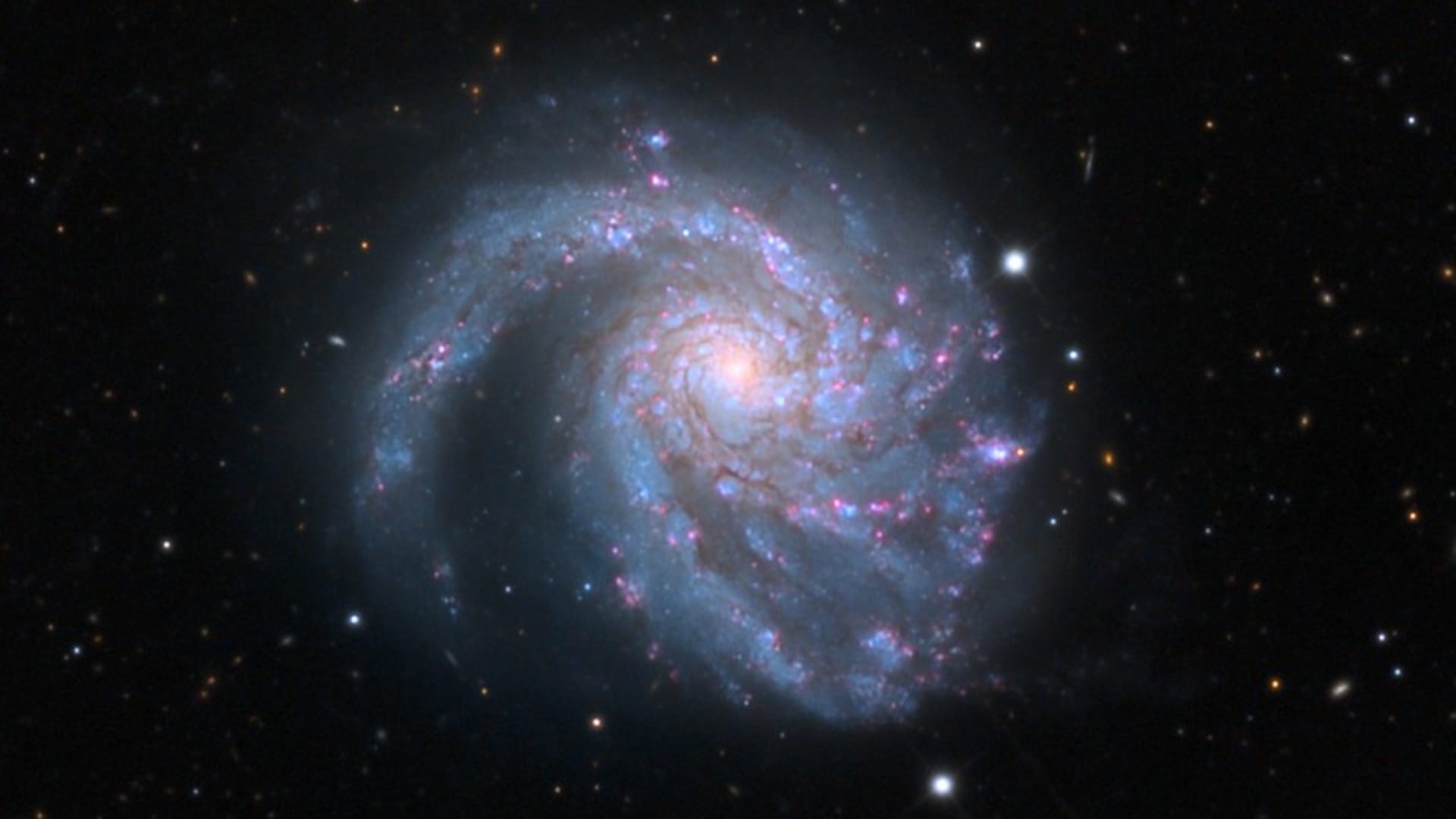

- Alternative names: M99, NGC 4254, Coma Pinwheel Galaxy
- Apparent size: 5.4′ × 4.7′ (0.2 x Moon)
- Apparent magnitude: 9.9
- Constellation: Coma Berenices
- Best observed from: Northern Hemisphere
- How to observe & photograph: M99 can be seen in small telescopes but will only appear as a dim patch of light with a brighter center. If you want to see the galaxy's spiral structure, use a large telescope. M99 is a relatively small, face-on galaxy that looks better with a medium or long focal length than with a wide-field setup. Its asymmetrical spiral arms look fascinating in the shots.
- Description: M99 is a grand-design spiral galaxy located in the Virgo Cluster. It is slightly asymmetric in shape, probably due to interactions with other galaxies. M99 is one of the brighter spiral galaxies in the Virgo Cluster and is oriented so that its spiral structure is fully visible. This makes it a popular target for both professional and amateur astronomers.
Spindle Galaxy
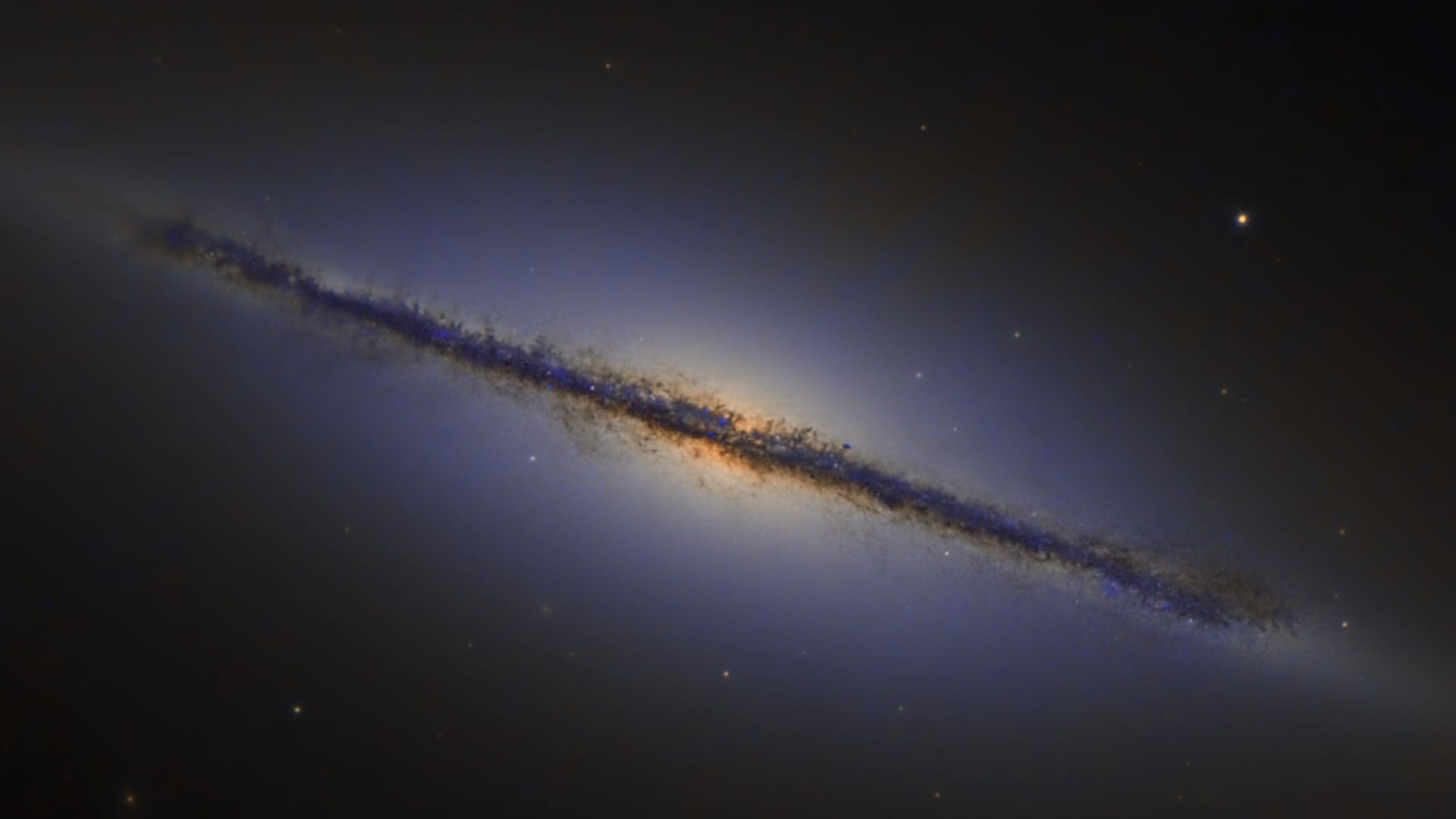
- Alternative names: M102, NGC 5866
- Apparent size: 4.7′ x 1.9′ (0.1 x Moon)
- Apparent magnitude: 9.9
- Constellation: Draco
- Best observed from: Northern Hemisphere
- How to observe & photograph: The Spindle Galaxy’s small size and edge-on orientation make it challenging to see even through small telescopes. So, use a large telescope for its observation. In astrophotography, the galaxy looks best with a longer focal length and accurate tracking. Instead of using a very wide field, keep the framing tighter and collect enough total exposure time to bring out the galaxy’s thin, dusty disk.
- Description: NGC 5866 is a lenticular galaxy, which is an intermediate type between an elliptical and a spiral galaxy. One of the most intriguing features of NGC 5866 is the extended dust disk, which is very rare for lenticular galaxies. Some scientists even think that NGC 5866 is a spiral galaxy that was misclassified due to its edge-on orientation.
Best Nebulae to See in May
Nebulae are vast clouds of gas and dust where stars are born or remnants of dead stars. Nebulae can be some of the most visually striking astrophotography targets in May, especially for observers under dark skies. The bright emission nebulae are usually the easiest starting point, while compact planetary nebulae make better targets for more advanced setups.
Carina Nebula
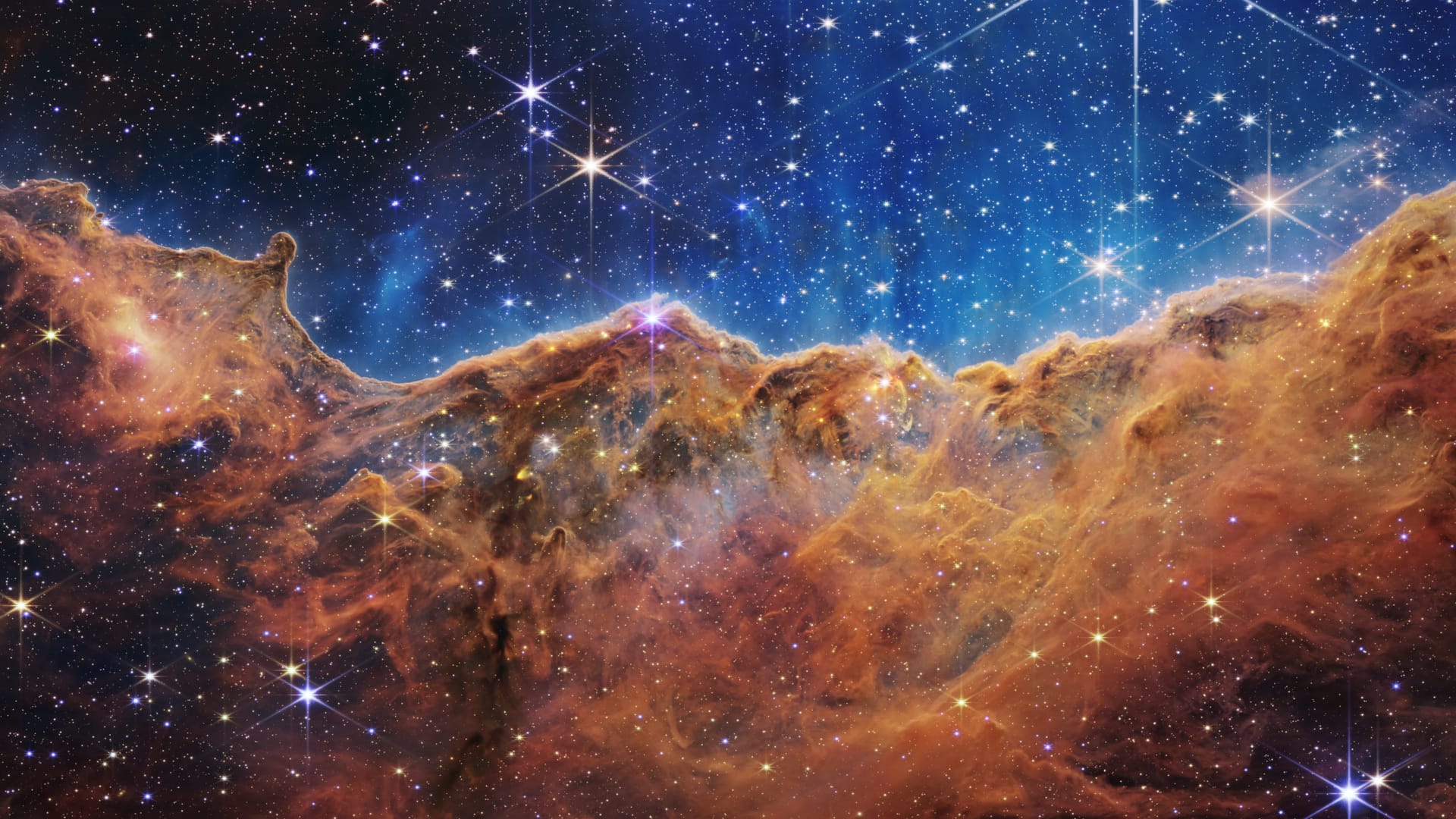
- Alternative names: NGC 3372, Caldwell 92, Eta Carinae Nebula, Great Carina Nebula
- Apparent size: 120′ × 120′ (4 x Moon)
- Apparent magnitude: 1.0
- Constellation: Carina
- Best observed from: Southern Hemisphere
- How to observe & photograph: The Carina Nebula is so big and bright that you can see it with the naked eye – it will look like a fuzzy patch. Still, we advise using binoculars – the nebula will look much more impressive. Even 30-second exposures can capture a surprising amount of detail of the Carina Nebula. To reveal the nebula's glowing gas more clearly, astrophotographers often use narrowband filters, which help bring out the nebula's emission lines.
- Description: NGC 3372 is one of the largest nebulae in the sky – four times larger than the Orion Nebula! Near the heart of the nebula lies Eta Carinae – a system of at least two stars, the largest of which is around 100 times as massive as the Sun. Stars of this size are extremely rare!
NGC 5882
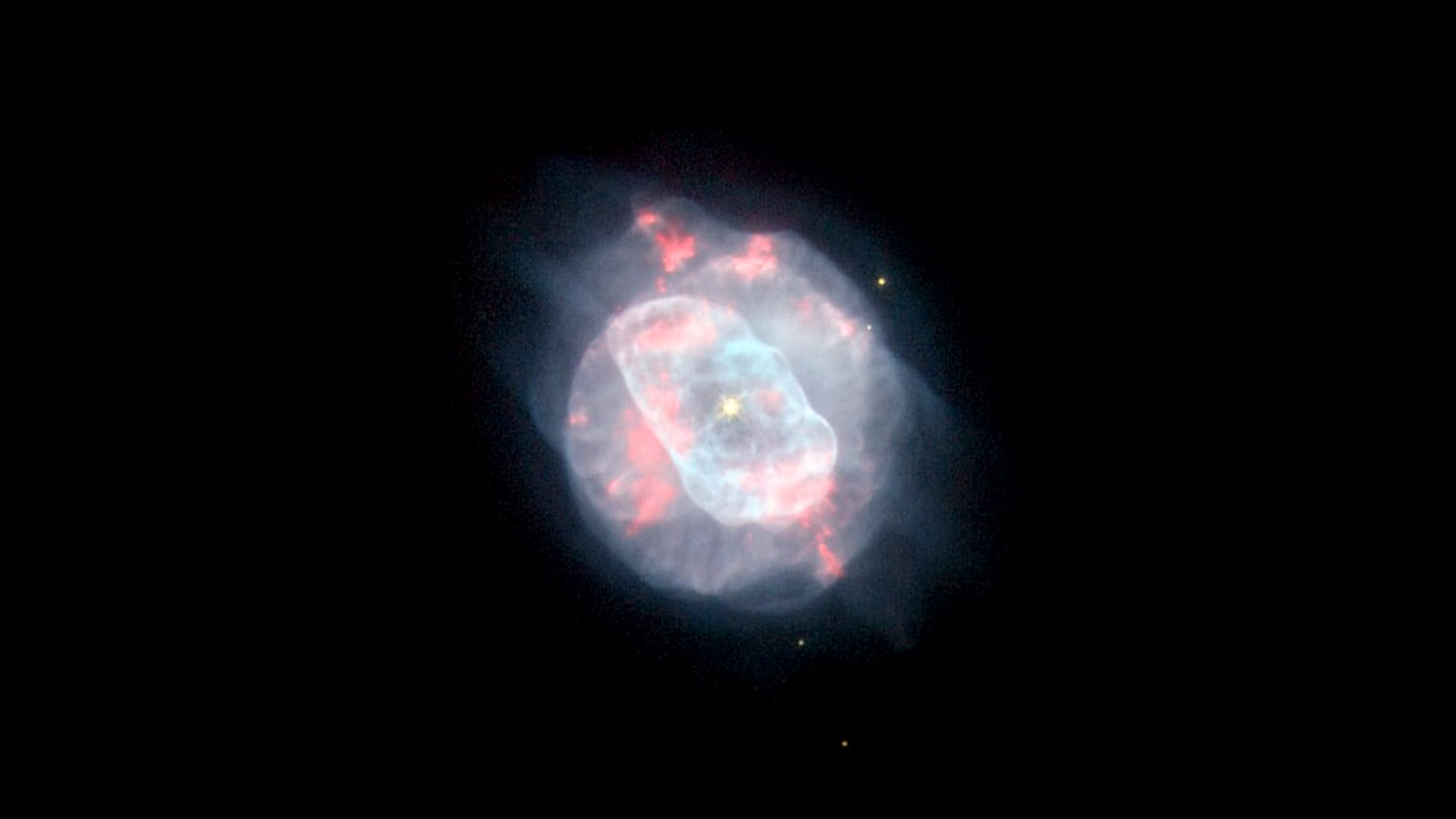
- Alternative names: ESO 274-7, IC 1108
- Apparent size: 13.98″ (0.007 x Moon)
- Apparent magnitude: 10.1
- Constellation: Lupus
- Best observed from: Southern Hemisphere
- How to observe & photograph: NGC 5882 is best observed with a telescope. The nebula can appear blue-green to most observers and in astrophotography. The most visible part measures approximately 7 arcseconds across. To get a good view of its circular shell, you'll need an 11-inch telescope at high magnification (250x or more).
- Description: NGC 5882 is a planetary nebula discovered by English astronomer John Herschel in 1834.
Iris Nebula
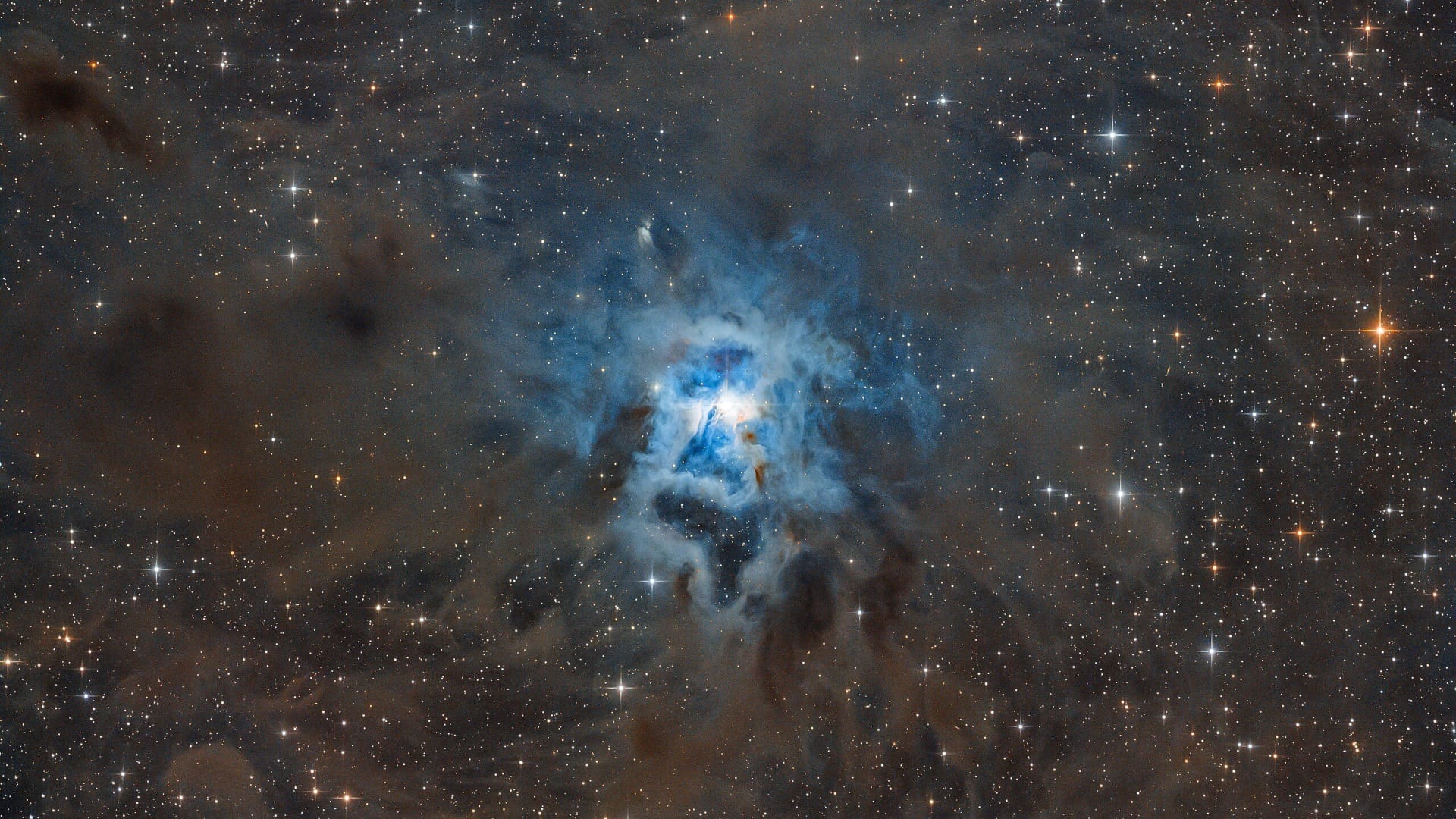

- Alternative names: NGC 7023, Caldwell 4
- Apparent size: 18′ x 18′ (0.6 x Moon)
- Apparent magnitude: 6.8
- Constellation: Cepheus
- Best observed from: Northern Hemisphere
- How to observe & photograph: Despite its relatively low magnitude, the Iris Nebula is invisible to the naked eye or binoculars. It is best seen in dark skies with a moderate to large telescope. In astrophotography, it is usually better to preserve the nebula’s dusty blue reflection structure than to push the magnification too hard. This makes the nebula a good target for a short-to-medium-focal-length setup.
- Description: The Iris Nebula is a reflection nebula discovered by astronomer William Herschel in 1794. It is illuminated by a magnitude 7.4 star designated HD 200775.
Best Star Clusters to See in May
Star clusters are groups of stars that are bound together by gravity. They are excellent targets for both amateur astronomers and astrophotographers, as their beauty and structure are readily visible and easily captured.
M4
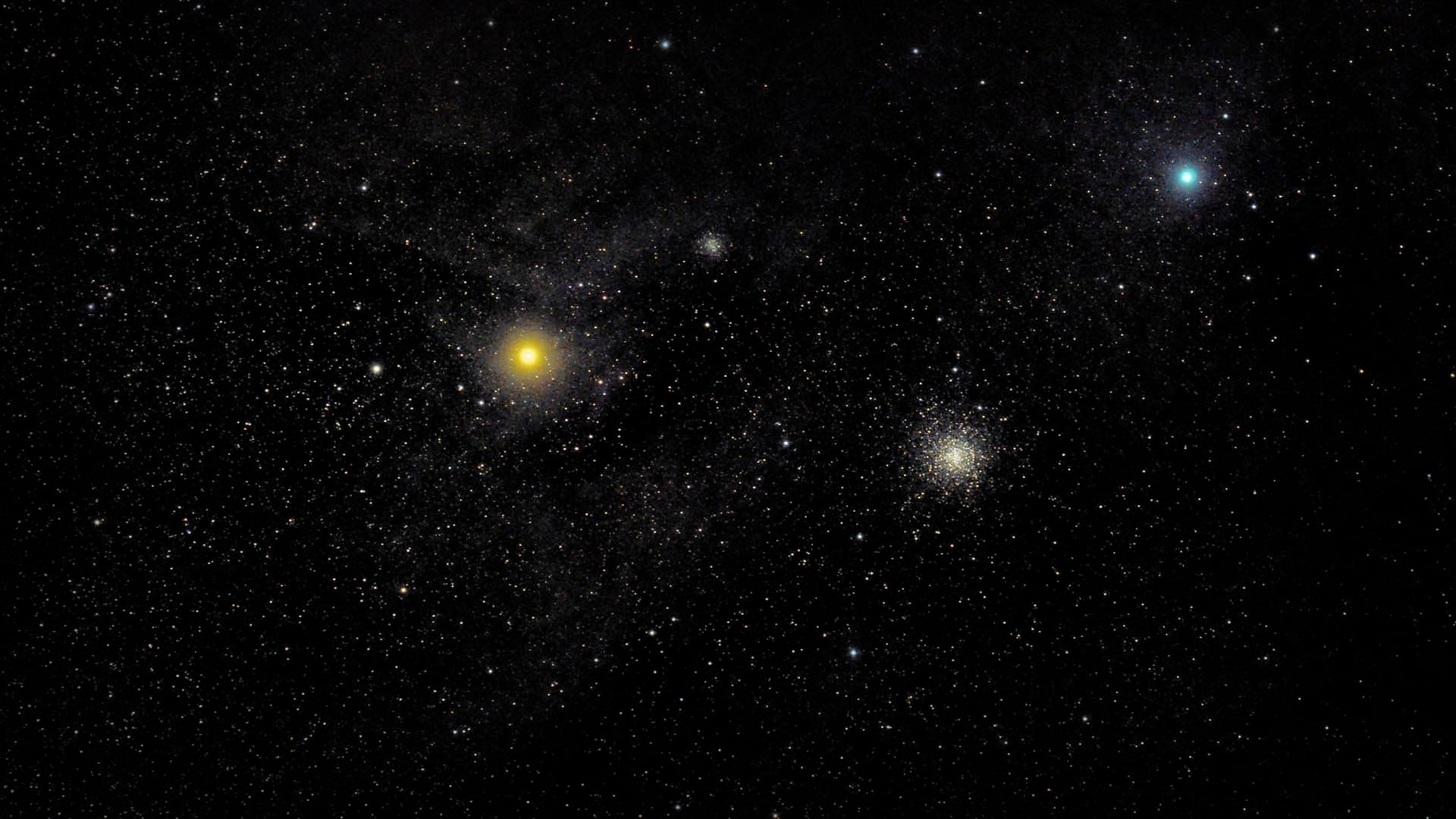
- Alternative names: NGC 6121, Mel 144
- Apparent size: 26′ (0.9 x Moon)
- Apparent magnitude: 5.7
- Constellation: Scorpius
- Best observed from: Southern Hemisphere
- How to observe & photograph: M4 is one of the easiest clusters to see: you can find it near the bright star Antares. It can be seen with binoculars, but a small to medium-sized telescope (approximately 4 inches or larger) will provide a clearer view. M4 can be photographed as a separate globular cluster target, but it becomes much more interesting in a wide-field image that also includes Antares and the surrounding faint gas of the Rho Ophiuchi cloud complex. The cluster itself is fairly easy to capture, but to bring out the colorful nebulosity around Antares, you’ll need darker skies, longer total exposure, and enough altitude above the horizon for cleaner data.
- Description: M4 is a globular cluster discovered by Philippe Loys de Chéseaux in 1745. It was the first globular cluster ever to be resolved.
M80
- Alternative names: NGC 6093, Mel 142
- Apparent size: 10′00″ (0.3 x Moon)
- Apparent magnitude: 7.8
- Constellation: Scorpius
- Best observed from: Southern Hemisphere
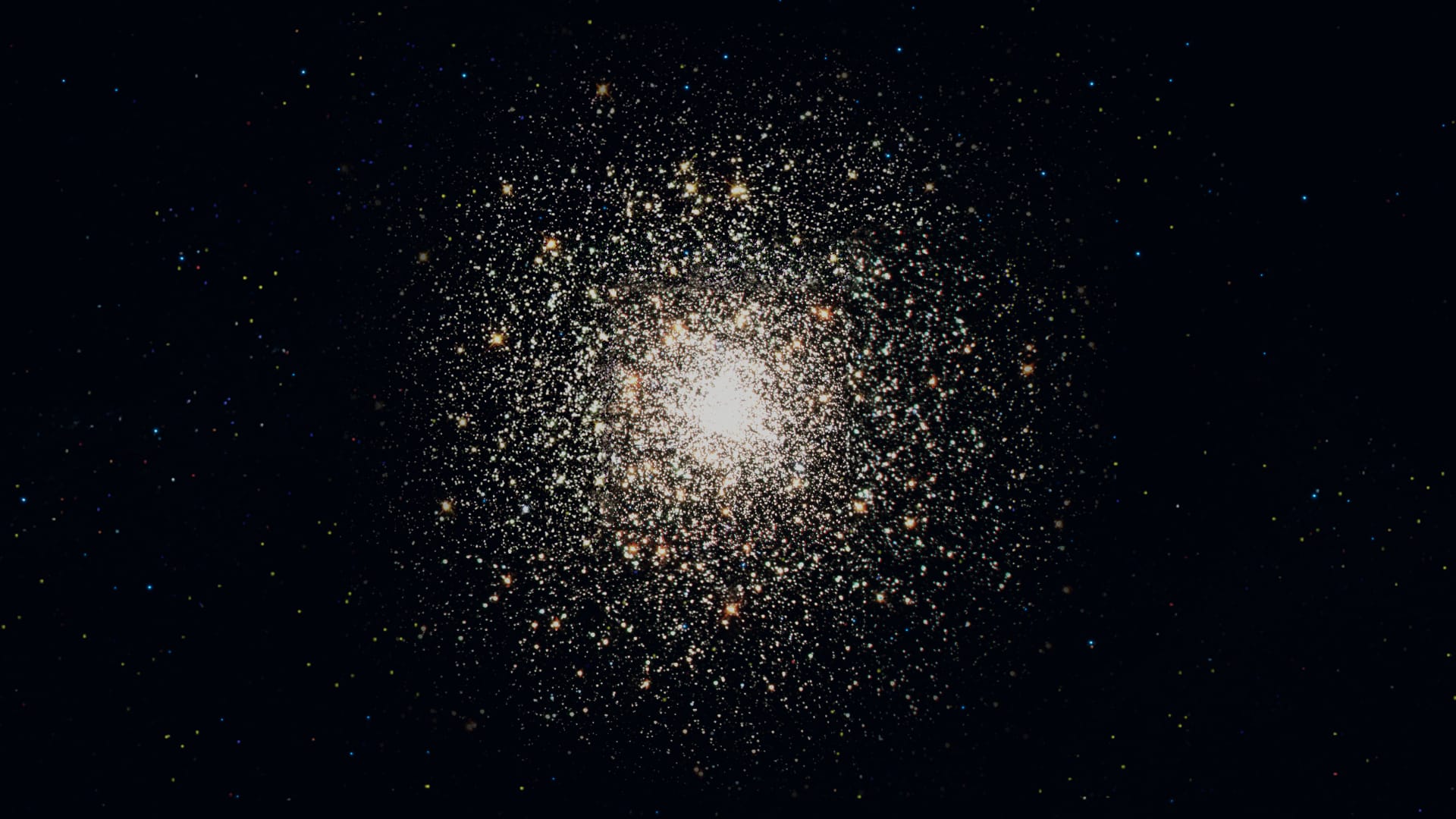
- How to observe & photograph: M80 is a small but relatively bright globular cluster that can be seen with binoculars or a small telescope. M80's dense core makes it one of the most visible and striking globular clusters for visual observation and photography.
- Description: M80 is a globular cluster discovered by Charles Messier in 1781. Messier described it as “one of the richest and most compressed clusters of small stars I remember to have seen.”
M5
- Alternative names: NGC 5904, Mel 133
- Apparent size: 22′59″ (0.8 x Moon)
- Apparent magnitude: 6.6
- Constellation: Serpens Caput
- Best observed from: both hemispheres
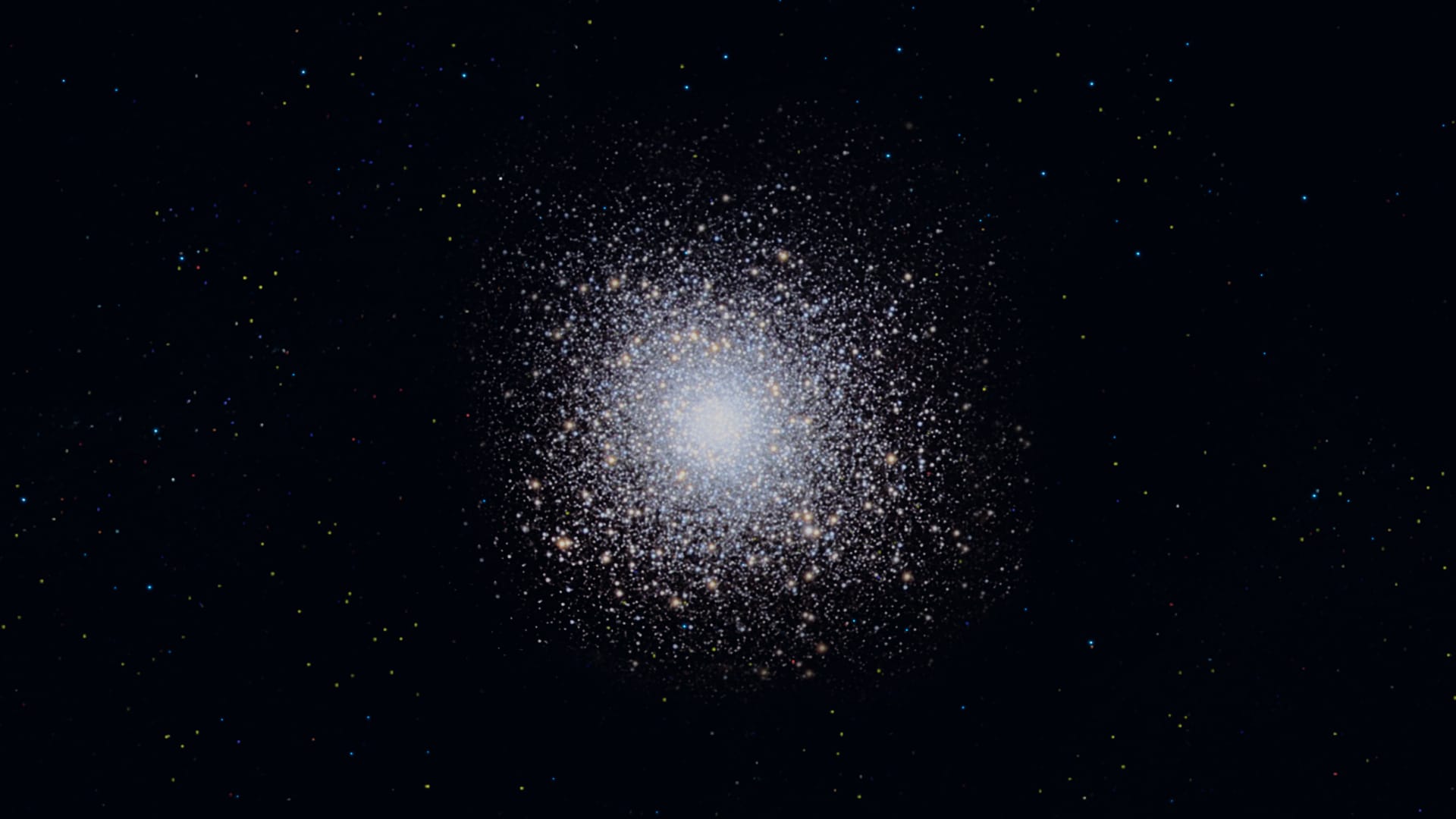
- How to observe & photograph: M5 stands out because it is noticeably elliptical, which is an unusual feature for a globular cluster. The brightest stars in the cluster are around 12th magnitude. M5 is easily visible through binoculars, but a small to medium-sized telescope (approximately 4 inches or larger) will provide a better view. M5 is also relatively easy to capture. Although it is more popular for visual observing than for imaging, it can produce a beautiful photo, especially at a medium focal length, which shows both its dense core and outer stars.
- Description: M5 is a globular cluster discovered by Gottfried Kirch in 1702. William Herschel was the first to resolve individual stars in the cluster in 1791, counting roughly 200. Almost 300 years later, the Hubble Space Telescope captured M5 with visible and infrared cameras. The image features over 100,000 stars.
May Deep-Sky Objects: F.A.Q.
What is a deep-sky object?
Deep-sky objects (DSOs) refer to astronomical objects located outside our Solar System, such as galaxies, nebulae, and star clusters. Unlike individual stars, they usually appear as extended or diffuse objects in the sky. Unlike stars, which appear as points of light, deep-sky objects have more complex structures and can range from small and faint to large and bright.
What do deep-sky object names mean?
Deep-sky objects are often labeled with M or NGC — two of the most widely used catalog designations in astronomy. M stands for the Messier Catalog, while NGC refers to the New General Catalog. If you’d like to learn more about these and other celestial designations, take a look at our full guide to astronomical catalogs.
What are the best astrophotography targets in May?
The best astrophotography targets in May depend on your location and equipment, but some of the exciting picks include the Southern Pinwheel Galaxy, the Carina Nebula, and Messier 4, which are easy to capture even with beginner equipment.
What are the best deep-sky objects in May?
In May, some of the brightest deep-sky objects include the Carina Nebula, a massive nebula visible to the naked eye at a magnitude of 1.0. The Southern Pinwheel Galaxy, with a magnitude of 7.6, is a striking spiral galaxy that is best viewed through a telescope. M80, a dense globular cluster with an apparent magnitude of 7.8, is an easy target for binoculars.
Explore even more bright deep-sky targets here:
Best Deep-Sky Objects to See and Photograph in May: Key Facts
May offers a rich selection of deep-sky targets for both observers and astrophotographers. Stargazers in the Northern Hemisphere can take advantage of galaxy season with beautiful targets like the Black Eye Galaxy and the Sunflower Galaxy. Meanwhile, observers in the Southern Hemisphere can view and photograph spectacular objects like the Carina Nebula and the Southern Pinwheel Galaxy. Use the Sky Tonight app to find any deep-sky object from our list in the sky. Also, take our readers’ favorite quiz called “Guess the Nebula”!

Best Astrophotography Targets by Month: Year-Ahead Calendar
Deep-sky wonders aren’t limited to May. Discover what the universe has to offer each month with our guides to deep-sky objects: