Romantic Stargazing Date Ideas – Easy, Cozy, No Telescope Required
There's nothing more romantic than stargazing with someone you love. Invite your sweetheart to a date night under a beautiful, sparkling sky and explore the wonders of the Universe together. To make the stargazing effortless, bring a pocket sky guide like Star Walk 2 – it helps you instantly identify stars, planets, and constellations right above you.
Contents
- Stargazing Date Essentials (Checklist) ✅
- What to look at in the sky tonight?
- Deep-sky objects – a stargazing date level-up
- Romantic facts about stars
- How not to screw up while stargazing
- Extra idea: a stargazing truck-bed date
- When is a stargazing date NOT a good idea?
- How to plan a romantic stargazing date: conclusion
Stargazing Date Essentials (Checklist) ✅
Here is a practical checklist to help you have a wonderful romantic stargazing night. Feel free to copy and use it:
- Check the forecast (cloud cover + wind)
- Check the Moon phase (thin Moon = better views)
- Pick a dark, safe spot (away from streetlights; legal parking)
- Download a stargazing app
- Charge your phone + bring a power bank
- Dress warmly and get a blanket or sleeping bag (for extra bonus points, pack an extra jacket for your date too)
- Thermos with a warm drink + snacks
- Red-light flashlight (or red screen mode on the phone)
- Bug spray (for warm seasons)
- Binoculars (optional, but great for level-up views)
- Small tripod (also optional, but great for phone photos)
Romantic extras:
- Playlist + small speaker (low volume, calm music)
- A “wish list” of 3–5 sky targets to find together
- Surprise gift to make a moment
What to look at in the sky tonight?
The appearance of the night sky varies with the season and your location. Here are some of the main targets to look out for.
Planets
Start with the love planet Venus. It is known as the “queen of the sky” for it’s the brightest planet (and usually the brightest dot in the sky overall). After that, look for Jupiter, Mars, and Saturn, which are usually easy to spot with the naked eye.
If you time your date well – when Mercury is at its farthest from the Sun in the sky – you might even catch this tiny planet low near the horizon. Uranus and Neptune take more practice and binoculars or a telescope, so they’re better saved for a future stargazing level-up.
Love-themed constellations and stars
Look for stars and constellations that represent love myths and legends.
For example, find Andromeda, the “princess” of the sky. In Greek myth, she’s chained to a rock and destined to be sacrificed to a sea monster (the constellation Cetus). Nearby, you can spot Perseus, the hero who swoops in to rescue her. Above them shines Cassiopeia, Andromeda’s mother, easy to recognize by its bright W-shaped pattern. Bonus: The Andromeda Galaxy lies in the constellation Andromeda. Under dark skies, it may be seen with the naked eye as a faint smudge.
Alternatively, look for Vega, a bright bluish star in the small constellation Lyra, and Altair in Aquila. This stellar pair has inspired some of East Asia’s most romantic sky legends: in Chinese folklore, Altair is Niulang, a humble cowherd, and Vega is Zhinü, the celestial weaving girl. Separated by the Milky Way – the “Celestial River” – they’re allowed to meet only once a year.

Shooting stars
Meteors can appear on any night, but if there isn't an active meteor shower on your stargazing date, consider them a lucky bonus rather than the main event. If you do spot one, make a wish! To ensure you get a spectacular show, check our Meteor Shower Calendar 2026 and choose the right night.
The Moon
A thin crescent Moon is best for stargazing because it adds a romantic vibe without washing out the stars. If it’s a Full Moon, it's better to plan a romantic moonlit walk than a stargazing night. Check the Moon phase tonight with our interactive lunar calendar.
Deep-sky objects – a stargazing date level-up
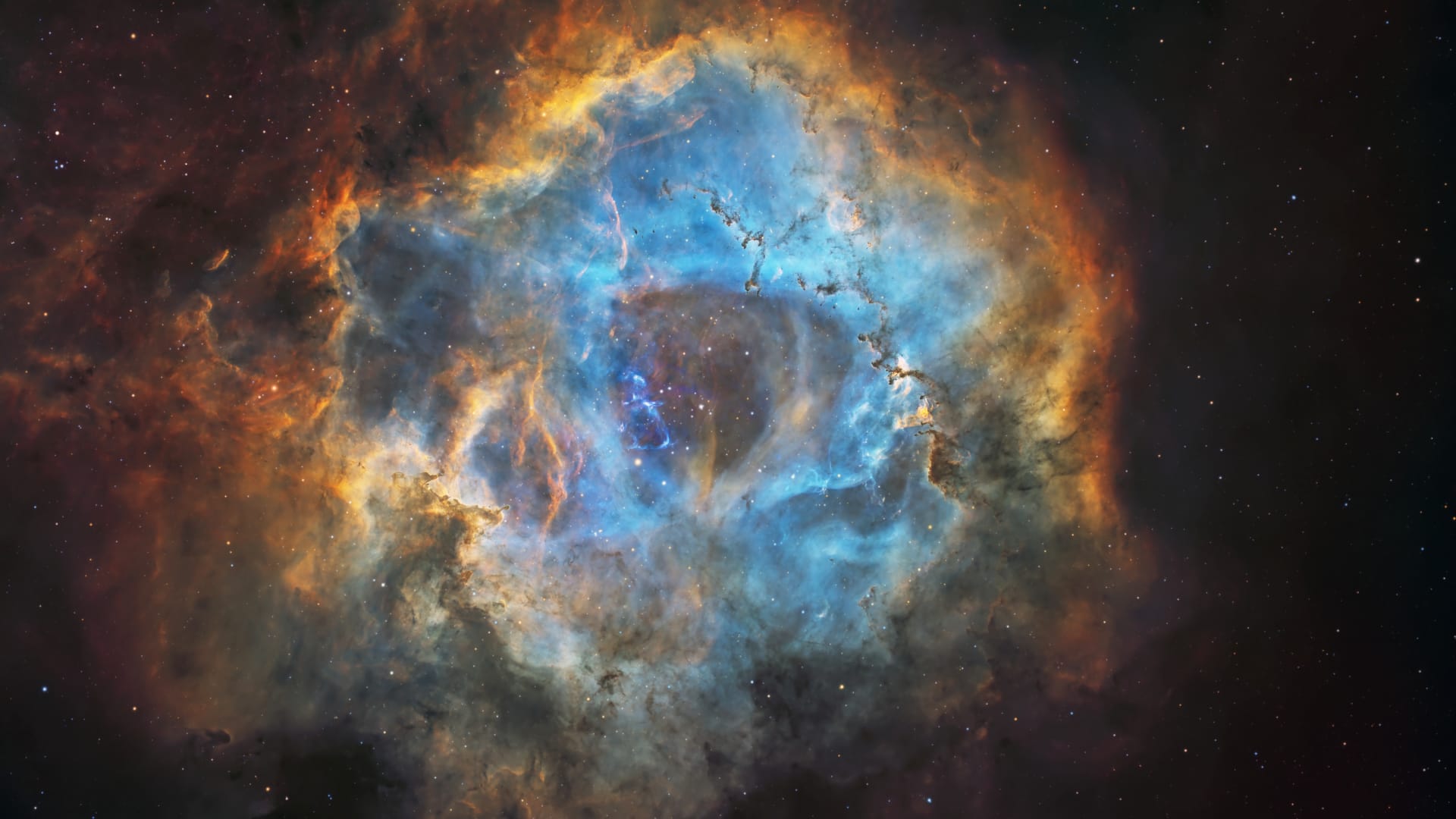
Ready to go beyond the “easy wins”? If you have a small telescope (and reasonably dark skies), try hunting for the Rosette Nebula – a vast cloud of gas and dust that really does resemble a rose. It sits in the constellation Monoceros. You can use the bright, famous star Betelgeuse in the Orion constellation nearby as a helpful landmark while you search.
Still in Monoceros, look for Messier 50 – a sparkling open star cluster that some people describe as heart-shaped, while others see it as a blunt arrowhead.
In Cassiopeia, you can find the actual Heart Nebula (IC 1805). This is a colorful red emission nebula of glowing gas and dark dust clouds. However, this one is really faint; you will need a telescope with a large diameter to detect it.
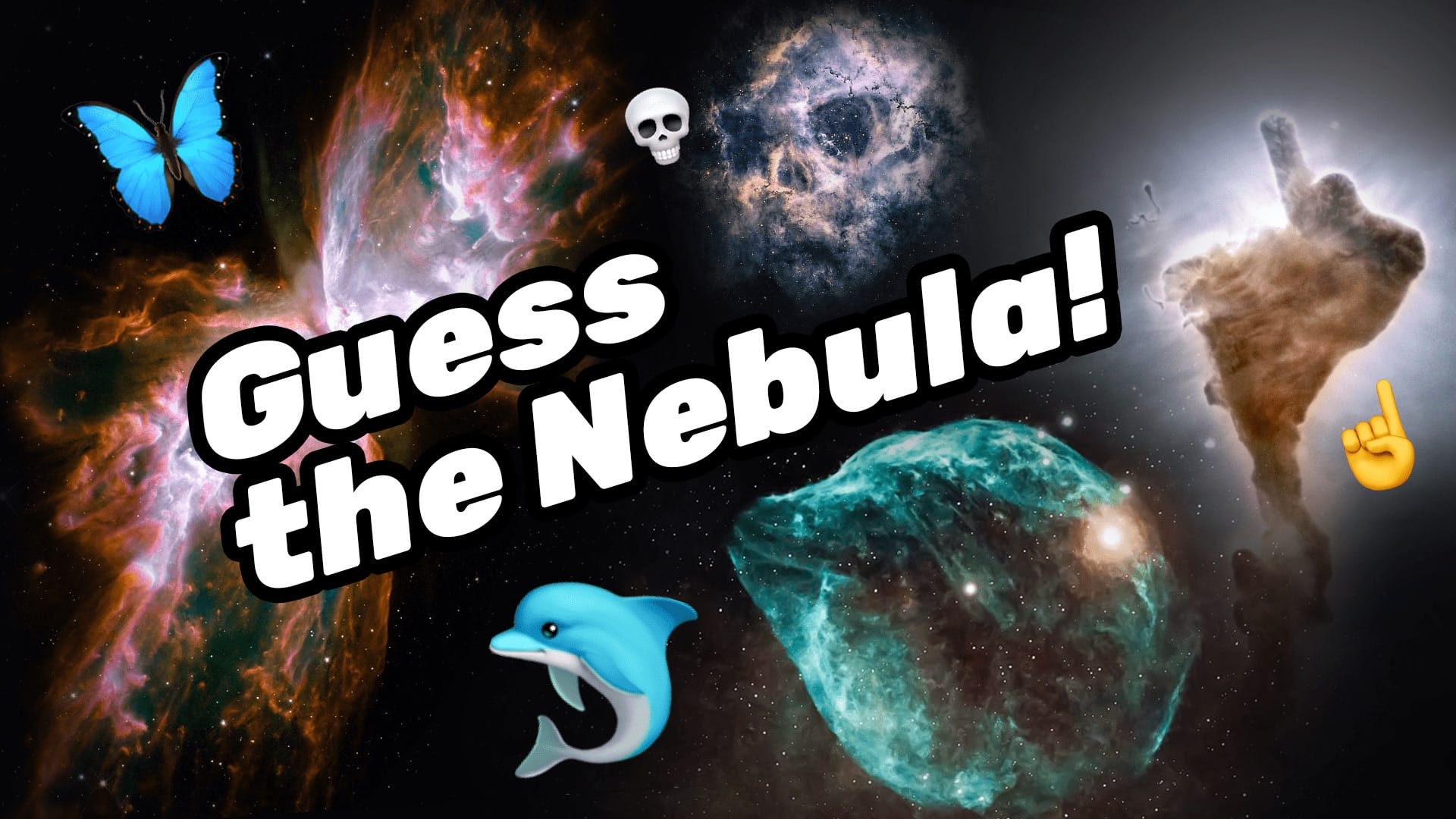
Deep-sky objects come in so many different shapes that astronomers really exercise their imagination on them. Think you can guess an object’s name just from its photo? Try our Guess the Nebula Quiz and find out!
Romantic facts about stars
It’s always a good idea to do a little research on the stars in advance so you can impress your date. Here are a few easy, memorable facts:
- You’re looking into the past. Starlight can take years, centuries, or thousands of years to reach your eyes.
- We are all stardust. Elements essential for life – carbon, nitrogen, oxygen, and iron – were forged inside stars and through supernovae billions of years ago.
- Most of the Universe is invisible. Planets, stars, and galaxies make up less than 5% of what’s out there; the rest is dark matter and dark energy, which we can’t observe directly.
Want more? Read a few extra space facts and drop them at the perfect moment – but keep it chill. This is a date, not an astrophysics exam.
How not to screw up while stargazing
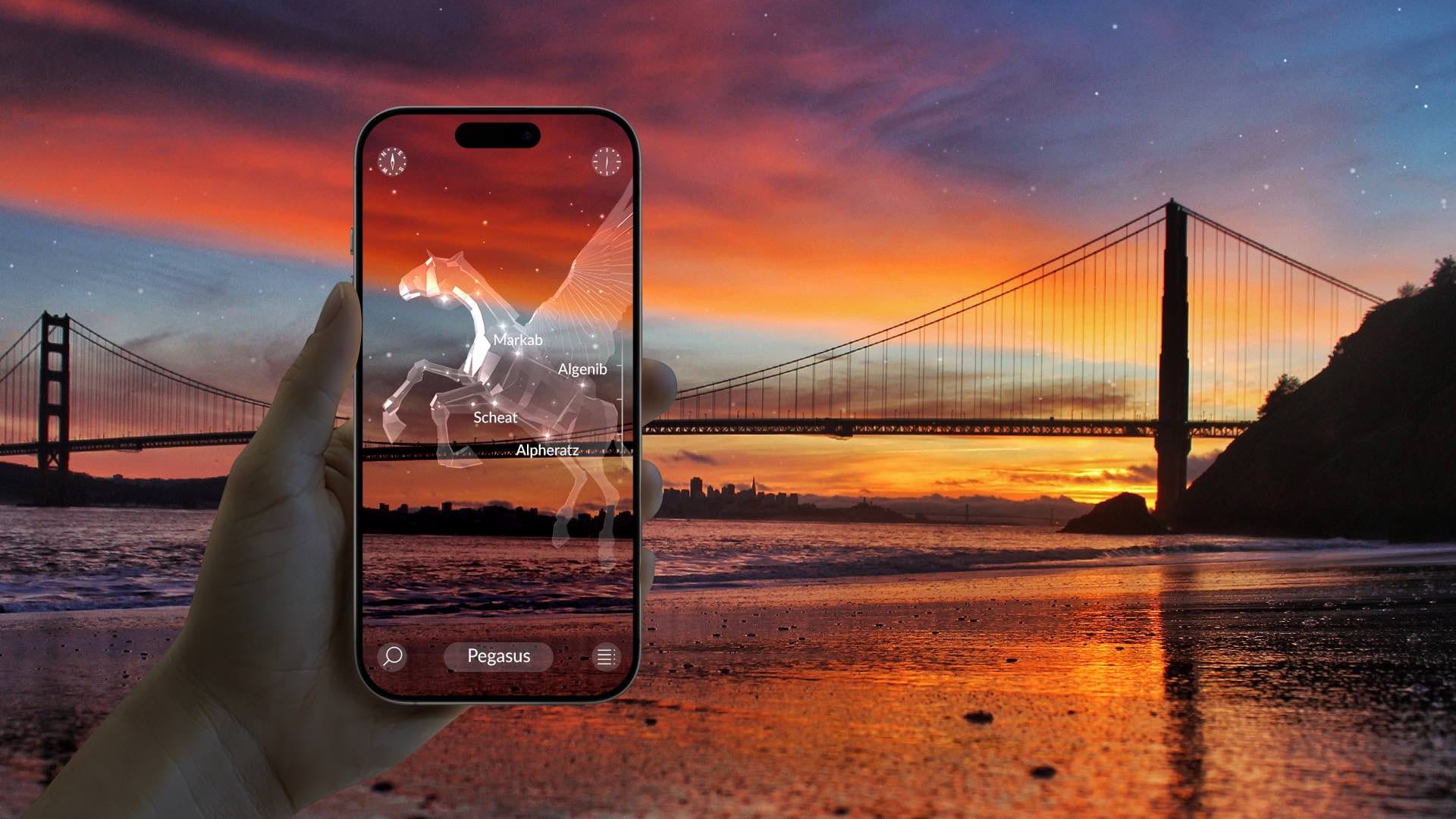
No matter how much you prepare – memorizing constellations, saving cute star facts, planning the perfect moment – nerves can hit, and suddenly every star looks the same. The easiest way to stay confident (and actually find what you’re talking about) is to have a sky guide in your pocket. That’s where the Star Walk 2 app comes in.
Open the “Visible Tonight” section in the app to get a list of the best targets for your exact location right now – stars, constellations, planets, and current stargazing events. Tap any object to see it on the sky map, then point your phone up to locate it in your real sky in seconds.
And here’s the bonus: your date will “have to” lean in closer to see what you’re showing, which is kind of the whole point.
Extra idea: a stargazing truck-bed date
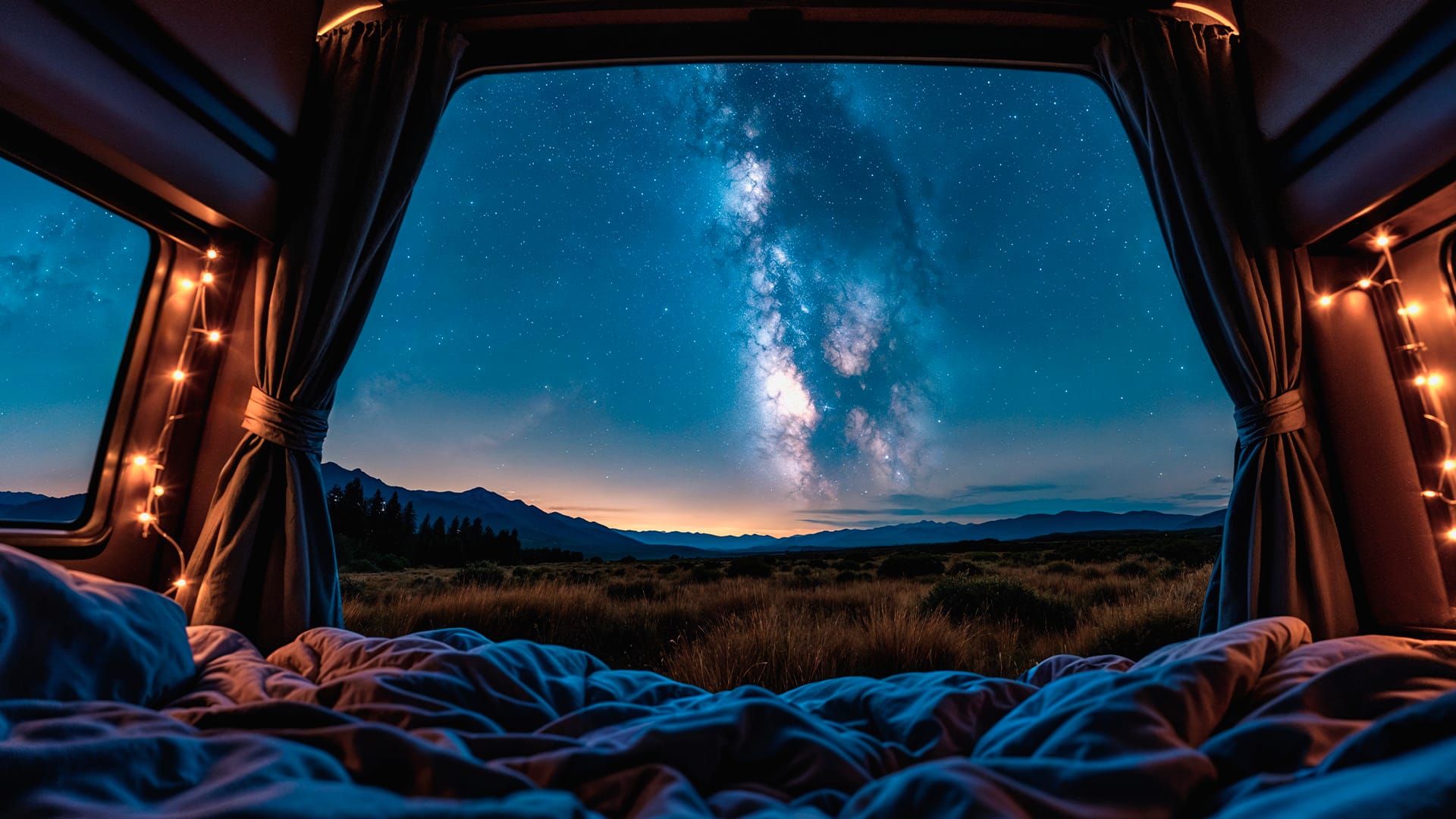
If you have access to a truck, transform it into the coziest "outdoor cinema" under the stars. Set up a soft base with a pad or topper, and pile on blankets and pillows. Use dim red lighting instead of bright white to help your eyes adjust to the stars and create a more intimate atmosphere. Pick a spot away from city lights with legal parking and a level surface.
When is a stargazing date NOT a good idea?
Stargazing is only romantic if it’s comfortable. Skip it (or modify the plan) if:
- They don’t want to be outside (or hate being cold)
- It’s cloudy, windy, or the Moon is full
- The only dark location is very far away – driving “into the middle of nowhere” late at night can feel uncomfortable or unsafe
- You’re in a bad mood – stargazing shouldn’t feel like a relationship test
How to plan a romantic stargazing date: conclusion
Remember: a stargazing date shouldn’t feel stressful. If you’re up for an adventure, head to a darker spot in nature and make a little trip out of it. But if you’re more into cozy romance, a backyard setup or a simple park picnic works just as well – the magic is in sharing the moment, not chasing perfection.
Bring the basics: a warm drink, a blanket, and a stargazing app to guide you to the best sights. Then look up, slow down, and let the night do the rest.