April 24: Space Day of China
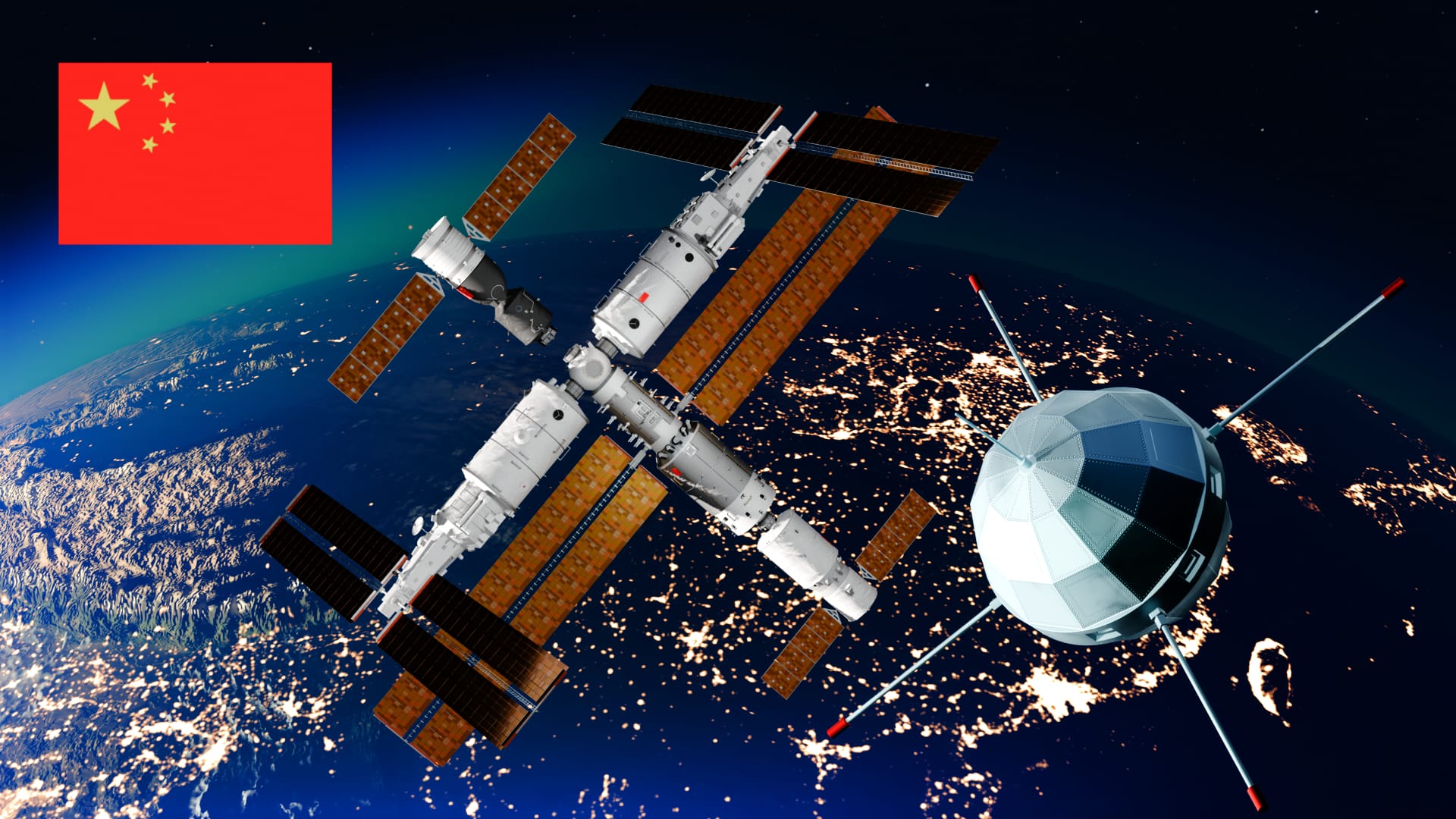
On April 24, China celebrates China Space Day — a national event dedicated to space exploration and scientific progress. In 2026, it marks its 11th edition, with the theme "Seven Decades of Exploring the Sky, Jointly Reaching for the Stars". The date honors the launch of Dongfanghong-1, China's first satellite, in 1970. To explore the sky yourself, get Sky Tonight and start your own space journey right now.
Contents
- What is China Space Day?
- China Space Day 2026 celebration
- Why April 24?
- A short history of China Space Day
- China’s biggest space achievements
- China Space Day themes by year
- “Space Days” in other countries and around the world
- April 24 China Space Day: Bottom Line
What is China Space Day?
China Space Day is a national observance established by the State Council of the People’s Republic of China to celebrate the development of China’s space industry and promote public interest in space exploration.
China Space Day at a glance
- Official name: China Space Day
- Chinese name: 中国航天日
- Date: April 24
- First observed: 2016
- Main organizers: Ministry of Industry and Information Technology and the State Administration of Science, Technology and Industry for National Defense
- Purpose: To commemorate China’s space achievements and promote the spirit of space exploration
China Space Day 2026 celebration
The 11th China Space Day in 2026 is centered in Chengdu, Sichuan Province. The official theme is:
“Seven Decades of Exploring the Sky, Jointly Reaching for the Stars.”
The event is co-hosted by the Ministry of Industry and Information Technology, the China National Space Administration (CNSA), and the Sichuan provincial government.
What to expect in 2026
The 2026 program includes:
- an official opening ceremony (in Chengdu, Southwest China's Sichuan Province);
- educational activities across more than 30 provincial-level regions;
- science outreach exhibitions;
- public lectures and seminars;
- a space culture and arts forum;
- open days, competitions, and knowledge events for the public.
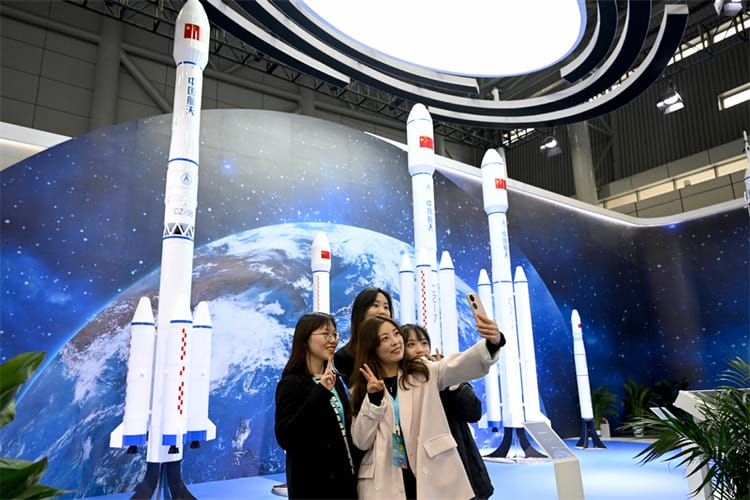
One of the most interesting highlights is the planned display of lunar samples from both sides of the Moon, collected by Chang’e-5 and Chang’e-6. Visitors are also expected to see immersive experiences such as the VR science-popularization show Footprints in the Stars: Rendezvous on the Lunar Far Side.
Organizers are also expected to share updates on major Chinese space programs, including deep-space exploration, commercial space activity, and research on lunar samples. In addition, awards will be presented to outstanding scientists, engineers, and teams.
Brazil has been invited as the guest country of honor, adding an international dimension to the celebration. The CNSA announced that China and Brazil will continue to deepen their cooperation, including advancing the development of the CBERS-06 Earth resources satellite.
Why April 24?
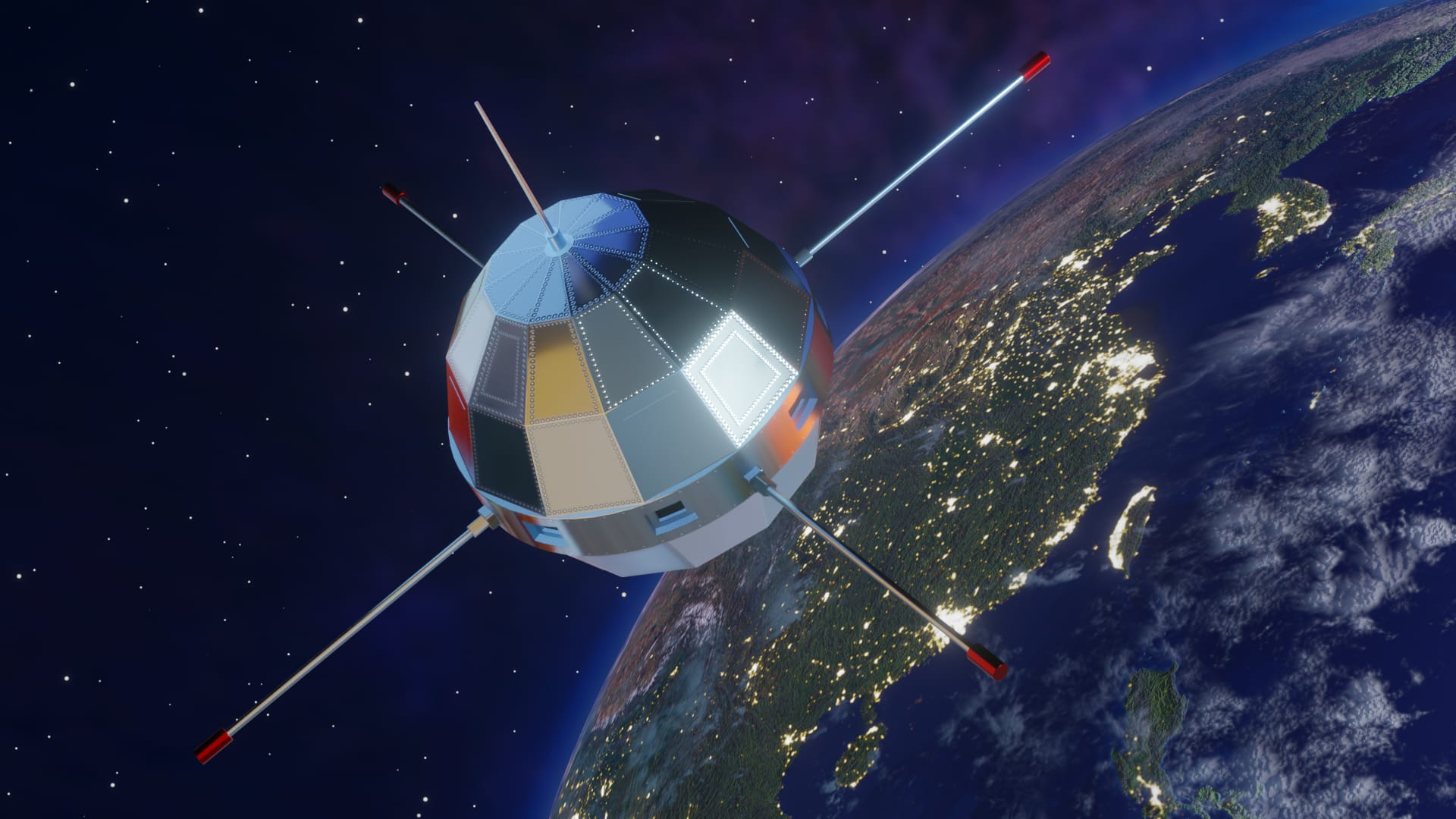
China Space Day is observed on April 24, the anniversary of one of the most important moments in Chinese space history: the launch of Dongfanghong-1, China's first artificial Earth satellite, in 1970.
That mission marked China’s entry into the space age. It also laid the foundation for everything that came after: crewed missions, lunar exploration, Mars exploration, and a permanent presence in orbit.
A short history of China Space Day
Although the holiday was first celebrated in 2016, the idea appeared earlier.
In 2009, Liang Xiaohong, a member of the Chinese People’s Political Consultative Conference (CPPCC), proposed establishing a national space day. He continued to submit the proposal for several years. An early suggested date was October 15, the anniversary of Yang Liwei’s flight aboard Shenzhou-5, China’s first crewed mission.
Eventually, the State Council chose April 24 instead, linking the celebration to the launch of China’s first satellite. The official decision was made on March 8, 2016, and the first China Space Day was held the following month.
The purpose of the holiday is not only to remember the past, but also to encourage innovation, scientific curiosity, and public enthusiasm for space — especially among young people.
China’s biggest space achievements
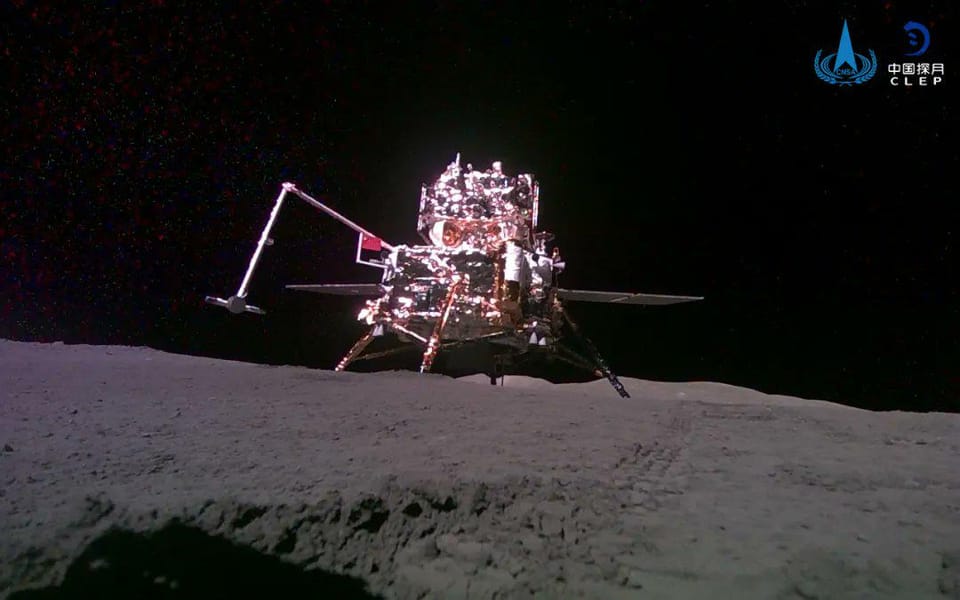

Over the past decades, China has built an impressive record in spaceflight. Here are some of the key milestones.
-
1970: Dongfanghong-1. China launched its first satellite, becoming the fifth country to do so independently.
-
1999: Shenzhou-1. First experimental spacecraft for China’s crewed spaceflight program.
-
2003: Shenzhou-5. Yang Liwei became the first Chinese astronaut in space.
-
2007: Chang’e-1. China’s first lunar probe began the country’s lunar exploration program.
-
2008: Shenzhou-7. First Chinese spacewalk completed by astronaut Zhai Zhigang.
-
2011: Tiangong-1. China launched its first space lab and completed a successful docking mission.
-
2018–2019: Chang’e-4. First spacecraft in human history to land on the far side of the Moon.
-
2020: Tianwen-1. China launched its first independent Mars mission.
-
2020: Chang’e-5. The first Chinese mission to bring lunar samples back to Earth.
-
2021: Tianwen-1 landing. China successfully landed on Mars in Utopia Planitia.
-
2021: Xihe. China launched its first solar exploration satellite.
-
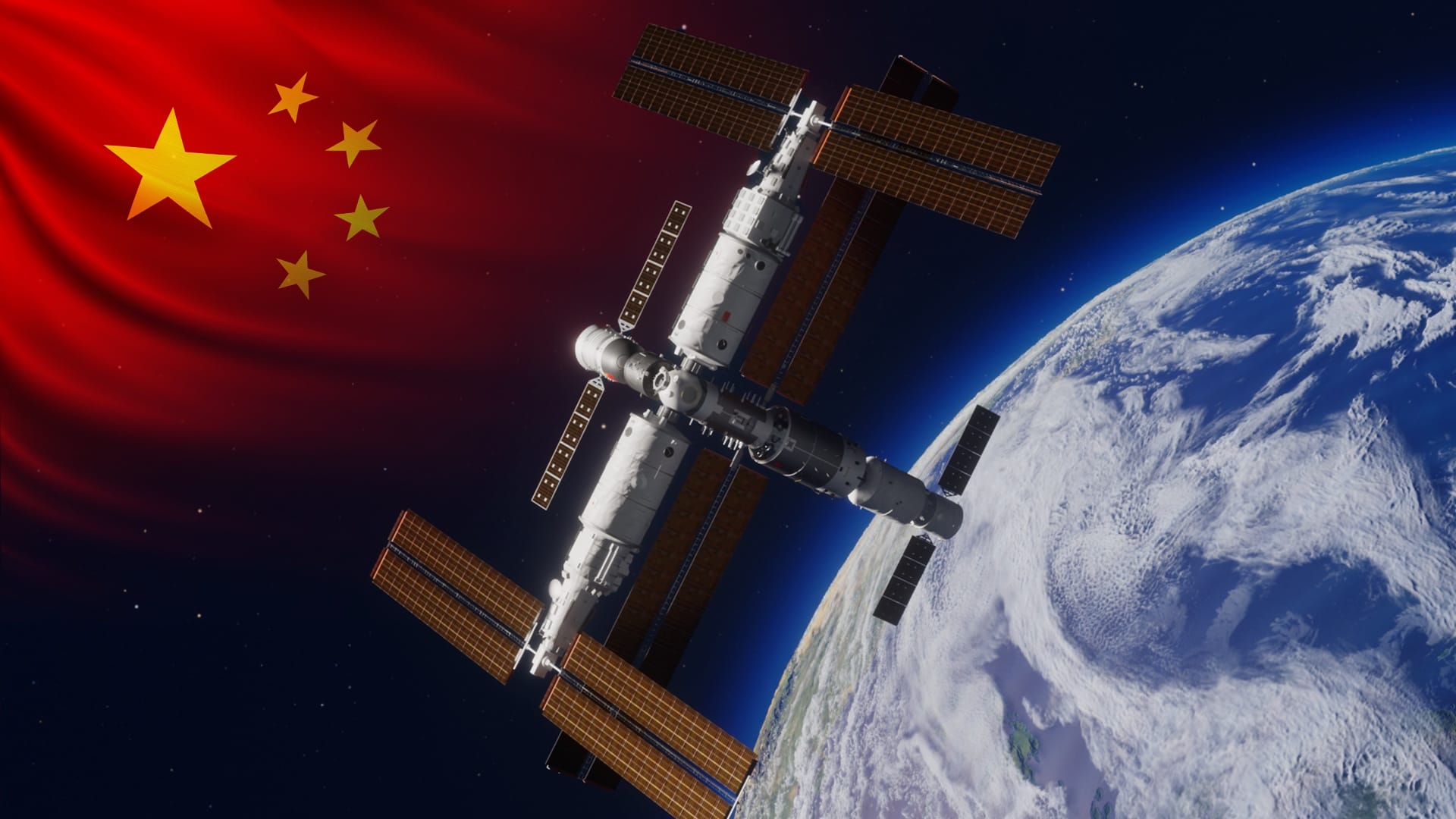
2021-2022: Tiangong space station. China successfully launched three modules of its space laboratory into low Earth orbit. The station is permanently crewed, hosting a standard crew of three taikonauts (Chinese astronauts). There are lots of interesting facts about the Tiangong space station — learn the best of them by taking our 10-question quiz. Let’s see how many answers you can get right!
-
2024: Chang'e 6. China's second lunar sample return mission, the first was achieved by Chang'e 5 from the lunar near side four years earlier.
-
2025: Tianwen-2. A 10-year Chinese asteroid sample return and comet exploration mission. CNSA plans for the probe to collect samples from 469219 Kamoʻoalewa, a near-Earth asteroid, and return them to Earth in 2027. After dropping off the sample return capsule, the spacecraft is expected to continue its journey to the main-belt comet 311P/PanSTARRS, where it will conduct further exploration using its 11 onboard instruments.
China Space Day themes by year
Each year, China Space Day has an official theme. These slogans reflect both national pride and the broader goals of space science and international cooperation.
| Year | Theme |
|---|---|
| 2017 | Space Creates a Better Life |
| 2018 | Building the Aerospace Era Together |
| 2019 | Chasing Space Dreams, Cooperating for Win-Win |
| 2020 | Promoting the Spirit of Space Exploration and Embracing the Starry Sea |
| 2021 | Setting Sail and Chasing Dreams in the Ninth Heaven |
| 2022 | Space Lights Up Dreams |
| 2023 | Investigate Things and Extend Knowledge, Knock on the Door of the Vast Universe |
| 2024 | Gazing at the Sky from Chu, Sharing the Starry River |
| 2025 | The Moon Rises over the Sea, Reaching for the Stars in the Ninth Heaven |
| 2026 | Seven Decades of Exploring the Sky, Jointly Reaching for the Stars |
“Space Days” in other countries and around the world
China is not the only country — or community — that celebrates space. Around the world, there are several events dedicated to human spaceflight, astronomy, and STEM education.
| Date | Event | What It Celebrates |
|---|---|---|
| April 12 | International Day of Human Space Flight/Yuri’s Night | The anniversary of Yuri Gagarin’s 1961 flight, the first human journey into space. |
| April/May and September/October | International Astronomy Day | Public outreach events that encourage people to learn about astronomy. |
| August 23 | National Space Day (India) | Established to mark the successful landing of Chandrayaan-3 on the Moon in 2023. |
| October 4–10 | World Space Week | The largest annual global space celebration, with thousands of events worldwide. |
| November 8 | National STEM/STEAM Day (USA) | A day promoting science, technology, engineering, arts, and mathematics. |
| December 16 | Italian National Space Day | Celebrates Italy’s first satellite, San Marco 1, and the country’s role in early space history. |
These observances may differ in scale and focus, but they all reflect the same big idea: space inspires people.
April 24 China Space Day: Bottom Line
China Space Day, celebrated every year on April 24, honors the country’s first satellite launch and the remarkable growth of its space program. In 2026, the holiday’s theme — “Seven Decades of Exploring the Sky, Jointly Reaching for the Stars” — highlights both China’s achievements and its future ambitions.
From Dongfanghong-1 to Chang’e, Tianwen, and Tiangong, China has built one of the world’s most ambitious space programs. And with public events, exhibitions, and educational programs held across the country, China Space Day is also a celebration for everyone who looks up and wonders what lies beyond Earth.
Because in the end, space belongs to all of us.
And if you want to celebrate from anywhere, simply open Sky Tonight and start exploring the night sky above you.