Comets, Asteroids, and Other Small Solar System Bodies
Comets, asteroids, and trans-Neptunian objects make up the small bodies of the Solar System, with dwarf planets placed in a separate category by the International Astronomical Union. Most asteroids reside in the asteroid belt, many trans-Neptunian objects inhabit the Kuiper Belt, and comets are believed to come primarily from the remote Oort Cloud. Though small in size, these objects attract great scientific interest and can offer spectacular observing opportunities. Some also pass close enough to Earth to be classified as potentially hazardous.
Here, you’ll discover how these cosmic wanderers differ from one another, why astronomers keep such a close eye on them, and which ones are truly worth worrying about — or looking forward to, like Comet 10P/Tempel 2, a periodic comet returning in 2026 and expected to become a promising binocular or small-telescope target around early August.
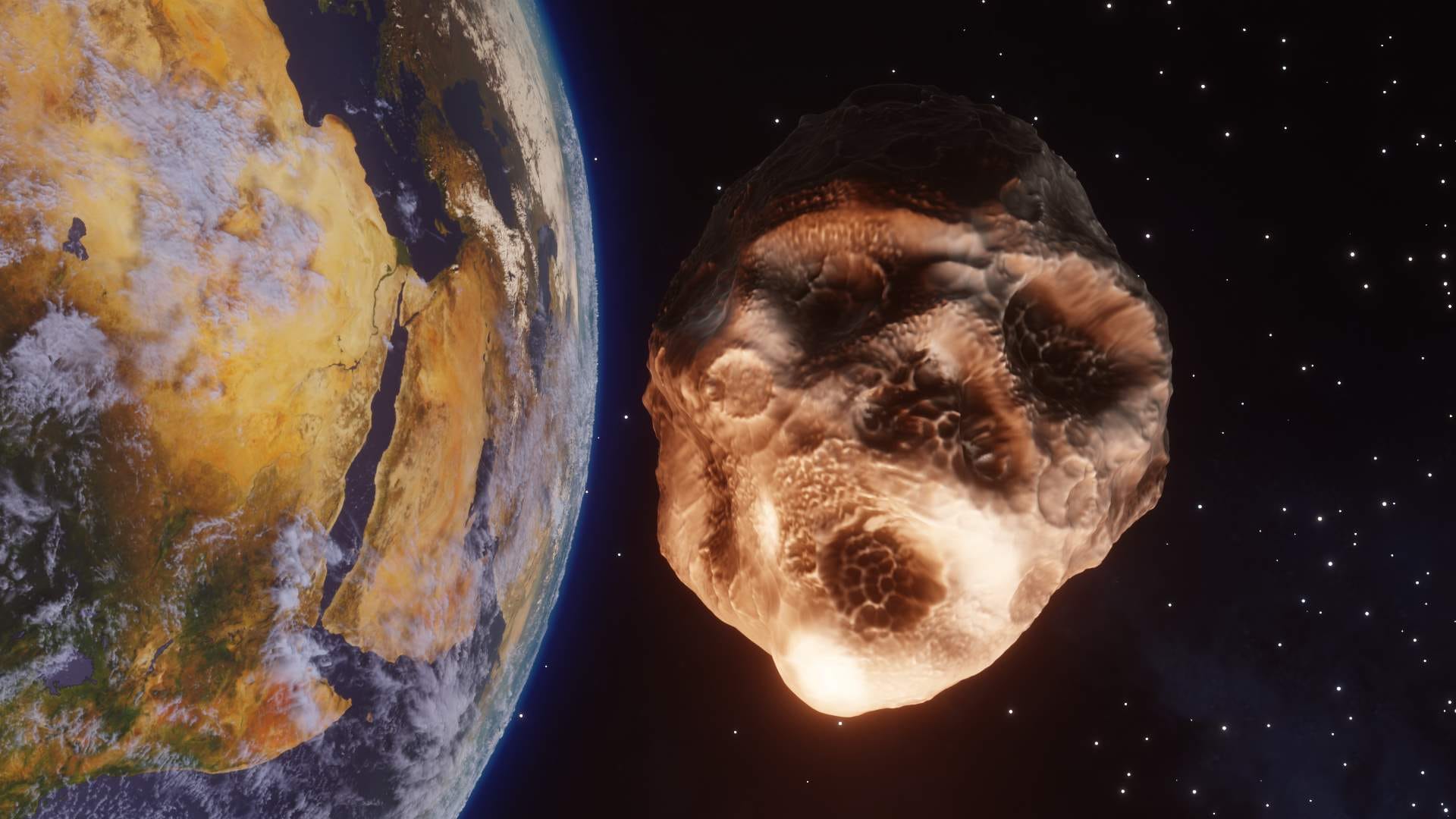
When Is the Next Asteroid Predicted to Hit the Earth?
Is it likely for an asteroid to hit Earth anytime soon? In this article, we’ll answer the most burning questions about potentially hazardous asteroids.
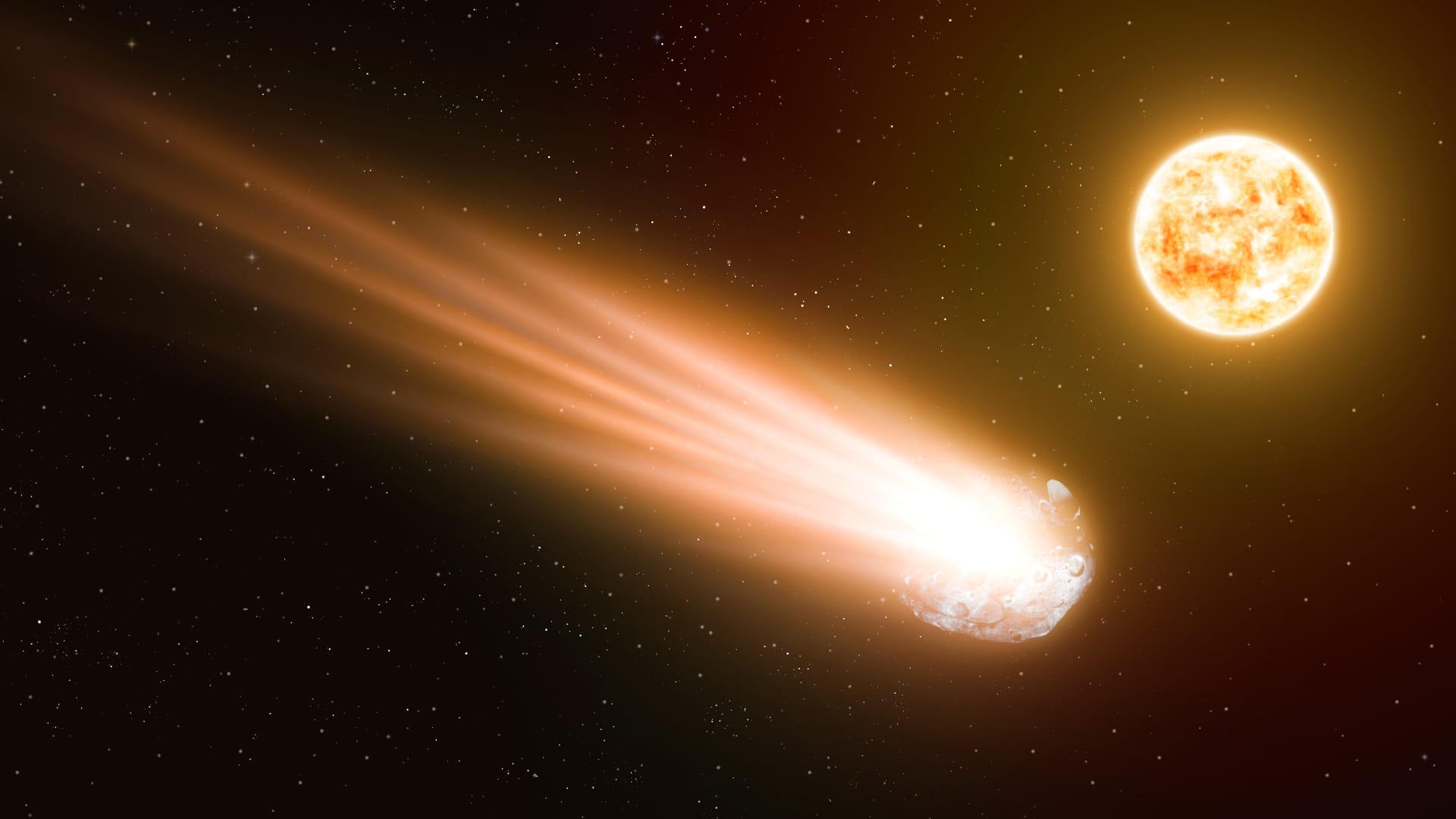
What Comet Is Visible Now? Best Comets to Watch in 2026–2027
Track the most promising visible comets of 2026–2027 and learn when they may be easiest to see.
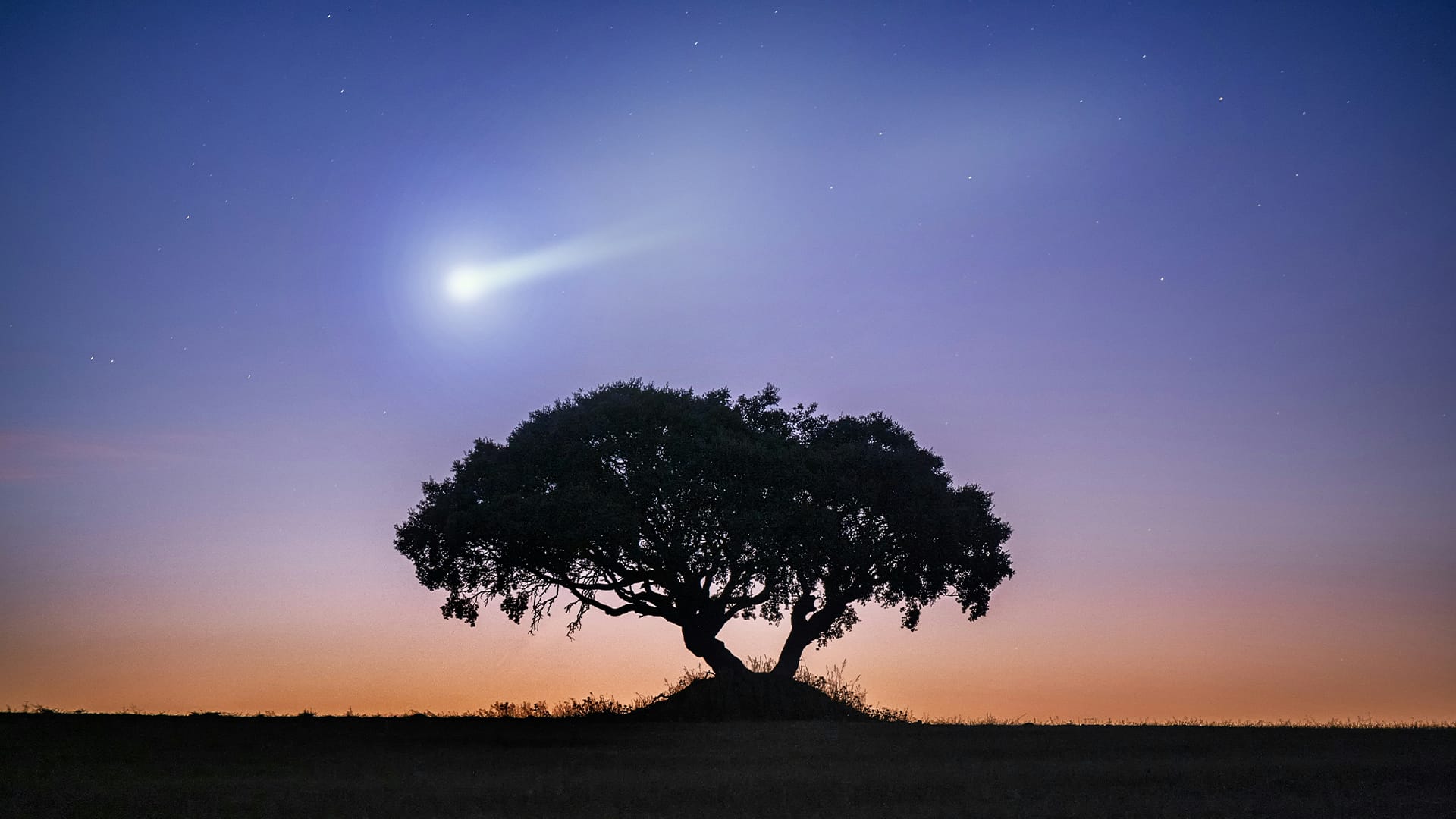
Comet Encke 2027: When It Returns and How to See It
Comet Encke returns in early 2027. See when and where to look for 2P/Encke, how bright it may get, and how to observe it.
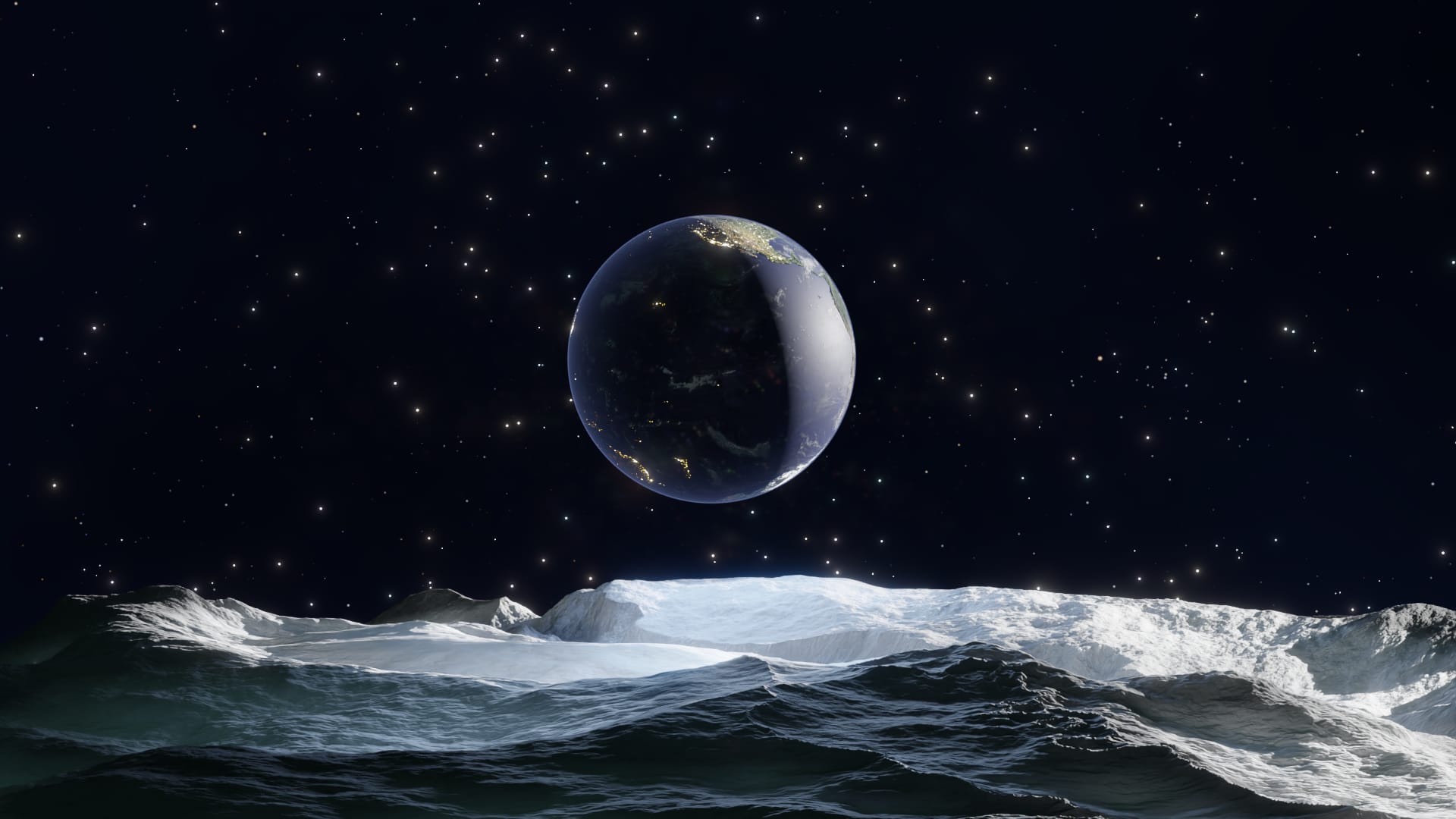
Apophis: All About The God of Chaos Asteroid
Here’s everything you need to know about Apophis, the massive asteroid once predicted to crush into the Earth. 😱 See if you should cancel your plans on April 13, 2029 (and later).
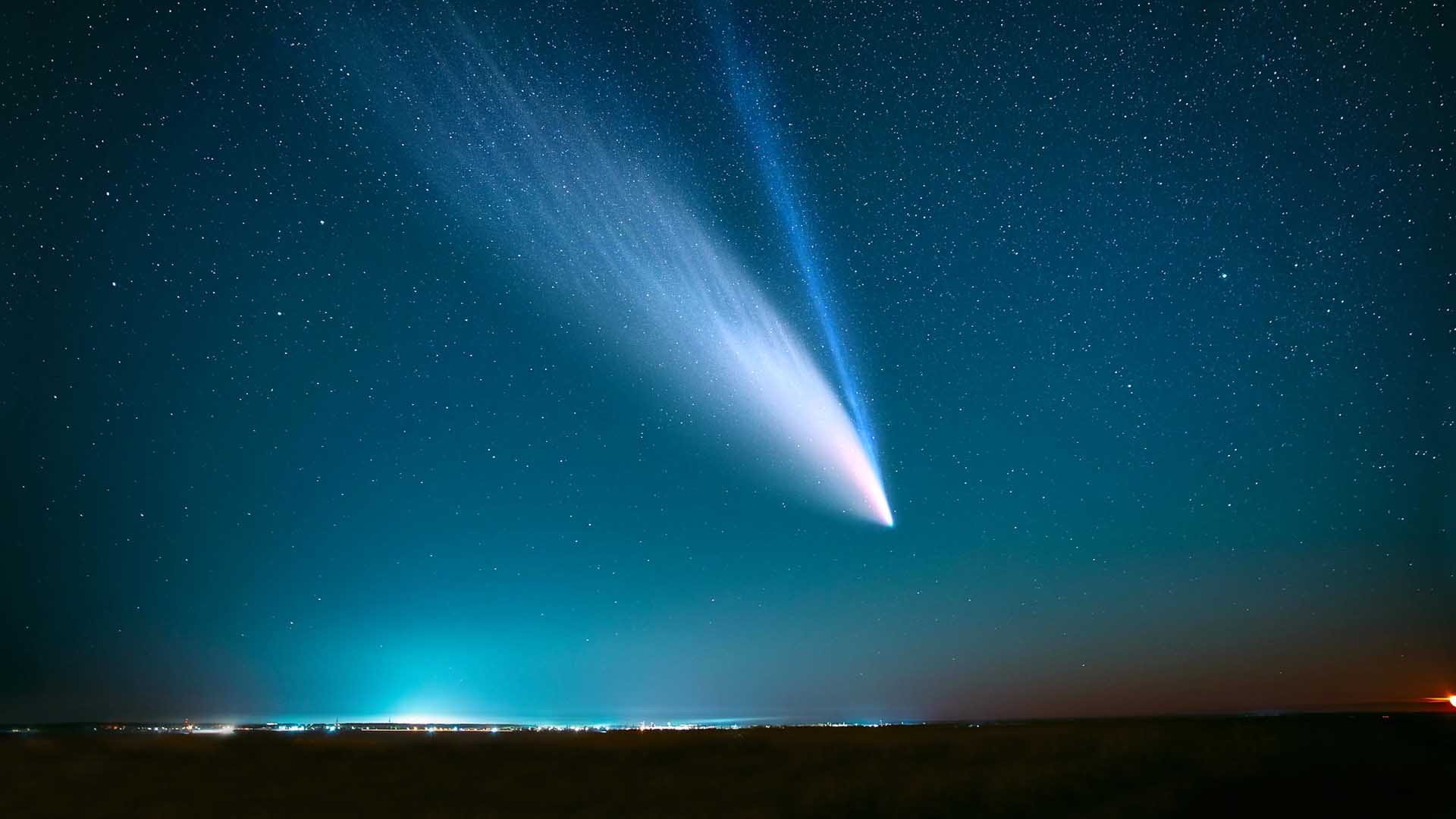
Great Comets: What Are They, And When Will the Next Comet Be Visible?
A great comet is an extraordinary event. Once you've seen it, you'll never forget it. Is there a great comet coming up? Learn from this article!
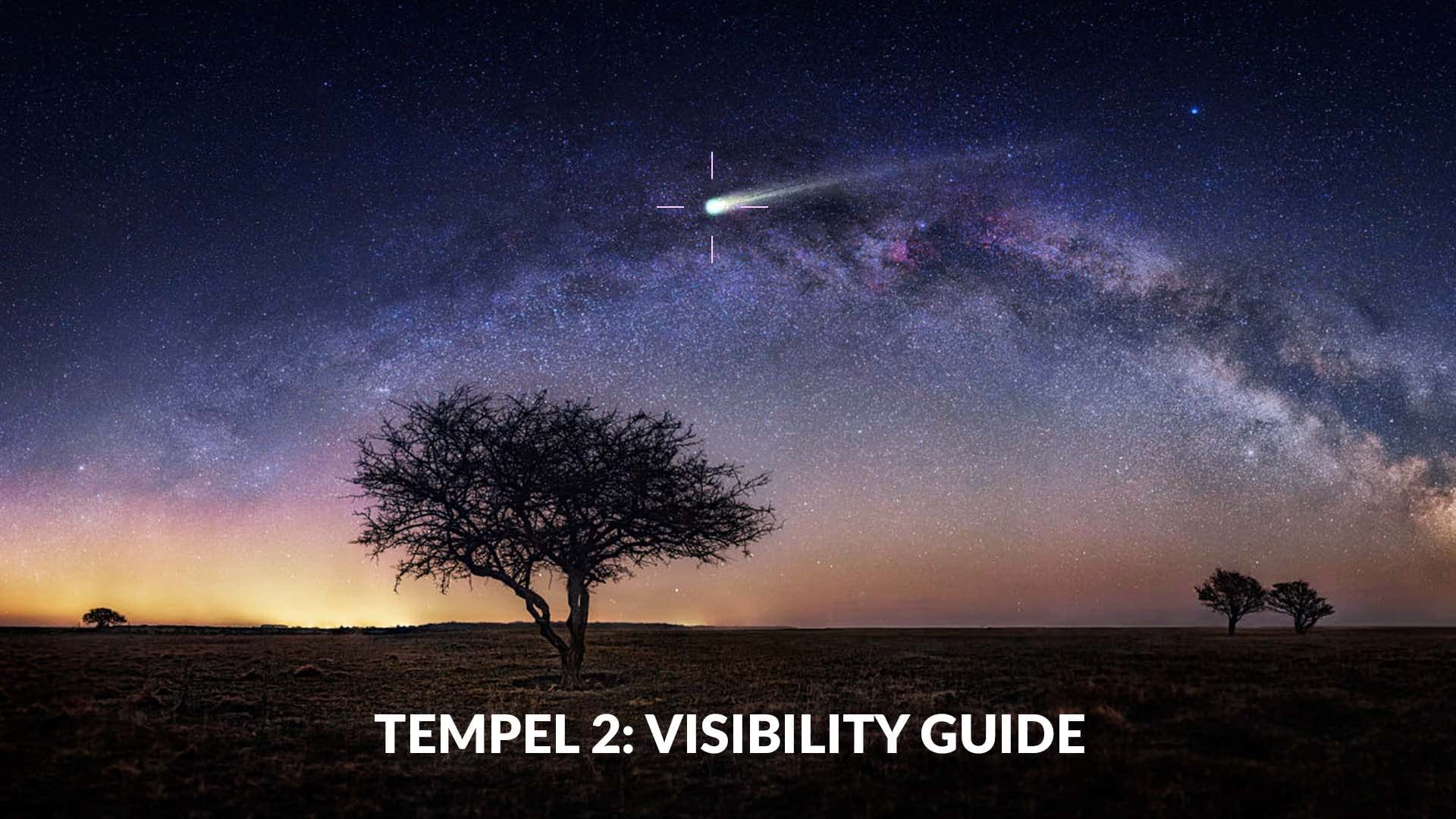
Comet Tempel 2: Visibility and Brightness
Comet 10P/Tempel 2 is slowly fading but remains visible through telescopes. Find viewing tips, finder charts, and visibility details.
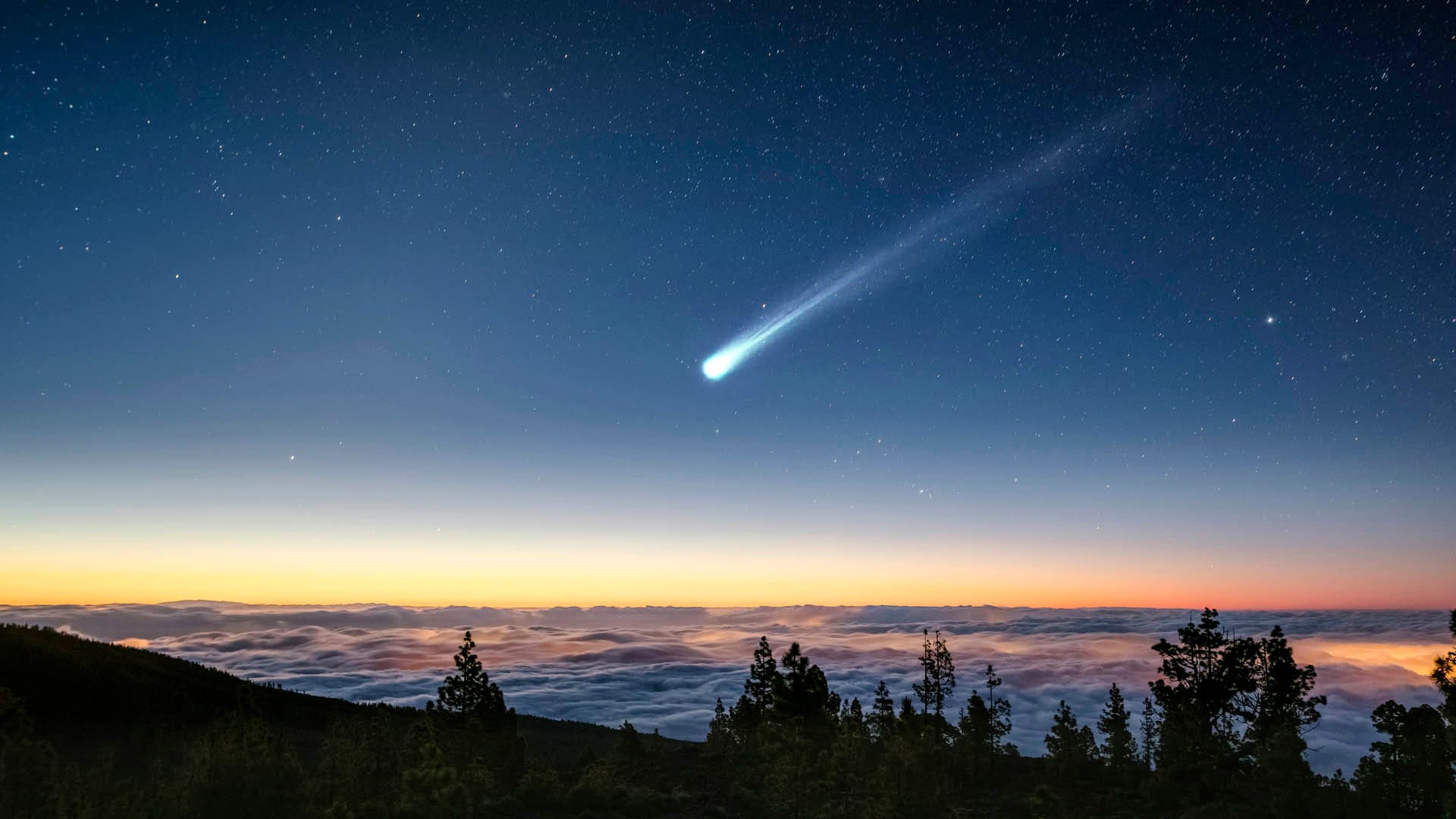
What Is a Comet? All About The Cosmic “Dirty Snowballs”
Hairy stars, dirty snowballs, cosmic time capsules – that’s all about comets. Let’s dive into the science and history of comets, uncovering their role in the universe and their impact on us.
Comets: All You Need to Know
All-round guide about comets: definition, special features, and a couple of tips for aspiring observers.
Asteroid Day 2027: What Is It and How to Celebrate It?
Celebrate Asteroid Day on June 30! Learn new things about asteroids and join global efforts to protect our planet from potential threats.
Comet C/2025 R3 (PanSTARRS) in May 2026: Current Visibility, Magnitude, and Best Viewing Dates
Can you see Comet C/2025 R3 (PanSTARRS) now? Get the latest visibility update, current brightness, best viewing dates, and when and where to look.